
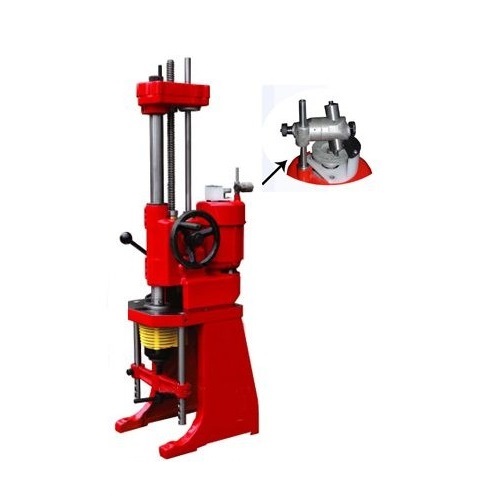
When choosing the right engine boring machine for precision cylinder restoration, prioritize rigidity, spindle accuracy, and compatibility with your engine types. A high-quality horizontal engine boring machine with digital readouts and adjustable speed control offers superior results for automotive repair shops and performance builders 1. Look for models that support both wet and dry boring, have strong customer feedback on thermal stability, and offer easy tooling integration. Avoid low-cost units with poor bearing support or unclear calibration standards, as they compromise long-term accuracy 2.
About Engine Boring Machines
An engine boring machine is a specialized piece of metalworking equipment designed to enlarge and precisely finish cylindrical bores in engine blocks, typically to restore worn cylinders or modify displacement 3. These machines cut internal diameters with extreme precision—often within tolerances of ±0.0005 inches—to ensure proper piston-to-wall clearance and optimal compression.
Common applications include rebuilding V8 engines, restoring vintage motors, and preparing high-performance racing blocks. Unlike general-purpose lathes or milling machines, engine boring machines are engineered specifically for deep, accurate internal cuts in cast iron or aluminum engine blocks 4. They are widely used by auto repair garages, race teams, and machine shops performing full engine overhauls.
Why Engine Boring Machines Are Gaining Popularity
The demand for engine boring machines has increased due to the growing interest in vehicle restoration, classic car preservation, and performance tuning 5. As older vehicles remain on the road longer, more workshops need reliable tools to restore worn engine components rather than replacing entire powertrains—a cost-effective and environmentally responsible solution.
Additionally, advancements in aftermarket parts and forced-induction systems have driven enthusiasts to rebuild engines with larger displacements, requiring precise boring operations. The rise of small independent machine shops also contributes to higher adoption, especially where portability and multi-functionality matter 6. With increasing labor costs, investing in accurate, durable equipment improves efficiency and reduces rework.
Types and Variants
Engine boring machines come in several configurations, each suited to different shop sizes, budgets, and technical needs.
Horizontal Boring Machines
This is the most common type, featuring a horizontal spindle that enters the cylinder bore from the side. It's ideal for inline and V-type engines because it allows direct access to individual cylinders without removing the block from the fixture.
- Pros: High rigidity, excellent alignment control, supports long stroke boring, compatible with digital measurement systems 7.
- Cons: Larger footprint, higher initial cost, requires stable mounting surface.
Vertical Boring Machines (Boring Mills)
These machines position the workpiece horizontally while the cutting head moves vertically. Often used for large diesel blocks or industrial engines, they can handle massive components.
- Pros: Handles heavy blocks easily, better chip evacuation, suitable for complex machining beyond boring (facing, counterboring).
- Cons: Not practical for standard automotive use, takes up significant floor space, expensive to operate and maintain.
Portable Boring Bars
A compact alternative, portable boring bars attach to fixtures mounted directly on the engine block. They're powered by electric or pneumatic motors and guided through the cylinder using precision bushings.
- Pros: Affordable, mobile, ideal for field repairs or mobile mechanics.
- Cons: Less accurate than fixed machines, limited depth control, operator-dependent results 8.
Combination Honing and Boring Units
Some modern machines integrate both rough boring and final honing capabilities, streamlining the workflow. These are often semi-automatic and found in production environments.
- Pros: Reduces setup time, consistent finishes, enhances throughput.
- Cons: Higher complexity, steeper learning curve, service and spare parts may be harder to source.
Key Features and Specifications to Evaluate
Selecting the best engine boring machine involves assessing several critical technical parameters:
- Spindle Accuracy: Look for runout below 0.0002 inches; this ensures round, uniform bores 9.
- Speed Range: Variable speed control (e.g., 100–1000 RPM) accommodates different materials—slower for cast iron, faster for aluminum.
- Bearing Support: Dual-bearing spindles reduce vibration and improve longevity.
- Digital Readouts (DRO): Essential for monitoring depth and diameter in real-time, reducing human error.
- Coolant System: Integrated coolant delivery prolongs tool life and maintains dimensional stability during extended cuts.
- Fixturing Compatibility: Ensure the machine works with common alignment plates and leveling jigs.
- Metric/Imperial Switching: Useful when working with imported engines or global clients.
Also consider ease of calibration, availability of replacement tooling, and whether the manufacturer provides training or technical support.
Pros and Cons: When Is an Engine Boring Machine Right for You?
Advantages:
- Restores worn cylinders to OEM specs or custom sizes.
- Enables displacement increases for performance builds.
- Precise control over bore geometry and surface finish.
- Long-term cost savings compared to outsourcing boring jobs.
Limitations:
- High upfront investment ($5,000–$30,000+).
- Requires skilled operation and regular maintenance.
- Takes dedicated workspace and power supply.
- Not needed for occasional DIY repairs—outsourcing may be more economical.
If you perform frequent engine rebuilds or serve commercial clients, owning a machine makes sense. For hobbyists doing one project every few years, renting or contracting the work is often more practical.
How to Choose an Engine Boring Machine
Follow this step-by-step guide to make an informed decision:
- Assess Your Volume and Use Case: Determine how many engine rebuilds you do annually. High-volume shops should invest in automated or CNC-assisted models.
- Check Block Compatibility: Confirm the machine fits common engine types you service (e.g., small-block Chevys, Ford Modular, BMW inline-six).
- Evaluate Build Quality: Examine frame construction (cast iron vs. welded steel), spindle bearings, and gear train smoothness.
- Verify Calibration Tools: Ensure included dial indicators, alignment arbors, and micrometers are certified or replaceable.
- Review Safety Features: Emergency stop buttons, guarding around moving parts, and secure clamping mechanisms are essential.
- Research Service Network: Choose brands with accessible spare parts and local technicians.
- Test Before Buying: If possible, attend demos at trade shows or request trial periods from suppliers.
- Avoid Red Flags: Unclear specifications, lack of manuals, no return policy, or inconsistent customer reviews 10.
Price & Market Insights
Engine boring machines vary significantly in price based on capability and brand:
- Entry-Level Portable Units: $1,500–$4,000 — suitable for light-duty or mobile use.
- Mid-Range Horizontal Machines: $8,000–$18,000 — ideal for independent shops handling daily rebuilds.
- Industrial-Grade Models: $20,000–$50,000+ — include CNC options, DRO, and full automation.
Sunnen, Rottler, and Serdi dominate the professional market, offering reliability and wide service networks 11. Used machines can save 30–50%, but inspect thoroughly for spindle wear and structural fatigue. Consider financing options or leasing for capital-intensive purchases.
| Model | Type | Price Range | Key Feature | User Rating |
|---|---|---|---|---|
| Sunnen SV-10 | Horizontal | $12,500 | Digital readout, quick-change tooling | 4.8/5 |
| Rottler S90 | Horizontal w/CNC | $28,000 | Automated cycle, touchscreen interface | 4.7/5 |
| Serdi 750 Plus | Combination unit | $21,000 | Honing + boring in one system | 4.6/5 |
| JEGS Portable Kit | Portable bar | $2,400 | Compact, includes stand and motor | 3.9/5 |
Customer Feedback Synthesis
Analysis of user reviews across forums, retailer sites, and industry groups reveals consistent themes:
Positive Feedback:
- “The Sunnen SV-10 delivers repeatable accuracy—I’ve rebuilt over 60 engines with zero comebacks.”
- “Rottler’s CNC model cut our setup time in half and improved surface finish consistency.”
- “Easy-to-read DRO and solid base design make alignment stress-free.”
Common Complaints:
- “Spindle bearings failed after two years; replacement cost was high.”
- “Manual lacks clear troubleshooting steps for calibration drift.”
- “Heavy unit arrived damaged—better packaging needed.”
Reliability, ease of setup, and post-purchase support emerge as decisive factors in satisfaction.
Sourcing & Supplier Tips
Buy from authorized dealers or reputable resellers specializing in machine tools. For bulk purchases (e.g., training centers or franchise shops), inquire about educational discounts or bundled tooling packages.
When importing, verify voltage compatibility (110V vs. 220V) and check if CE or ISO certifications apply. Always inspect shipments upon arrival and document any damage immediately. For used equipment, request service history and conduct a live test run if possible.
Consider joining industry groups like the Precision Mechanics Association for member-only supplier referrals and group buying opportunities.
Maintenance, Safety & Legal Considerations
Regular maintenance includes lubricating spindle gears, checking belt tension, cleaning coolant lines, and recalibrating alignment weekly in high-use settings 12. Keep cutting tools sharp and store them properly to avoid chipping.
Safety practices:
- Wear eye and hearing protection.
- Ensure all guards are in place before operation.
- Use push sticks or magnetic retrieval tools—never reach near rotating spindles.
- Install proper dust and chip extraction to comply with indoor air quality standards.
In the U.S., OSHA regulations require machine guarding and lockout/tagout procedures during servicing 13. Some states mandate noise level monitoring in shared workspaces. Always consult local occupational safety authorities before installation.
Conclusion
Choosing the right engine boring machine depends on your workload, technical requirements, and budget. For most professional shops, a mid-range horizontal model like the Sunnen SV-10 offers the best balance of precision, durability, and value. Portable units suit occasional users, while CNC-equipped systems benefit high-output facilities. Focus on spindle accuracy, ease of calibration, and manufacturer support when comparing options. Avoid cheap imports with unverified specs, and always verify return policies and warranty terms before purchase.
FAQs
- What is the difference between boring and honing an engine cylinder?
- Boring removes material to increase cylinder diameter, while honing creates the final crosshatch finish for oil retention and ring seating 14.
- Can I use an engine boring machine on aluminum blocks?
- Yes, but use lower speeds, sharper cutters, and adequate coolant to prevent overheating and material buildup on tools 15.
- How often should I calibrate my engine boring machine?
- Calibrate before each major job or at least once a week under regular use to maintain accuracy 16.
- Are used engine boring machines a good deal?
- They can be cost-effective, but inspect spindle runout, frame integrity, and electrical systems carefully before buying.
- Do I need special training to operate an engine boring machine?
- While not legally required, formal training improves safety and precision. Many manufacturers offer online or on-site courses.





 浙公网安备
33010002000092号
浙公网安备
33010002000092号 浙B2-20120091-4