
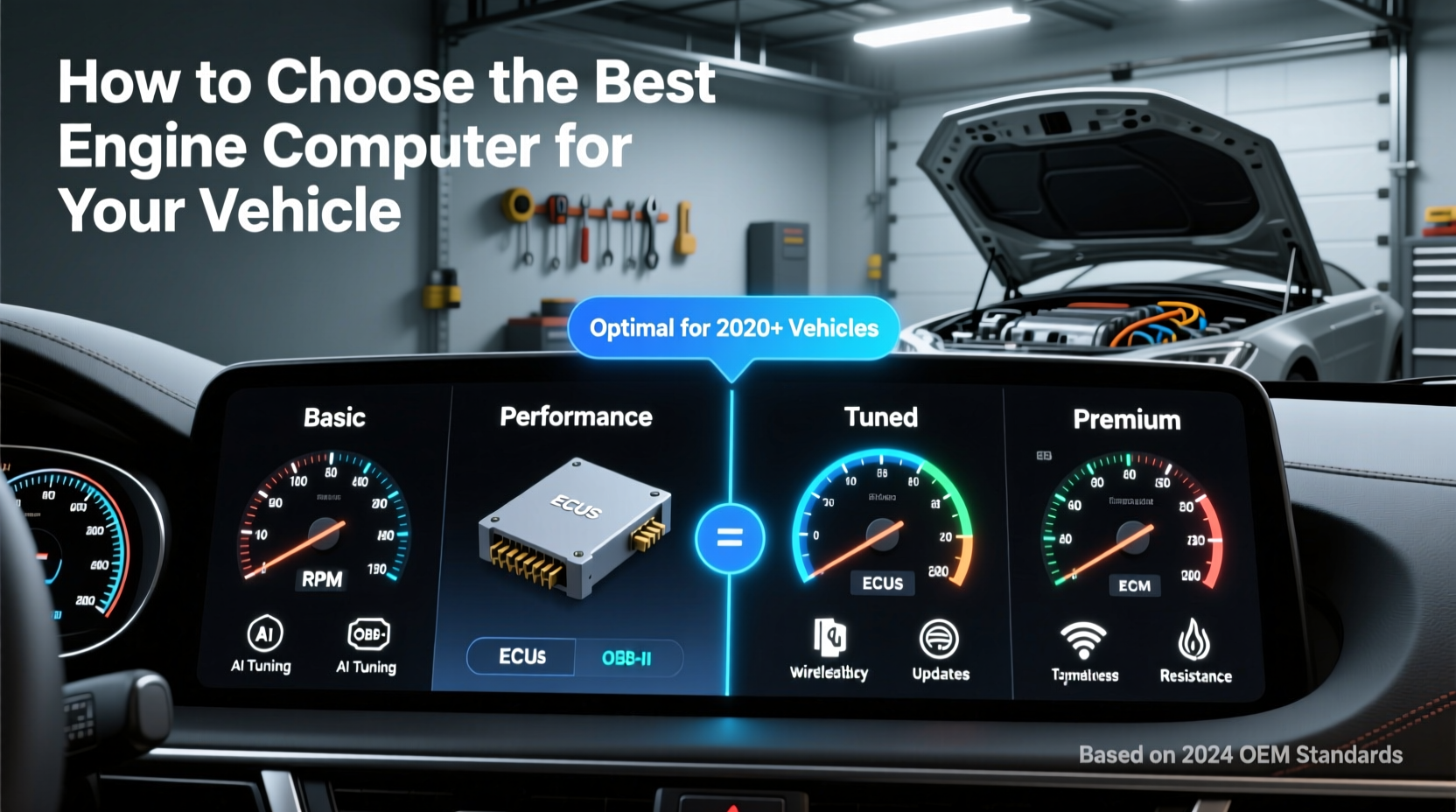
When selecting an engine computer—also known as an engine control module (ECM) or powertrain control module (PCM)—the most important factor is ensuring compatibility with your vehicle’s make, model, year, and engine type 1. A mismatched unit can lead to poor performance, error codes, or complete failure to start. For those searching for how to choose engine computer systems wisely, prioritize OEM-replacement-grade units with preloaded calibration data and full CAN bus integration. Avoid generic 'universal' modules that require extensive tuning unless you have access to professional diagnostic tools. Modern engine computers also offer enhanced fuel efficiency, real-time diagnostics, and improved drivability when properly matched 2.
About Engine Computer
An engine computer, commonly referred to as an engine control unit (ECU), engine control module (ECM), or powertrain control module (PCM), is the central processing unit responsible for managing critical engine functions in modern vehicles. It collects real-time data from various sensors—including oxygen sensors, throttle position sensors, crankshaft position sensors, and coolant temperature sensors—and uses this information to regulate fuel injection, ignition timing, idle speed, emissions controls, and transmission behavior 3.
Typically located under the hood or near the dashboard, these electronic control units are essential for optimal engine performance, fuel economy, and compliance with emission standards. In addition to factory-installed ECMs, aftermarket engine computers are widely used in vehicle restoration, performance tuning, and engine swaps. They enable users to replace failed modules or upgrade older engines with modern fuel-injected systems.
Why Engine Computer Is Gaining Popularity
The demand for reliable replacement and high-performance engine computers has surged due to several key trends. First, the average age of vehicles on U.S. roads has reached over 12 years, increasing the need for affordable replacements rather than full engine rebuilds 4. As original ECMs fail due to heat exposure, moisture, or electrical surges, drivers seek cost-effective solutions.
Second, the rise of DIY automotive repairs and online parts marketplaces makes it easier for consumers to source compatible engine computers without visiting dealerships. Third, performance enthusiasts are adopting programmable ECUs to customize air-fuel ratios, boost levels, and shift points in modified engines 5. Finally, advancements in plug-and-play technology have reduced installation complexity, making upgrades more accessible to non-professionals.
Types and Variants
Engine computers come in several types, each suited to different applications:
1. OEM Replacement ECMs
These are exact or remanufactured versions of the original factory control modules. They are pre-programmed for specific vehicle configurations and typically require minimal setup beyond VIN coding.
- Pros: Plug-and-play compatibility, reliable performance, often include warranty.
- Cons: Limited customization; may require dealer-level tools for full activation.
2. Remanufactured ECMs
Previously used units restored to working condition. Rebuilt by third parties or salvage yards after testing and component replacement.
- Pros: Lower cost than new OEM units; environmentally friendly.
- Cons: Varying quality depending on rebuilder; potential for hidden faults.
3. Aftermarket Performance ECUs
Designed for modified engines (e.g., turbocharged, supercharged, or stroked builds). Brands like Holley, FAST, and MoTeC offer fully programmable systems.
- Pros: High degree of tuning flexibility; support advanced features like launch control and data logging.
- Cons: Expensive; require expertise and tuning software; not ideal for stock vehicles.
4. Universal/Standalone Engine Management Systems
Used primarily in custom builds or engine swaps where no OEM ECU exists. These systems manage all aspects of engine operation independently.
- Pros: Highly adaptable; suitable for non-factory installations.
- Cons: Complex wiring; require significant configuration and calibration time.
Key Features and Specifications to Evaluate
To determine what to look for in an engine computer, consider the following technical and functional criteria:
- Vehicle Compatibility: Confirm fitment using your VIN, engine code, and production date. Some models vary within the same model year based on trim or region 6.
- Firmware Version: Ensure the unit runs updated software to avoid known bugs or recall issues.
- Connectivity: Look for OBD-II compliance and CAN bus support for seamless communication with other vehicle systems.
- Flash Tuning Capability: Units that allow reflashing via handheld tuners or laptop interfaces offer greater long-term adaptability.
- Diagnostics Support: Full access to live data streams, trouble code reading, and actuator tests improves troubleshooting ability.
- Security & Immobilizer Integration: Many modern ECMs include anti-theft systems tied to the key fob or transponder. Replacement units must be synchronized properly.
- Warranty and Return Policy: Opt for suppliers offering at least a 1-year warranty and clear return procedures in case of incompatibility.
Pros and Cons
Advantages of Upgrading or Replacing an Engine Computer:
- Restores lost engine performance due to a failing ECU.
- Improves fuel efficiency through optimized air-fuel mixture control.
- Supports engine modifications such as forced induction or camshaft changes.
- Provides better diagnostic capabilities for preventive maintenance.
Disadvantages and Limitations:
- High cost for premium programmable systems.
- Risk of incorrect programming leading to engine damage.
- Legal restrictions: Some aftermarket ECUs may not meet EPA emissions regulations for street use 7.
- Installation complexity increases significantly with standalone systems.
An engine computer is best suited for owners dealing with a failed module, restoring classic cars with fuel injection, or modifying their engine for higher output. It is less necessary for routine maintenance on functioning vehicles.
How to Choose Engine Computer
Follow this step-by-step guide when deciding how to choose engine computer hardware appropriate for your needs:
- Identify Your Vehicle’s Exact Specifications: Use the VIN to confirm engine size, transmission type, and regional emissions standard (e.g., California vs. federal).
- Determine the Purpose: Are you replacing a faulty unit, upgrading performance, or performing an engine swap? This will dictate whether you need an OEM, remanufactured, or programmable system.
- Check Compatibility: Cross-reference part numbers with manufacturer databases or trusted retailers. Do not rely solely on generic fitment charts.
- Evaluate Programming Needs: Will the unit come pre-programmed? Does it require dealer-level tools (e.g., GM Tech2, Ford IDS) for initialization?
- Assess Supplier Reputation: Buy from vendors specializing in automotive electronics with verifiable customer service records.
- Verify Warranty Terms: Ensure coverage includes both hardware defects and compatibility issues.
- Beware of Red Flags: Avoid listings claiming “universal fit” without specifying sensor count or wiring harness details. Also, be cautious of extremely low prices—these may indicate stolen or counterfeit units.
Price & Market Insights
Pricing varies widely based on type and application:
- OEM New Units: $500–$1,500+, depending on brand and integration level (e.g., BMW or Mercedes units tend to be pricier).
- Remanufactured Modules: $200–$600, often with core exchange programs.
- Aftermarket Performance ECUs: $600–$2,000+, with additional costs for tuning services.
- Standalone Systems: $800–$3,000+ for high-end race-oriented platforms.
Value seekers should consider remanufactured OEM units from reputable rebuilders, which balance affordability and reliability. Enthusiasts investing in engine modifications should budget for a programmable ECU paired with professional tuning. Always compare total cost—including required accessories like harnesses or interface cables—before purchasing.
| Model Type | Avg. Price | Compatibility | Tuning Required | Best For |
|---|---|---|---|---|
| OEM New | $900 | Exact match only | No | Direct replacement |
| Remanufactured | $350 | VIN-specific | Limited | Budget repair |
| Holley Dominator | $1,800 | Universal | Yes | Performance builds |
| FAST XFI 3.0 | $1,400 | Custom wiring | Yes | Race/turbo setups |
Customer Feedback Synthesis
Analysis of verified buyer reviews across major auto parts platforms reveals common themes:
Positive Feedback:
- “Installed easily and fixed my check engine light permanently.”
- “Exactly like the original—no reprogramming needed.”
- “Great value compared to dealership price.”
Common Complaints:
- “Unit didn’t communicate with my ABS system—had to return.”
- “Required dealer flash I wasn’t told about.”
- “Fits my car but won’t start—possibly immobilizer issue.”
The most frequent issues stem from incomplete compatibility verification and lack of awareness about security pairing requirements. Buyers recommend confirming programming obligations before purchase and choosing sellers who provide setup guidance.
Sourcing & Supplier Tips
When sourcing an engine computer, consider the following:
- Purchase from specialized auto electronics suppliers rather than general marketplaces when possible.
- For bulk purchases (e.g., repair shops), inquire about core return programs and wholesale pricing.
- If reselling, ensure traceability and authenticity documentation to avoid legal liability.
- Upon receipt, inspect for physical damage, verify label accuracy, and test basic functionality if equipment is available.
- Always back up the original ECU’s data before removal, if accessible, for reference.
Maintenance, Safety & Legal Considerations
Proper handling ensures longevity and safety:
- Never disconnect the battery while the engine is running to prevent voltage spikes that can damage the ECU.
- Keep the unit away from moisture and extreme heat sources.
- Use anti-static precautions during installation.
- In the U.S., tampering with emissions-related settings via aftermarket tuning may violate Clean Air Act provisions 8.
- Some states require vehicles to retain factory emissions controls during inspection; verify local laws before installing non-compliant systems.
Conclusion
Selecting the right engine computer requires careful attention to compatibility, intended use, and supplier credibility. For most drivers seeking a replacement, a high-quality remanufactured or OEM unit offers the best balance of reliability and cost. Performance builders benefit from investing in programmable aftermarket systems despite higher upfront costs. Always verify VIN-specific fitment, understand programming requirements, and purchase from trusted sources with strong warranties. By following this guide on what to look for in engine computer technology, buyers can make informed decisions that enhance vehicle performance, reliability, and resale value.
FAQs
- Can I install an engine computer myself?
Yes, if it's a direct OEM replacement and no reprogramming is required. However, units with immobilizer chips or firmware updates often need professional tools. - Do engine computers come programmed?
Most OEM replacements do, but they may still require VIN registration or security matching using diagnostic scanners. - Will a new engine computer improve gas mileage?
Potentially—if the old unit was malfunctioning. On a healthy engine, gains are usually minor unless accompanied by tuning adjustments. - Are rebuilt engine computers reliable?
Reputable rebuilders test and replace faulty components, making them a dependable option. Check warranty length and return policy before buying. - Can I reuse my old ECU on a different car?
Generally no—ECMs are calibrated to specific engine parameters and vehicle networks. Swapping between dissimilar models typically fails without extensive modification.





 浙公网安备
33010002000092号
浙公网安备
33010002000092号 浙B2-20120091-4