
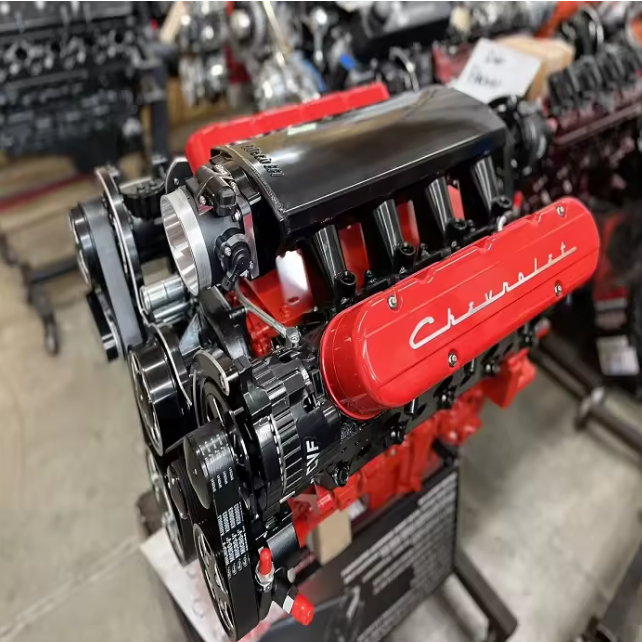
When upgrading or replacing a high-performance V8 engine, choosing the right engine LS is critical for reliability, power output, and long-term value. The best engine LS options today offer modular design, excellent aftermarket support, and superior fuel efficiency compared to older V8 platforms 1. For most buyers, a modern Gen IV or Gen V LS—such as the LS3, LT1, or LS7—is ideal if you prioritize horsepower, compact size, and broad compatibility with both classic muscle cars and custom builds. If you're asking how to choose engine LS wisely, focus first on intended use (street, track, towing), displacement needs, emissions compliance, and whether you need a crate engine or a used rebuildable core.
About Engine LS
The term engine LS refers to a family of General Motors small-block V8 engines introduced in 1997 with the LS1. Known collectively as the LS series, these engines revolutionized performance engineering by combining lightweight aluminum construction, overhead valve (OHV) design, and exceptional strength—even in stock form 2. Over time, GM expanded the line into what enthusiasts now categorize as Gen III, Gen IV, and Gen V (LT) engines.
Common applications include factory installations in Corvettes, Camaros, Silverado trucks, Cadillac CTS-V models, and GTOs. However, their popularity extends far beyond OEM use due to near-universal fitment in restomods, hot rods, kit cars, and even marine or industrial conversions. Because of standardized bellhousing patterns, compact external dimensions, and robust internal components, the engine LS has become the go-to swap for performance upgrades.
Why Engine LS Is Gaining Popularity
The growing preference for engine LS variants stems from several key advantages over traditional big-blocks and earlier small-blocks. One major factor is the balance between power density and serviceability. Modern LS engines can produce over 400 horsepower in naturally aspirated form while fitting in engine bays designed for much smaller motors 3.
Additionally, widespread aftermarket support makes tuning, repairing, and modifying easier than ever. From intake manifolds to ECU programming tools, parts are widely available and relatively affordable. Another reason for rising demand is emissions flexibility—many states allow LS swaps in older vehicles under certain conditions, especially when replacing less efficient engines 4. This regulatory leniency, combined with better fuel economy and lower maintenance costs, continues to drive interest among DIY builders and professional fabricators alike.
Types and Variants
Understanding the different types of engine LS is essential when evaluating options. Below are the primary categories:
Gen III LS (e.g., LS1, LS6)
- Pros: Lightweight, reliable, good power output (300–340 hp), widely available used units.
- Cons: Older design; limited head flow compared to later models; some plastic intake manifolds prone to cracking.
Gen IV LS (e.g., LS3, LQ4, LS7)
- Pros: Improved airflow, higher displacement (up to 7.0L in LS7), variable valve timing (VVT), stronger blocks.
- Cons: Slightly more complex wiring and sensors; VVT requires compatible harnesses for swaps.
Gen V / LT Engines (e.g., LT1, LT4, L86)
- Pros: Direct injection, improved thermal efficiency, enhanced low-end torque, advanced engine management.
- Cons: More expensive; direct injection systems require specialized diagnostics; harder to modify without supporting upgrades.
Crate Engines vs. Used Cores
- Crate Engines: Factory-built, new or remanufactured, often come with warranty and full documentation. Ideal for turnkey projects 5.
- Used Engines: Lower cost but require inspection for wear, oil consumption, and potential damage. Best suited for budget-conscious builds where rebuilding is planned.
Key Features and Specifications to Evaluate
To make an informed decision about which engine LS suits your project, consider the following technical criteria:
- Displacement: Ranges from 4.8L to 7.0L. Larger displacements (like LS3’s 6.2L) deliver more torque and horsepower but may affect weight distribution.
- Material (Aluminum vs. Iron Block): Aluminum blocks reduce overall weight (~100 lbs lighter) but are typically found in car-specific engines. Truck-based LS engines (like LQ4) have iron blocks for durability under load 6.
- Horsepower & Torque Ratings: Factory ratings vary widely—from 290 hp (LQ4) to 505 hp (LS7). Always verify actual output based on condition and calibration.
- Fuel System Type: Port injection (most LS) vs. direct injection (LT engines). Direct injection offers better efficiency but complicates tuning and carbon buildup management.
- ECU Compatibility: Ensure your chosen engine’s control module works with your vehicle’s existing setup or plan to upgrade the harness and tune.
- Emissions Equipment: Some regions require OBD-II compliance, catalytic converters, and EVAP systems. Verify local laws before omitting components.
Pros and Cons
Advantages of Choosing an Engine LS:
- High power-to-weight ratio
- Broad aftermarket support
- Compact footprint fits many chassis
- Durable internals handle forced induction
- Good fuel economy relative to output
Drawbacks to Consider:
- Wiring complexity in non-OEM applications
- Potential cooling and clearance issues in tight engine bays
- Variability in used engine quality
- Cost of complete swap kits (mounts, accessories, tuning)
An engine LS is ideal for performance restoration, street rods, or track-focused vehicles. It's less suitable if you lack mechanical experience, need minimal downtime, or operate in areas with strict emissions enforcement that disallows engine changes.
How to Choose Engine LS
Follow this step-by-step process to select the best engine LS for your needs:
- Define Your Use Case: Will it be daily driven, raced, or show-only? High-revving LS7s suit track use; torque-heavy LQ4s work well in trucks.
- Check Compatibility: Measure engine bay space, firewall clearance, transmission tunnel, and radiator position. Confirm bellhousing pattern matches your desired transmission (typically 6-bolt or 7-bolt).
- Select Generation: Opt for Gen IV if you want a balance of power and simplicity. Choose Gen V only if you need cutting-edge efficiency and have access to proper tuning tools.
- Determine Budget: Include not just the engine cost but also mounts, harness, ECU, cooling system upgrades, and labor.
- Source Reputable Units: Buy from verified suppliers or salvage yards with return policies. Request compression test results and oil analysis if possible.
- Avoid engines with known issues—e.g., LS1 plastic intakes, early LS2 lifter bores, or LT1 DI clogs.
Price & Market Insights
Pricing varies significantly depending on type and condition:
- Used Core Engines: $500–$1,500 (LS1, LS2, LQ4)
- Rebuilt Long Blocks: $2,500–$4,000
- New Crate Engines: $6,000–$15,000+ (e.g., LS3 crate at ~$8,000; LS7 up to $15k) 7
Value-for-money sweet spots include the LS3 and LQ4, which offer strong performance and availability. While newer LT engines promise technological advances, they often come with steeper learning curves and higher repair costs. For most users, spending $7,000–$10,000 on a tested, tuned package delivers optimal ROI.
| Model | Displacement | Horsepower | Block Type | Typical Price Range |
|---|---|---|---|---|
| LS1 | 5.7L | 300–340 hp | Aluminum | $800–$1,800 |
| LQ4 | 6.0L | 300–325 hp | Iron | $1,000–$2,200 |
| LS3 | 6.2L | 430 hp | Aluminum | $7,000–$9,500 (crate) |
| LS7 | 7.0L | 505 hp | Aluminum | $12,000–$15,000 |
| LT1 | 6.2L | 455 hp | Aluminum | $9,000–$13,000 |
Customer Feedback Synthesis
Based on aggregated buyer reviews and forum discussions across platforms like Reddit, LS1Tech, and Summit Racing:
Common Praises:
- "Smooth power delivery and easy tuning with handheld programmers."
- "Fit perfectly in my '67 Chevelle with minor modifications."
- "Even used LS engines last 100k+ miles with basic maintenance."
Frequent Complaints:
- "Wiring harness didn’t match my year model—had to splice and adapt."
- "Found sludge inside after purchase; seller didn’t disclose maintenance history."
- "Direct injection on LT1 caused carbon buildup within 30k miles."
Buyers appreciate reliability and performance but often underestimate the ancillary costs and technical challenges of integration.
Sourcing & Supplier Tips
Where you buy your engine LS matters. Consider these tips:
- Authorized Dealers: Offer warranties and technical support. Brands like Chevrolet Performance sell fully assembled crate engines 8.
- Online Marketplaces: eBay and RockAuto list both new and used units. Scrutinize seller ratings and ask for videos of the engine running.
- Local Salvage Yards: Can provide low-mileage take-outs. Inspect for leaks, rust, and missing components before purchase.
- For Bulk Buyers: Some suppliers offer discounts for multiple engine orders, useful for shops or restoration businesses. Always request certification of origin and mileage verification.
Maintenance, Safety & Legal Considerations
Proper upkeep ensures longevity. Key recommendations:
- Change oil every 3,000–5,000 miles if used in high-stress environments.
- Inspect serpentine belt, water pump, and spark plugs annually.
- Use synthetic oil to protect lifters and bearings, especially in modified engines.
Safety-wise, ensure proper grounding, secure engine mounts, and functioning cooling systems to prevent overheating. Never run an LS engine without a calibrated fan controller or thermostat.
Legally, engine swaps may require smog certification. In California, for example, an LS swap must meet BAR guidelines—typically meaning the engine must be from a same-year or newer vehicle and retain all emissions equipment 9. Other states vary; always consult your DMV or emissions authority before registering a modified vehicle.
Conclusion
Selecting the right engine LS involves balancing performance goals, budget, and technical readiness. Whether you’re searching for what to look for in engine LS configurations or navigating how to choose engine LS for a specific build, prioritize compatibility, condition, and total project cost. Gen IV engines like the LS3 and LQ4 remain top picks for most users due to proven reliability and wide support. Avoid skipping essential steps like ECU tuning or cooling upgrades, even with plug-and-play claims. With careful planning, an engine LS can transform your vehicle into a modern powerhouse with lasting value.
FAQs
- What is the most reliable engine LS?
- The LS3 is widely regarded as one of the most reliable due to its robust aluminum block, high-flow heads, and conservative factory tuning. Many last beyond 150,000 miles with regular maintenance.
- Can I swap an engine LS into any car?
- While highly adaptable, fitment depends on chassis space, transmission compatibility, and wiring. Kits exist for common swaps (e.g., Mustang, Miata, Datsun), but custom fabrication may be needed.
- Do I need a new transmission with an engine LS?
- Not necessarily. The LS uses a standard GM bellhousing pattern and can mate to 4L60E, 4L80E, T56, TR6060, and even manual adapters for older gearboxes.
- Are engine LS models compatible with OBD2 systems?
- Yes, all LS engines from 1996 onward are OBD2-compliant. However, integrating them into non-OBD2 vehicles requires a standalone harness and ECU tuning.
- How much does a full engine LS swap cost?
- Total costs range from $3,000 (basic used engine + DIY labor) to $15,000+ (crate engine, tuning, cooling, and accessories). Labor alone can add $2,000–$4,000 depending on complexity.





 浙公网安备
33010002000092号
浙公网安备
33010002000092号 浙B2-20120091-4