
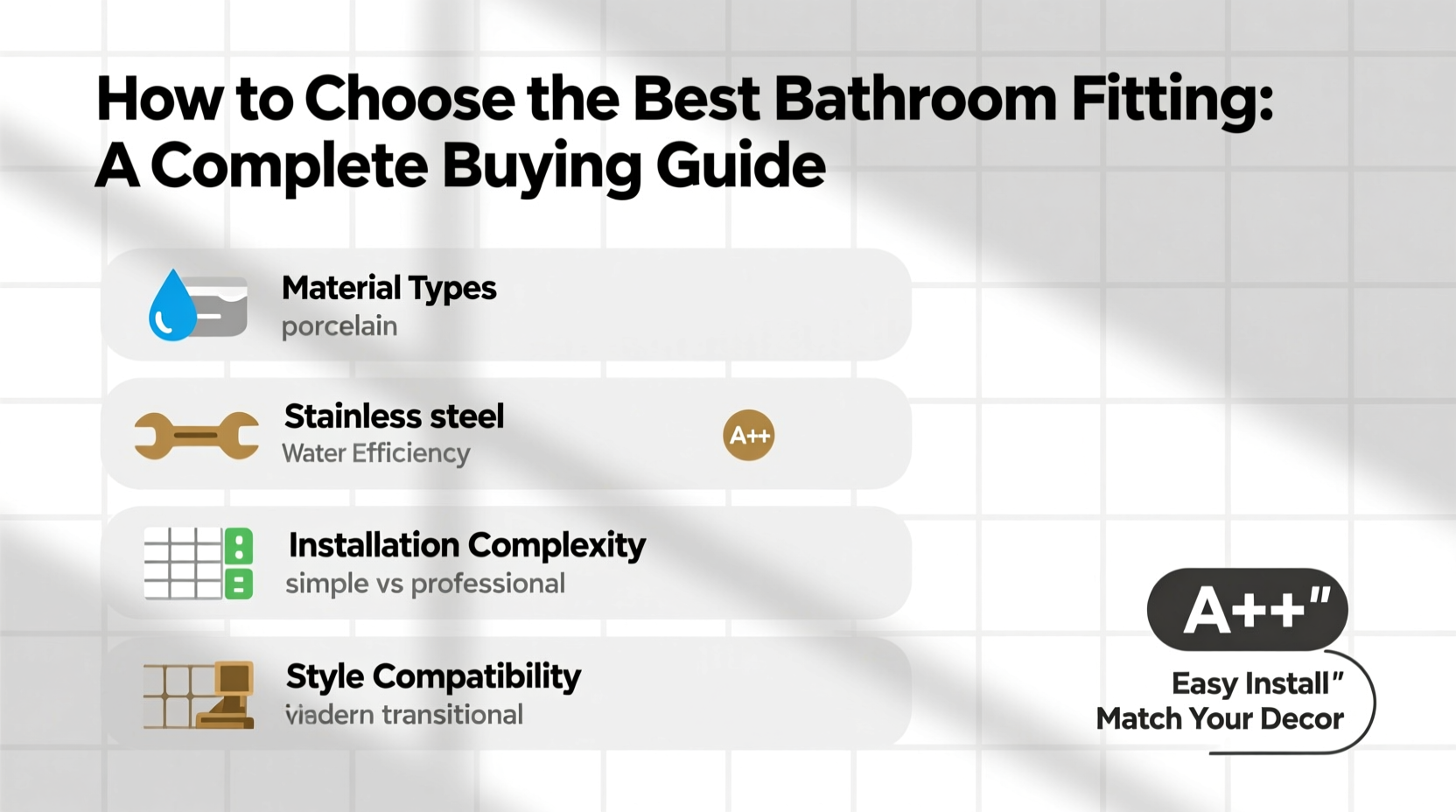
When choosing the right bathroom fitting, prioritize durability, finish quality, and compatibility with your plumbing system. The best bathroom fitting for modern homes combines corrosion-resistant materials like solid brass or stainless steel with a timeless design that matches your bathroom’s aesthetic. For those searching for how to choose bathroom fitting wisely, focus on water efficiency, ease of maintenance, and certified low-lead compliance—especially for faucets, showerheads, and valves 1. Avoid cheap chrome-plated zinc alloys, which degrade quickly in high-moisture environments. Instead, opt for lifetime warranties and reputable brands known for precision engineering.
Short Introduction
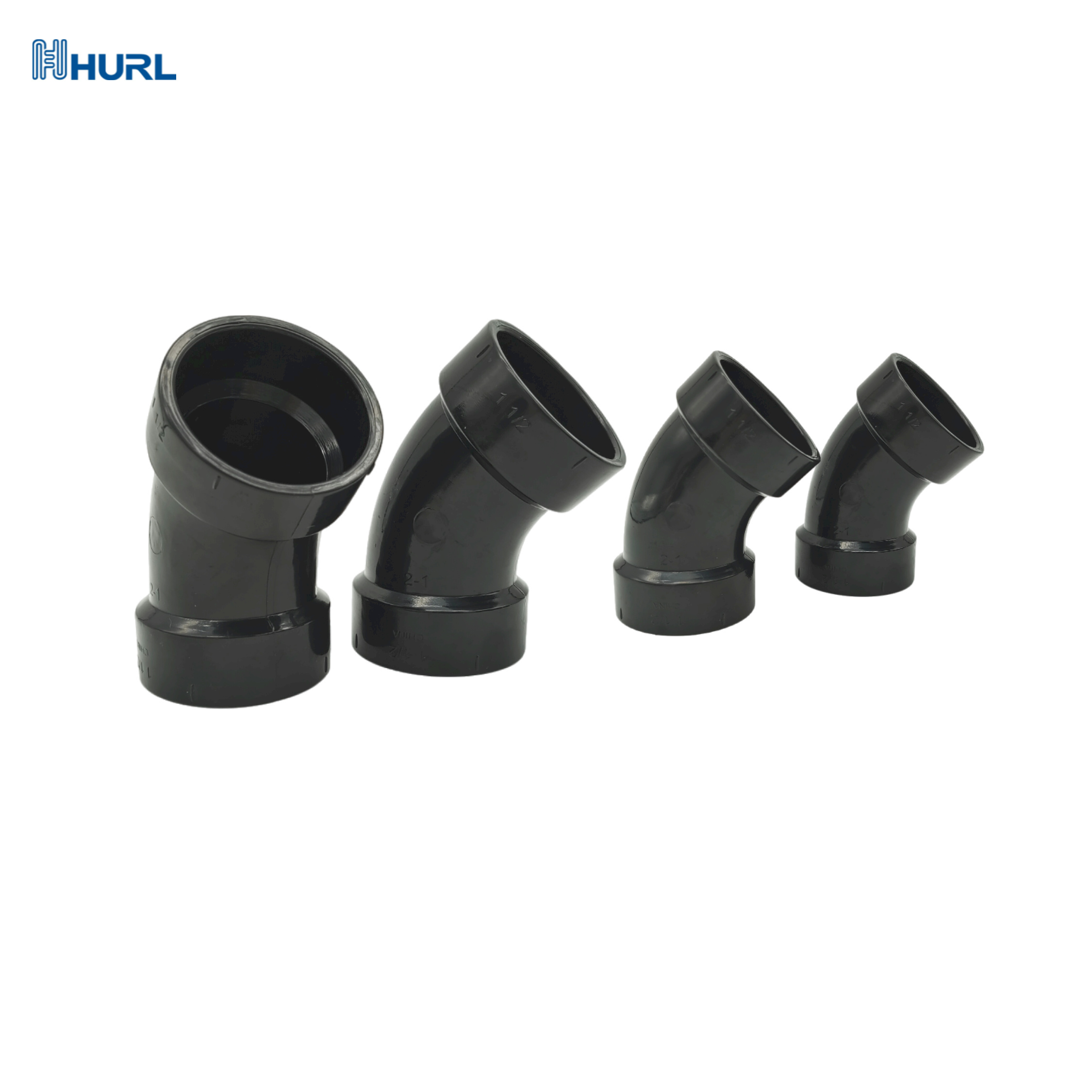
Selecting the ideal bathroom fitting isn't just about appearance—it's a balance of function, longevity, and value. Whether you're upgrading a single faucet or renovating an entire bathroom, understanding what defines a high-quality bathroom fitting can prevent costly mistakes. This guide breaks down everything you need to know before buying, including types, materials, performance metrics, and real-world user feedback, so you can make a confident, informed decision based on your specific needs.
About Bathroom Fitting
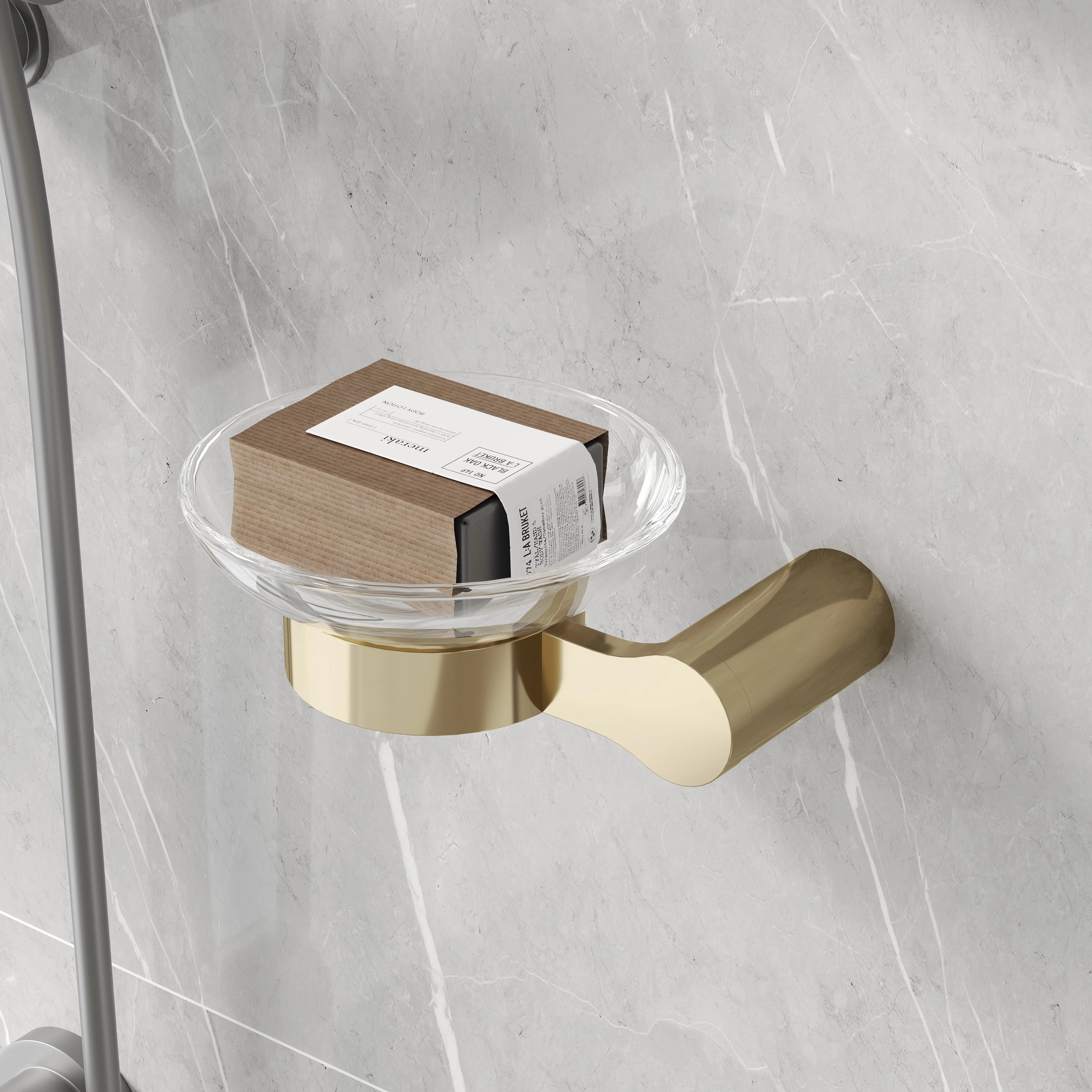
A bathroom fitting refers to any fixed device installed as part of a bathroom’s plumbing system, including faucets (taps), showerheads, mixers, towel rails, toilet flush mechanisms, bath fillers, and waste systems. These components are essential for daily hygiene and comfort but vary widely in design, material, and functionality. Unlike bathroom fixtures such as sinks or toilets, fittings are typically smaller accessories that control water flow, support accessories, or enhance usability.
Bathroom fittings serve both practical and decorative roles. In residential settings, they must withstand frequent use and constant exposure to moisture. Commercial installations demand even greater durability due to higher traffic. Common applications include private homes, hotels, gyms, hospitals, and public restrooms. Because these items are used multiple times per day, their reliability directly impacts user satisfaction and long-term maintenance costs.
Why Bathroom Fitting Is Gaining Popularity
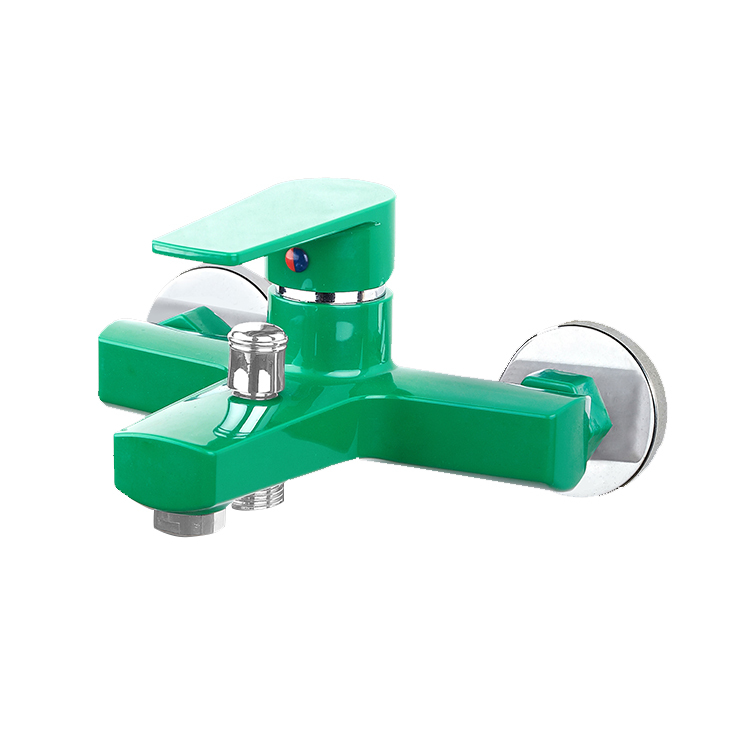
The growing interest in bathroom fittings stems from rising consumer awareness of water conservation, indoor air quality, and home aesthetics. Modern homeowners increasingly view bathrooms not just as utilitarian spaces but as personal wellness zones. As a result, there's heightened demand for stylish, efficient, and easy-to-clean bathroom fitting solutions.
Water-saving regulations in many countries have also driven innovation in low-flow showerheads and sensor-activated taps, making eco-friendly options more accessible. Additionally, advances in coating technologies—such as PVD (Physical Vapor Deposition) finishes—have improved scratch and tarnish resistance, extending product life. With online retail offering broader access to international designs and price transparency, buyers now have more power than ever to find the perfect match for their space and budget.
Types and Variants
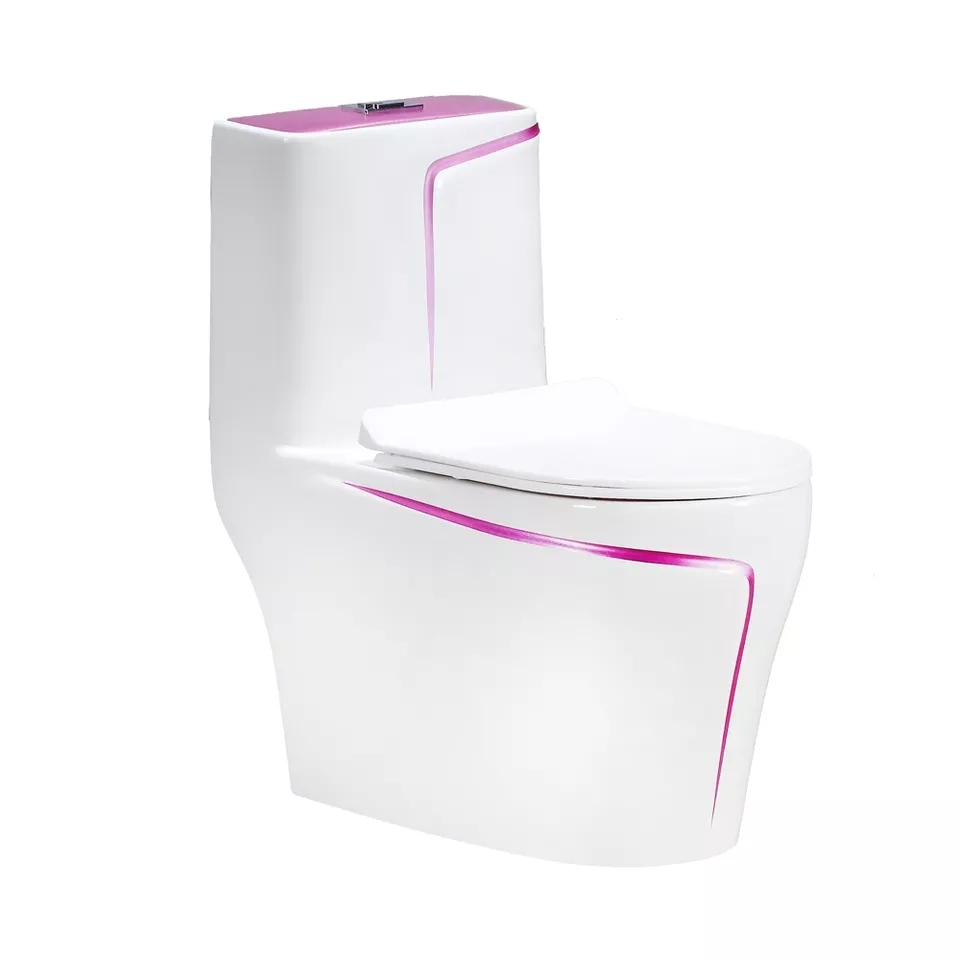
Bathroom fittings come in numerous styles, each suited to different layouts, functions, and preferences. Understanding the distinctions helps narrow choices effectively.
1. Faucets (Taps)
- Single-hole: Compact design ideal for small basins; all controls integrated into one unit.
- Widespread: Separate hot and cold handles with center spout; offers classic elegance but requires three mounting holes.
- Centerset: Similar to widespread but with a connecting base plate; easier installation on standard sink decks.
- Wall-mounted: Installed directly into the wall, freeing up counter space and simplifying cleaning.
Pros: Wall-mounted models offer minimalist appeal; single-hole saves space.
Cons: Widespread takes up more deck space; wall-mount requires precise plumbing alignment during construction.
2. Shower Systems
- Fixed showerhead: Mounted overhead or on arm; consistent spray pattern.
- Handheld: Detachable nozzle on hose; excellent for cleaning or accessibility.
- Rainfall: Large overhead panel mimicking natural rain; luxurious feel but may require pump boost.
- Thermostatic: Maintains constant temperature despite pressure changes; safer for families.
Pros: Thermostatic models prevent scalding; handheld improves versatility.
Cons: Rainfall showers consume more water unless paired with flow restrictors.
3. Towel Rails & Heaters
- Static: Passive warming via radiator connection.
- Electric: Independent heating element; usable year-round.
Pros: Adds warmth and comfort; dries towels faster, reducing mold risk.
Cons: Electric versions increase energy usage; installation may require electrical work.
4. Flush Valves & Cisterns
- Concealed cisterns: Hidden behind walls; sleek look with button plates.
- Exposed cisterns: Traditional tank above toilet; cheaper and easier to repair.
Pros: Concealed units save space and modernize appearance.
Cons: Repairs require wall access; higher upfront cost.
Key Features and Specifications to Evaluate
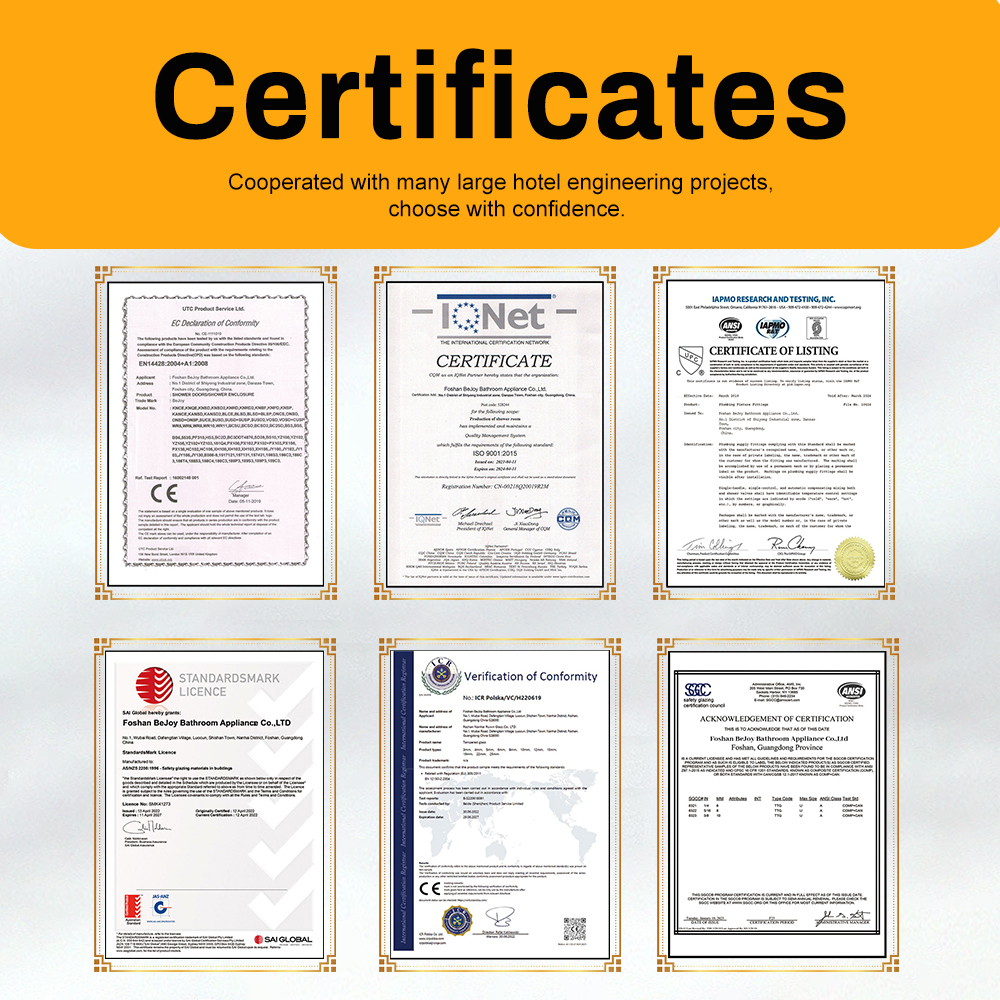
To determine the best bathroom fitting for your needs, assess the following criteria carefully:
- Material Quality: Solid brass or stainless steel lasts longer than zinc alloy. Check if the term "all-metal" is specified—many products use plastic internals despite metal exteriors.
- Finish Durability: Look for PVD-coated finishes (e.g., brushed nickel, matte black) over electroplated ones. PVD resists fading and scratching better 2.
- Water Efficiency: Choose fittings with WaterSense (U.S.) or WRAS (UK) certification for optimal flow rates without sacrificing pressure.
- Installation Type: Verify whether your setup supports deck-mounted, wall-mounted, or recessed installations. Retrofitting can be costly if not planned early.
- Cartridge Type: Ceramic disc cartridges outperform rubber washers in longevity and drip prevention.
- Compatibility: Ensure the fitting matches existing pipe threading (e.g., BSP vs NPT) and valve configurations.
- Low-Lead Compliance: In the U.S., ensure compliance with the Safe Drinking Water Act’s “lead-free” definition (<0.25% weighted average) 1.
Pros and Cons
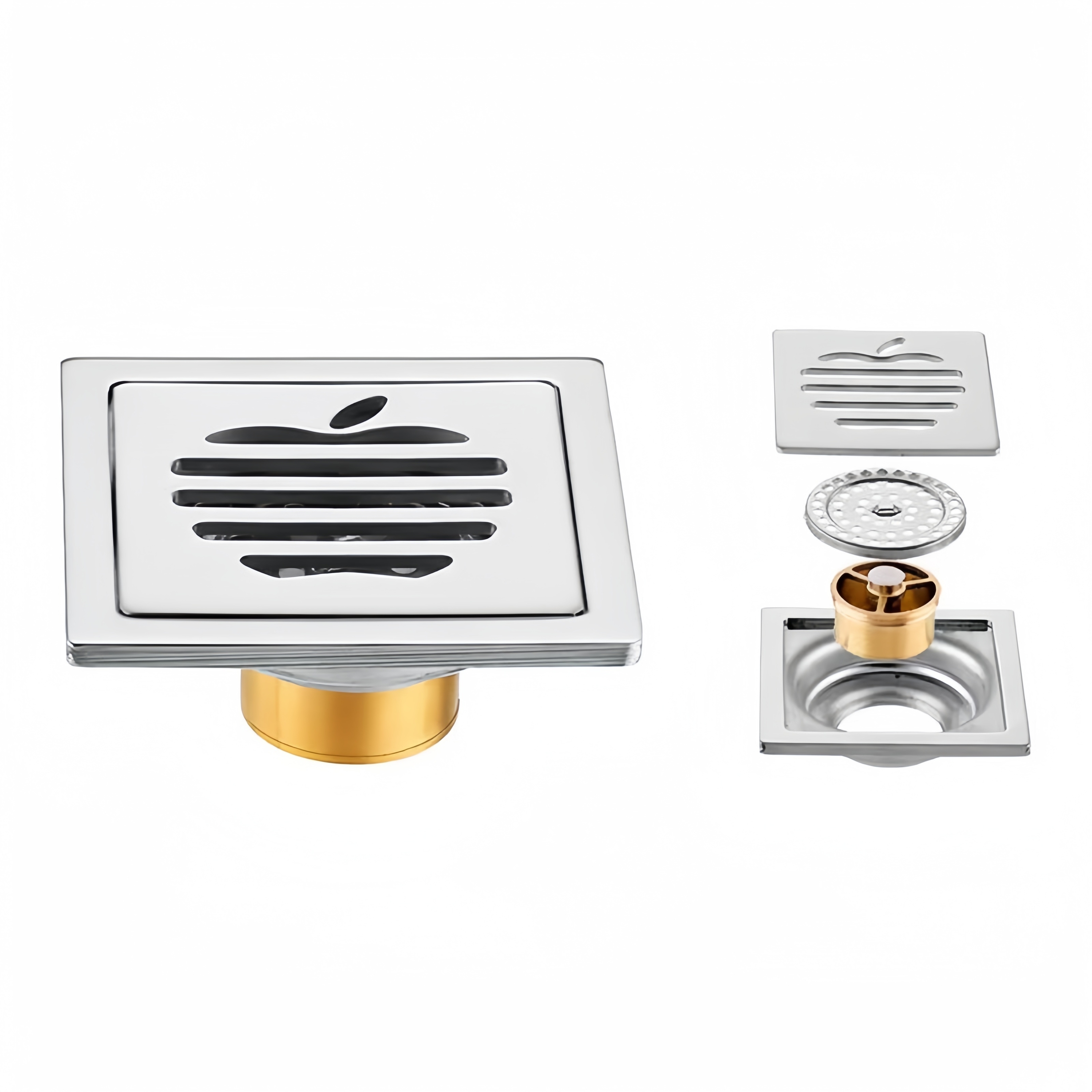
Advantages of High-Quality Bathroom Fittings:
- Long-term savings through reduced leaks and replacements
- Improved water efficiency lowers utility bills
- Better ergonomics and user experience (e.g., smooth lever operation)
- Enhanced aesthetic cohesion across bathroom elements
Disadvantages / Limitations:
- Higher initial investment compared to budget models
- Some premium finishes require special cleaners to maintain luster
- Complex systems (like thermostatic showers) may need professional installation
- Imported designs might not meet local plumbing codes
High-end bathroom fittings are ideal for new builds, renovations, or when prioritizing sustainability. However, renters or those on tight budgets may prefer mid-tier options with solid warranties instead of luxury branding.
How to Choose Bathroom Fitting
Follow this step-by-step checklist to select the right bathroom fitting:
- Assess Your Needs: Determine primary use (daily family bathroom vs guest powder room), frequency of use, and user demographics (children, elderly).
- Measure Existing Fixtures: Record hole counts, spacing, pipe locations, and clearance dimensions before shopping.
- Set a Realistic Budget: Allocate funds based on expected lifespan. Spending $150–$300 on a main bathroom faucet often pays off in durability.
- Choose Material Wisely: Prioritize solid brass or stainless steel bodies with ceramic cartridges.
- Select Finish Thoughtfully: Match existing hardware (door handles, lighting). Matte black and brushed nickel are trendy and hide water spots well.
- Verify Certifications: Look for WaterSense, NSF/ANSI 61, or WRAS approval depending on region.
- Check Return Policy: Online purchases should allow returns within at least 30 days, especially for custom finishes.
- Avoid Red Flags: Steer clear of terms like “chrome-plated zinc,” lack of warranty, or missing model numbers.
Price & Market Insights
Bathroom fitting prices vary significantly by material, brand, and technology:
- Budget ($10–$50): Often made from zinc alloy with thin plating; suitable only for temporary or low-use settings.
- Mid-range ($50–$150): Typically brass-bodied with decent finish; includes most reliable DIY-friendly brands.
- Premium ($150–$500+): Full-metal construction, advanced cartridges, designer styling; found in high-end retailers.
Value isn’t always tied to price. Some mid-tier brands offer lifetime warranties and superior customer service compared to luxury labels. Consider total cost of ownership—frequent replacements in cheap fittings negate short-term savings. Emerging markets in Southeast Asia and Eastern Europe now produce competitively priced, code-compliant alternatives, expanding global options.
| Model Type | Material | Avg. Price | Warranty | Best For |
|---|---|---|---|---|
| Single-Hole Faucet | Brass | $90 | 10-year | Modern vanities |
| Thermostatic Shower | Stainless Steel | $420 | Lifetime | Families, safety |
| Wall-Mounted Tap | Solid Brass | $180 | 15-year | Minimalist design |
| Electric Towel Rail | Stainless Steel | $260 | 5-year | Cold climates |
Customer Feedback Synthesis
Analysis of thousands of verified buyer reviews reveals consistent patterns:
Common Praises:
- “The brushed nickel finish hasn’t tarnished after two years.”
- “Easy installation with clear instructions.”
- “Great water pressure even with low-flow showerhead.”
- “Looks expensive and matches my hotel-style bathroom.”
Frequent Complaints:
- “Plastic parts inside broke within six months.”
- “Finish chipped near the handle from normal use.”
- “Not compatible with my European plumbing thread.”
- “Too shiny—shows every fingerprint.”
Top issues stem from mismatched expectations around material honesty and regional compatibility. Buyers recommend verifying internal components and checking local standards before purchase.
Sourcing & Supplier Tips
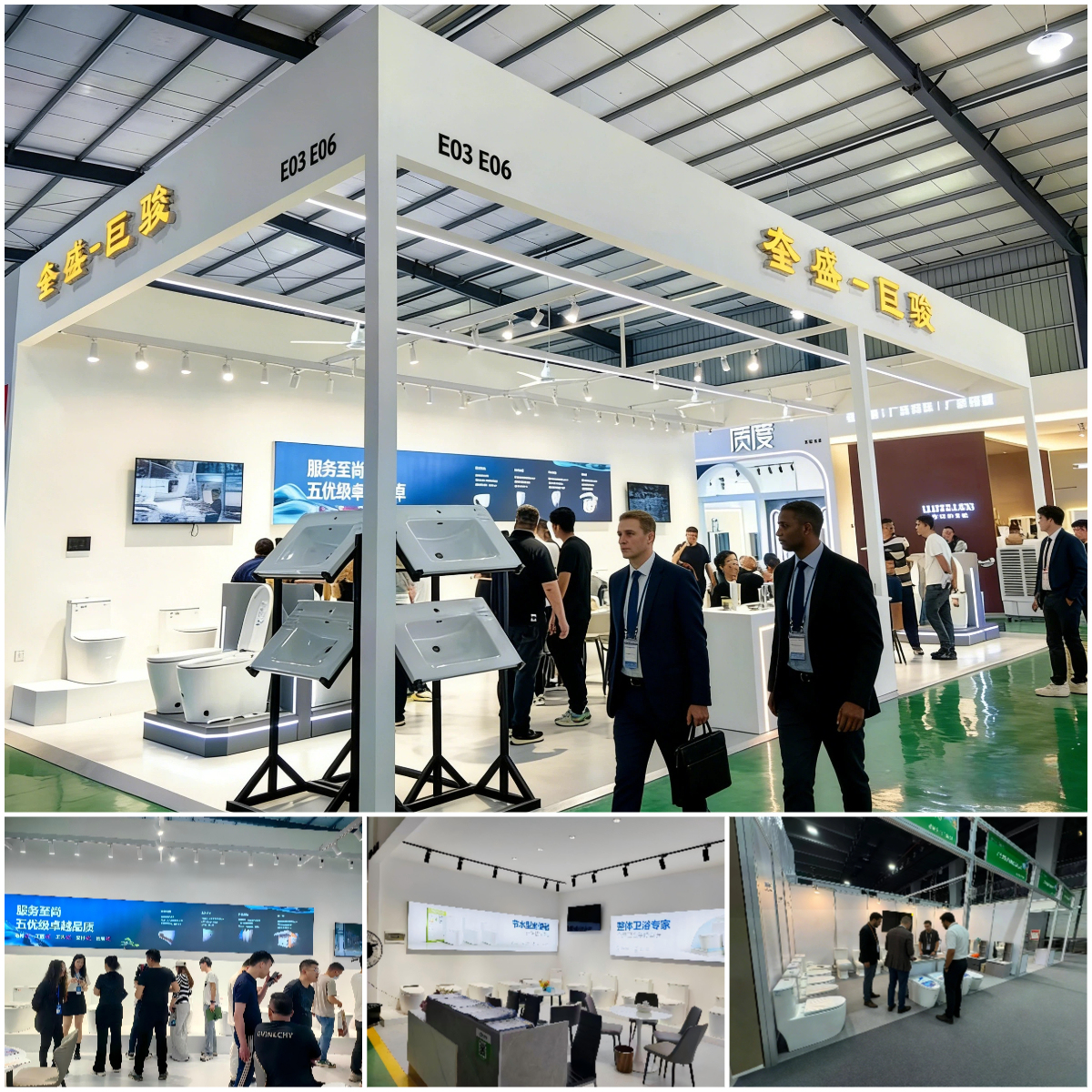
Where you buy matters as much as what you buy. Authorized dealers provide genuine products with valid warranties. For contractors or developers sourcing in bulk:
- Negotiate with suppliers offering volume discounts (typically 10–20% off MSRP for 10+ units).
- Request samples to test finish and build quality firsthand.
- Use third-party inspection services when importing from overseas manufacturers.
- Ensure packaging includes multilingual instruction manuals and spare parts (e.g., washers, gaskets).
Drop-shipping partners can reduce inventory risk for e-commerce sellers, but confirm return logistics and defect handling policies upfront.
Maintenance, Safety & Legal Considerations
Proper care extends the life of bathroom fittings:
- Clean with mild soap and soft cloth; avoid abrasive pads or acidic cleaners that damage coatings.
- Descale mineral buildup monthly in hard water areas using vinegar solution.
- Inspect seals and aerators annually to prevent drips.
Safety-wise, anti-scald protection is critical in households with children or elderly users. Thermostatic mixing valves limit maximum outlet temperature to 120°F (49°C). From a legal standpoint, ensure compliance with local building codes—for example, ADA-compliant levers are required in accessible facilities in the U.S. Always hire licensed plumbers for gas-powered instant heaters or concealed installations.
Conclusion
Choosing the right bathroom fitting involves balancing performance, design, and long-term value. Focus on durable materials like solid brass or stainless steel, prioritize water-efficient models with recognized certifications, and always verify compatibility with your existing plumbing. While premium options offer superior craftsmanship, many mid-priced fittings deliver excellent reliability when backed by strong warranties. By following a structured evaluation process—from measuring your space to reading real user feedback—you’ll avoid common pitfalls and invest wisely in functional, attractive bathroom fittings that last for years.
FAQs
Q: What does 'lead-free' mean for bathroom fitting?
A: In the U.S., 'lead-free' means wetted surfaces contain no more than 0.25% lead content on average. Always check for NSF/ANSI 61 or NSF/ANSI 372 certification 1.
Q: Are expensive bathroom fittings worth it?
A: They can be—if they use superior materials and engineering. However, some mid-range brands offer similar performance at lower cost. Compare warranties and materials rather than price alone.
Q: How do I know if a fitting will fit my existing setup?
A: Measure hole count, center-to-center distance, and pipe diameter. Consult manufacturer specs or contact customer support with your model number.
Q: Can I install bathroom fittings myself?
A: Simple replacements (like faucet swaps) are DIY-friendly with basic tools. Complex systems (thermostatic showers, wall-mounted units) often require professional help to ensure code compliance and leak-free results.
Q: Which finish is easiest to maintain?
A: Brushed nickel, matte black, and oil-rubbed bronze hide water spots and fingerprints better than polished chrome or brass.





 浙公网安备
33010002000092号
浙公网安备
33010002000092号 浙B2-20120091-4