
When learning how to choose batik fabric, focus on the production method—hand-drawn batik tulis offers superior detail and authenticity compared to stamped batik cap or printed imitations 1. Look for 100% natural fibers like cotton or silk, vibrant colorfast dyes, and consistent wax crackle patterns. For cultural authenticity and long-term value, prioritize artisan-made pieces from Indonesia, Malaysia, or Nigeria. Avoid synthetics and mass-produced knockoffs if you're seeking genuine, wearable art. Understanding these key factors will help you make a confident, informed purchase whether you're buying for fashion, gifting, or collection.
Short Introduction
Batik is more than just patterned fabric—it's a centuries-old resist-dyeing technique that produces intricate, symbolic designs using wax and dye. When you're trying to decide how to choose batik, it's essential to understand both its cultural roots and material qualities. The best batik fabrics balance craftsmanship, durability, and aesthetic depth. Whether used in clothing, home décor, or artistic expression, selecting the right piece depends on identifying authentic methods, suitable materials, and reputable sources. This guide breaks down everything you need to know before buying, so you can avoid common pitfalls and invest wisely.
About Batik
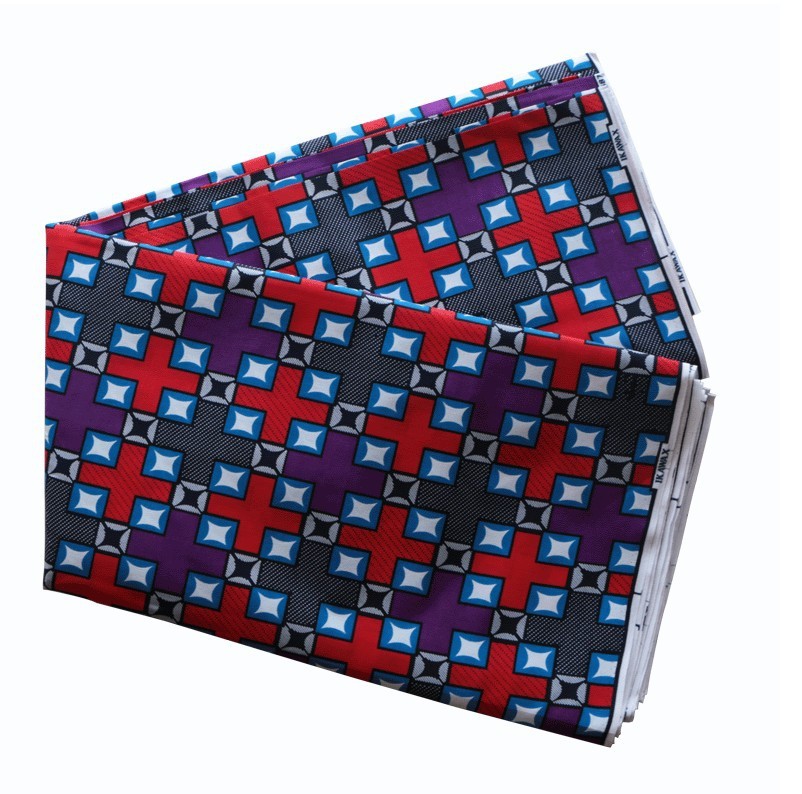
Batik refers to a traditional textile art form where hot wax is applied to fabric in specific patterns before dyeing. The wax resists the dye, creating contrasting colors when removed. Originating in Java, Indonesia, the technique has spread across Southeast Asia, Africa, and beyond, adapting to local styles and materials 2. Today, batik is used in everything from formal wear and casual fashion to wall hangings and quilting projects.
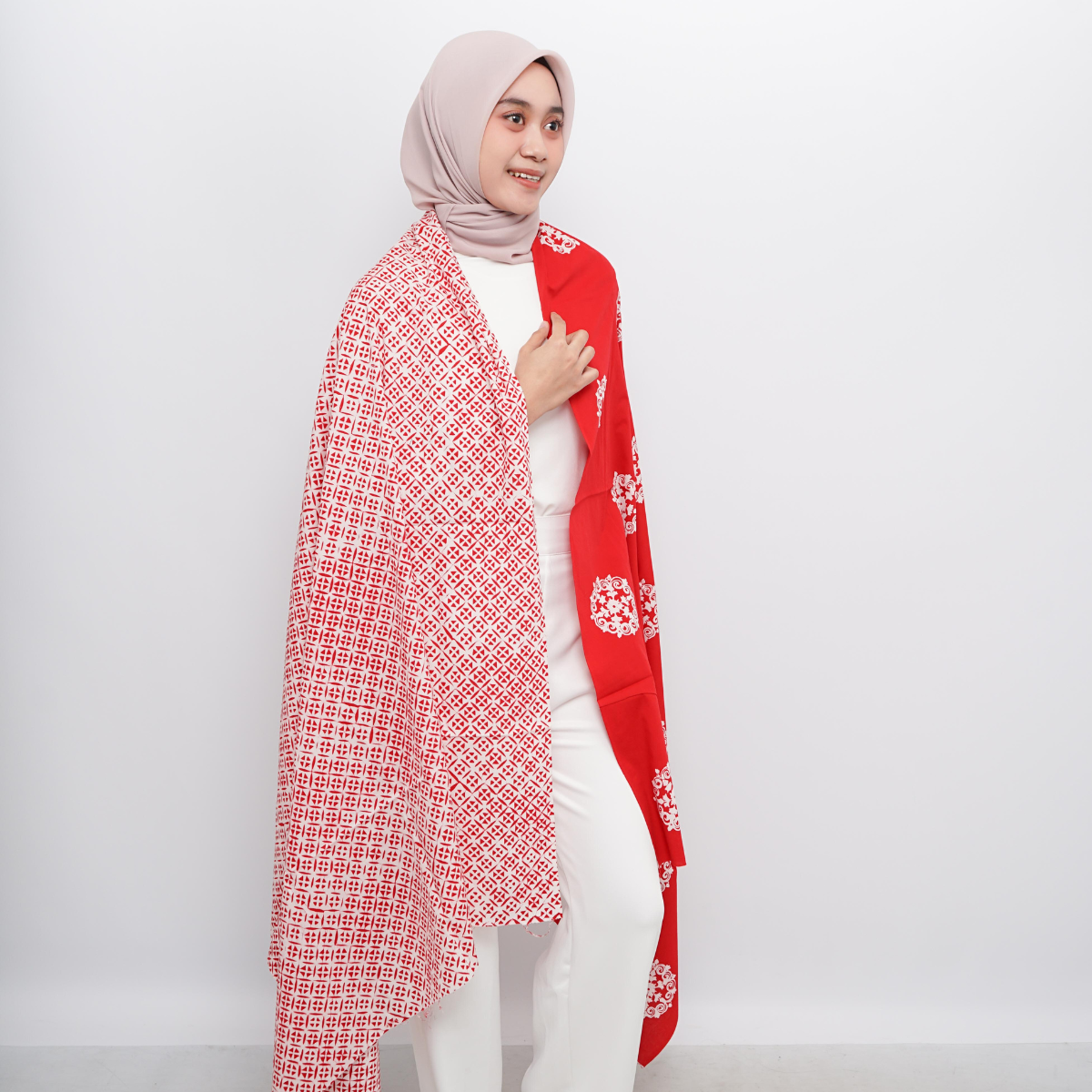
There are two primary applications: apparel (such as dresses, shirts, and sarongs) and decorative textiles (like table runners or framed art). Because of its handcrafted nature, no two batik pieces are exactly alike—each carries subtle variations that reflect the artist’s touch. This makes it ideal for individuals seeking unique, expressive garments or meaningful gifts.
Why Batik Is Gaining Popularity
In recent years, global interest in sustainable, ethically made fashion has driven renewed demand for authentic batik. Consumers are increasingly valuing slow fashion over fast trends, and batik fits perfectly within this movement. Its labor-intensive process supports small artisans and preserves cultural heritage, appealing to socially conscious buyers.
Fashion designers have also embraced batik for its visual richness and versatility. From high-end runway collections to boutique resort wear, batik prints add elegance and cultural narrative. Additionally, digital platforms and e-commerce marketplaces have made it easier than ever to access genuine batik from regions like Yogyakarta, Solo, or Lagos, increasing visibility and appreciation worldwide.
Types and Variants
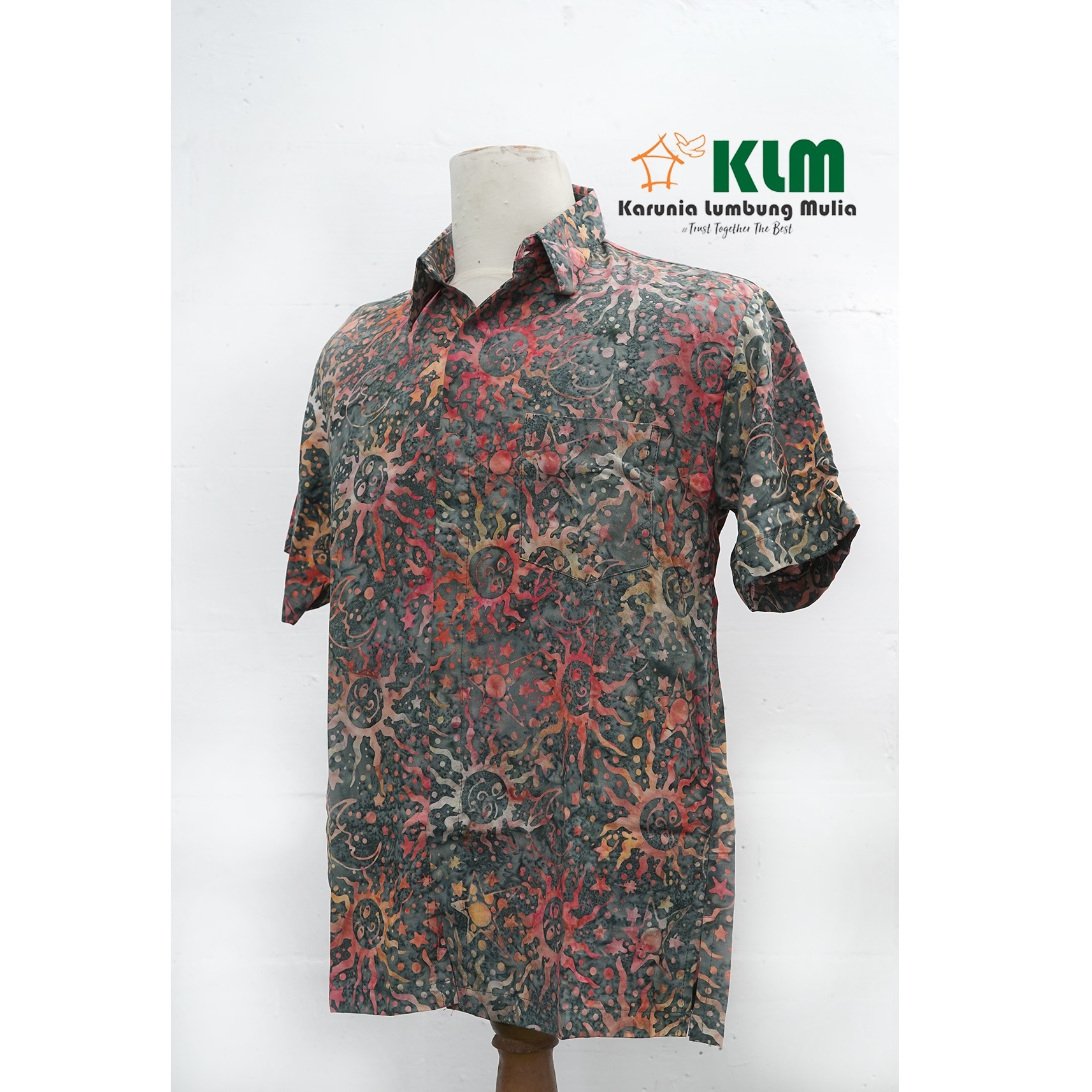
Not all batik is created equal. There are three main types based on production method:
1. Batik Tulis (Hand-Drawn)
Made by drawing molten wax onto fabric using a tool called a canting, this is the most authentic and time-consuming form. Each piece can take days or weeks to complete.
- Pros: Exceptional detail, one-of-a-kind designs, highest collectible value.
- Cons: Expensive (often $100+ per yard), limited availability, fragile if not cared for properly.
2. Batik Cap (Stamped)
Uses copper stamps (cap) to apply wax quickly and repeatedly. Faster than tulis, but still considered traditional.
- Pros: More affordable ($30–$70/yard), consistent patterns, retains cultural authenticity.
- Cons: Less unique; visible repetition in motifs; lower resale value than tulis.
3. Printed or Imitation Batik
Mass-produced using screen printing or digital printing to mimic real batik patterns. No wax-resist process involved.
- Pros: Very cheap ($5–$20/yard), widely available, durable for casual use.
- Cons: Lacks depth and texture; often printed on polyester; not culturally authentic.
For those asking what to look for in batik, always verify the production method. Labels may say “batik,” but only true wax-resist qualifies as genuine.
Key Features and Specifications to Evaluate
To evaluate batik effectively, consider the following criteria:
Fabric Base Material
The foundation matters. Authentic batik is typically made from 100% cotton or silk. Cotton absorbs dye well and feels breathable; silk enhances luster and drape but requires delicate care. Avoid blends with polyester—they don’t hold wax well and reduce absorbency.
Dye Quality and Color Fastness
High-quality batik uses natural or high-grade synthetic dyes that resist fading. To test at home, lightly dampen a corner and press with a white cloth—no bleeding should occur. Natural dyes (like indigo or morinda) offer earthy tones and age beautifully.
Wax Application and Crackle Pattern
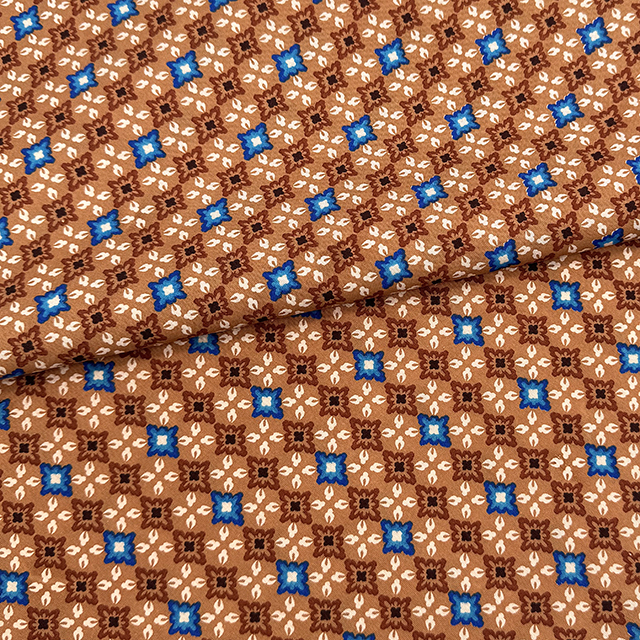
Look for fine, intentional crackle lines (called cracking) where dye seeped under the wax. These are signs of handwork and depth. Uniform, machine-like patterns suggest printing.
Reverse Side Inspection
True batik shows dye penetration on both sides, though the back may be slightly softer. If only one side has color, it’s likely printed.
Design Origin and Cultural Significance
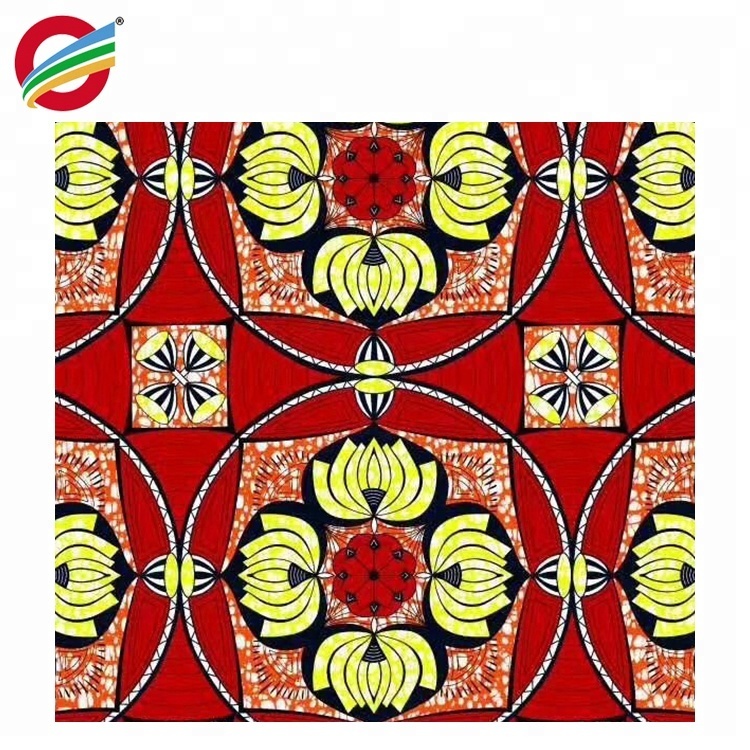
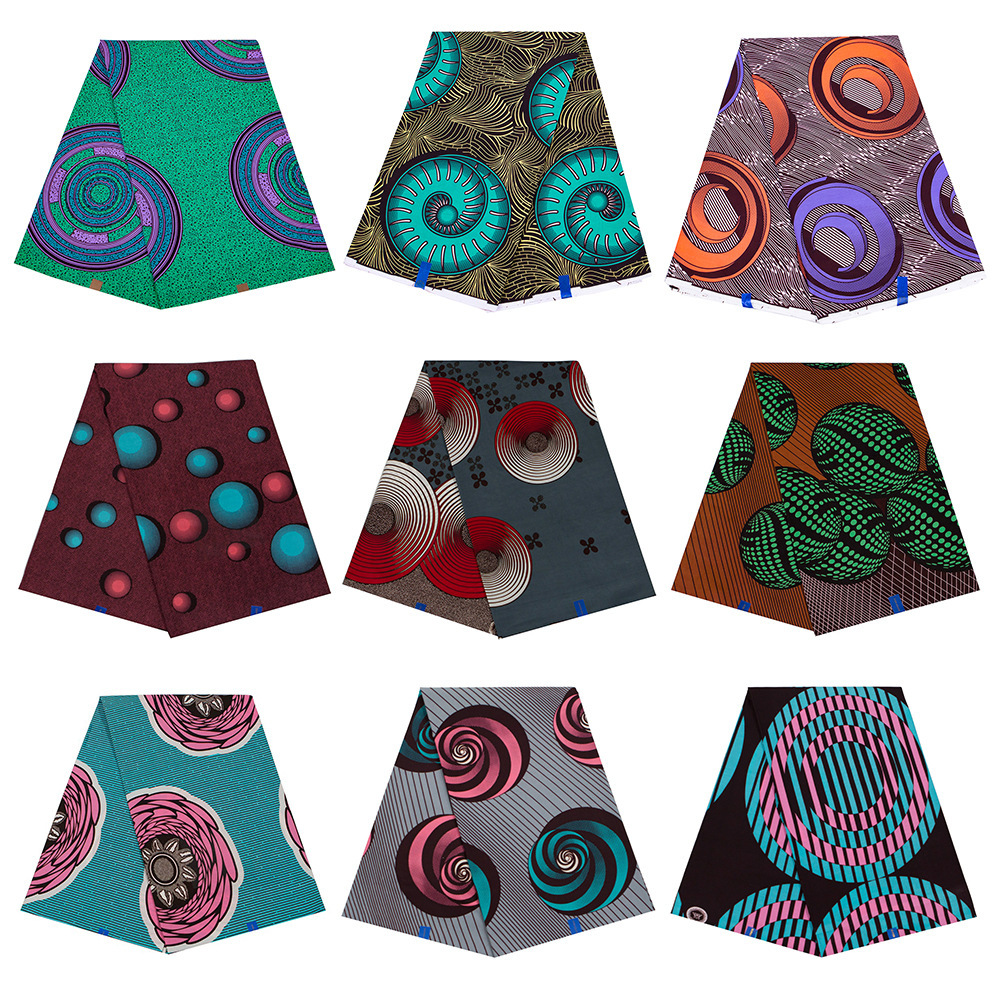
Traditional Javanese batik often features symbolic motifs like parang (protection) or kawung (perfection). African batik, especially from Nigeria, incorporates bolder geometric shapes and brighter palettes. Knowing the meaning behind patterns adds emotional and educational value.
Pros and Cons
When Batik Is Ideal:
- You want a unique, handcrafted garment or artwork.
- You support ethical, small-scale artisans.
- You appreciate cultural storytelling through design.
- You’re investing in heirloom-quality textiles.
When Batik May Not Be Right:
- You need low-maintenance, machine-washable fabrics daily.
- Your budget is under $30 and you expect authenticity.
- You’re sensitive to irregularities—real batik includes slight flaws.
- You plan heavy outdoor use; prolonged sun exposure fades dyes.
How to Choose Batik
Follow this step-by-step checklist when shopping:
- Determine your purpose: Is it for wearing, decorating, or collecting? Clothing demands softness and durability; art pieces prioritize detail.
- Verify the technique: Ask sellers whether it’s batik tulis, cap, or printed. Reputable vendors disclose this clearly.
- Check fiber content: Opt for 100% cotton or silk. Read labels carefully—even “premium” batik may contain rayon or polyester blends.
- Inspect both sides: Flip the fabric. Real batik looks good front and back.
- Examine the wax cracks: Fine, spiderweb-like lines indicate skilled work. Large, uneven cracks may signal rushed processing.
- Assess color depth: Rich, layered hues suggest multiple dye baths—a hallmark of quality.
- Review seller reputation: Buy from established craft cooperatives, cultural centers, or verified online shops with return policies.
- Avoid red flags: Prices that seem too good to be true, vague descriptions like “inspired by batik,” or lack of origin information.
Price & Market Insights
Pricing varies significantly based on method and origin:
- Hand-drawn batik tulis: $80–$200+ per meter, depending on complexity and artist.
- Stamped batik cap: $30–$70 per meter.
- Printed imitations: As low as $5–$20 per meter.
Prices are higher in Western countries due to import costs and markup. However, purchasing directly from artisan markets in Indonesia or Ghana can save 30–50%. That said, ensure shipping and customs compliance. For best value, mid-range batik cap offers authenticity without luxury pricing. Consider it a smart entry point for first-time buyers.
| Type | Avg. Price/Meter | Authenticity Level | Best For |
|---|---|---|---|
| Hand-Drawn (Tulis) | $100–$200+ | ★★★★★ | Collectors, special occasions |
| Stamped (Cap) | $30–$70 | ★★★★☆ | Everyday wear, gifts |
| Printed (Imitation) | $5–$20 | ★☆☆☆☆ | Craft projects, temporary decor |
Top-Seller & Competitive Analysis
Popular batik brands and suppliers include Batik Keris (Malaysia), Dunia Batik (Indonesia), and Sashiko Supply Co. (US distributor). While none dominate globally, customer reviews consistently praise pieces with clear provenance and transparency about production.
Top-selling items tend to be pre-garments (e.g., ready-to-wear dresses or shirts) made from batik cap on cotton voile—lightweight, comfortable, and priced between $60–$120. Buyers appreciate ease of styling and cultural flair without requiring tailoring.
Less successful products include polyester blends marketed as “wash-and-wear batik.” Despite convenience, they receive criticism for poor breathability and inauthentic appearance under close inspection.
Customer Feedback Synthesis
Analyzing hundreds of verified buyer reviews reveals recurring themes:
Common Praises:
- “The detail is stunning—I love seeing the wax cracks up close.”
- “Feels like I’m wearing a piece of art.”
- “Received so many compliments at the event.”
- “Supporting artisans feels meaningful.”
Common Complaints:
- “Faded after two washes—must hand wash only.”
- “Thought it was handmade, but the pattern repeats every few inches.”
- “Too stiff for a shirt; better suited as wall art.”
- “No care instructions included.”
These insights highlight the importance of setting proper expectations around maintenance and authenticity.
Sourcing & Supplier Tips
If buying locally, visit cultural festivals, ethnic boutiques, or museum gift shops specializing in Southeast Asian or African art. Online, prioritize sellers who provide photos of the reverse side, specify fiber content, and list country of origin.
For bulk purchases (e.g., for designers or retailers), contact cooperatives like Kampung Batik Laweyan in Surakarta or Nigerian Craft Council members. Many accept wholesale orders with MOQs starting at 10–20 meters. Always request fabric swatches before committing.
To verify authenticity, ask for a video of the wax application process or certification from national craft bodies. Also, confirm return policies—especially for international shipments.
Maintenance, Safety & Legal Considerations
Proper care extends batik’s life. Always hand wash in cold water with mild detergent; never bleach. Dry flat away from direct sunlight. Iron inside out on low heat—wax residues can melt under high temperatures.
Some older batik pieces may use lead-based dyes (rare today); if uncertain, especially with vintage items, request lab testing or assume caution for children’s clothing.
Legally, authentic Indonesian batik is protected under geographical indication laws. Products labeled “Solo Batik” or “Yogyakarta Batik” must originate there. While enforcement varies internationally, legitimate sellers respect these designations.
Conclusion
Choosing the right batik involves balancing authenticity, budget, and intended use. Hand-drawn batik tulis offers unmatched artistry but comes at a premium. Stamped batik cap provides a practical middle ground for everyday elegance. Printed versions serve budget-conscious needs but lack soul. Prioritize natural fibers, inspect both sides of the fabric, and buy from transparent, ethical sources. By understanding how to choose batik wisely, you gain not just a textile—but a story woven in wax and dye.
FAQs
How can I tell if batik is handmade?
Look for slight imperfections, detailed crackle patterns, and design variation. True handmade batik won’t have perfectly repeating motifs.
Is batik fabric washable?
Yes, but gently. Hand wash in cold water and avoid wringing. Machine washing risks damaging fibers and fading colors.
What’s the difference between batik and tie-dye?
Batik uses wax as a resist; tie-dye uses physical binding (tying). Batik allows for precise, intricate designs; tie-dye creates organic, flowing patterns.
Can batik be worn outside cultural contexts?
Yes, respectfully. Wearing batik as fashion is widely accepted, especially when supporting authentic makers and avoiding sacred or ceremonial patterns.
Where is the best place to buy authentic batik?
Directly from artisan villages in Indonesia (e.g., Yogyakarta), reputable online stores with origin documentation, or certified cultural retailers.





 浙公网安备
33010002000092号
浙公网安备
33010002000092号 浙B2-20120091-4