
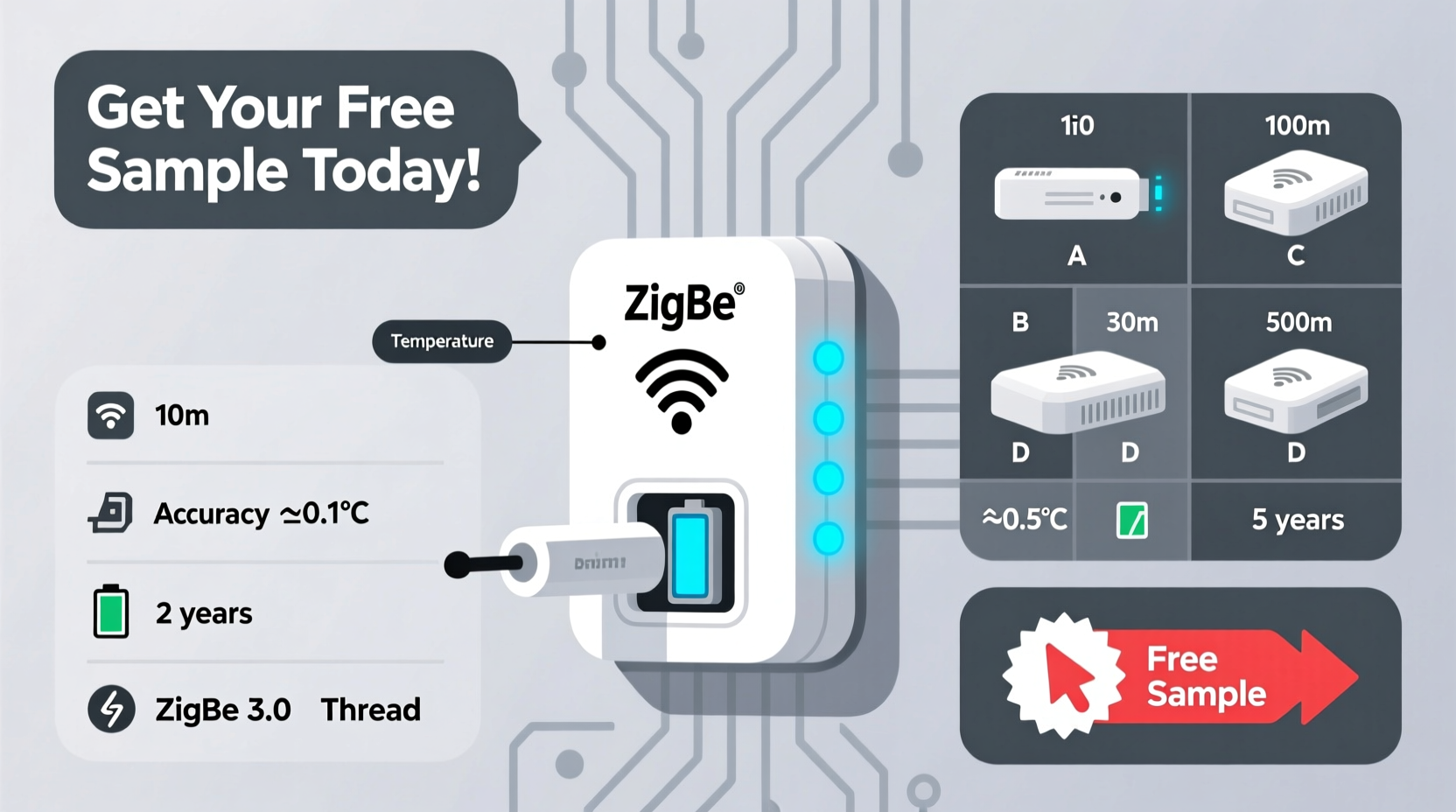
When selecting a zigbee temperature sensor that comes with a free sample, focus on compatibility with your existing smart home ecosystem, accuracy (±0.3°C or better), battery life (2+ years), and support for mesh networking. Look for models offering humidity sensing, local data storage, and easy pairing via standard protocols like Zigbee 3.0. A reliable option often includes a free sample trial from reputable suppliers to test performance before bulk purchase 1. Avoid devices without OTA update support or poor app integration. For most users, the ideal choice balances precision, connectivity stability, and long-term reliability—especially if integrating into automation routines.
About Zigbee Temperature Sensor Free Sample
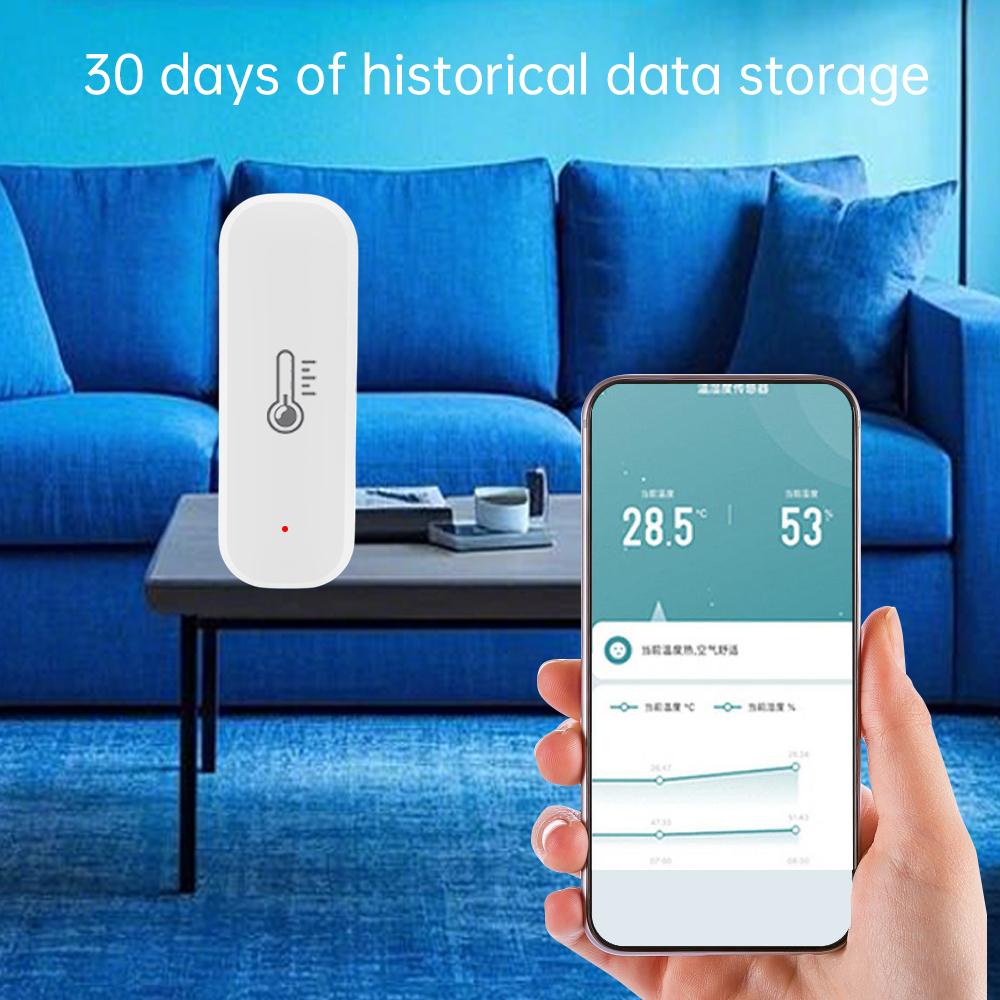
A zigbee temperature sensor with free sample refers to a wireless device that measures ambient temperature and transmits data using the Zigbee communication protocol, typically used in smart homes and industrial monitoring systems. These sensors operate on low power, enabling extended battery life, and can form mesh networks to extend signal range across large areas. The term “free sample” usually applies in B2B or wholesale contexts, where manufacturers or suppliers offer one unit at no cost to evaluate performance, build trust, or demonstrate compatibility before placing larger orders.
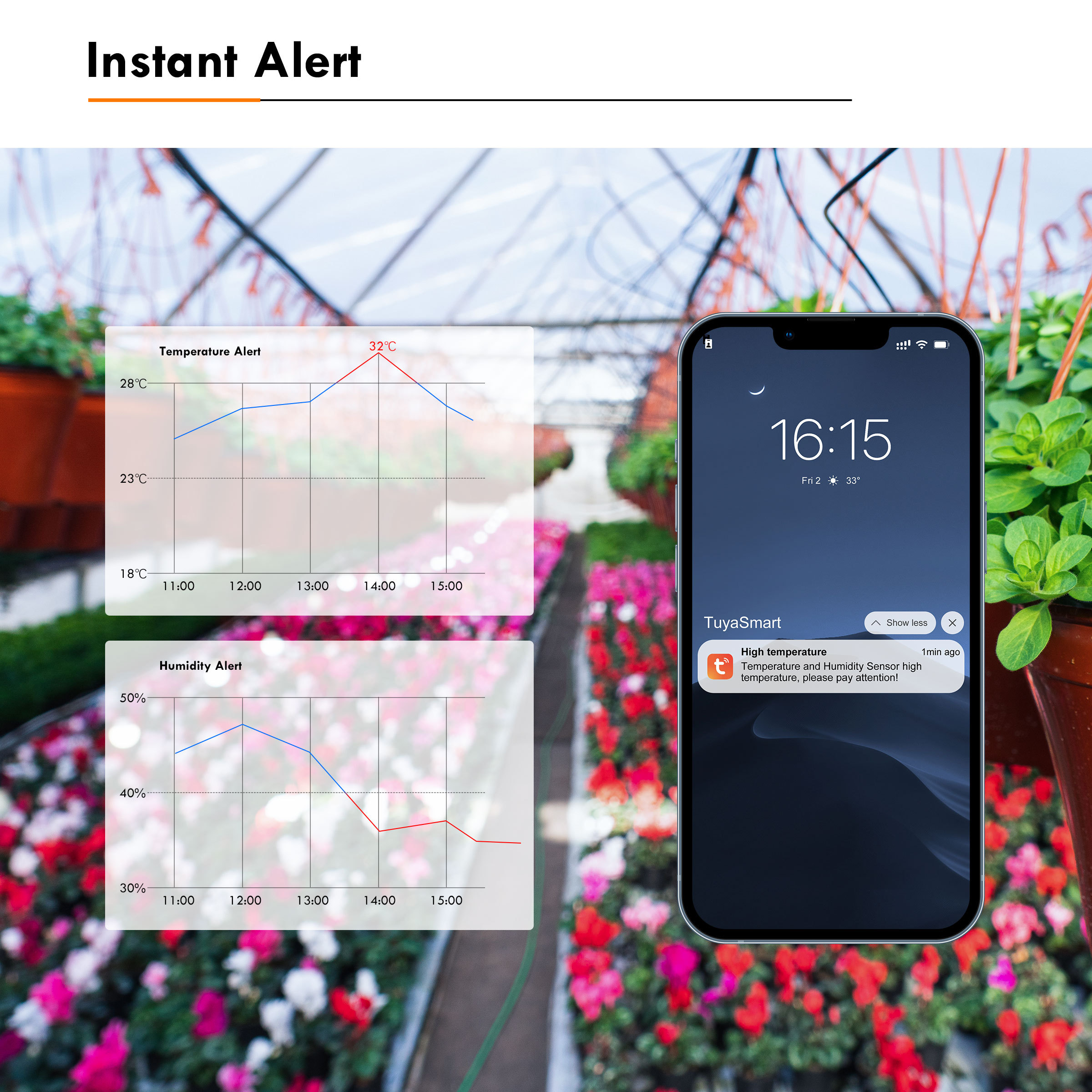
These sensors are commonly deployed in HVAC optimization, cold chain logistics, greenhouse monitoring, and residential climate control. When vendors offer a free sample of a zigbee-enabled temperature sensor, it allows potential buyers—especially integrators, developers, or procurement managers—to assess real-world accuracy, responsiveness, setup complexity, and integration ease with platforms like Amazon Alexa, Samsung SmartThings, or Home Assistant.
Why Zigbee Temperature Sensor Free Sample Is Gaining Popularity
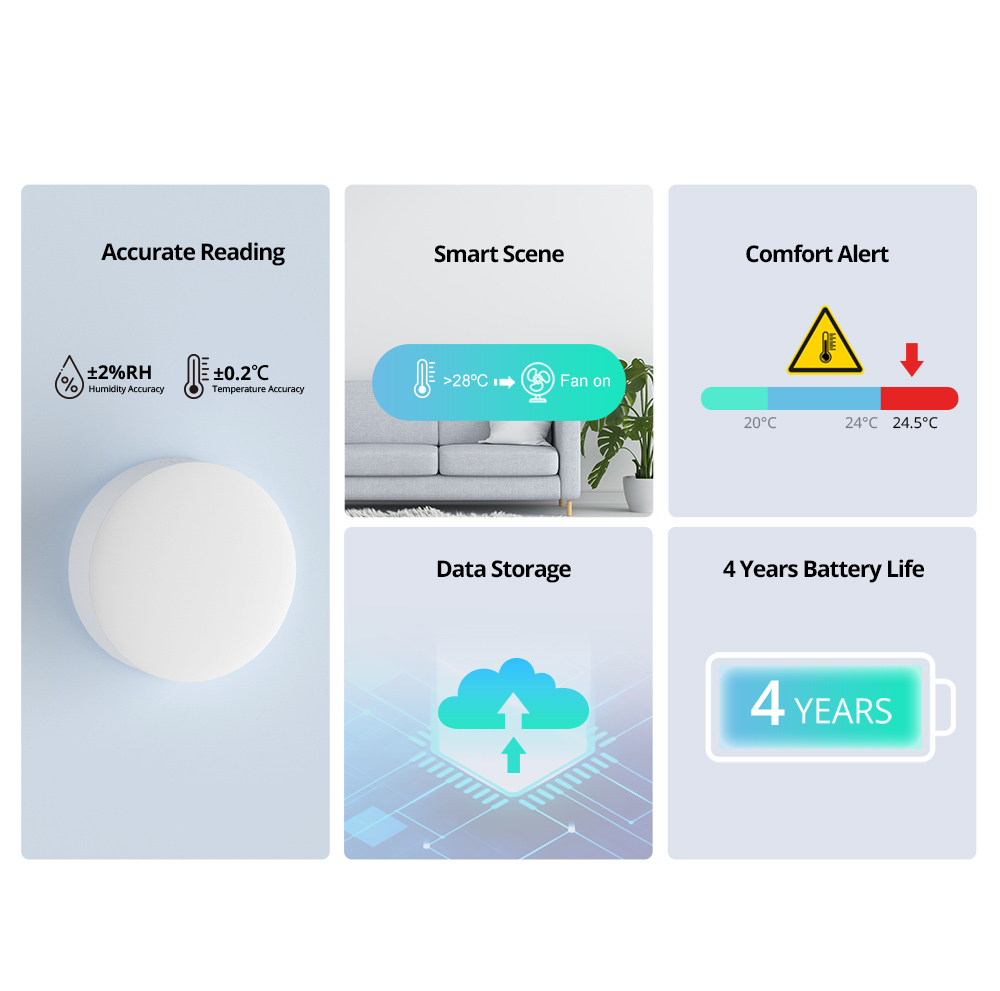
The growing interest in how to get a zigbee temperature sensor with free sample reflects broader trends in smart building automation and IoT adoption. As more homeowners and businesses seek energy-efficient solutions, precise environmental monitoring has become essential. Zigbee’s low-power, secure, and self-healing mesh network capabilities make it ideal for distributed sensing applications.
Additionally, suppliers increasingly use free samples as a customer acquisition strategy. Offering a complimentary zigbee temperature sensor sample reduces buyer hesitation, especially when comparing competing products with similar specs. This is particularly valuable for developers testing firmware compatibility or system integrators validating interoperability within complex installations.
Another driver is the rise of DIY smart home projects. Enthusiasts searching for where to find zigbee temperature sensor free sample want to verify claims about range, battery life, and app usability before investing in multiple units. Free samples lower the barrier to entry and encourage wider experimentation.
Types and Variants
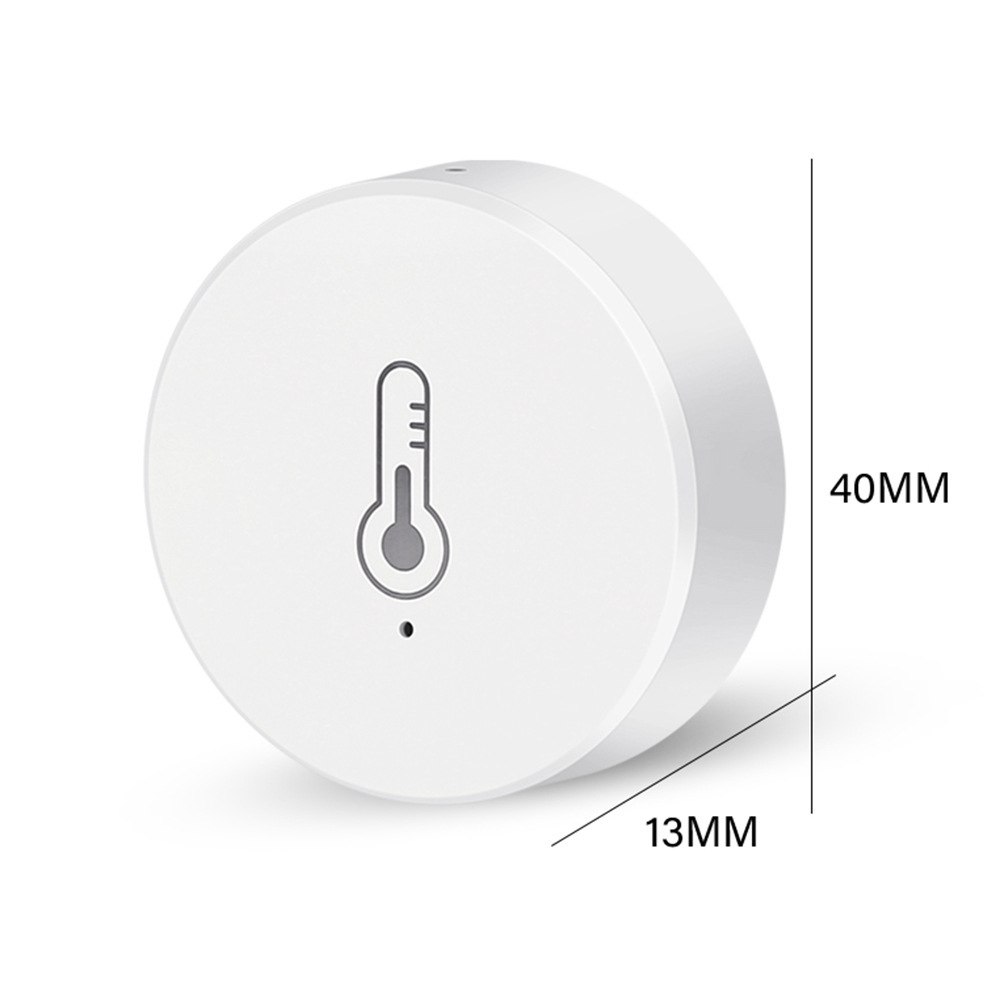
Zigbee temperature sensors come in several configurations, each suited to different environments and use cases. Understanding these variants helps determine which model aligns best with your needs—especially when evaluating a free sample.
1. Standalone Temperature Sensors
- Pros: Compact, affordable, easy to install, ideal for basic room monitoring.
- Cons: Limited functionality; does not measure humidity or other parameters.
- Best for: Simple thermostat triggers or presence-based heating control.
2. Multi-Sensor Units (Temperature + Humidity)
- Pros: Provides dew point calculation, better insight into comfort levels, useful for mold prevention.
- Cons: Slightly higher cost and power consumption.
- Best for: Bathrooms, basements, wine cellars, greenhouses.
3. Industrial-Grade Sensors
- Pros: Rugged enclosures (IP65+), wide operating ranges (-40°C to +85°C), high accuracy (±0.2°C).
- Cons: Larger size, may require external power or PoE adapters.
- Best for: Warehouses, laboratories, refrigerated transport.
4. Battery-Powered vs. Wired Models
- Battery-powered: Easy installation, portable, but requires periodic replacement (typically every 2–3 years).
- Wired: Continuous power, no maintenance, but harder to deploy without pre-existing infrastructure.
5. Embedded Development Modules
- Pros: Designed for prototyping, often come with SDKs and pin headers.
- Cons: Not user-friendly out-of-the-box; require technical knowledge.
- Best for: Engineers developing custom IoT solutions.
When requesting a zigbee temperature sensor free sample, clarify which variant you need—consumer, commercial, or development-focused.
Key Features and Specifications to Evaluate
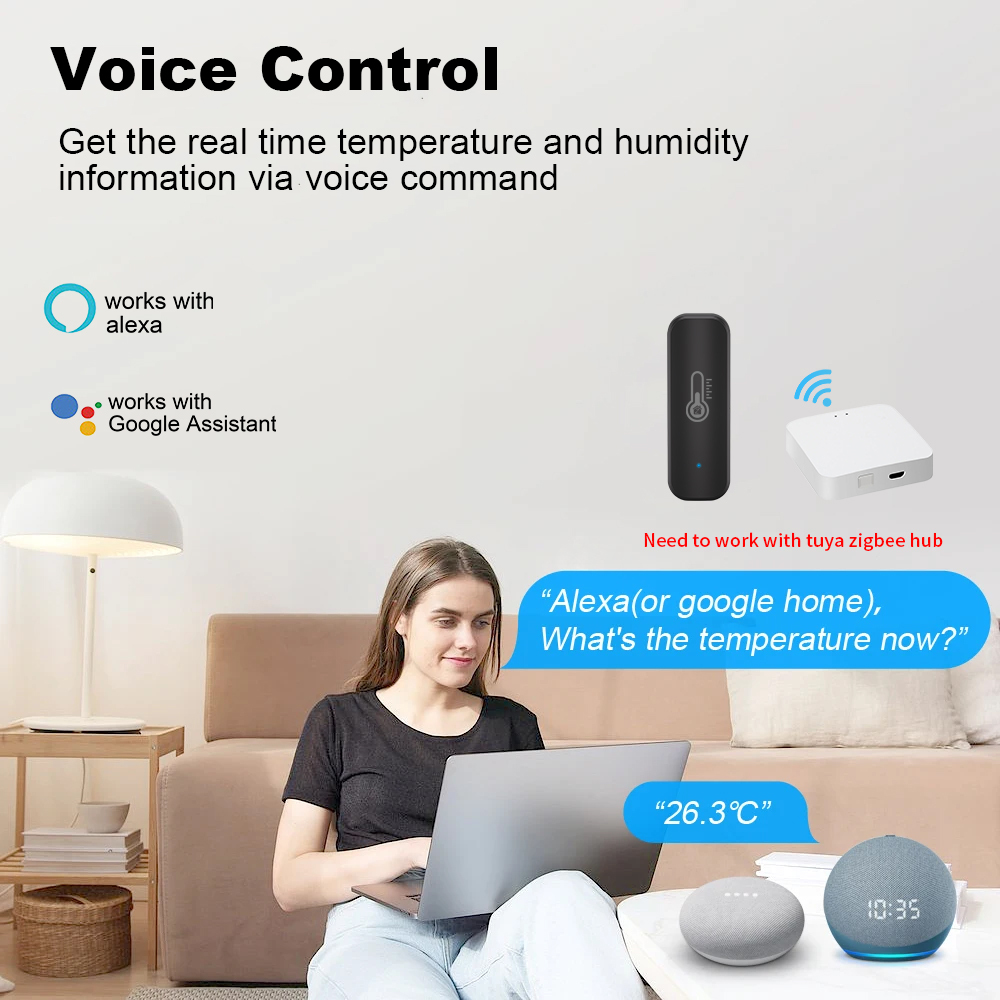
To make an informed decision when choosing a zigbee temperature sensor available with free sample, consider the following technical and functional criteria:
- Accuracy: Look for ±0.3°C or better under normal conditions. High-end models achieve ±0.1°C.
- Sampling Rate: Adjustable intervals (e.g., every 30 seconds to 10 minutes) help balance battery life and data granularity.
- Zigbee Version: Prefer Zigbee 3.0 for universal compatibility over older ZHA or ZLL profiles.
- Range: Indoors, expect 10–30 meters depending on walls and interference. Mesh networking extends coverage.
- Battery Life: Most run 2–5 years on CR2032 or AA batteries. Check if sleep modes optimize longevity.
- Humidity Sensing: If needed, ensure accuracy within ±3% RH.
- Data Logging: Onboard memory allows offline operation during gateway downtime.
- OTA Updates: Critical for security patches and feature enhancements post-deployment.
- Enclosure Rating: IP65 or higher for damp or outdoor locations.
- Mounting Options: Wall, rail, magnetic, or adhesive—choose based on deployment environment.
Also verify whether the sensor supports binding to specific controllers or requires a central hub. Some work only with proprietary ecosystems, limiting flexibility.
Pros and Cons
Advantages of Choosing a Zigbee Temperature Sensor with Free Sample
- Risk-Free Evaluation: Test real-world performance before committing financially.
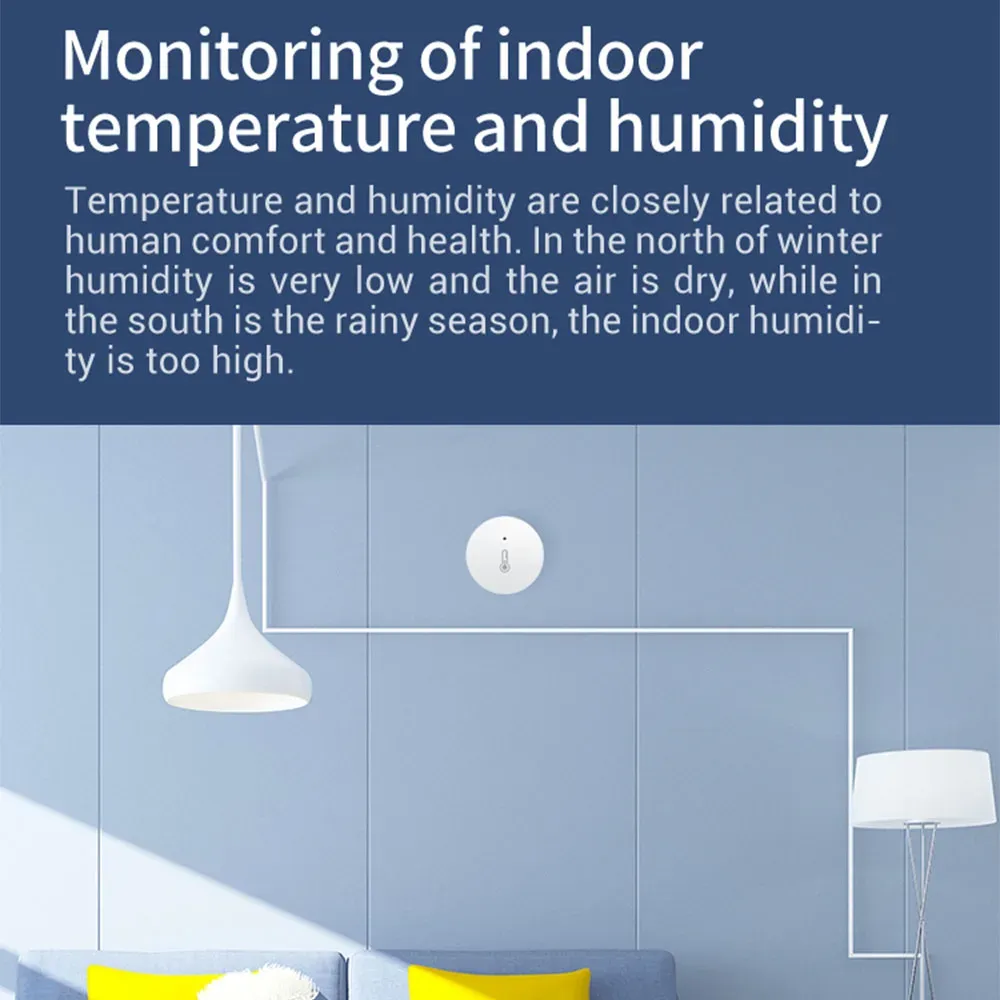
- Interoperability Testing: Confirm compatibility with your Zigbee coordinator or smart home platform.
- Cost Savings: Especially beneficial for bulk buyers or system integrators.
- Early Access: Some suppliers provide beta versions or upcoming models as samples.
Limitations and Drawbacks
- Shipping Costs: While the unit may be free, delivery fees sometimes apply.
- Regional Restrictions: Not all suppliers ship samples globally due to logistics or regulations.
- Non-Returnable Policies: Samples are usually non-refundable, even if unsuitable.
- Limited Support: Free samples may not include technical assistance or warranty.
This approach works well when integrating sensors into scalable systems. However, casual users might find retail purchases more convenient unless they're technically evaluating options.
How to Choose a Zigbee Temperature Sensor Free Sample
Follow this step-by-step guide to ensure you select the right product:
- Determine Your Use Case: Are you monitoring a home, office, warehouse, or prototype? This dictates required accuracy, durability, and features.
- Check Ecosystem Compatibility: Ensure the sensor works with your hub (e.g., Philips Hue Bridge, Sonoff ZBDongle, or CC2652-based stick).
- Verify Protocol Standards: Confirm it uses Zigbee 3.0 or is backward compatible with your network.
- Review Power Requirements: Decide between battery-operated (portable) or wired (permanent) setups.
- Evaluate Environmental Needs: For humid or dusty areas, insist on IP-rated housing.
- Request the Sample Strategically: Provide context (project type, expected volume) to increase approval chances.
- Test Thoroughly: Measure response time, signal strength through walls, and consistency over 48 hours.
- Assess Software Integration: Does it appear correctly in your app? Can you set automations?
- Avoid Red Flags: No documentation, unclear specifications, lack of FCC/CE marks, or refusal to provide datasheets.
Be cautious of companies that promise a free zigbee temperature sensor sample but later pressure you into large minimum orders or hidden charges.
Price & Market Insights
Pricing varies significantly by type and target market:
- Consumer Models: $15–$35 per unit. Often sold individually with apps.
- Bulk/Wholesale: $8–$20 per unit (100+ pieces). Commonly offered with free samples upon request.
- Industrial Sensors: $40–$100+, featuring enhanced accuracy and ruggedization.
- Development Kits: $25–$60, including programming interfaces and libraries.
Many Chinese manufacturers on platforms like Alibaba or Made-in-China offer zigbee temperature sensor free sample programs for qualified buyers. However, always confirm shipping terms and import duties. In some cases, paying a small fee (e.g., $5–$10) covers shipping while still being effectively free.
Value isn’t just about price—it includes reliability, support, and upgrade path. A slightly more expensive sensor with strong community support and regular firmware updates often outperforms cheaper alternatives in the long run.
| Model Type | Avg. Price | Free Sample Available? | Key Features | Best For |
|---|---|---|---|---|
| Smart Home Mini Sensor | $18 | Yes (via supplier) | Zigbee 3.0, temp/humidity, 2-year battery | Residential automation |
| Industrial Probe Sensor | $75 | Yes (with NDA) | IP67, -40°C to +85°C, ±0.2°C accuracy | Logistics & cold storage |
| DIY Dev Module | $30 | Limited (developer forums) | SPI/I2C interface, open SDK | Prototyping |
Customer Feedback Synthesis
Analyzing reviews from forums like Reddit, SmartHomeWorld, and Alibaba reveals common themes:
Positive Feedback:
- “The zigbee temperature sensor with free sample paired instantly with my SmartThings hub.”
- “Battery lasted over three years in my bedroom monitor.”
- “Accurate readings helped me fix uneven heating in the basement.”
Common Complaints:
- “Signal dropped behind thick concrete walls—needed a repeater.”
- “Humidity calibration drifted after six months.”
- “No local data storage; lost history during router outage.”
- “Free sample arrived without instructions or QR code.”
Reliability in mesh formation and consistent cloud syncing remain key pain points. Buyers appreciate clear labeling, included mounting hardware, and responsive vendor support.
Sourcing & Supplier Tips
If you're sourcing zigbee temperature sensors with free sample availability, follow these guidelines:
- Contact suppliers directly through official websites or B2B platforms like Alibaba, Global Sources, or ThomasNet.
- Clearly state your project scope, expected order volume, and technical requirements.
- Ask for product certifications (FCC, CE, RoHS) and test reports.
- Prefer suppliers who offer detailed datasheets, SDK access, and reference designs.
- For resellers or dropshippers, inquire about white-labeling and MOQ (Minimum Order Quantity).
- Always inspect samples upon arrival: check build quality, packaging, and included accessories.
Some manufacturers require signing an NDA or providing business credentials before releasing samples. Be prepared to explain your intended application.
Maintenance, Safety & Legal Considerations
While generally safe, proper handling ensures longevity and compliance:
- Maintenance: Clean exterior gently; avoid moisture ingress. Replace batteries promptly to prevent leakage.
- Safety: Use only specified batteries. Do not disassemble sealed units.
- Regulatory Compliance: Verify FCC ID (USA), CE mark (EU), or IC certification (Canada) for legal operation.
- Data Privacy: If transmitting over internet-connected hubs, ensure end-to-end encryption is supported.
- Disposal: Recycle batteries and electronics according to local e-waste rules.
In medical or food safety applications, additional validation (e.g., NIST traceability) may be required. Always consult industry standards before deployment in critical environments.
Conclusion
Selecting a zigbee temperature sensor with free sample offers a practical way to validate performance, compatibility, and value before scaling up. Focus on accuracy, Zigbee 3.0 support, battery efficiency, and environmental resilience. Whether for smart homes, industrial monitoring, or development, taking advantage of sample programs reduces risk and improves decision-making. Prioritize suppliers who provide full documentation, transparent specs, and responsive communication. By carefully evaluating both technical merits and real-world feedback, you can confidently choose a sensor that meets your long-term needs.
FAQs
- Can I get a zigbee temperature sensor free sample without paying shipping?
- Some suppliers offer free shipping on samples, especially within their home country. International requests may incur fees. Always confirm shipping terms before requesting.
- Are free samples fully functional?
- Most are identical to retail units, but verify functionality such as OTA updates, sensor calibration, and app integration upon receipt.
- Do I need a hub for a zigbee temperature sensor?
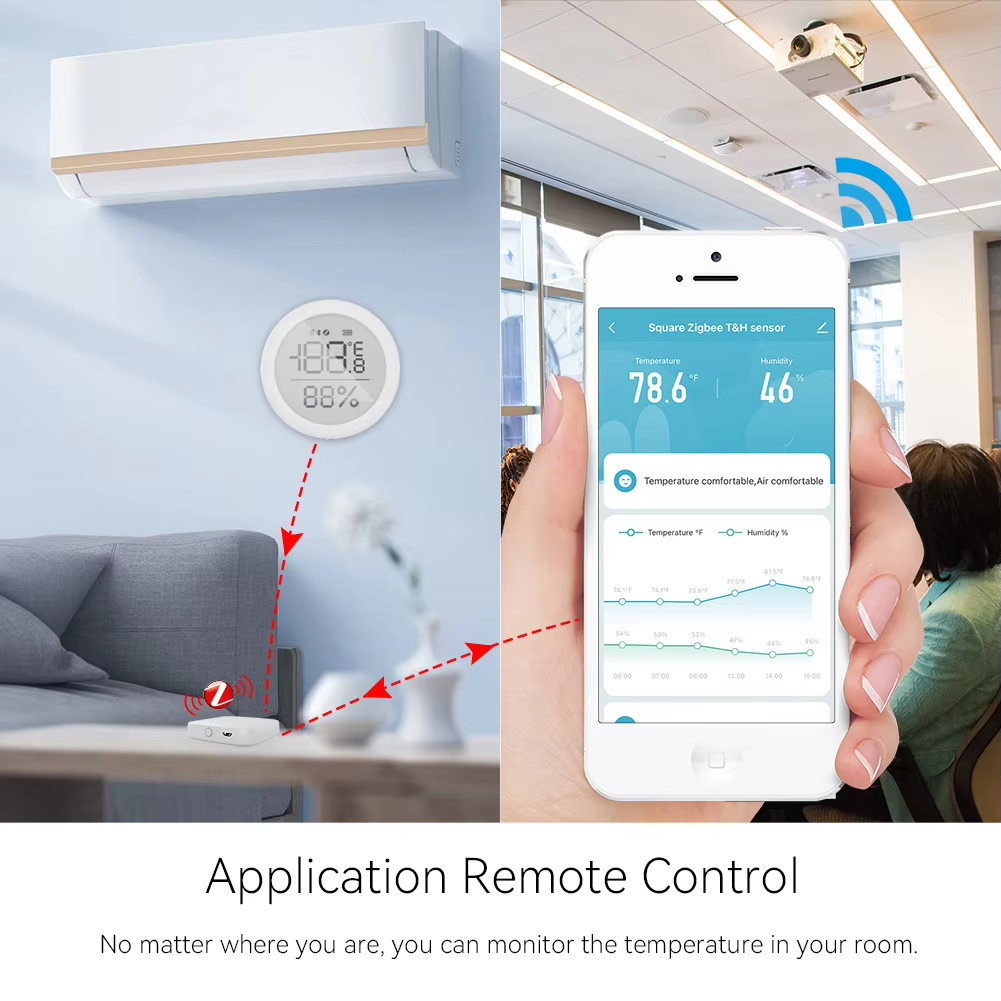
- Yes, Zigbee sensors require a compatible hub or gateway (like SmartThings, Hue Bridge, or Zigbee USB stick) to communicate with smartphones or automation systems.
- How accurate are zigbee temperature sensors?
- Typical consumer models are accurate within ±0.3°C. Industrial-grade sensors can reach ±0.1°C. Calibration drift may occur over time, so periodic checks are advised.
- Can I return a free sample if it doesn’t work?
- Generally, no. Free samples are non-returnable. Test thoroughly upon arrival and contact the supplier immediately if defective.




 浙公网安备
33010002000092号
浙公网安备
33010002000092号 浙B2-20120091-4