
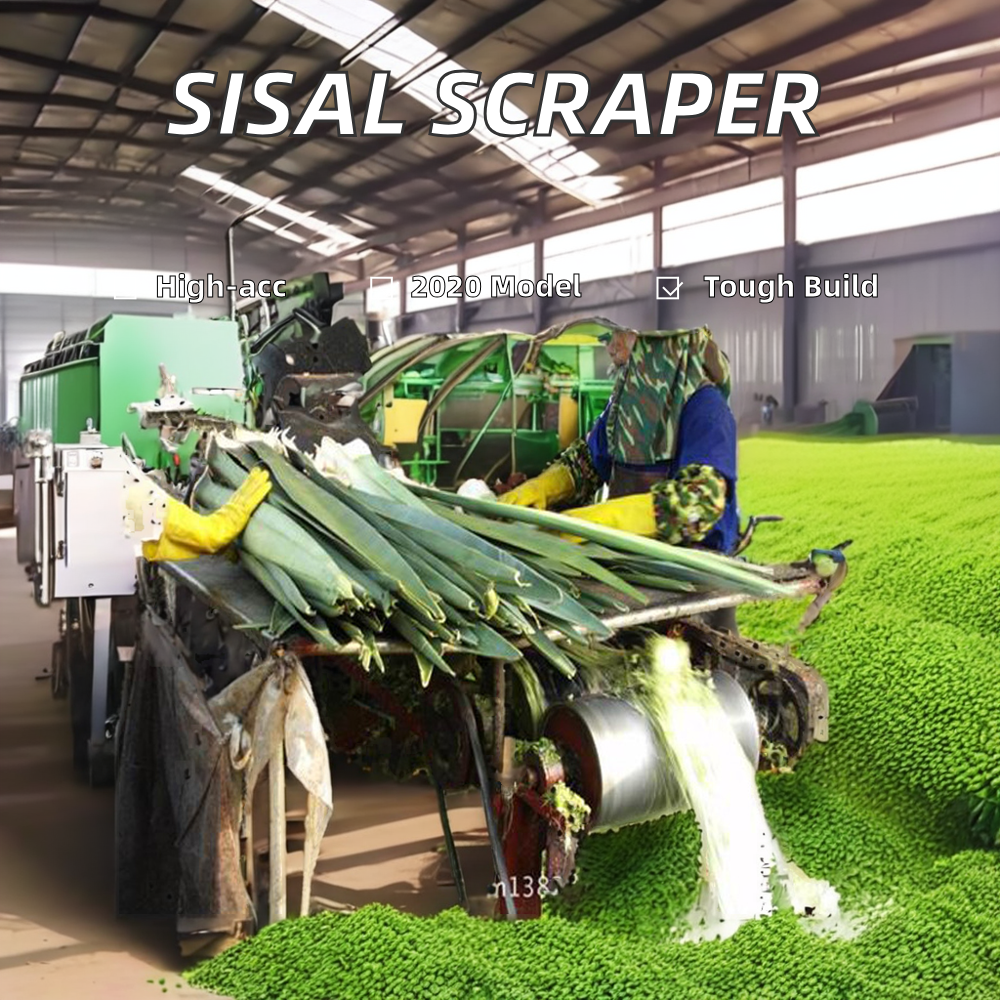
When choosing the best sisal processing machine for your agricultural or fiber-processing operation, prioritize durability, throughput capacity, and ease of maintenance. A high-efficiency mechanical decorticator designed for dry-weather conditions typically delivers the best long-term value, especially if you're processing raw sisal leaves into commercial-grade fiber at scale 1. Look for models with adjustable rollers, corrosion-resistant components, and low energy consumption to ensure consistent output and reduced downtime. Understanding how different machines handle leaf feeding, fiber extraction, and waste separation is essential in making an informed decision that aligns with your production volume and quality requirements.
About Sisal Processing Machines
A sisal processing machine, also known as a sisal decorticator, is a specialized piece of equipment used to extract usable fiber from the leaves of the Agave sisalana plant. The process involves crushing, scraping, or grinding the fleshy part of the leaf while separating the fibrous strands, which are then washed, dried, and baled for use in textiles, ropes, twines, carpets, and eco-friendly composite materials.
These machines range from small manual units suitable for rural cooperatives to large industrial systems capable of processing several tons per hour. They play a critical role in post-harvest handling, directly affecting fiber yield, strength, cleanliness, and overall marketability. In many developing regions where sisal farming is a primary livelihood—such as Tanzania, Kenya, Brazil, and Madagascar—mechanized processing has replaced labor-intensive traditional methods involving wooden scrapers and water baths.
Why Sisal Processing Machines Are Gaining Popularity
The global resurgence of interest in natural fibers has significantly boosted demand for efficient sisal processing technology. As industries seek sustainable alternatives to synthetic materials, sisal fiber stands out due to its biodegradability, tensile strength, and low environmental impact during cultivation 2.
This shift has led governments and development agencies to support mechanization projects aimed at improving productivity among smallholder farmers. Additionally, rising labor costs and inconsistent output from hand-processing have pushed producers toward automation. Modern sisal processing machines not only increase throughput but also improve fiber uniformity, reduce contamination, and lower water usage—especially important in arid growing zones.
Moreover, advancements in design now allow for modular setups that can be powered by diesel engines, electric motors, or even solar hybrid systems, increasing accessibility across off-grid rural areas.
Types and Variants of Sisal Processing Machines
Understanding the different types of sisal processing machines is crucial when evaluating which model suits your operational needs. Each variant offers distinct advantages and limitations based on scale, power source, and level of automation.
1. Manual or Semi-Mechanical Decorticators
- Best for: Small farms, cooperatives, or pilot operations.
- How it works: Operated via hand crank or pedal system; uses rotating blades or rollers to scrape fiber from leaves.
- Pros: Low cost, portable, no electricity required.
- Cons: Very low output (typically under 50 kg/day), physically demanding, inconsistent fiber quality.
2. Motorized Stationary Decorticators
- Best for: Medium-scale processors producing 200–1,000 kg/day.
- How it works: Powered by gasoline or electric motor driving metal rollers or hammers that crush and separate fiber.
- Pros: Higher efficiency than manual models, relatively affordable, easy to maintain.
- Cons: Requires stable power supply (for electric versions), moderate noise and wear on parts.
3. Industrial Drum-Type Decorticators
- Best for: Large commercial plantations or centralized processing units.
- How it works: Uses rotating drums lined with abrasive surfaces or teeth to macerate leaves and eject fiber through perforations.
- Pros: High throughput (up to 5+ tons/hour), consistent fiber quality, often includes integrated washing systems.
- Cons: Expensive (can exceed $20,000), requires skilled operators, significant space and infrastructure.
4. Mobile Sisal Processing Units
- Best for: Contract processors or those serving dispersed farms.
- How it works: Mounted on trailers or trucks; brought directly to fields after harvest.
- Pros: Reduces transport costs of bulky green leaves, minimizes fiber degradation from delay.
- Cons: Higher initial investment, complex logistics, fuel-dependent.
Key Features and Specifications to Evaluate
Selecting the right sisal processing machine means carefully assessing technical and operational characteristics. Here are the most important factors to consider:
- Throughput Capacity: Measured in kilograms or tons per hour. Match this to your daily harvest volume. Overloading leads to breakdowns; underutilizing wastes capital.
- Power Source: Electric motors require grid access or generators; diesel-powered units offer mobility but higher running costs. Consider local energy availability.
- Fiber Recovery Rate: Quality machines achieve 85–95% fiber recovery from fresh leaves. Ask for test reports or field data.
- Adjustable Settings: Rollers or drum gaps should be adjustable to accommodate varying leaf thickness and moisture levels.
- Material Construction: Look for stainless steel or galvanized components to resist corrosion from plant sap and wash water.
- Noise & Vibration Levels: Important for operator safety and comfort, especially in enclosed spaces.
- Waste Disposal Mechanism: Efficient removal of pulpy residue prevents clogging and supports continuous operation.
- Water Usage (if applicable): Some wet-processing models consume large volumes. Check local water regulations and availability.
Pros and Cons of Using Sisal Processing Machines
While mechanization brings clear benefits, it’s not universally ideal for every context.
Advantages
- Increases processing speed by up to 20x compared to manual methods.
- Improves fiber consistency and reduces impurities, leading to better market prices.
- Lowers labor dependency and associated costs.
- Enables timely processing, preserving fiber quality before degradation sets in.
- Supports scalability and formalization of agribusiness ventures.
Limitations
- High upfront cost may be prohibitive for individual smallholders.
- Maintenance requires technical knowledge; spare parts may be hard to source locally.
- Potential for over-processing, which can damage fiber and reduce strength.
- Environmental concerns around wastewater discharge in wet-processing systems.
- Not all machines perform equally well across different sisal varieties or growing conditions.
How to Choose a Sisal Processing Machine: Step-by-Step Guide
Follow this structured approach to make a confident purchase decision:
- Assess Your Production Scale: Estimate average daily leaf input. Choose a machine whose rated capacity matches or slightly exceeds peak loads.
- Determine Power Availability: If off-grid, prioritize diesel or PTO-driven models. For stable electricity, electric motors are more efficient and quieter.
- Evaluate Portability Needs: Will the machine stay fixed, or must it move between farms? Mobile units add flexibility but raise complexity.
- Check Compatibility with Local Sisal Varieties: Leaf size and toughness vary by region. Request demonstrations using your native crop.
- Review Safety Features: Guards, emergency stops, and proper shielding are essential, especially in communal settings.
- Verify After-Sales Support: Confirm warranty terms, service network, and spare parts inventory with the supplier.
- Avoid Red Flags: Be cautious of vendors who don’t provide technical specifications, lack user references, or pressure quick decisions without trials.
Price & Market Insights
Pricing varies widely depending on type, origin, and capacity:
- Manual/Semi-Mechanical: $200 – $800
- Motorized Units (Small to Medium): $1,500 – $6,000
- Industrial Systems: $10,000 – $30,000+
- Mobile Trailered Units: $15,000 – $40,000
Chinese-made models dominate the mid-range market due to competitive pricing, though European and Indian manufacturers often offer superior build quality and longer lifespans. When comparing options, calculate total cost of ownership—including fuel, maintenance, labor, and expected lifespan—rather than focusing solely on purchase price. Used machines may offer savings but inspect thoroughly for worn rollers, frame cracks, or outdated designs.
| Model Type | Avg. Price | Capacity (kg/hr) | Power Source | Best Use Case |
|---|---|---|---|---|
| Semi-Manual Scraper | $300 | 30–50 | Human-powered | Household/small cooperative |
| Electric Motorized Roller | $2,500 | 150–250 | Electric (3-phase) | Medium farm or processor |
| Drum-Type Industrial | $18,000 | 1,000–3,000 | Diesel/Electric | Commercial plantation |
| Mobile Trailer Unit | $25,000 | 800–2,000 | Diesel engine | Contract processing |
Top-Seller & Competitive Analysis
Leading brands in the sisal processing space include Qingdao Huatian Machinery (China), Kirloskar Brothers (India), and some regional African fabricators offering customized builds. While international suppliers offer standardized models, local manufacturers often adapt designs to suit regional leaf types and terrain.
Top-selling models tend to feature robust roller configurations, simple gearboxes, and open-access cleaning points. Buyers frequently praise machines with easily replaceable blades and minimal belt slippage. However, imported units sometimes suffer from poor documentation and delayed customer support. Whenever possible, opt for suppliers offering training, installation assistance, and responsive communication.
Customer Feedback Synthesis
Analysis of buyer reviews and field reports reveals recurring themes:
Common Praises
- “Increased our daily output tenfold with just two workers.”
- “Fiber quality improved dramatically—now able to sell at premium rates.”
- “Simple design makes repairs manageable even in remote areas.”
- “Durable construction withstands harsh tropical conditions.”
Frequent Complaints
- “Spare parts took over three months to arrive from overseas.”
- “Machine jammed frequently when processing older, tougher leaves.”
- “No instruction manual in local language—had to guess assembly steps.”
- “Higher water consumption than advertised; created drainage issues.”
Sourcing & Supplier Tips
Where you buy your sisal processing machine matters as much as what you buy. Consider these strategies:
- Buy Direct vs. Distributor: Direct purchases may save money but often lack local support. Distributors add value through setup help and faster service.
- Bulk Orders: Cooperatives or government programs can negotiate discounts of 10–20% on multi-unit orders.
- Verify Before Shipping: If buying internationally, request video demonstrations or third-party inspections before payment.
- Look for Certification: ISO standards or CE marking indicate adherence to basic safety and quality benchmarks.
- Test Locally: If possible, arrange a trial run with your own sisal leaves to assess real-world performance.
Maintenance, Safety & Legal Considerations
Proper upkeep ensures longevity and safe operation:
- Maintenance: Clean rollers and blades daily; lubricate moving parts weekly; inspect belts and chains monthly. Store indoors when not in use.
- Safety: Always shut off power before clearing jams. Ensure guards are securely fastened. Train all operators in emergency shutdown procedures.
- Legal Compliance: In some countries, industrial machinery must meet national safety codes. Check whether environmental permits are needed for wastewater discharge, particularly in wet-processing facilities.
- Noise Regulations: High-decibel machines may require sound barriers or restricted operating hours near residential zones.
Conclusion
Choosing the right sisal processing machine depends on matching your production goals, resources, and environmental conditions. For small-scale producers, a motorized roller-type decorticator offers the best balance of cost and efficiency. Larger operations should invest in industrial drum systems with proven reliability and strong after-sales networks. Prioritize machines with adjustable settings, durable construction, and verified performance data. Avoid rushed decisions—test models, compare total ownership costs, and confirm support availability. With careful selection, a sisal processing machine can transform raw harvest into high-value fiber, boosting income and sustainability for years to come.
FAQs
What is the average lifespan of a sisal processing machine?
With regular maintenance, most motorized units last 8–12 years. Industrial models can exceed 15 years with proper care.
Can I use a sisal machine for other fibers like hemp or abaca?
Some machines can process similar fibrous plants, but modifications may be needed. Always consult the manufacturer before attempting alternative crops.
Do I need water to operate a sisal decorticator?
Not always. Dry-processing machines use mechanical scraping only. Wet systems use water to clean fiber but require drainage management.
How much labor is needed to run a typical machine?
Small units require 1–2 people; larger systems may need 3–5 for feeding, monitoring, and maintenance.
Are there government subsidies for purchasing sisal processing equipment?
In some countries (e.g., Tanzania, Kenya), agricultural development programs offer partial grants or financing. Check with local extension services or ministries of agriculture for eligibility.




 浙公网安备
33010002000092号
浙公网安备
33010002000092号 浙B2-20120091-4