
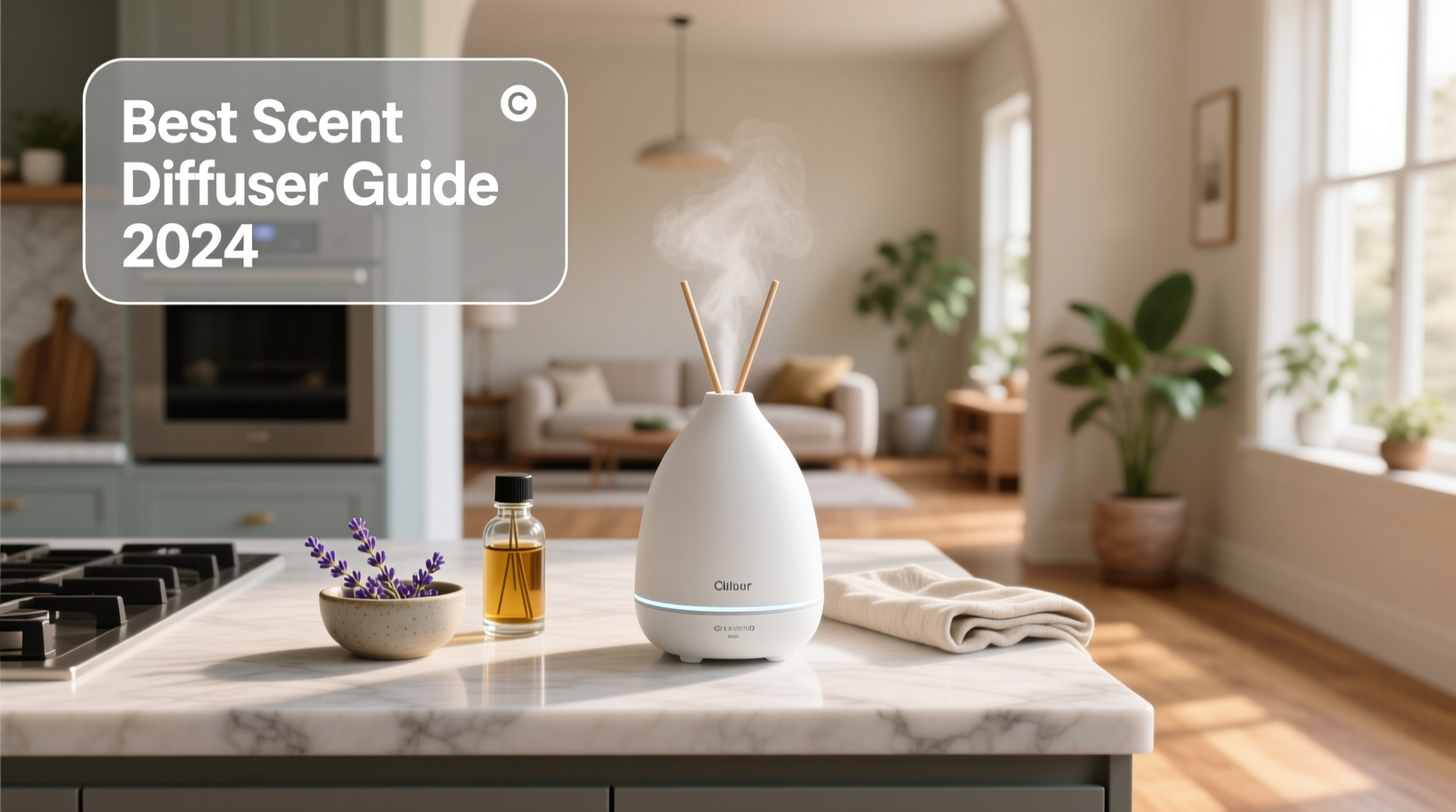
When selecting the best scent diffuser machine for your space, prioritize models with adjustable mist output, quiet operation, and compatibility with essential oils if aromatherapy is a goal. For large rooms or commercial use, ultrasonic cool mist diffusers with timers and auto-shutoff are ideal 1. If you're searching for how to choose a scent diffuser machine that balances performance, safety, and value, focus on capacity, noise level, material quality, and ease of cleaning—these factors directly impact daily usability and long-term satisfaction.
About Scent Diffuser Machine
A scent diffuser machine is a device designed to disperse aromatic compounds into the air using various mechanisms such as ultrasonic vibration, heat, or fan-based evaporation. These devices are commonly used in homes, offices, spas, and retail environments to enhance ambiance, support relaxation, or improve indoor air quality through natural essential oils 2.
Unlike traditional air fresheners that often rely on synthetic fragrances and propellants, modern scent diffuser machines typically utilize water and pure essential oils, offering a healthier alternative for continuous fragrance diffusion. Most units operate by breaking down oil and water mixtures into fine micro-droplets, which are then released as a cool mist. Some models also function without water, using reed or passive diffusion systems, though these are less common in active electronic units.
Why Scent Diffuser Machine Is Gaining Popularity
The growing interest in wellness, indoor air quality, and non-invasive mood enhancement has driven increased demand for scent diffuser machines. Consumers are shifting away from chemical-laden sprays toward natural solutions that integrate seamlessly into daily life 3.
Additionally, advancements in smart home integration have made many diffusers programmable via apps or voice assistants, appealing to tech-savvy users. The ability to set schedules, control intensity remotely, and synchronize lighting effects adds functional and aesthetic value. Furthermore, studies suggest certain scents like lavender and eucalyptus may help reduce stress and support respiratory comfort, increasing their appeal beyond mere fragrance delivery 4.
Types and Variants
Understanding the different types of scent diffuser machines helps buyers match technology to their needs. Each variant operates differently and offers unique advantages and limitations.
Ultrasonic Diffusers
These use high-frequency sound waves to create vibrations in a water-oil mixture, producing a fine cool mist. They are among the most popular due to their quiet operation and dual humidifying effect.
- Pros: Whisper-quiet, energy-efficient, doubles as a humidifier, available in decorative designs
- Cons: Requires regular cleaning to prevent mold, not suitable for thick carrier oils
Nebulizing Diffusers
Nebulizers use pressurized air to break essential oils into tiny particles without water or heat, preserving therapeutic properties more effectively than other methods.
- Pros: No dilution, strong aroma output, preserves oil integrity
- Cons: Higher cost, louder operation, uses oil faster
Heat Diffusers
These warm essential oils gently to evaporate fragrance into the air. While simple and affordable, heating can alter the chemical composition of sensitive oils.
- Pros: Inexpensive, easy to maintain
- Cons: May degrade beneficial compounds in oils, limited coverage area
Fan-Driven (Evaporative) Diffusers
A small fan blows air across an absorbent pad or wick saturated with essential oil, promoting evaporation.
- Pros: Consistent scent release, portable, low maintenance
- Cons: Less effective in large spaces, pads need replacement
Key Features and Specifications to Evaluate
To determine what to look for in a scent diffuser machine, consider the following technical and practical aspects:
- Tank Capacity: Ranges from 100ml to 500ml. Larger tanks (300ml+) suit extended use; smaller ones fit compact spaces 5.
- Mist Output Control: Adjustable settings allow customization of fragrance strength and duration.
- Noise Level: Look for units under 30 dB for bedrooms or quiet offices.
- Run Time: Varies from 4 to 20 hours depending on mode and tank size.
- Auto-Shutoff: Essential safety feature when water runs low.
- Material Quality: BPA-free plastic or ceramic construction avoids off-gassing and ensures durability.
- Lighting Options: LED color options add ambiance but aren’t critical for functionality.
- Essential Oil Compatibility: Confirm whether the unit works best with specific oil viscosities or blends.
Pros and Cons
Advantages:
- Improves indoor air quality naturally
- Supports relaxation, focus, or sleep based on chosen scents
- Low energy consumption compared to HVAC-integrated systems
- Versatile placement—usable in bathrooms, living areas, or workspaces
Disadvantages:
- Regular cleaning required to prevent bacterial growth
- Potential for overuse leading to sensory fatigue or allergic reactions in sensitive individuals
- Limited effectiveness in very large or poorly insulated rooms
- Some models emit light, which may disturb light-sensitive sleepers
How to Choose a Scent Diffuser Machine
Follow this step-by-step guide when evaluating options:
- Define Your Purpose: Are you using it for aromatherapy, odor elimination, or ambient enhancement? Nebulizing or ultrasonic models work best for therapeutic use.
- Determine Room Size: Match diffuser output to square footage. Small units (<200 sq ft) require 100–200ml capacity; larger spaces need >300ml with stronger dispersion.
- Check Noise Tolerance: For bedrooms or meditation rooms, select models rated below 30 dB.
- Evaluate Maintenance Needs: Units with wide openings and minimal internal crevices are easier to clean. Avoid those with hard-to-reach parts.
- Review Safety Features: Auto-shutoff, child lock (if applicable), and overheat protection are important, especially in households with pets or children.
- Assess Power Source: Corded models offer consistent power; battery-operated versions provide portability but shorter run times.
- Avoid Red Flags: Steer clear of units made with unknown plastics, lacking UL certification, or with poor customer reviews regarding leakage or motor failure.
Price & Market Insights
Scent diffuser machines range widely in price:
- Budget ($10–$25): Basic ultrasonic models with limited features, often shorter lifespan.
- Mid-Range ($25–$60): Better build quality, multiple mist modes, timer functions, and improved aesthetics—ideal for most home users.
- Premium ($60–$150+): Nebulizers or smart-enabled diffusers with app control, premium materials, and advanced dispersion tech.
Value isn't always tied to price—many mid-tier brands offer reliable performance comparable to high-end models. Always compare specifications rather than relying solely on branding. To assess true cost-effectiveness, factor in oil consumption rate and expected longevity 6.
| Model Type | Avg. Price | Noise Level | Best For |
|---|---|---|---|
| Ultrasonic | $20–$50 | <30 dB | Bedrooms, small offices |
| Nebulizing | $60–$120 | 35–45 dB | Therapeutic use, large rooms |
| Heat | $15–$30 | Quiet | Occasional use, budget buyers |
| Fan-Driven | $25–$40 | 30–38 dB | Portability, consistent scent |
Top-Seller & Competitive Analysis
Leading models in the market include brands like URPOWER, Homasy, and Vitruvi. Common traits among top sellers include BPA-free construction, multiple mist settings, and positive feedback on reliability.
URPOWER’s 500ml diffuser stands out for its long runtime and customizable LED lighting, though some users report inconsistent build batches 7. Homasy emphasizes quiet operation and sleek design, appealing to minimalist interiors. Vitruvi takes a premium approach with ceramic builds and no-plastic contact, targeting health-conscious consumers despite higher pricing.
When comparing top sellers, verify warranty terms, return policies, and availability of replacement parts. Also, check firmware update history for smart models to ensure ongoing support.
Customer Feedback Synthesis
Analysis of verified buyer reviews reveals recurring themes:
Common Praises:
- "Creates a calming atmosphere instantly"
- "Easy to fill and clean"
- "Whisper-quiet at night"
- "Lasted over a year with daily use"
Frequent Complaints:
- "Stopped working after three months"
- "Hard to clean inside the nozzle"
- "LED lights too bright for bedroom"
- "Leaks when moved even slightly"
These insights highlight the importance of build consistency, user-friendly design, and realistic expectations about product lifespan. Always read recent reviews and look for patterns rather than isolated incidents.
Sourcing & Supplier Tips
For individual buyers, reputable online retailers like Amazon, Walmart, or brand-direct websites offer return flexibility and authenticity guarantees. When sourcing in bulk—for hotels, salons, or resale—consider contacting manufacturers via Alibaba or trade platforms, but request samples first.
Verify supplier credentials, ask for compliance documentation (e.g., FCC, CE, RoHS), and confirm packaging includes multilingual instructions if needed. For dropshipping or reselling, ensure the supplier provides branded packaging options and supports warranty claims.
Maintenance, Safety & Legal Considerations
Proper maintenance extends device life and prevents health risks. Clean your scent diffuser machine every 3–5 days using distilled water and a mild vinegar solution to remove mineral buildup and inhibit microbial growth 8.
Always use recommended oil quantities—excessive oil can clog mechanisms or cause respiratory irritation. Keep units away from electronics and fabrics to avoid moisture damage.
Legally, diffusers sold in the U.S. should comply with electrical safety standards (UL listing). In the EU, CE marking is mandatory. While essential oils are generally unregulated, companies making medical claims may violate FDA or FTC guidelines—be cautious of exaggerated marketing language.
Conclusion
Choosing the right scent diffuser machine involves balancing type, capacity, noise, safety, and intended use. Ultrasonic models remain the top choice for most households due to their quiet operation and affordability, while nebulizing units serve niche therapeutic needs. Prioritize ease of cleaning, verified safety certifications, and realistic performance claims when making your decision. By understanding key differences and aligning features with personal requirements, buyers can find a durable, effective solution that enhances well-being without unnecessary complexity.
FAQs
Q: How often should I clean my scent diffuser machine?
A: Clean every 3 to 5 uses or weekly with a vinegar-water mix to prevent mold and residue buildup.
Q: Can I use any essential oil in my diffuser?
A: Most diffusers work with standard essential oils, but avoid thick carrier oils or citrus oils if the manual advises against them—they may damage internal components.
Q: Do scent diffuser machines help with allergies?
A: While they don’t filter allergens, some oils like eucalyptus may support clearer breathing. However, overly fragranced air can irritate sensitive individuals—use cautiously.
Q: Why does my diffuser leak?
A: Leaks often result from overfilling, improper assembly, or tilting during transport. Always follow the fill line and keep the unit level.
Q: Are there diffusers that don’t use water?
A: Yes—nebulizing and reed diffusers disperse fragrance without water, preserving oil potency and eliminating refills.





 浙公网安备
33010002000092号
浙公网安备
33010002000092号 浙B2-20120091-4