
When choosing the best RT809H universal programmer, prioritize models with broad chip support, stable firmware updates, and robust build quality to ensure long-term reliability. The RT809H universal programmer is widely used by electronics technicians and hobbyists for reading, writing, and erasing memory chips such as EEPROMs, BIOS chips, and microcontrollers. A high-quality unit should offer consistent signal integrity, USB 3.0 connectivity for faster data transfer, and compatibility with common software platforms like RT809H V6 or open-source alternatives. Avoid clones with unverified firmware—opt instead for units from reputable suppliers who provide clear technical documentation and after-sales support 1.
Short Introduction
The RT809H universal programmer has become a go-to tool for professionals and DIY enthusiasts involved in circuit board repair, firmware recovery, and embedded system development. Its ability to handle a wide range of programmable devices makes it indispensable in fields ranging from computer hardware servicing to automotive electronics diagnostics. This guide breaks down everything you need to know before buying one, ensuring that your choice aligns with both your technical requirements and budget constraints.
About RT809H Universal Programmer
The RT809H universal programmer is a versatile device designed to program various types of non-volatile memory chips, including EPROMs, EEPROMs, Flash memory (NOR/NAND), PLDs, and certain microcontrollers. It connects to a PC via USB and operates using dedicated software that allows users to read, write, verify, and erase chip contents. Common use cases include repairing motherboards by reprogramming corrupted BIOS/UEFI chips, recovering data from damaged storage modules, and customizing firmware on consumer electronics.
Unlike proprietary programmers tied to specific brands or chip families, the RT809H supports thousands of ICs across multiple manufacturers such as Winbond, Macronix, STMicroelectronics, and Spansion. This flexibility makes it ideal for repair shops, R&D labs, and individuals working with legacy systems where original equipment may no longer be supported.
Why RT809H Universal Programmer Is Gaining Popularity
One major reason behind the rising demand for the RT809H universal programmer is the growing complexity of modern electronic devices combined with limited manufacturer support for repairs. As more products rely on firmware-stored configurations, the ability to directly access and modify these settings becomes crucial. Independent repair technicians, especially those specializing in laptops, routers, and industrial controllers, increasingly depend on tools like the RT809H to restore functionality without replacing entire boards.
Additionally, the rise of open-source firmware projects (e.g., Coreboot, Libreboot) and retro computing communities has fueled interest in affordable yet capable programming hardware. The RT809H fills this niche by offering professional-grade performance at a fraction of the cost of industrial programmers. Its plug-and-play usability and active user forums further lower the learning curve for newcomers 2.
Types and Variants
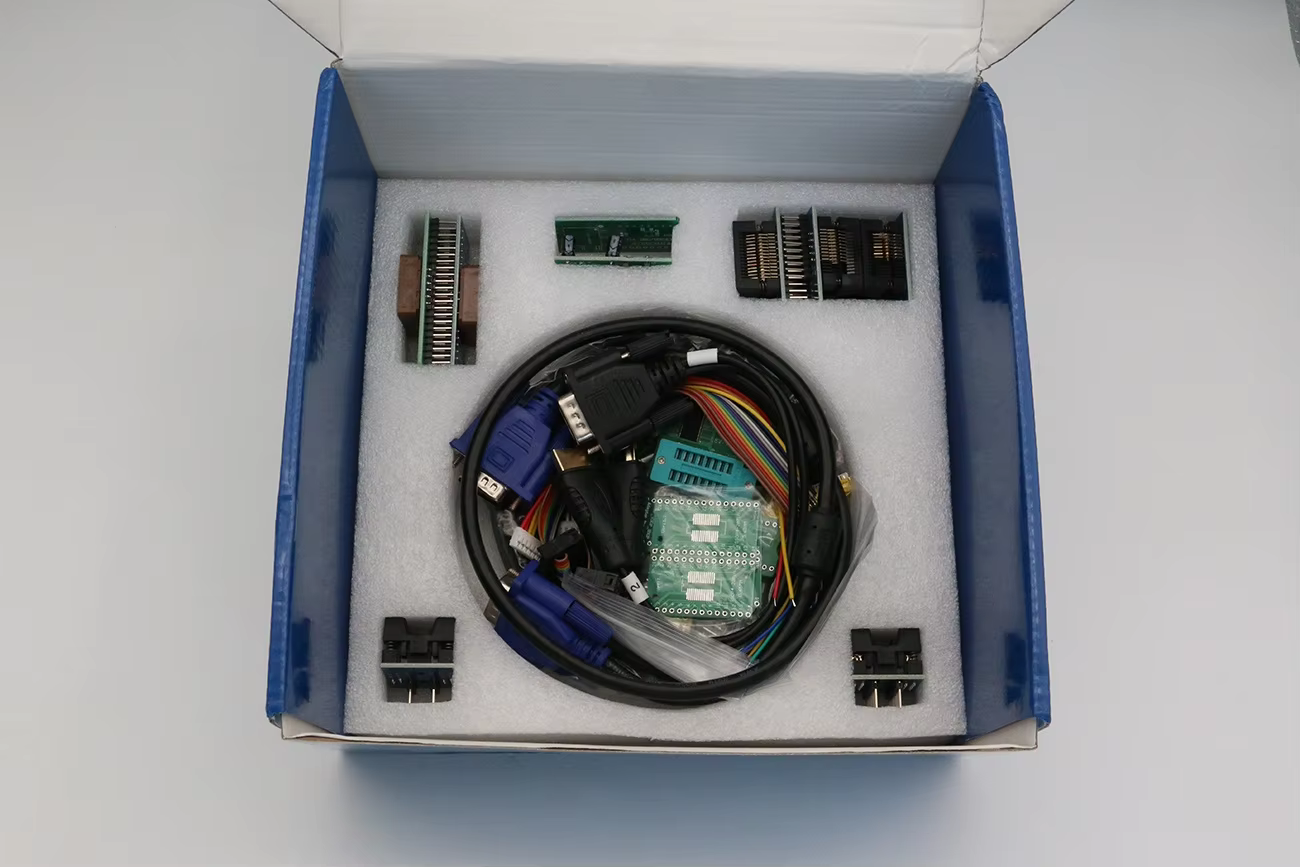
While all RT809H units share core functionality, several variants exist based on design, component quality, and included accessories:
- Standard Clone Models: These are mass-produced copies often sold under different brand names. They typically feature basic ZIF sockets (48-pin or lower) and minimal shielding. Pros: Low cost (~$30–$50); widely available. Cons: Inconsistent firmware, potential signal noise, lack of calibration.
- Enhanced Versions with Metal Shielding: Improved builds include EMI shielding, better voltage regulators, and higher-quality PCBs. Pros: More stable programming, reduced error rates. Cons: Slightly higher price (~$60–$80).
- Dual-Socket Models: Feature two independent ZIF sockets, enabling simultaneous operations or faster batch processing. Pros: Increased efficiency for repair businesses. Cons: Larger footprint; requires updated software support.
- Firmware-Modded Units: Sold by third-party vendors with custom firmware (e.g., unlocked chip support, improved UI). Pros: Broader device compatibility. Cons: Risk of bricking if updates fail; voided warranties.
Choosing among these depends on intended usage—casual users may find standard clones sufficient, while professionals should consider enhanced or dual-socket versions.
Key Features and Specifications to Evaluate
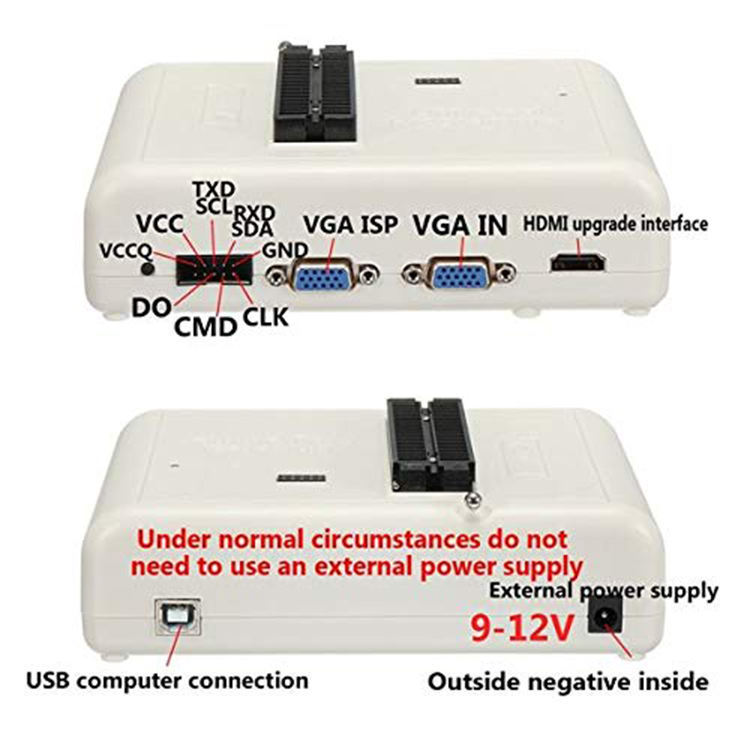
To make an informed decision when selecting an RT809H universal programmer, evaluate the following criteria:
- Chip Support List: Verify whether the model supports the specific ICs you plan to work with. Check the manufacturer’s chip database or community-maintained lists for coverage.
- Firmware Stability and Update Frequency: Look for models with regularly updated firmware. Stable firmware reduces programming errors and expands device compatibility over time.
- Signal Integrity and Power Regulation: High-quality voltage regulation ensures safe operation across different chip voltages (1.8V, 3.3V, 5V). Poor power delivery can damage sensitive components.
- USB Interface Version: USB 3.0 offers faster data transfer than USB 2.0, which is beneficial when handling large NAND flash dumps.
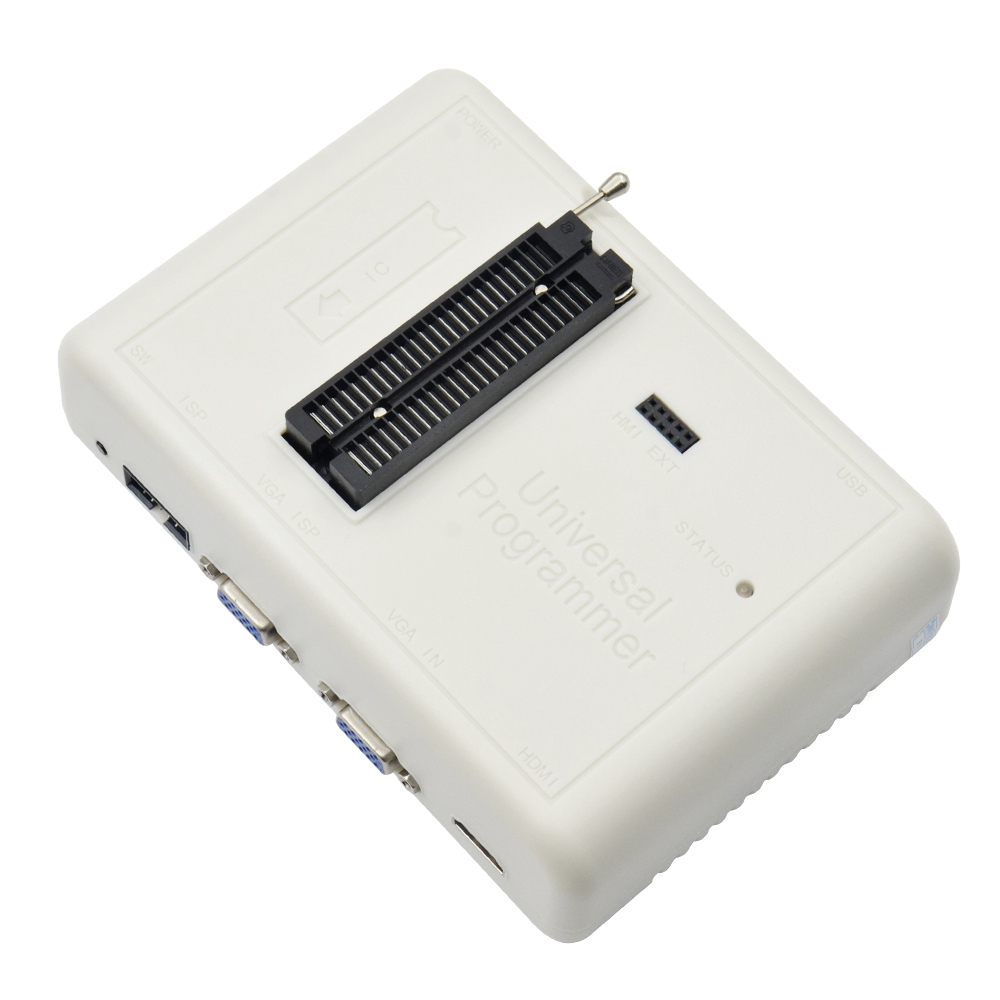
- ZIF Socket Quality: Durable zero-insertion-force sockets reduce wear on chip pins. Higher pin counts (e.g., 56-pin) allow programming larger packages.
- Software Compatibility: Ensure compatibility with Windows OS versions you intend to use. Some older models may not support Windows 11 or 64-bit drivers properly.
- Build Quality and Heat Dissipation: Well-constructed units have metal casings or heat sinks to prevent overheating during extended sessions.
Pros and Cons
Advantages:
- Broad compatibility with thousands of memory chips
- Affordable compared to industrial-grade programmers
- Compact and portable design
- Active online community for troubleshooting and tips
- Suitable for both beginners and experienced users
Limitations:
- Performance varies significantly between clone manufacturers
- Limited support for very new or obscure chip types unless firmware is updated
- No built-in display or standalone operation—requires PC connection
- Potential risk of counterfeit units with misleading specifications
- Not suitable for high-volume production environments
The RT809H is best suited for repair technicians, educators, and hobbyists. It's less appropriate for automated manufacturing lines or applications requiring ultra-high precision timing.
How to Choose RT809H Universal Programmer
Follow this step-by-step checklist when purchasing:
- Define Your Use Case: Are you repairing motherboards? Working with automotive ECUs? Or experimenting with retro consoles? Match the programmer’s capabilities to your typical workload.
- Check Supported Devices: Cross-reference the product’s chip list with your target ICs. Don’t assume all RT809H models support the same chips.
- Verify Firmware Authenticity: Ask the seller if the firmware is original or modified. Request proof of recent update logs if possible.
- Assess Build Materials: Prefer units with metal enclosures or added EMI shielding for better durability and signal stability.
- Review Software Requirements: Confirm OS compatibility and check if driver installation is required. Avoid models lacking digital manuals or software download links.
- Evaluate Seller Reputation: Buy from sellers with verifiable reviews, preferably those offering return policies or technical support.
- Watch for Red Flags: Avoid listings with stock photos only, vague specs (“supports all chips”), or prices significantly below market average.
Price & Market Insights
As of 2024, the RT809H universal programmer typically ranges from $30 to $90. Entry-level clones fall within $30–$50, mid-tier enhanced models sell for $60–$75, and premium dual-socket or modded versions reach up to $90. Price differences often reflect component quality rather than functional upgrades.
For most users, spending around $60 on a well-reviewed, shielded model offers the best value. Extremely cheap units (<$30) often cut corners on power regulation and socket durability, leading to higher failure rates. Conversely, prices above $90 usually indicate overbranding rather than meaningful improvements.
Top-Seller & Competitive Analysis
Below is a comparison of popular RT809H-style programmers available through major electronics retailers and marketplaces:
| Model Type | Price Range | Chip Support | USB Version | Firmware Updates | ZIF Sockets |
|---|---|---|---|---|---|
| Basic Clone | $30–$50 | Limited, static list | USB 2.0 | Rare | One 48-pin |
| Shielded Enhanced | $60–$75 | Extensive, updated | USB 3.0 | Regular | One 56-pin |
| Dual-Socket Pro | $80–$90 | Very broad | USB 3.0 | Frequent | Two 48-pin |
The enhanced shielded model generally provides the best balance of performance and longevity for serious users.
Customer Feedback Synthesis
Analysis of hundreds of customer reviews reveals recurring themes:
Common Praises:
- “Successfully recovered my dead laptop BIOS.”
- “Easy setup on Windows 10 with included CD.”
- “Great for repairing network switches and routers.”
Recurring Complaints:
- “Firmware wouldn’t update—had to seek third-party help.”
- “ZIF socket became loose after three months.”
- “Doesn’t recognize newer Winbond W25Q128JV chips despite being listed.”
These insights highlight the importance of firmware maintenance and mechanical durability—two areas where investment in a higher-tier model pays off.
Sourcing & Supplier Tips
When sourcing an RT809H universal programmer:
- Purchase from established electronics suppliers (e.g., LCSC, AliExpress stores with >97% rating) or specialized repair tool vendors.
- For bulk purchases (5+ units), request sample testing before committing.
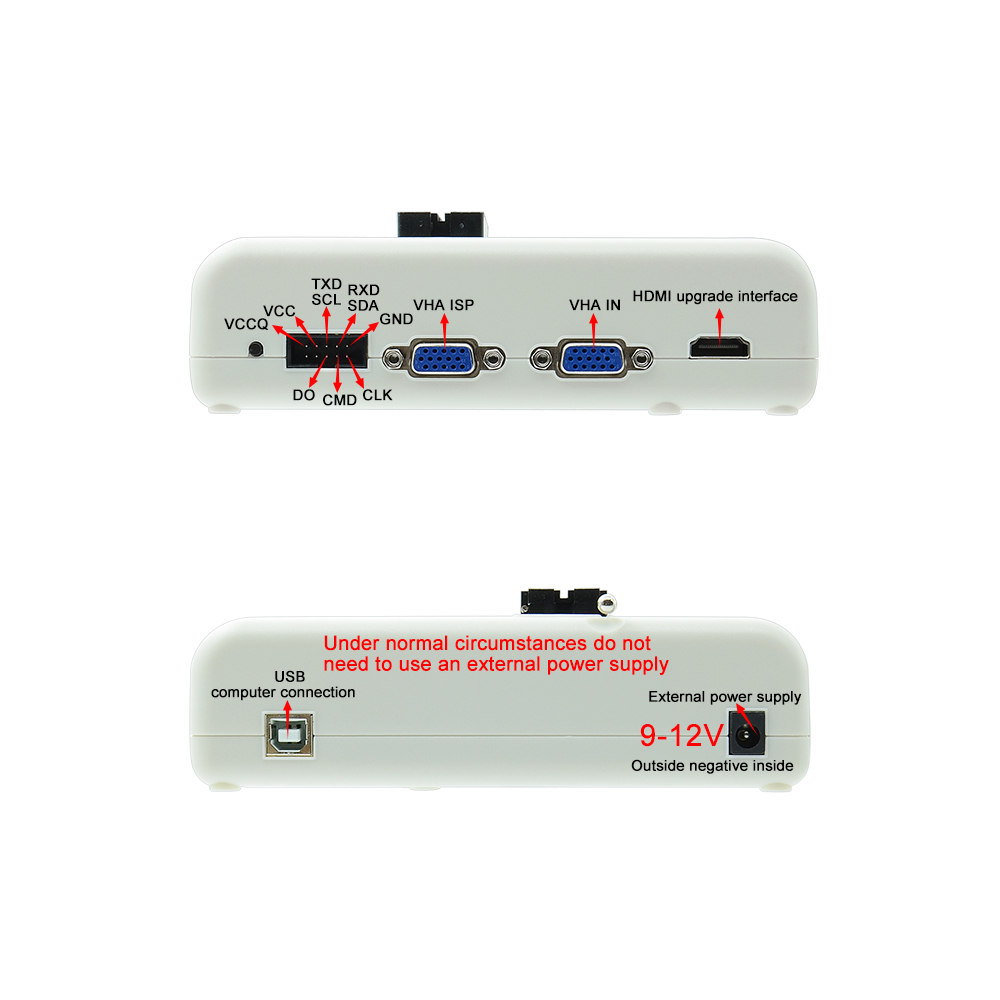
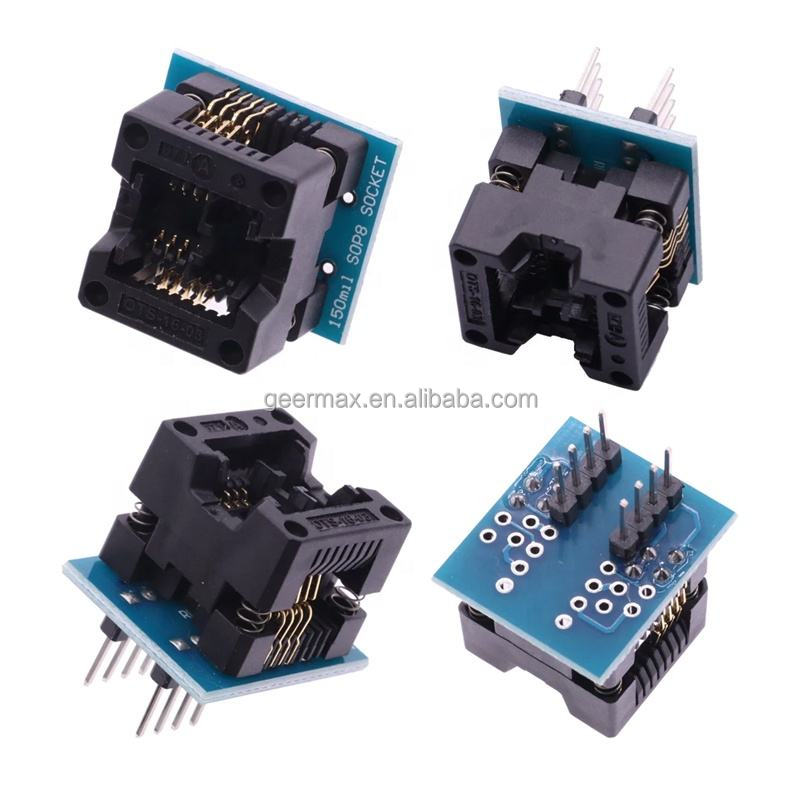
- Verify included items: USB cable, software disc or download link, adapter kits, and user manual.
- If reselling, ensure supplier allows dropshipping or white-label packaging.
- Upon receipt, inspect for physical defects and test with a known-good chip before deployment.
Maintenance, Safety & Legal Considerations
To maintain optimal performance:
- Keep firmware updated using trusted sources only.
- Clean ZIF sockets periodically with compressed air to remove debris.
- Store in a dry, temperature-controlled environment.
- Use anti-static wrist straps when handling chips to avoid ESD damage.
Safety-wise, never apply external power to the target board while connected to the programmer—this can cause short circuits. Also, double-check pin alignment before inserting chips to avoid bending.
Legally, ensure compliance with local regulations regarding firmware modification. While owning a programmer is legal, redistributing copyrighted firmware (e.g., OEM BIOS files) may violate intellectual property laws in some jurisdictions.
Conclusion
The RT809H universal programmer remains a powerful, cost-effective solution for anyone needing to program or recover memory chips. When evaluating options, focus on verified chip support, firmware reliability, and build quality rather than price alone. For most users, a mid-range enhanced model with USB 3.0 and metal shielding offers the best combination of performance and durability. Always buy from reputable sellers, verify specifications independently, and perform initial tests before relying on the device for critical tasks. With proper selection and care, the right RT809H programmer can serve reliably for years in repair, education, or personal projects.
FAQs
Q: Can the RT809H program Arduino or STM32 microcontrollers?
A: Only if they’re in standalone IC form and supported by the chip database. It does not program development boards directly via SPI/UART.
Q: Is there official software for the RT809H universal programmer?
A: Yes, the primary software is usually labeled “RT809H V6” or similar, provided by the manufacturer. Some users prefer alternative open-source tools for expanded features.
Q: How do I know if my RT809H needs a firmware update?
A: If it fails to detect chips it previously handled or lacks support for newly released ICs, a firmware update may be needed. Check the seller’s website for updates.
Q: What operating systems are compatible?
A: Most models support Windows XP through Windows 11 (32-bit and 64-bit). Linux and macOS are not officially supported but may work with virtualization.
Q: Can I use the RT809H to repair a smartphone?
A: Generally no—smartphones use BGA-packaged memory soldered directly to the board, making them inaccessible without desoldering, which the RT809H cannot handle safely.




 浙公网安备
33010002000092号
浙公网安备
33010002000092号 浙B2-20120091-4