
When choosing a pvc patch making machine for small business or industrial use, prioritize models with high mold precision, adjustable temperature control, and durable hydraulic systems—these features ensure consistent output of waterproof, flexible silicone rubber patches used in apparel, military gear, and promotional products 1. For most buyers, a semi-automatic machine offers the best balance between cost and efficiency, especially if you're producing custom patches at volumes between 500–2,000 units per month. Avoid overly cheap machines made with low-grade steel molds, as they often fail under continuous operation. Instead, focus on build quality, service support, and compatibility with liquid silicone rubber (LSR) materials—the industry standard for durable PVC-like emblems.
About PVC Patch Making Machines
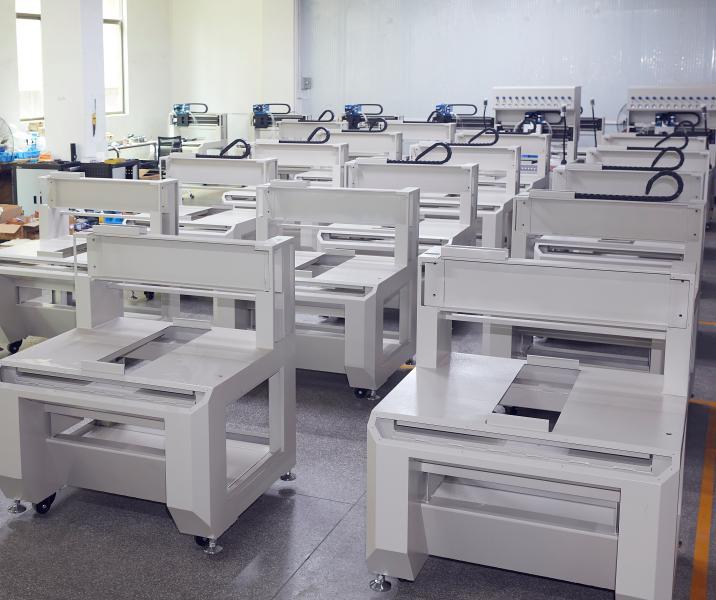
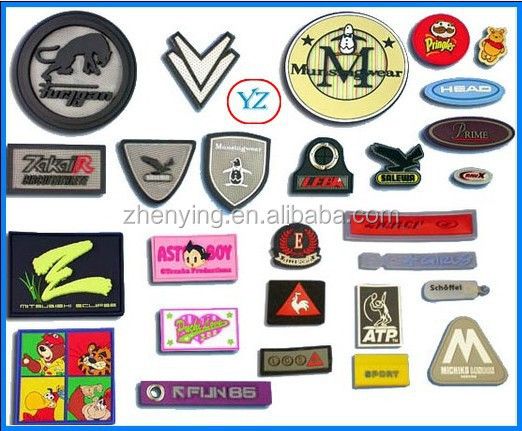
A PVC patch making machine is specialized equipment designed to produce three-dimensional rubberized patches commonly used on uniforms, bags, jackets, and tactical gear. Despite the name, these machines typically process liquid silicone rubber (LSR), which mimics the look and feel of traditional PVC but offers superior durability, UV resistance, and environmental safety 2. The manufacturing process involves injecting colored LSR into metal molds under controlled heat and pressure, curing the material into solid, flexible patches with sharp detail and vibrant colors.
These machines are widely adopted by small manufacturers, embroidery shops expanding into hard patches, and promotional product suppliers. They allow users to create fully customizable, weather-resistant patches without relying on third-party vendors. Common applications include law enforcement insignia, firefighter badges, corporate branding patches, and collectible pin-style emblems.
Why PVC Patch Making Machines Are Gaining Popularity
The demand for personalized, high-quality apparel accessories has surged in recent years, driven by growth in e-commerce, niche fashion markets, and custom merchandise platforms like Etsy and Amazon Handmade. As brands and individuals seek unique ways to stand out, 3D silicone patches have become a preferred choice due to their professional appearance and long lifespan.
Additionally, advancements in mold-making technology and affordable CNC machining have lowered entry barriers. It’s now feasible for small workshops to design and produce custom molds in-house or through low-cost overseas services. This accessibility, combined with rising consumer preference for tactile, premium branding elements, explains why more entrepreneurs are investing in how to choose a pvc patch making machine that suits their production scale.
Types and Variants of PVC Patch Making Machines
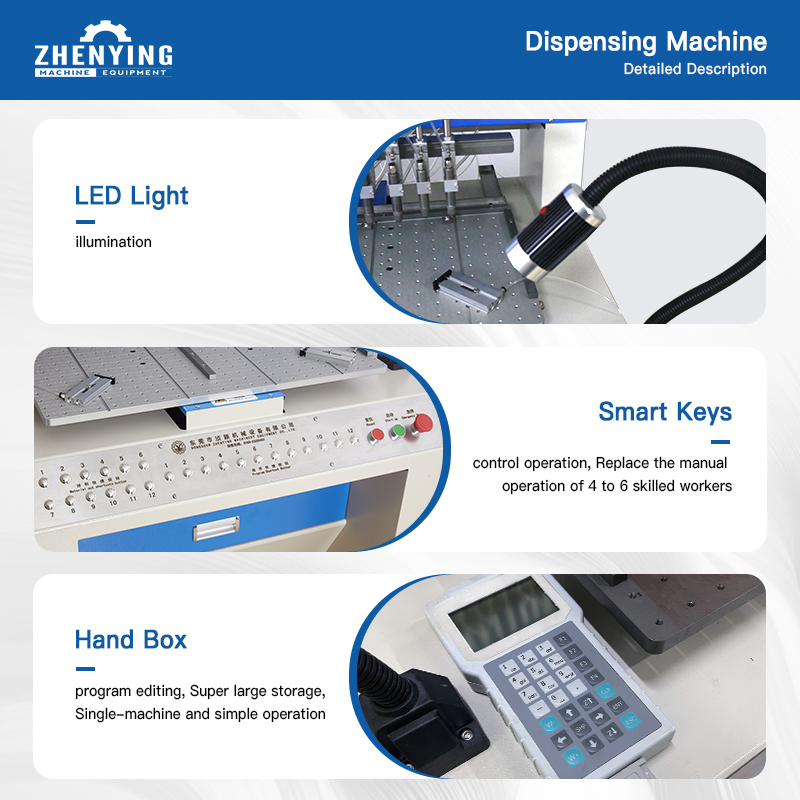
PVC patch making machines come in several configurations, each suited to different production needs and skill levels. Understanding these types helps clarify what kind of machine aligns with your goals.
Manual Press Machines
- Pros: Low initial cost, compact size, easy to operate for beginners.
- Cons: Slow production speed, inconsistent pressure application, not suitable for large batches.
- Best for: Hobbyists, startups testing market demand, or very low-volume production (under 100 patches/day).
Semi-Automatic Machines
- Pros: Balanced efficiency and affordability; automated heating and timing controls reduce human error.
- Cons: Requires operator intervention between cycles; throughput limited by manual loading/unloading.
- Best for: Small businesses producing 500–2,000 patches monthly; ideal when budget constraints exist but consistency matters.
Fully Automatic Machines
- Pros: High throughput (up to 3,000+ patches/day), consistent results, reduced labor costs.
- Cons: High upfront investment, complex maintenance, requires trained operators.
- Best for: Established manufacturers or contract producers handling bulk orders regularly.
Dual-Station vs. Single-Station Models
Dual-station machines allow simultaneous curing of two molds, effectively doubling output without increasing cycle time. While more expensive, they offer better scalability. Single-station units remain popular for space-limited environments.
Key Features and Specifications to Evaluate
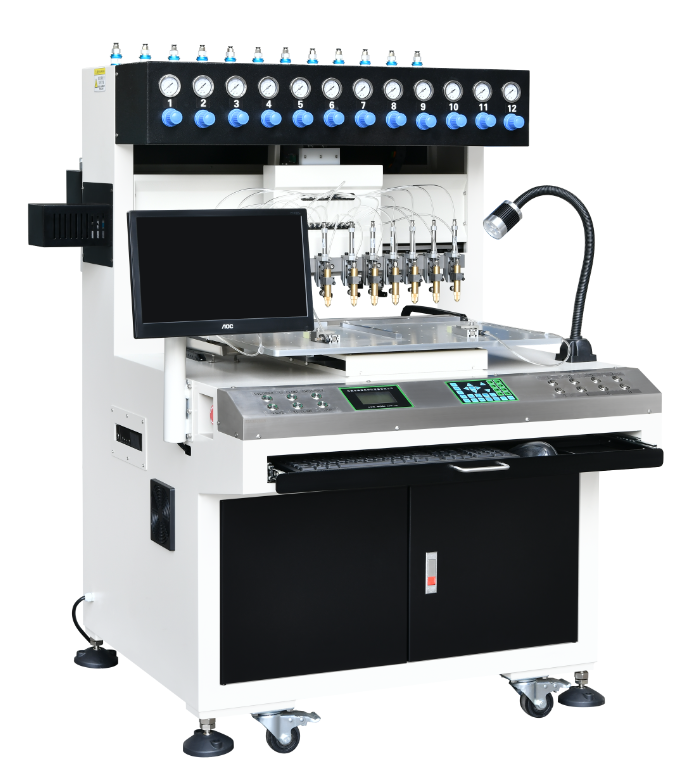
Selecting the right machine requires careful assessment of technical and operational characteristics. Here are the most critical factors to consider when evaluating options for your pvc patch making machine purchase:
- Mold Compatibility: Ensure the machine accepts standard mold sizes (typically 100x100mm or 150x150mm). Some models restrict mold thickness or require proprietary fixtures.
- Heating System: Look for even heat distribution across the platen (±2°C tolerance). Digital temperature controllers with PID feedback provide greater accuracy than analog dials.
- Pressure Control: Hydraulic systems should deliver consistent pressure (usually 5–15 tons). Adjustable pressure settings help optimize for thin or thick molds.
- Timer Accuracy: Precise curing times (±1 second) prevent under-cured or scorched patches. Programmable timers enhance repeatability.
- Platen Size: Larger platens accommodate bigger molds or multiple small ones. Standard sizes range from 100x100mm to 200x200mm.
- Safety Mechanisms: Emergency stop buttons, protective guards, and overheat protection are essential for safe daily operation.
- Build Quality: Stainless steel frames resist corrosion and vibration. Avoid machines with excessive plastic components in load-bearing areas.
- Power Requirements: Most machines run on 220V AC; confirm compatibility with local electrical standards before ordering.
Pros and Cons of Owning a PVC Patch Making Machine
Advantages
- Cost Savings Over Time: In-house production eliminates per-unit outsourcing fees, especially beneficial at medium-to-high volumes.
- Design Flexibility: Rapid prototyping allows quick changes to patch designs without MOQ penalties.
- Faster Turnaround: No shipping delays from external suppliers; ideal for urgent client requests.
- Brand Differentiation: Unique, high-quality patches enhance perceived value of garments and accessories.
Limitations
- Initial Investment: Entry-level machines start around $1,500, with advanced models exceeding $8,000.
- Learning Curve: Achieving consistent color mixing, degassing, and curing takes practice.
- Space and Noise: Industrial models require dedicated workspace and can generate noise during operation.
- Maintenance Needs: Regular cleaning of molds and hydraulic components is necessary to avoid defects.
How to Choose a PVC Patch Making Machine: Step-by-Step Buying Guide
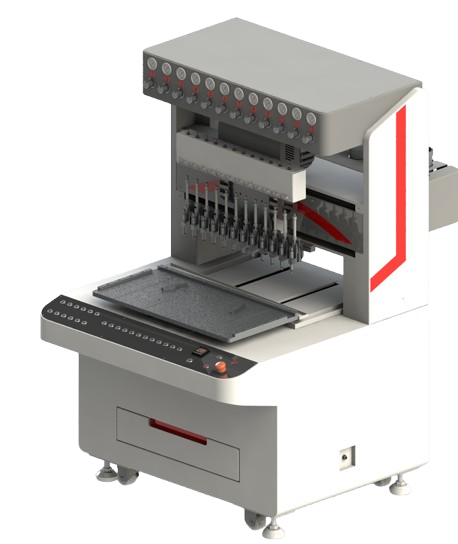
Follow this structured approach to make a confident decision:
- Define Your Production Volume: Estimate average monthly patch output. Below 500 units? Start with manual or basic semi-auto. Over 1,500? Consider dual-station semi-auto or full automation.
- Assess Available Space: Measure your workshop area. Compact models may fit on a table; larger units need floor space and ventilation.
- Set a Realistic Budget: Include not just the machine, but also molds, raw materials, spare parts, and potential training.
- Verify Technical Support: Check whether the supplier offers installation guidance, troubleshooting, and spare part availability. Poor post-sale service is a common complaint among buyers.
- Test Mold Compatibility: Confirm the machine works with custom molds you plan to use. Some brands lock users into proprietary systems.
- Evaluate Energy Efficiency: Compare wattage ratings—lower energy consumption reduces operating costs over time.
- Check Safety Certifications: Look for CE, ISO, or ETL marks indicating compliance with international safety standards.
- Read User Reviews Critically: Focus on long-term reliability reports rather than initial impressions. Recurring issues like leaking hydraulics or faulty thermostats are red flags.
Red Flags to Avoid:
- Unrealistically low prices (<$1,000 for 'industrial' models)
- Vague specifications (e.g., “high pressure” without tonnage data)
- No verifiable customer support contact
- Lack of instructional materials or video demonstrations
Price & Market Insights
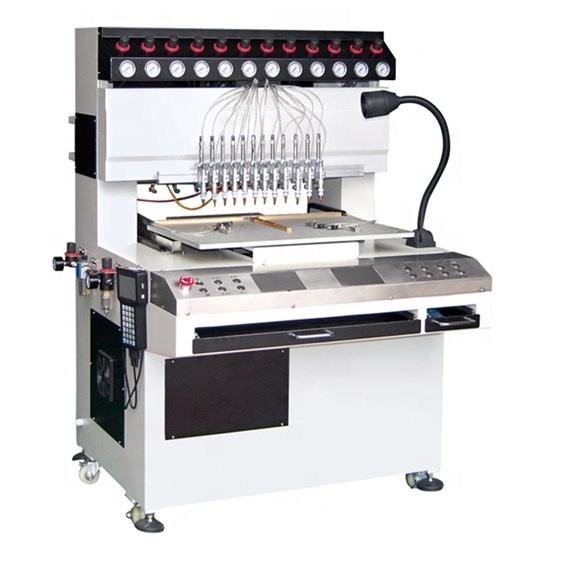
Understanding pricing tiers helps set realistic expectations:
- $800–$1,500: Manual or basic semi-automatic models; often imported from China with minimal warranty. Suitable only for trial runs or hobby use.
- $1,500–$3,500: Mid-range semi-auto machines with digital controls and decent build quality. This range offers the best value for small businesses.
- $3,500–$6,000: High-performance semi-auto or entry-level automatic systems with dual stations and enhanced durability.
- $6,000–$10,000+: Fully automatic lines with conveyor integration, ideal for mass production facilities.
Be cautious of hidden costs: molds typically cost $100–$300 each depending on complexity, and liquid silicone starts at ~$8/kg. Factor these into ROI calculations. Also, note that machines labeled “PVC” may still require LSR-compatible components—verify material compatibility before purchasing.
| Model Type | Avg. Price | Output (patches/hour) | Best Use Case |
|---|---|---|---|
| Manual Press | $800–$1,200 | 50–100 | Hobbyists, sample creation |
| Semi-Auto Single Station | $1,800–$2,500 | 150–200 | Small batch production |
| Semi-Auto Dual Station | $3,000–$4,000 | 300–400 | Medium-scale operations |
| Fully Automatic | $6,000–$9,000 | 600+ | Industrial manufacturers |
Top-Seller & Competitive Analysis
Based on market presence and verified buyer feedback, leading brands include JMC, Kangsheng, and Ruian Xinyu Machinery. These companies dominate global exports and offer various configurations tailored to different scales.
- JMC-200T Series: Known for robust construction and precise temperature control. Offers optional PLC upgrades for automation. Frequently cited for reliable after-sales service.
- Kangsheng KS-300D: Popular dual-station model with wide platen and intuitive interface. Some users report occasional sensor calibration issues after prolonged use.
- Ruian Xinyu XY-50: Budget-friendly option with solid performance for entry-level semi-auto tasks. Limited availability of replacement parts outside Asia.
When comparing top sellers, prioritize ease of maintenance and availability of localized service centers. Machines with modular designs simplify repairs and reduce downtime.
Customer Feedback Synthesis
Analyzing hundreds of verified reviews reveals consistent patterns in user satisfaction:
Common Praises:
- “The machine produces clean, bubble-free patches with excellent color retention.”
- “Digital timer and thermostat make repeat jobs much easier.”
- “After-sales team responded quickly when I had a heating issue.”
Recurring Complaints:
- “Hydraulic pump leaked after three months—needed factory repair.”
- “Instructions were poorly translated; had to find tutorial videos online.”
- “Mold alignment was off, causing uneven edges until recalibrated.”
To mitigate risks, verify whether the seller provides clear manuals, responsive support, and accessible spare parts. Consider purchasing an extended warranty if available.
Sourcing & Supplier Tips
Most pvc patch making machines are manufactured in China, though some European and North American distributors resell them with added service packages. Direct sourcing via B2B platforms like Alibaba or Made-in-China can yield lower prices but increases risk.
Tips for Safe Sourcing:
- Request real-time video demonstrations before payment.
- Use trade assurance programs to protect against non-delivery.
- Order one unit first to test quality before committing to bulk purchases.
- Clarify shipping terms (FOB, CIF) and import duties applicable in your country.
- Ask about return policies and warranty coverage duration (standard is 12 months).
For resellers or drop-shippers, partner with suppliers offering white-label packaging and private labeling options.
Maintenance, Safety & Legal Considerations
Proper upkeep ensures longevity and safe operation:
- Daily Maintenance: Clean mold surfaces with alcohol wipes; inspect hoses and seals for wear.
- Monthly Checks: Lubricate moving parts, calibrate temperature sensors, check hydraulic fluid levels.
- Safety Practices: Always wear heat-resistant gloves and eye protection during operation. Keep flammable materials away from heated components.
- Legal Compliance: In the U.S. and EU, ensure machines meet electrical safety standards (UL, CE). If selling patches commercially, verify compliance with CPSIA (children’s products) or REACH (chemical safety) where applicable.
Conclusion
Choosing the right pvc patch making machine depends on your production goals, budget, and technical capacity. For most small to mid-sized operations, a semi-automatic model with digital controls and dual-station capability delivers optimal value. Prioritize build quality, supplier reputation, and service support over lowest price. By carefully assessing features like temperature stability, pressure control, and mold compatibility, you can select a machine that reliably produces high-quality, durable patches. Whether entering the custom apparel market or expanding an existing line, investing in the correct equipment lays the foundation for scalable, profitable production.
FAQs
Q: Can a pvc patch making machine work with other materials besides silicone?
A: While designed for liquid silicone rubber (LSR), some machines can process polyurethane (PU) with adjustments. However, PVC resin is generally not recommended due to higher melting temperatures and corrosive fumes.
Q: How long does it take to learn how to operate a pvc patch making machine?
A: Beginners typically require 1–2 weeks of practice to master mold preparation, color mixing, and curing settings. Manufacturers often provide basic training videos or guides.
Q: Are replacement molds expensive and easy to source?
A: Custom steel molds cost $100–$300 each and can be ordered from CNC machining services worldwide. Simpler designs are cheaper and faster to produce.
Q: Do I need ventilation when using a pvc patch making machine?
A: Yes. Although LSR emits minimal fumes, proper airflow reduces any odor and improves workplace safety, especially in enclosed spaces.
Q: What’s the typical lifespan of a pvc patch making machine?
A: With regular maintenance, industrial-grade machines last 5–10 years. Hydraulic components and heating elements may need replacement after 3–5 years under heavy use.





 浙公网安备
33010002000092号
浙公网安备
33010002000092号 浙B2-20120091-4