
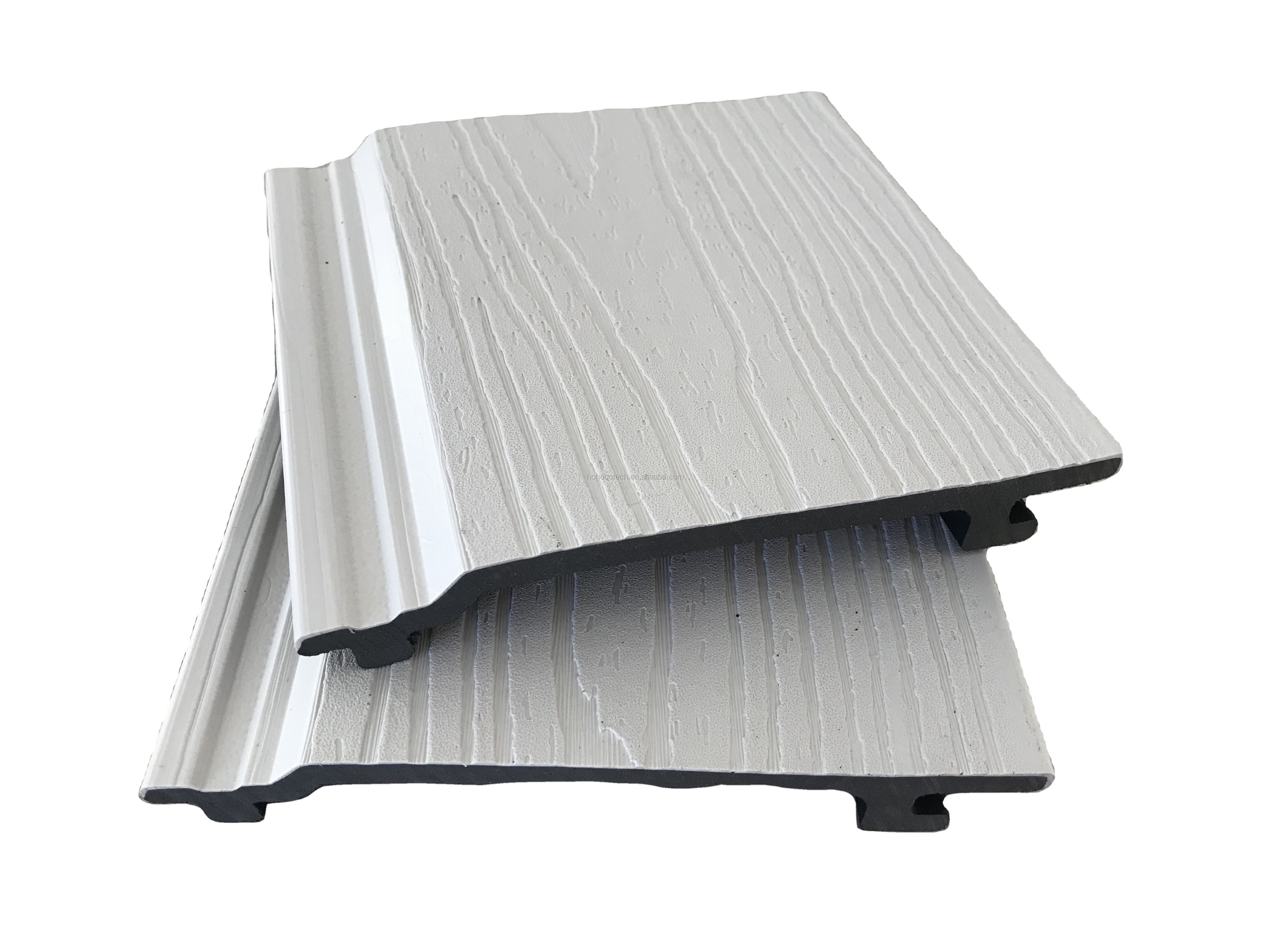
When selecting the best outer wall cladding for your building project, prioritize durability, weather resistance, and low maintenance. Composite and fiber cement cladding often offer the strongest balance of longevity and aesthetic flexibility, especially in regions with extreme climates. For those asking how to choose outer wall cladding, focus on material composition, fire rating, insulation value, and installation method—these factors directly impact performance and lifecycle cost.
About Outer Wall Cladding
Outer wall cladding refers to a protective and decorative layer applied to the exterior walls of buildings. It serves both functional and aesthetic purposes, shielding the underlying structure from environmental elements such as rain, wind, UV radiation, and temperature fluctuations. Commonly used in residential, commercial, and industrial construction, cladding enhances energy efficiency, improves sound insulation, and modernizes architectural appearance.
Cladding systems can be attached using fixed rails (rainscreen systems), direct bonding, or mechanical fasteners. They are not load-bearing but play a crucial role in moisture management and thermal regulation. Typical applications include renovating older buildings, upgrading insulation, or achieving a contemporary facade design without structural changes.
Why Outer Wall Cladding Is Gaining Popularity
The growing demand for energy-efficient and visually adaptable building solutions has driven increased adoption of modern outer wall cladding systems. Urban redevelopment projects and homeowner renovations alike favor cladding due to its ability to transform outdated exteriors with minimal disruption.
One major driver is improved sustainability. Many cladding materials now incorporate recycled content and contribute to better building insulation, reducing heating and cooling costs. According to industry reports, the global exterior cladding market is projected to grow significantly over the next decade, fueled by green building standards and rising consumer awareness about long-term building performance 1.
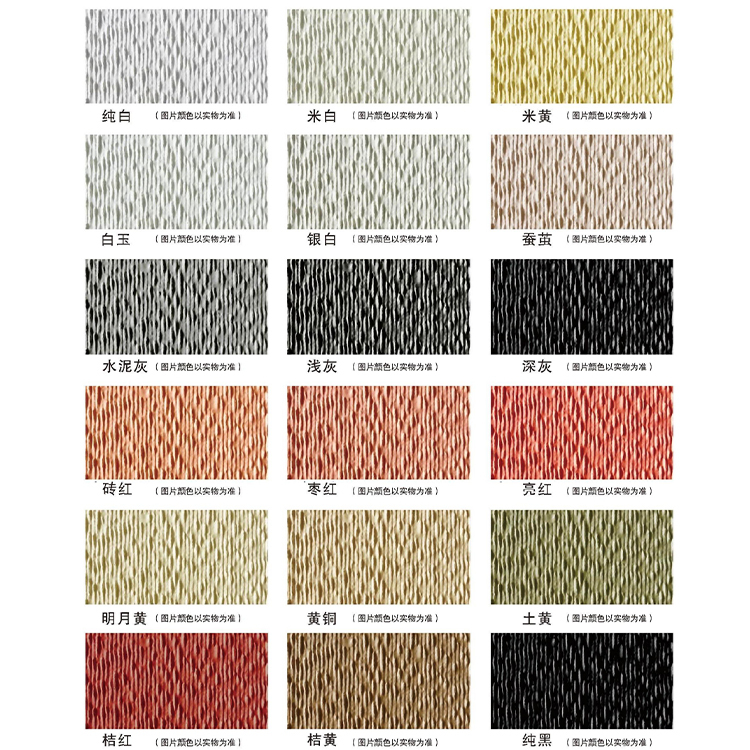
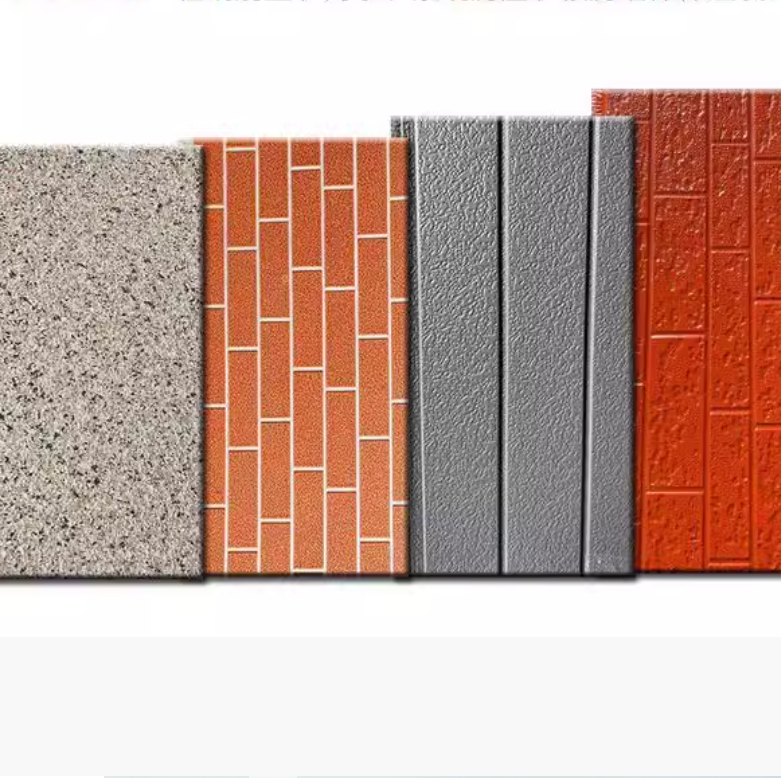
Additionally, advancements in manufacturing have expanded design options—cladding can mimic wood, brick, stone, or metal finishes while offering superior durability and lower upkeep than natural materials.
Types and Variants
Understanding the different types of outer wall cladding helps buyers match material properties to their climate, budget, and design goals.
1. Fiber Cement Cladding
Made from cement, sand, and cellulose fibers, this rigid panel or plank system is highly durable and resistant to rot, insects, and fire.
- Pros: Long lifespan (30+ years), excellent fire resistance, paintable surface, suitable for various climates.
- Cons: Heavy (requires strong support), prone to cracking if improperly installed, periodic repainting needed.
2. Metal Cladding (Aluminum & Steel)
Lightweight panels made from aluminum or coated steel, often used in commercial buildings but increasingly popular in modern homes.
- Pros: High strength-to-weight ratio, recyclable, low maintenance, available in many colors and profiles (e.g., standing seam, corrugated).
- Cons: Can dent under impact, may conduct heat (reducing insulation unless backed), higher initial cost.
3. Wood & Engineered Wood Cladding
Natural timber or modified wood products like thermally treated wood or acetylated wood offer warm aesthetics.
- Pros: Biodegradable, renewable, unique grain patterns, good insulator.
- Cons: Requires regular sealing/staining, susceptible to mold and insect damage if untreated, shorter lifespan than synthetic options.
4. Vinyl (PVC) Cladding
Inexpensive, lightweight panels commonly used in North America.
- Pros: Affordable, easy to install, minimal maintenance, wide color selection.
- Cons: Less durable in extreme temperatures, limited design depth, not environmentally friendly at end-of-life.
5. Composite Cladding
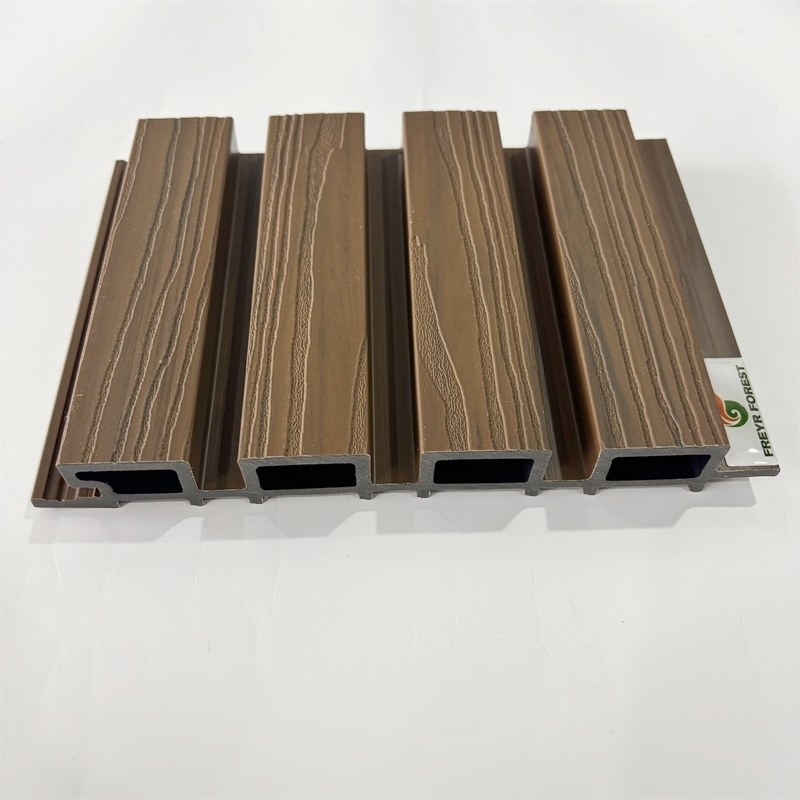
Blends wood fibers with plastic (typically HDPE or PVC), combining organic look with enhanced resilience.
- Pros: Resists warping, fading, and moisture; requires little maintenance; available in wood-like textures.
- Cons: Higher upfront cost, variable quality between brands, some early versions showed color degradation.
6. Brick & Stone Veneer
Thin slices of real brick or natural stone mounted over a backing system.
- Pros: Authentic appearance, high perceived value, excellent durability.
- Cons: Expensive, heavy, complex installation, limited breathability.
Key Features and Specifications to Evaluate
To make an informed choice when evaluating what to look for in outer wall cladding, consider these critical specifications:
- Weather Resistance: Look for products tested against water ingress, freeze-thaw cycles, and wind load. In coastal areas, salt spray resistance is essential.
- Fire Rating: Check local building codes. Materials should meet Class A (non-combustible) or at least Class B ratings, especially in urban settings.
- Thermal Performance: Consider U-values or R-values if integrating with insulation systems. Some cladding includes integrated air cavities for improved ventilation.
- Maintenance Requirements: Ask how often cleaning, repainting, or resealing is needed. Low-maintenance options save time and cost over decades.
- Lifespan: Compare manufacturer warranties (typically 10–50 years). Longer warranties usually reflect confidence in product durability.
- Installation Method: Rainscreen systems allow behind-panel drainage and drying, reducing moisture buildup. Direct-fixed systems are simpler but less forgiving in wet climates.
- Sustainability: Assess recycled content, carbon footprint, and recyclability at end-of-life. Certifications like EPD (Environmental Product Declaration) add credibility.
Pros and Cons: When to Use Outer Wall Cladding
Advantages:
- Extends building envelope life by protecting structural walls
- Improves curb appeal and property value
- Enhances energy efficiency when combined with insulation
- Offers design versatility without full reconstruction
Disadvantages:
- Upfront investment can be high, especially for premium materials
- Poor installation can lead to moisture trapping and mold growth
- Some materials degrade under prolonged UV exposure or pollution
- May require professional installation, increasing labor costs
Cladding is ideal for renovation projects, new builds aiming for modern aesthetics, or structures in harsh environments. However, it may not be necessary for well-maintained buildings in mild climates where structural integrity remains intact.
How to Choose Outer Wall Cladding
Follow this step-by-step guide to ensure you select the right cladding system:
- Assess Your Climate Zone: In rainy or humid regions, prioritize ventilated rainscreen systems. In fire-prone areas, opt for non-combustible materials like fiber cement or metal.
- Determine Budget Range: Set a per-square-meter cost limit, including materials and labor. Remember that cheaper materials may incur higher long-term maintenance.
- Evaluate Aesthetic Goals: Match cladding style to neighborhood character and architectural style—modern designs suit metal or large-format panels; traditional homes may benefit from wood-look composites.
- Check Local Building Codes: Verify requirements for fire safety, wind uplift, and vapor permeability. Always confirm compliance before purchase.
- Review Warranty Terms: Look for comprehensive coverage covering fade resistance, structural integrity, and installation defects.
- Avoid Red Flags: Be cautious of suppliers who don’t provide technical data sheets, lack third-party testing, or pressure you into quick decisions without site assessment.
Price & Market Insights
Prices vary widely based on material type, thickness, finish, and region:
- Vinyl: $5–$10 per sqm (material only)
- Fiber Cement: $12–$25 per sqm
- Composite: $20–$40 per sqm
- Metal: $25–$60 per sqm
- Wood: $15–$50+ per sqm (depending on species)
- Stone Veneer: $40–$100+ per sqm
Labor costs typically add 30%–70% to material prices, depending on complexity and location. While vinyl offers the lowest entry point, fiber cement and composite often deliver better long-term value due to longer service life and reduced upkeep.
Mid-range products from reputable manufacturers tend to offer the best balance of price and reliability. Avoid extremely cheap imports unless they come with verified certifications and local support.
| Material | Avg. Cost (per sqm) | Lifespan | Maintenance Level | Fire Rating |
|---|---|---|---|---|
| Fiber Cement | $12–$25 | 30–50 years | Medium | Class A |
| Composite | $20–$40 | 25–40 years | Low | Class B–C |
| Metal | $25–$60 | 40+ years | Low | Class A |
| Vinyl | $5–$10 | 15–25 years | Low | Class C |
| Wood | $15–$50+ | 15–30 years | High | Class C (unless treated) |
Top-Seller & Competitive Analysis
Leading brands such as James Hardie (fiber cement), Alumil (aluminum), and NewTechWood (composite) dominate the market due to consistent quality and extensive warranty programs. Top-selling models often feature pre-finished surfaces, interlocking panel designs, and compatibility with standard framing systems.
When comparing top sellers, examine independent test results for color retention, impact resistance, and dimensional stability. For example, some composite claddings have improved UV stabilizers that reduce fading after five years of exposure.
Be cautious of generic-branded products sold online that lack detailed technical documentation. Stick with suppliers who offer sample kits, installation guides, and access to certified contractors.
Customer Feedback Synthesis
Analyzing hundreds of verified buyer reviews reveals common themes:
Positive Feedback:
- Appreciation for ease of cleaning and long-term appearance retention
- Praise for dramatic visual transformation of old facades
- Satisfaction with energy savings after adding insulated cladding systems
- Relief at avoiding full wall replacement during renovation
Common Complaints:
- Unexpected expansion/contraction causing gaps or buckling
- Fading or chalking within 3–5 years, especially in dark-colored vinyl or low-grade composites
- Difficulty finding skilled installers familiar with specific systems
- Hidden costs related to substructure preparation or flashing details
Many issues stem from improper installation rather than material failure. Buyers frequently recommend hiring specialists trained by the manufacturer.
Sourcing & Supplier Tips
Purchase cladding through authorized distributors, specialty building suppliers, or directly from manufacturers. Avoid unknown online marketplaces unless the seller provides verifiable contact information and return policies.
For bulk purchases (e.g., multi-unit developments), request quotes from multiple vendors and ask for project references. Consider working with suppliers who offer take-back programs or recycling assistance at end-of-life.
Before accepting delivery, inspect panels for warping, surface blemishes, or inconsistent coloring. Store materials flat and covered to prevent moisture absorption or UV degradation prior to installation.
Maintenance, Safety & Legal Considerations
Regular maintenance extends cladding life. Inspect annually for loose fasteners, sealant degradation, or debris accumulation in drainage channels. Clean with mild detergent and water; avoid pressure washing above 1,500 psi, which can damage surfaces.
Safety concerns include fall risks during installation and handling heavy panels. Always use proper PPE and follow manufacturer guidelines for ladder placement and lifting techniques.
Legally, ensure the cladding meets local fire codes—especially important after incidents like the Grenfell Tower fire, which led to stricter regulations in many countries 2. In the UK, ACM (aluminum composite material) with polyethylene core is now restricted in high-rise buildings. Always verify compliance with national and municipal standards.
Conclusion
Choosing the right outer wall cladding requires balancing performance, cost, and design. For most homeowners and builders, fiber cement and high-quality composite materials offer the best combination of durability, safety, and visual appeal. Prioritize certified products, professional installation, and ongoing maintenance to maximize return on investment. By understanding your environment, needs, and available options, you can confidently select a cladding solution that protects and enhances your building for decades.
FAQs
What is the most durable type of outer wall cladding?
Fiber cement and metal cladding are among the most durable, with lifespans exceeding 30 years when properly installed and maintained.
Can I install outer wall cladding myself?
Simple systems like vinyl or tongue-and-groove composite boards can be DIY-friendly, but complex rainscreen or metal systems should be handled by professionals.
Does cladding improve energy efficiency?
Yes, especially when combined with insulation and ventilated air gaps, cladding reduces heat transfer and lowers HVAC costs.
How do I prevent mold behind cladding?
Use a rainscreen system with adequate airflow, ensure proper flashings, and avoid sealing the bottom vents to allow moisture escape.
Is planning permission required for installing cladding?
In many jurisdictions, yes—particularly for listed buildings or changes in appearance. Always check with local authorities before starting work.




 浙公网安备
33010002000092号
 浙B2-20120091-4