
When choosing an M16a engine for a vehicle restoration, performance upgrade, or replacement, prioritize compatibility with your chassis, verify engine condition (low-mileage preferred), and confirm emissions compliance for your region. A well-maintained used M16A engine from a reputable salvage yard often offers the best value—especially if you're searching for a fuel-efficient, compact inline-4 engine originally found in select Suzuki models like the SX4 and Swift 1. Always inspect for leaks, compression test when possible, and ensure ECU and harness are included for smoother integration.
About M16A Engine
The M16A engine is a 1.6-liter inline-four gasoline engine developed by Suzuki Motor Corporation, primarily used in front-wheel-drive compact and subcompact vehicles. First introduced in the mid-2000s, it belongs to Suzuki's M-series family of engines known for lightweight construction, high-revving performance, and excellent fuel economy. The M16A typically features dual overhead camshafts (DOHC), 16 valves, and variable valve timing (VVT), delivering a balance of responsiveness and efficiency.
This engine was most commonly installed in models such as the Suzuki SX4 (2006–2014), Suzuki Swift (ZC31S generation), and certain variants of the Suzuki Aerio. It produces between 105 to 133 horsepower depending on tuning and market specifications, with torque ranging from 110 to 118 lb-ft. Its compact size and transverse mounting make it ideal for small crossovers and hatchbacks. While not designed as a high-performance powerplant, the M16A is praised for reliability and ease of maintenance under normal driving conditions 2.
Why M16A Engine Is Gaining Popularity
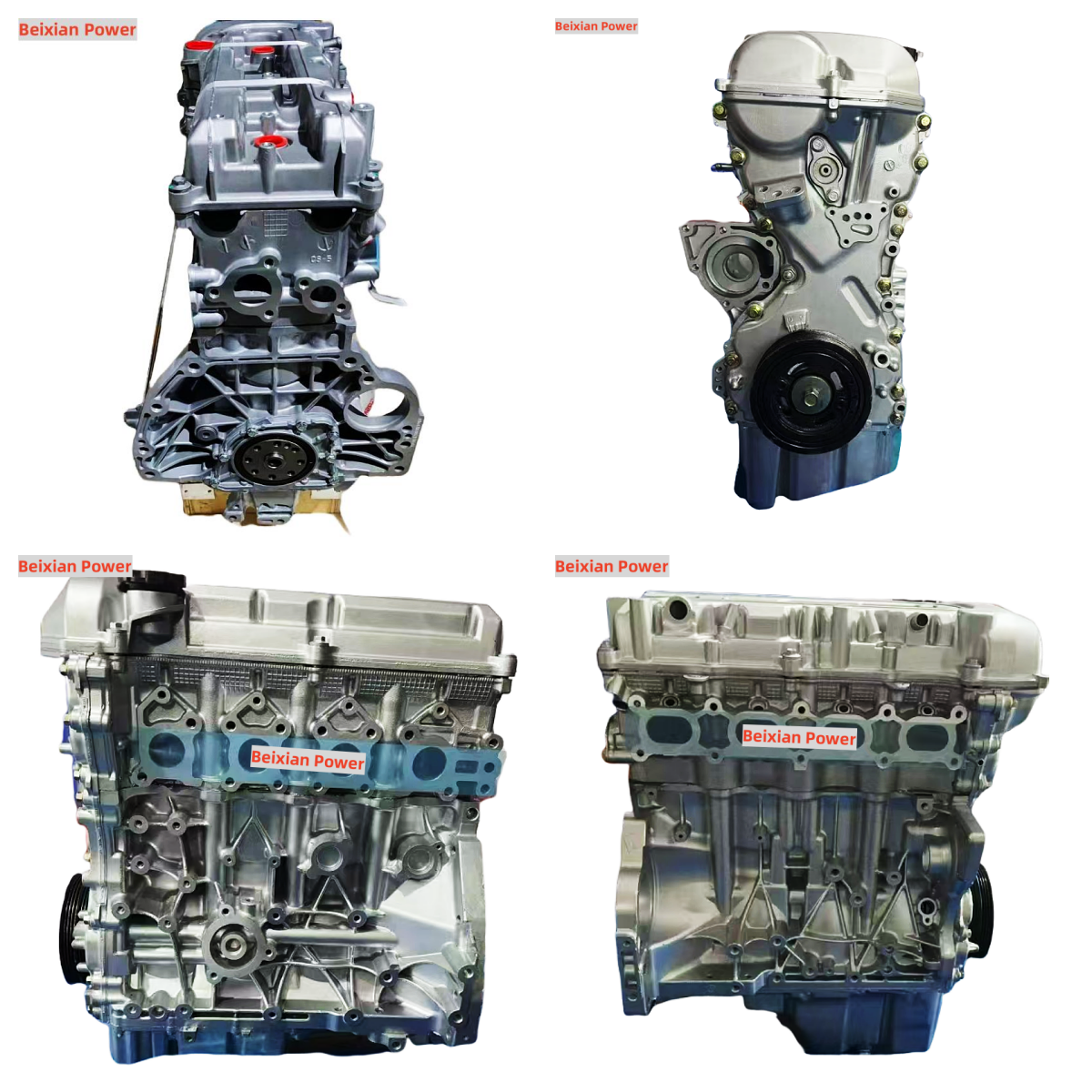
Despite being discontinued in most new production lines after 2014, demand for the M16A engine has remained steady—particularly among DIY mechanics, import car enthusiasts, and those restoring older Suzuki or rebadged Fiat vehicles (such as the Fiat Sedici, which shares mechanical components with the SX4). One key reason is its reputation for durability; many examples exceed 150,000 miles with only routine servicing.
Additionally, the rise of affordable global shipping and online auto parts marketplaces has made sourcing used or rebuilt M16A engines easier than ever. Enthusiasts also appreciate the engine’s potential for mild modifications—such as cold air intakes, exhaust upgrades, and ECU remapping—that can extract additional power without compromising longevity. In regions where fuel prices are high, the M16A’s efficient combustion design makes it a practical choice for economical daily drivers.
Types and Variants

The M16A comes in several variations, differing slightly in output, ancillary components, and emissions systems based on model year and geographic market:
- M16A (Base Version): Found in early Suzuki Aerio and Swift models. Delivers around 105 hp. Simpler VVT system and carbureted-like fuel delivery in some markets. Pros: Mechanically simple, easy to repair. Cons: Lower power output, less refined at higher RPMs.
- M16A (SX4 Tuning): Used in 2007–2014 SX4 models, especially FWD versions. Output increases to approximately 115–125 hp depending on trim. Includes electronic throttle control and enhanced emissions controls. Pros: Better low-end torque, compatible with modern diagnostics. Cons: More complex sensors and wiring harnesses may fail over time.
- M16A (Sport / Swift Sport ZC31S): High-output variant producing up to 133 hp. Features revised intake manifold, higher compression ratio, and sport-tuned exhaust. Used exclusively in performance-oriented Swift trims. Pros: Strongest acceleration in class, responsive throttle. Cons: Harder to find, often more expensive, sensitive to poor fuel quality.
It’s important to note that while these engines share core architecture, they are not always directly interchangeable due to differences in motor mounts, ECU programming, and accessory placement.
Key Features and Specifications to Evaluate
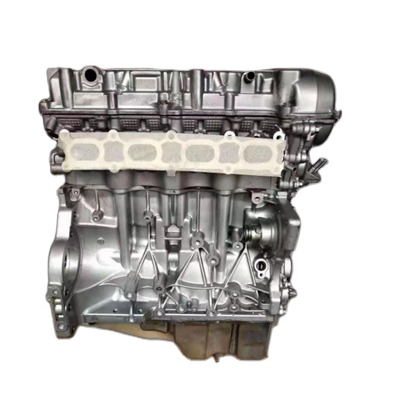
Before purchasing an M16A engine, evaluate the following technical aspects to ensure suitability:
- Displacement & Configuration: Confirm it’s a true 1.6L DOHC I4. Avoid confusion with the smaller M13A or turbocharged K-series engines.
- Horsepower and Torque Ratings: Check original factory specs for the specific model year and application. Differences of up to 28 hp exist across variants.
- Fuel System: Most use multi-point fuel injection (MPFI). Verify injector condition and fuel rail integrity if buying used.
- Emissions Compliance: U.S., EU, and Japanese domestic market (JDM) engines have different catalytic converter setups and OBD-II requirements. Ensure compatibility with local regulations.
- Engine Management System: The ECU must match the engine type. Mixing ECUs from different M16A trims can cause drivability issues.
- Compression Test Results: If available, request dry and wet compression numbers. Healthy cylinders should read within 10% of each other and above 170 psi.
- Included Components: Determine whether the engine comes with the transmission, wiring harness, ECU, alternator, AC compressor, and exhaust manifold. Missing parts increase labor and cost.
Pros and Cons
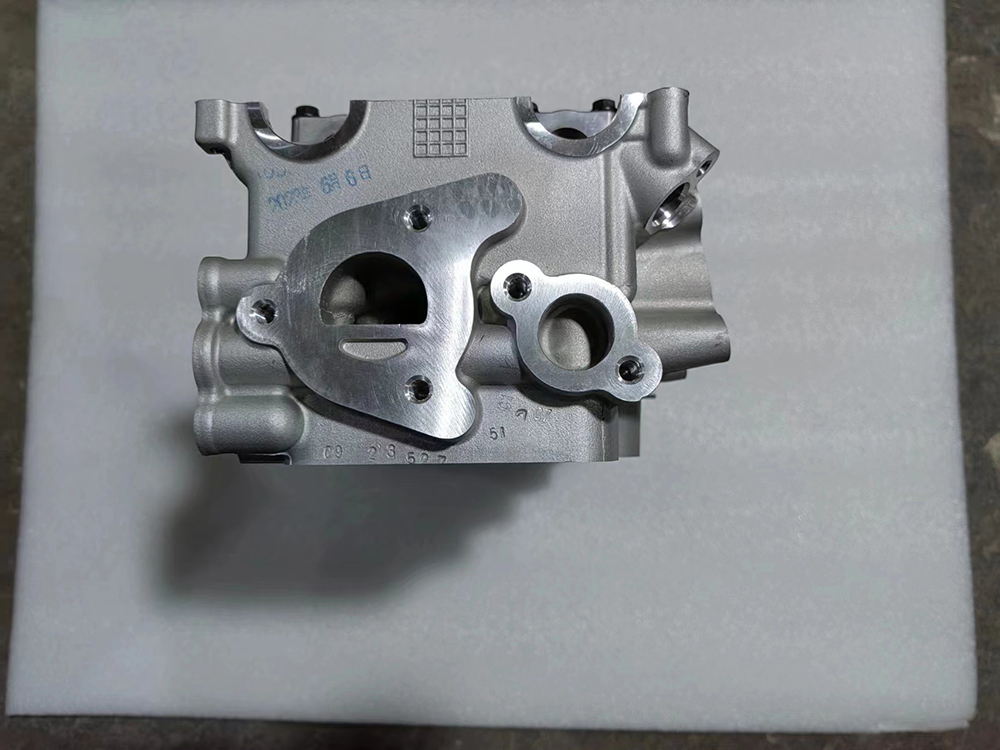
Advantages:
- Proven reliability with proper maintenance
- Fuel-efficient, averaging 25–30 MPG combined
- Compact size allows for easier installation in tight engine bays
- Widely documented repair procedures and aftermarket support
- Affordable compared to larger or turbocharged alternatives
Disadvantages:
- Limited power output for performance applications
- Older units may suffer from timing chain wear (not belt-driven)
- Parts availability decreasing outside Japan and North America
- No factory turbo option limits forced induction potential
- Sensitive to oil quality; sludge buildup reported in neglected engines
The M16A engine is best suited for commuters, city drivers, and restoration projects focused on authenticity. It’s less ideal for towing, off-roading, or those seeking spirited acceleration.
How to Choose M16A Engine
Follow this step-by-step checklist when selecting an M16A engine:
- Confirm Vehicle Compatibility: Match the engine code exactly to your model and year. For example, a Swift Sport M16A won’t bolt into an Aerio without modification.
- Determine Condition: Prefer low-mileage (<100,000 miles), non-salvage-title engines. Rebuilt or remanufactured options are acceptable if certified by a reputable shop.
- Inspect Visually: Look for oil leaks, corrosion, cracked mounts, or signs of overheating (discoloration on exhaust manifolds).
- Request Maintenance Records: Engines with documented oil changes and cooling system service are lower risk.
- Verify Legal and Environmental Fit: Some states (e.g., California) require smog-legal engines for registration. Confirm OBD-II compliance and catalytic converter status.
- Check Seller Reputation: Use platforms like RockAuto, Car-Part.com, or licensed dismantlers. Avoid sellers who refuse video inspections or deny pickup requests.
- Negotiate Inclusions: Aim to get the ECU, harness, sensors, and brackets included. These can cost hundreds separately.
- Plan for Installation: Factor in labor costs (~$500–$1,200) and potential need for alignment tools or torque specs.
Red flags include unusually low prices, no VIN or engine number provided, refusal to provide photos from multiple angles, and claims of “perfect condition” without evidence.
Price & Market Insights
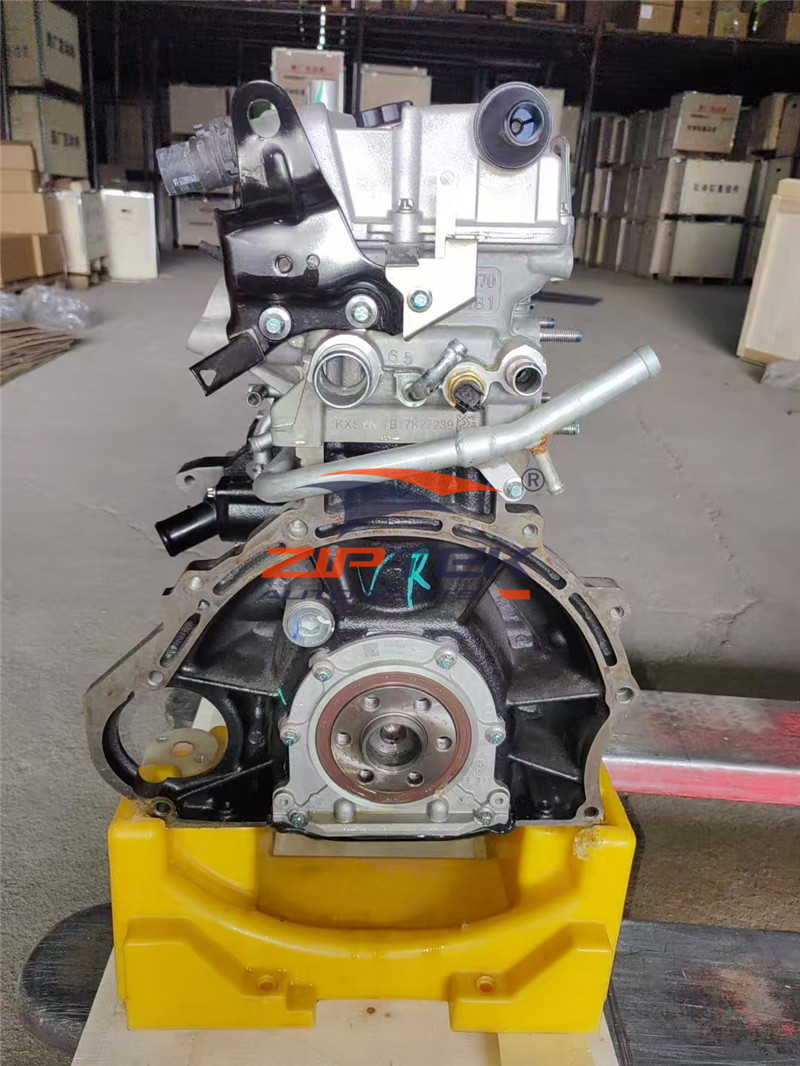
As of 2024, the average price range for a used M16A engine varies significantly by source and condition:
- Junkyard Pull (Core Charge): $400 – $700
- Rebuilt (Domestic): $1,100 – $1,600
- Imported JDM (Low Mileage): $800 – $1,300 + shipping
- New Old Stock (Rare): Not generally available
Best value is typically found in verified low-mileage JDM engines or locally sourced units from dismantlers offering warranties (usually 90 days to 1 year). Rebuilt engines from companies like Remanufactured Engines LLC offer longer guarantees but come at a premium. Be cautious of prices below $400—these often indicate flood damage, seized internals, or incomplete assemblies.
Top-Seller & Competitive Analysis
Below is a comparison of three commonly purchased M16A engine sources:
| Source | Price Range | Warranty | Typical Mileage | Best For |
|---|---|---|---|---|
| Local Auto Salvage Yard | $450–$700 | 90 days | 80k–140k | Budget-conscious buyers needing quick access |
| JDM Import Specialist | $900–$1,300 | 6 months | 30k–70k | Long-term reliability, lower wear |
| Domestic Rebuilder | $1,200–$1,600 | 2 years | 0 (remanufactured) | Peace of mind, full warranty coverage |
Each option serves different needs: local yards offer immediacy, JDM imports deliver superior condition, and domestic rebuilders provide long-term security.
Customer Feedback Synthesis
Analysis of buyer reviews across forums (e.g., Suzuki Forums, Reddit r/MechanicAdvice) and marketplace feedback reveals consistent patterns:
Common Praises:
- “Installed a JDM M16A in my 2008 SX4—ran perfectly from day one.”
- “Great fuel economy improvement over my old V6.”
- “Seller included the ECU and harness, which saved me hours of work.”
Common Complaints:
- “Engine misfired immediately—turned out the ECU didn’t match the VVT calibration.”
- “No return policy. Found out it had a spun bearing after installation.”
- “Missing critical bolts and sensors. Ended up spending extra.”
Key takeaways: buyer satisfaction heavily depends on component completeness, accurate description, and post-purchase support. Misalignment between ECU and engine variant remains a frequent issue.
Sourcing & Supplier Tips
When sourcing an M16A engine:
- Use Car-Part.com to search salvage yards globally by VIN or engine code.
- Consider working with JDM exporters like Casco Parts or JDM Island for low-mileage Japanese imports.
- For bulk purchases (e.g., repair shops), negotiate volume discounts with dismantlers.
- Always request a pre-shipment video showing the engine running (if possible) or at least a detailed visual inspection.
- Verify export documentation and customs clearance requirements, especially for international orders.
Maintenance, Safety & Legal Considerations
Once installed, follow these guidelines:
- Oil Changes: Use 5W-30 synthetic blend or full synthetic every 5,000 miles to prevent sludge.
- Cooling System: Flush coolant every 3 years; monitor thermostat and water pump operation.
- Timing Chain: Unlike belt-driven engines, the M16A uses a timing chain with a recommended inspection interval at 100,000 miles.
- Safety: Always disconnect the battery before working near ignition coils or fuel rails. Use jack stands—not just lifts—when accessing underneath.
- Legal: In the U.S., engine swaps must comply with state emissions laws. California’s BAR (Bureau of Automotive Repair) requires strict adherence to “like-for-like” replacements unless exempt.
Conclusion
The M16A engine remains a solid, economical choice for replacing or upgrading compact Suzuki vehicles. When learning how to choose an M16A engine, focus on compatibility, condition verification, and inclusion of essential electronics. Whether sourcing a used unit from a salvage yard or investing in a remanufactured long block, due diligence pays off in reliability and reduced downtime. For most buyers, a low-mileage JDM-sourced M16A offers the optimal balance of price, performance, and longevity. Always cross-check specifications, insist on transparency from sellers, and prepare for proper installation and break-in procedures.
FAQs
Q: Can I swap an M16A engine into a different car brand?
A: Technically possible but complex. Requires custom mounts, ECU tuning, and potentially transmission adaptation. Best suited for experienced fabricators.
Q: Does the M16A engine use a timing belt or chain?
A: The M16A uses a timing chain, which typically lasts the life of the engine but should be inspected for wear after 100,000 miles.
Q: Are M16A engines compatible with automatic and manual transmissions?
A: Yes, the M16A was factory-mated to both 4-speed automatic and 5-speed manual gearboxes. Ensure the bellhousing pattern matches your transmission type.
Q: How do I know if an M16A engine is from a JDM model?
A: JDM engines usually have a yellow label with Japanese text, lower mileage, and are pulled from vehicles driven fewer annual miles. Ask for the original vehicle’s registration or odometer photo.
Q: What common problems should I watch for in a used M16A?
A: Look for oil consumption (signaling worn piston rings), rough idling (faulty VVT solenoid), and coolant leaks (failing water pump or intake gasket).




 浙公网安备
33010002000092号
 浙B2-20120091-4