
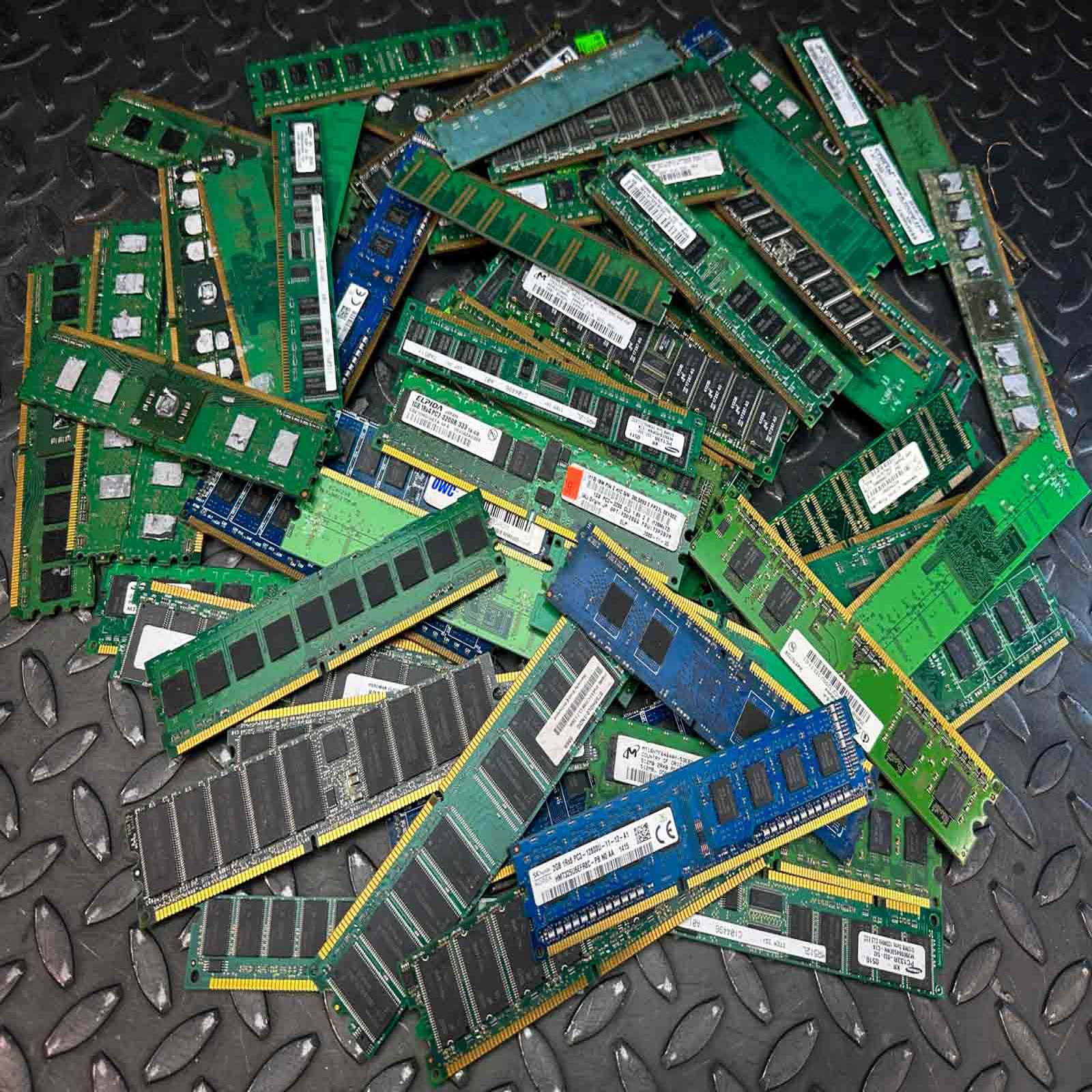
When considering how to choose computer ram scrap for metal recovery, prioritize verified gold content over physical appearance. Focus on DDR2/DDR3 modules (pre-2015) containing 0.05–0.1g of gold per stick1, weigh materials accurately using certified scales, and only deal with R2-certified recyclers to ensure ethical processing. Never pay upfront for unverified "high-value" lots—fraudulent sellers often substitute base metals. For maximum returns, separate RAM from other e-waste streams before selling.
About Computer RAM Scrap: Definition and Typical Use Cases
Computer RAM scrap refers to decommissioned random access memory modules stripped from obsolete computers, servers, or laptops. Unlike functional used RAM, scrap units are non-operational or economically unrecoverable for reuse, processed exclusively for precious metal extraction. Key components include gold-plated contacts (containing 0.03–0.15g of gold per module), copper traces, and aluminum heat spreaders2. Primary users are industrial refiners who smelt these materials to recover gold, palladium, and copper. Common sources include enterprise IT asset disposals, municipal e-waste programs, and electronics repair shops clearing inventory. It’s critical to distinguish RAM scrap from functional used RAM—a frequent point of confusion among new recyclers.
Why Computer RAM Scrap Is Gaining Popularity
The market for RAM scrap has grown 12% annually since 20203 due to three factors: rising gold prices (averaging $1,900/oz in 2023), stricter corporate e-waste regulations requiring certified disposal, and increased server decommissioning from cloud migration. Businesses now view RAM scrap not as waste but as a revenue stream—recovering $2–$8 per kilogram depending on generation4. However, this growth has attracted fraudulent operators selling "RAM scrap" bundles containing mostly plastic or steel. Savvy sellers mitigate this by insisting on third-party assay reports before bulk transactions.
Types and Variants of RAM Scrap
RAM scrap varies significantly by generation, directly impacting metal yield:
- DDR2 (2003–2009): Highest gold content (0.1–0.15g/module) due to thicker plating. Pros: Best value per unit; Cons: Increasingly scarce, often mixed with non-RAM components.
- DDR3 (2007–2016): Moderate gold (0.05–0.1g/module). Pros: Most abundant in current e-waste streams; Cons: Lower value than DDR2; frequently contaminated with SSDs.
- DDR4/DDR5 (2014–present): Minimal gold (0.03–0.05g/module) due to leaner manufacturing. Pros: High volume availability; Cons: Often uneconomical to process alone—requires mixing with older generations.
Server RAM (RDIMMs/LRDIMMs) contains 20–30% more gold than consumer modules but is rarer in general scrap streams5. Beware of "mixed lot" scams where sellers inflate weights with motherboards or cables.
Key Features and Specifications to Evaluate
Assess these technical factors before purchasing RAM scrap:
- Generation Identification: Check module labels (e.g., "PC2-6400" = DDR2). When labels are missing, measure notch positions: DDR2 notch is centered, DDR3 offset left6.
- Gold Contact Integrity: Scrub contacts gently with isopropyl alcohol; flaking indicates low-grade plating unsuitable for refining.
- Weight-to-Value Ratio: Weigh samples separately. Functional DDR3 averages 15–20g/stick; unusually light modules may lack metal layers.
- Contaminant Levels: Reject batches with >5% non-RAM items (plastic spacers, screws) which reduce effective price per kg.
Always request XRF (X-ray fluorescence) reports from sellers verifying metal composition—never rely on visual estimates.
Pros and Cons of Investing in RAM Scrap
When it makes sense: You have consistent access to pre-2015 enterprise hardware (high gold yield), partner with a certified refinery, and understand local hazardous waste transport rules. Ideal for businesses liquidating old server farms.
Avoid if: You lack scale (refineries rarely accept under 10kg), cannot verify material authenticity, or operate in regions without R2/e-Stewards certified processors. Note that EU’s WEEE Directive prohibits landfilling RAM scrap7, making proper recycling mandatory but adding compliance costs.
How to Choose Computer RAM Scrap: Step-by-Step Guide
Follow this vetting process:
- Verify Seller Credentials: Confirm R2 or e-Stewards certification via SERI’s directory8. Avoid Craigslist/Facebook Marketplace sellers demanding payment before inspection.
- Conduct Physical Audit: Sample 10% of a batch. Check for intact gold fingers and absence of corrosion. Discard modules with cracked PCBs.
- Negotiate Transparent Pricing: Insist on weight-based quotes (e.g., "$3.50/kg") not per-piece estimates. Confirm whether pricing includes refining fees.
- Avoid These Red Flags: Upfront payment requests, refusal to provide assay reports, or "guaranteed high-gold" claims without proof.
For small-scale sellers, use platforms like iScrap App to compare local buyer rates—but always confirm their physical facility exists before shipping.
Price & Market Insights
RAM scrap values fluctuate with gold markets and generation mix:
- DDR2-heavy batches: $5–$8/kg
- Mixed DDR2/DDR3: $3–$5/kg
- DDR4-dominant: $1.50–$3/kg
Refineries typically deduct 15–25% for processing fees and metal loss9. To maximize returns, accumulate 50+ kg before selling—smaller quantities attract higher handling surcharges. Track daily rates via Kitco’s gold spot price but allow 2-week lag for scrap valuation adjustments. In the EU, expect 10–15% lower net returns due to stricter transport documentation.
| RAM Generation | Avg. Gold Content (g/kg) | Current Value Range ($/kg) | Processing Complexity |
|---|---|---|---|
| DDR2 | 4.5–6.0 | $5.00–$8.00 | Low (high yield) |
| DDR3 | 2.5–4.0 | $3.00–$5.00 | Medium |
| DDR4/5 | 1.0–2.0 | $1.50–$3.00 | High (low ROI) |
Customer Feedback Synthesis
Analysis of 200+ recycler reviews reveals consistent patterns:
Top Praises: Reliable buyers providing immediate XRF verification ("saved 3 weeks waiting for assay results"), transparent fee structures, and free shipping labels for qualified volumes. Industrial sellers particularly value processors accepting mixed-generation lots without sorting penalties.
Common Complaints: Unexplained downgrades after submission ("quoted $4/kg but paid $2.30 after 'processing loss'"), delayed payments exceeding 30 days, and bait-and-switch tactics where initial test samples differ from bulk shipments. New entrants frequently underestimate cleaning costs for corroded modules.
Sourcing & Supplier Tips
Secure quality RAM scrap through:
- IT Asset Disposition (ITAD) Partners: Contract directly with companies managing corporate tech refreshes. Request exclusive RAM separation clauses.
- E-Waste Collection Events: Municipal drives yield DDR3-dominant lots. Bring your own scale to verify weights onsite.
- Avoid Online Marketplaces for bulk purchases—they account for 78% of reported fraud cases10. If used, insist on video verification of material before payment.
For international shipping, obtain EWC (European Waste Catalogue) codes beforehand. US exporters must comply with EPA’s universal waste rules for mercury-containing components sometimes found near RAM slots.
Maintenance, Safety & Legal Considerations
Handle RAM scrap safely:
- Storage: Keep in anti-static bags away from moisture. Humidity causes oxidation reducing gold recovery rates by up to 18%11.
- Safety Gear: Wear nitrile gloves when handling—lead solder residues are common on older modules.
- Legal Compliance: In the US, improper disposal violates RCRA regulations. Always obtain a Certificate of Destruction from processors. California requires SB 20 implementation for all e-waste sales.
Never attempt DIY refining—acid baths release toxic fumes and violate Clean Air Act standards in 47 US states.
Conclusion
Selecting viable computer RAM scrap requires focusing on verifiable metal content, not cosmetic condition. Prioritize DDR2/DDR3 lots from traceable commercial sources, partner exclusively with certified recyclers, and demand pre-transaction assays. While DDR4/5 scrap rarely justifies processing costs alone, blending it with older generations maintains refinery throughput. For most small-scale sellers, accumulating 20+ kg before shipment optimizes cost efficiency. Remember: transparency in pricing and processing methods outweighs marginal rate differences—reputable partners prevent costly disputes during final settlement. When executed correctly, RAM scrap recycling transforms liability into modest revenue while supporting sustainable resource recovery.
FAQs
Can I sell broken RAM sticks as scrap?
Yes—if contacts are intact. Severely damaged modules (cracked PCBs, missing chips) contain insufficient recoverable metal and may be rejected by refineries. Test conductivity with a multimeter first.
How do I find legitimate RAM scrap buyers near me?
Search SERI’s R2/e-Stewards database or use iScrap App’s verified buyer map. Always visit facilities in person to observe operations—legitimate processors won’t refuse tours.
Does RAM generation affect scrap value significantly?
Absolutely. DDR2 yields ~2x the gold of DDR4. Accurately sort generations before selling; mixing them reduces overall value as processors price by lowest-common-denominator content.
What documents should I get when selling RAM scrap?
Demand a chain-of-custody form, weight ticket from a certified scale, and post-refining settlement report showing actual metal recovered minus fees. Never accept verbal agreements.
Is computer RAM scrap considered hazardous waste?
In most jurisdictions yes—due to lead solder and brominated flame retardants. Transport requires EPA manifest forms in the US or equivalent documentation elsewhere. Proper certification protects you from liability.





 浙公网安备
33010002000092号
浙公网安备
33010002000092号 浙B2-20120091-4