
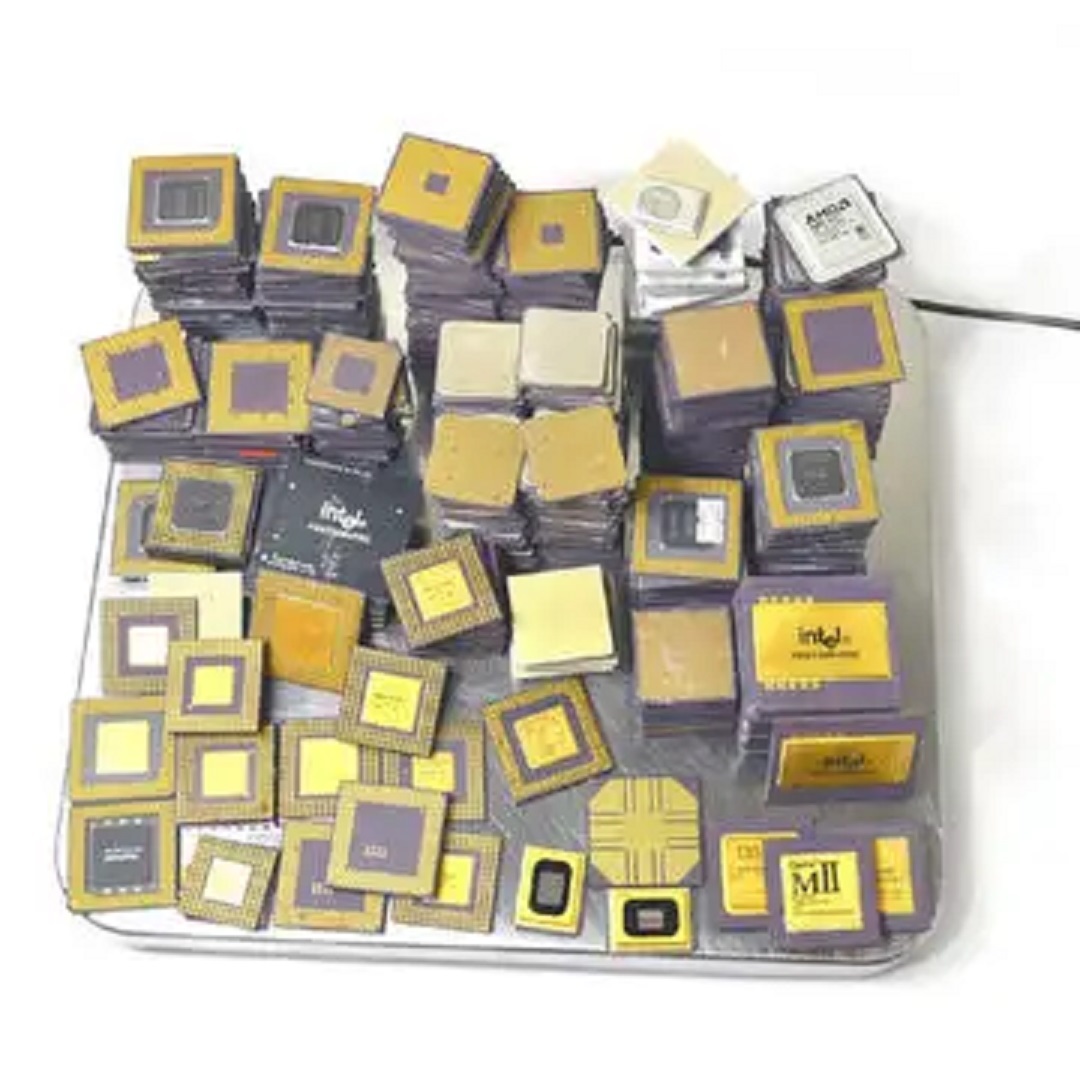
When searching for high-value electronic recycling materials, knowing how to choose ceramic cpu processor scrap is essential for maximizing return and ensuring material authenticity. These components, often extracted from outdated servers or industrial computers, contain precious metals like gold and copper embedded in durable ceramic substrates. The best approach involves verifying composition, assessing physical condition, identifying manufacturer markings, and sourcing from reputable suppliers who provide batch testing or certification. Avoid units with heavy corrosion, cracked ceramics, or unclear origins, as these significantly reduce refining yield and resale value. For those asking what to look for in ceramic cpu processor scrap, focus on intact solder balls, legible model numbers, and consistent weight per unit across lots 1.
About Ceramic CPU Processor Scrap
Ceramic CPU processor scrap refers to decommissioned central processing units (CPUs) that use a ceramic packaging material instead of the more common plastic or organic substrates. These processors were widely used in high-performance computing environments from the 1980s through the early 2000s, particularly by manufacturers such as Intel, AMD, and IBM. The ceramic base provides superior thermal conductivity and durability under extreme operating conditions, making it ideal for data centers, military systems, and aerospace applications.
Today, these chips are primarily valued not for their computing power but for their recyclable content. Inside each unit lies a network of fine wire bonds—often made of gold—and lead frames typically composed of copper or iron-nickel alloys. When processed correctly, ceramic CPU scrap can yield significant amounts of recoverable precious metals. This has led to increased interest among e-waste recyclers, metal refiners, and hobbyist extractors looking to reclaim value from obsolete technology.
Why Ceramic CPU Processor Scrap Is Gaining Popularity
The growing popularity of ceramic CPU processor scrap stems from several interrelated factors: rising precious metal prices, improved accessibility to refining techniques, and increasing awareness of sustainable e-waste practices. Gold, which trades at over $60,000 per kilogram as of recent market data, remains a major draw 2. Even small quantities found in individual processors can add up when processed in bulk.
Additionally, online communities and YouTube tutorials have demystified the process of extracting gold wires from ceramic CPUs, enabling more individuals and small-scale operations to participate in urban mining. Unlike plastic-encapsulated chips, ceramic packages allow easier access to internal components after controlled de-capping, often using nitric or sulfuric acid treatments—a method increasingly adopted by licensed refining facilities.
Environmental responsibility also plays a role. Properly recycling ceramic CPU scrap helps divert hazardous electronic waste from landfills while recovering finite resources. As global demand for raw materials increases, secondary sourcing through e-scrap becomes more economically viable and ecologically necessary.
Types and Variants
Ceramic CPU processor scrap comes in various package types, each with distinct construction, metal content, and ease of processing:
- Ceramic Pin Grid Array (CPGA): One of the most common forms, especially in older Intel Pentium and AMD Athlon processors. Features pins on the underside arranged in a grid pattern. Contains moderate gold content in bonding wires and copper in the heat spreader and substrate traces.
- Pros: Widely available, recognizable models, relatively easy to sort.
- Cons: Pins may be bent or broken; some variants have low gold density.
- Ceramic Land Grid Array (CLGA): Used in later-generation Intel Core processors and server chips. Makes contact via flat pads rather than pins. Often includes larger heat spreaders and denser internal circuitry.
- Pros: Higher average gold content due to complex die layouts; less prone to mechanical damage.
- Cons: More difficult to decap without specialized tools; requires precise handling.
- Quad Flat Ceramic Package (QFCP): Less common, typically found in embedded systems or telecommunications hardware. Has leads extending from all four sides.
- Pros: May include higher-purity metals depending on application.
- Cons: Rare and harder to identify; limited volume in consumer e-waste streams.
Each variant responds differently to chemical or thermal recovery methods, so understanding the type you're acquiring is critical for planning downstream processing.
Key Features and Specifications to Evaluate
Before purchasing or processing ceramic CPU processor scrap, evaluate the following characteristics:
- Manufacturer and Model Identification: Look for clear labeling (e.g., Intel, AMD, IBM, Cyrix). High-end server processors (like Intel Xeon or IBM Power series) generally contain more gold than consumer-grade units.
- Physical Condition: Check for cracks in the ceramic body, missing corners, or corrosion on contacts. Damaged units may have compromised internal structures, reducing metal recovery rates.
- Weight and Density: Heavier units often indicate thicker substrates or larger heat spreaders, both correlates of higher metal content. Use a precision scale to measure average weight per lot.
- Solder Ball Presence (for BGA-style): While less common in true ceramic packages, some hybrid designs retain solder balls. Their presence suggests possible palladium or tin content.
- Batch Consistency: Ensure uniformity across a batch. Mixed batches with unknown origins make accurate valuation difficult.
- Certification and Testing Reports: Reputable sellers may provide XRF (X-ray fluorescence) analysis reports showing elemental composition. Request these when available.
Always verify specifications directly with the supplier or conduct independent testing if dealing with large volumes.
Pros and Cons
Advantages:
- Higher precious metal content compared to many other e-scrap categories.
- Durable packaging allows safe storage and transport without degradation.
- Well-documented extraction methods exist for refining.
- Supports circular economy goals by recovering finite resources.
Disadvantages:
- Processing requires knowledge of chemistry and safety protocols.
- Regulatory compliance needed for acid use and waste disposal in many jurisdictions.
- Market value fluctuates with gold and copper prices.
- Fraud risk: Some sellers mislabel plastic packages as ceramic or mix in non-functional debris.
Ceramic CPU scrap is best suited for experienced recyclers or those partnering with certified refineries. It's not recommended for beginners without proper equipment or legal permits.
How to Choose Ceramic CPU Processor Scrap
To make an informed decision when buying ceramic CPU processor scrap, follow this step-by-step guide:
- Define Your Purpose: Are you reselling, refining, or collecting? Your goal determines quality requirements and acceptable price points.
- Research Market Prices: Compare current bids from refiners per kilogram. Track trends over time to avoid buying at peaks.
- Vet Suppliers Thoroughly: Prefer vendors with verifiable business addresses, customer reviews, and transparent sourcing policies. Avoid auction listings with no photos or vague descriptions.
- Request Samples: Before bulk orders, obtain a sample batch to inspect build quality, confirm ceramic casing, and test refining yields.
- Check for Red Flags: Be cautious of unusually low prices, claims of "high gold yield" without proof, or refusal to provide detailed photos.
- Verify Packaging Type: Use a magnifier to distinguish ceramic from dark epoxy plastics, which look similar but yield far less.
- Document Everything: Keep records of weights, invoices, and communication for traceability and potential resale.
If you're asking how to buy ceramic cpu processor scrap safely, prioritize transparency, consistency, and third-party validation whenever possible.
Price & Market Insights
Pricing for ceramic CPU processor scrap varies widely based on model, condition, and prevailing metal markets. As of 2024, typical ranges are:
- Low-tier (consumer desktop CPUs): $5–$12 per pound
- Mid-tier (workstation processors): $12–$20 per pound
- High-tier (server/mainframe CPUs): $20–$35+ per pound
These values assume clean, sorted lots with confirmed ceramic packaging. Unsorted or mixed batches may sell for 30–50% less due to processing uncertainty. Note that prices quoted by refiners usually reflect net returns after refining losses and fees, so always clarify whether a quote is gross or net.
For best value, aim to source directly from decommissioned IT equipment auctions, government surplus sales, or enterprise IT recyclers. Middlemen often inflate prices, especially on platforms like eBay or Alibaba where competition drives up bids.
Top-Seller & Competitive Analysis
No single "brand" dominates the scrap market, but certain processor lines consistently deliver higher returns:
| Processor Type | Avg. Weight (g) | Estimated Gold Content (mg) | Typical Scrap Value (per kg) | Notes |
|---|---|---|---|---|
| Intel Pentium Pro (Ceramic PGA) | 38 | 80–100 | $180–$220 | Common, reliable yield |
| Intel Xeon MP (CLGA) | 52 | 130–160 | $280–$340 | High-value, often from servers |
| AMD K6-III (CPGA) | 35 | 60–75 | $140–$170 | Moderate return |
| IBM Power4 (Ceramic) | 60 | 180–220 | $380–$450 | Rare, premium pricing |
Data derived from industry refining reports and averaged across multiple sources 3. Actual values depend on real-time metal prices and processor condition.
Customer Feedback Synthesis
Analysis of buyer feedback across forums, review sites, and marketplace comments reveals recurring themes:
Common Praises:
- "High gold recovery confirmed through independent testing."
- "Units were well-sorted and clearly ceramic."
- "Fast shipping and accurate weight description."
Recurring Complaints:
- "Received plastic CPUs labeled as ceramic—complete loss of trust."
- "Lot was mixed with damaged or corroded units not shown in photos."
- "Promised XRF report never provided after purchase."
Transparency and honesty in listing details emerge as the strongest predictors of customer satisfaction.
Sourcing & Supplier Tips
Reliable sourcing begins with identifying trustworthy channels:
- Government and Corporate E-Waste Auctions: Offer large volumes of verified decommissioned gear.
- IT Asset Disposition (ITAD) Companies: Specialize in secure disposal and often sell scrap in pre-sorted batches.
- Industrial Surplus Stores: May carry legacy hardware containing ceramic CPUs.
For bulk buyers, consider establishing contracts with ITAD firms for regular supply. Always request audit trails or certificates of destruction to ensure legitimacy. When importing internationally, verify customs regulations regarding e-waste movement, as restrictions apply in many countries under the Basel Convention 4.
Maintenance, Safety & Legal Considerations
While ceramic CPU scrap itself is stable and safe to handle, downstream processing introduces risks:
- Safety: Acid-based decapping requires gloves, goggles, fume hoods, and proper ventilation. Never mix chemicals without training.
- Legal: In the U.S., spent etching solutions may be classified as hazardous waste under EPA rules. Similar regulations exist in the EU (WEEE Directive) and elsewhere.
- Compliance: Only licensed facilities should perform large-scale refining. Individuals must comply with local environmental laws.
Store scrap in dry, secure containers to prevent moisture damage or theft. Label clearly to avoid confusion with functional electronics.
Conclusion
Understanding how to choose ceramic cpu processor scrap effectively hinges on recognizing valuable models, verifying authenticity, and sourcing responsibly. Focus on high-tier server processors, insist on transparency from suppliers, and validate claims through sampling or testing. While the rewards can be substantial, success depends on diligence, technical knowledge, and adherence to safety and legal standards. Whether you're entering urban mining or expanding your e-recycling operation, prioritizing quality and traceability will maximize long-term returns.
FAQs
Q: How can I tell if a CPU is ceramic and not plastic?
A: Ceramic packages are heavier, produce a sharp 'click' when tapped, and resist melting under brief heat exposure. Plastic ones feel lighter and may deform with heat.
Q: What tools do I need to process ceramic CPU scrap?
A: Basic processing requires pliers, cutters, and safety gear. For gold recovery, you'll need acids, glassware, and ventilation—or partner with a refinery.
Q: Is it legal to recycle ceramic CPU processor scrap at home?
A: Possession is legal, but chemical processing may violate local hazardous waste laws. Check municipal regulations before starting.
Q: Which ceramic CPUs have the most gold?
A: Older IBM Power series, Intel Xeon MP, and certain military-grade processors tend to have the highest gold content per unit.
Q: Can I sell ceramic CPU scrap without removing gold first?
A: Yes—most refiners accept whole units. Pre-processing rarely improves payout unless done at scale with efficient recovery methods.





 浙公网安备
33010002000092号
浙公网安备
33010002000092号 浙B2-20120091-4