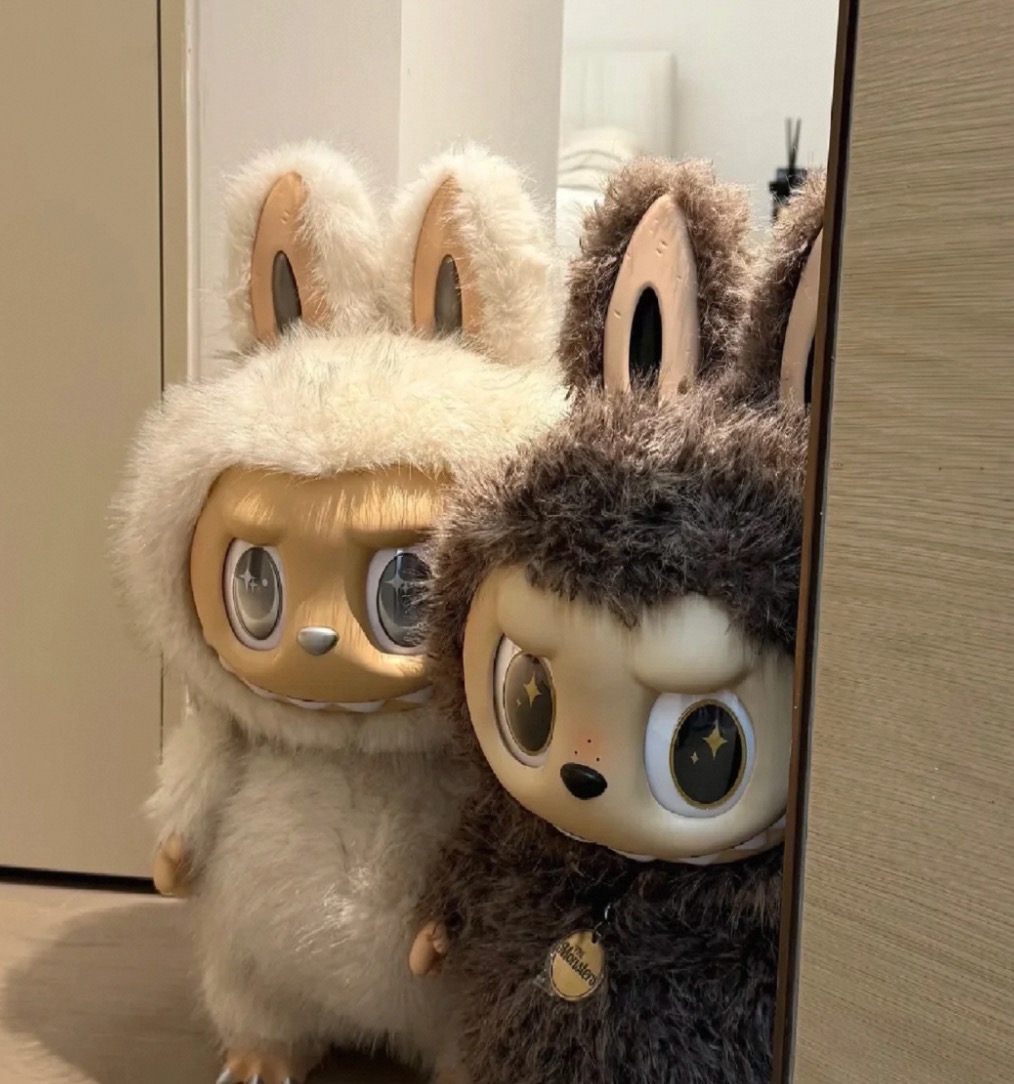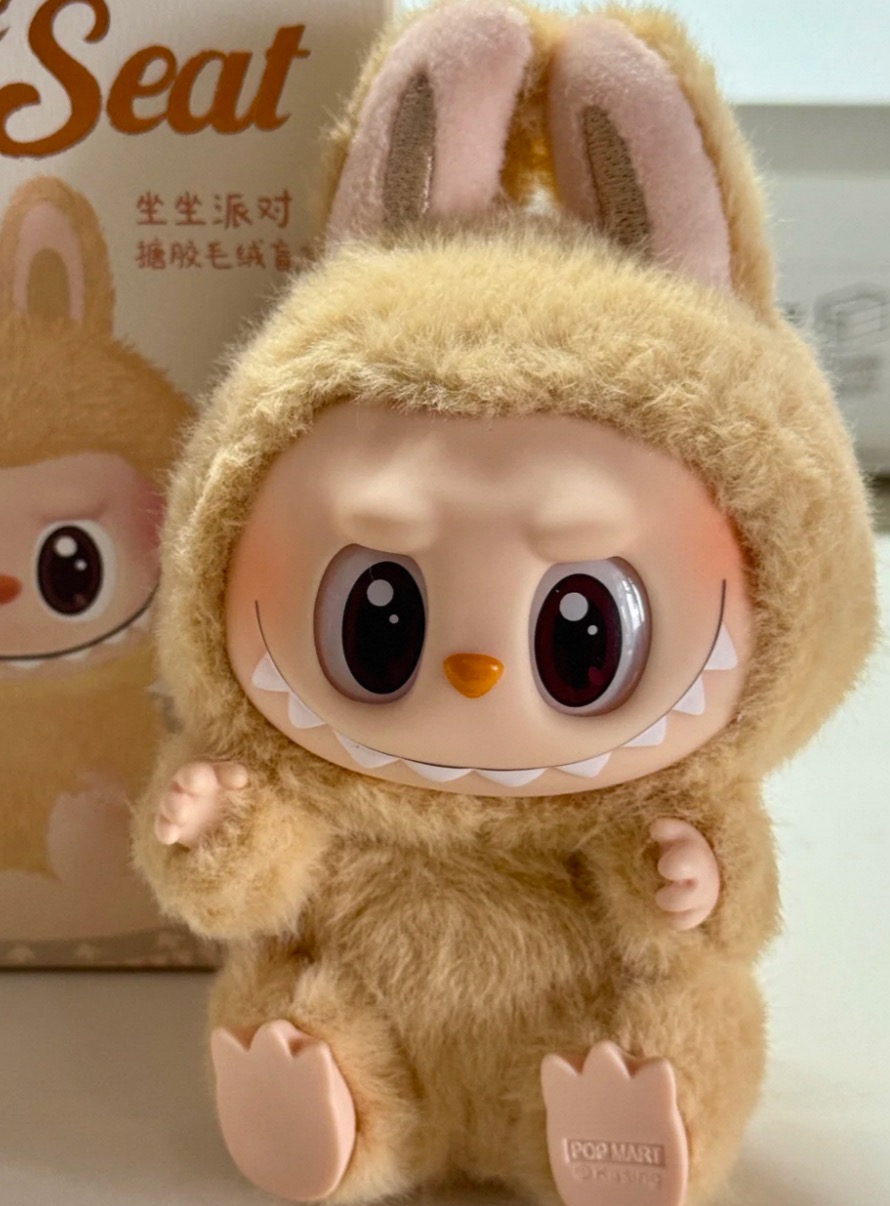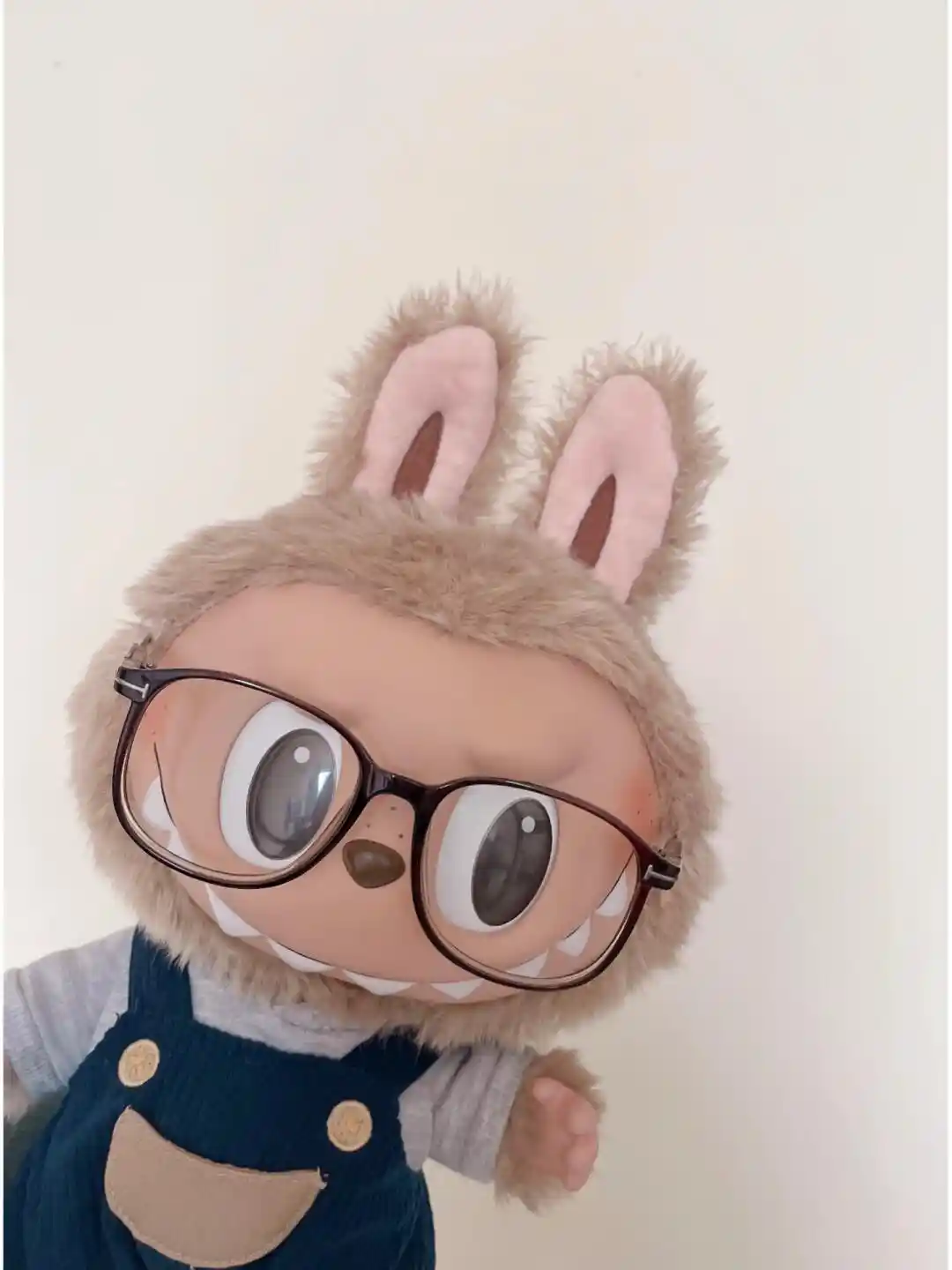
Labubu is a fictional character from The Monsters art toy series created by Hong Kong-based artist Kasing Lung and produced by the Chinese company Pop Mart. Known for its mischievous expression, pointed ears, sharp teeth, and whimsical design, Labubu has become one of the most recognizable and sought-after designer vinyl figures in the global collectibles market 1. Since its debut in 2015, Labubu has evolved from a niche art figure into a cultural icon, appealing to collectors, fashion enthusiasts, and pop culture fans worldwide. This article explores the origin, design characteristics, cultural significance, commercial success, variations, and collecting tips related to Labubu, offering a comprehensive understanding of why this quirky creature continues to captivate audiences across continents.
Origin and Creator: The Mind Behind Labubu
Labubu was conceived by Kasing Lung, an acclaimed illustrator and designer based in Hong Kong who studied visual arts at the Chinese University of Hong Kong. Lung first introduced Labubu as part of his independent art project titled The Monsters, which explores themes of childhood imagination, fantasy creatures, and emotional duality—where cuteness coexists with eeriness 2. Unlike traditional cartoon characters designed for mass media, Labubu originated in the world of art toys—a hybrid genre blending fine art, sculpture, and pop culture. In 2015, Pop Mart partnered with Lung to produce Labubu as a blind box vinyl figure, marking the character’s entry into mainstream consumer markets 3.
Kasing Lung’s artistic philosophy centers on creating emotionally resonant characters that challenge conventional notions of beauty and fear. He describes Labubu not as a monster but as a misunderstood forest spirit with a playful yet slightly menacing demeanor. This ambiguity allows viewers to project their own narratives onto the character, enhancing its psychological depth and appeal. Over time, Lung has expanded Labubu’s universe through collaborations, illustrations, and animated shorts, reinforcing the character’s narrative richness beyond mere physical collectibility.
Design Characteristics and Visual Identity
Labubu’s design is instantly recognizable due to several distinctive features: large round eyes, exaggerated fangs, elongated pointed ears, and a compact body often adorned with natural motifs such as leaves, mushrooms, or floral patterns. Most standard Labubu figures stand between 3 and 7 inches tall and are made from high-quality PVC or vinyl, ensuring durability and fine detail reproduction 4. The base color palette typically includes earthy tones like moss green, brown, and cream, reflecting its woodland creature inspiration.
One of Labubu’s defining traits is its expressive face—simultaneously cute and unsettling. Its wide grin with prominent teeth evokes both amusement and mild unease, embodying the Japanese aesthetic concept of *kawaii gwarime* (cute grotesque). This juxtaposition plays a crucial role in its emotional impact and memorability. Additionally, many Labubu releases incorporate thematic accessories or alternate forms, such as pirate versions, angelic variants, or seasonal interpretations like Halloween or Lunar New Year editions.
From a design perspective, Labubu exemplifies the principles of character-driven product development. Each release maintains core visual elements while introducing enough variation to sustain collector interest. For instance, limited edition glow-in-the-dark versions or translucent resin models add rarity and tactile novelty without compromising brand consistency.
Cultural Impact and Global Popularity
Since its launch, Labubu has transcended its status as a simple toy to become a symbol within youth and urban culture. It has gained particular traction among millennials and Gen Z consumers in China, Japan, South Korea, Southeast Asia, North America, and Europe. According to market research, Pop Mart’s revenue grew from approximately $260 million in 2018 to over $1.6 billion in 2022, driven significantly by demand for The Monsters series, especially Labubu 5.
Labubu’s popularity can be attributed to multiple factors: social media virality, celebrity endorsements, and integration into lifestyle branding. Influencers on platforms like Instagram, TikTok, and Xiaohongshu frequently showcase new Labubu unboxings, fueling FOMO (fear of missing out) and driving sales. High-profile figures such as actress Zhou Xun and rapper Jackson Wang have publicly displayed their Labubu collections, further legitimizing the character as a fashionable accessory 6.
Beyond personal collecting, Labubu has appeared in collaborative fashion lines with brands like Coca-Cola, Adidas, and Disney. Notably, in 2022, Pop Mart launched a joint collection featuring Labubu dressed as Mickey Mouse, blending Western animation heritage with contemporary Asian art toy aesthetics 7. These crossovers position Labubu not just as a toy but as a transmedia character capable of crossing cultural and commercial boundaries.
Commercial Success and Product Variants
Labubu’s commercial success lies in its strategic product diversification and scarcity model. Most Labubu figures are sold in blind boxes—sealed packages containing random variants from a fixed set. This format leverages psychological principles of surprise and reward, encouraging repeat purchases. A typical series includes 9–12 regular designs plus one rare 'chase' figure, which may appear at odds as low as 1 in 144 units 8.
Over the years, Pop Mart has released numerous Labubu-themed series, each with unique themes and artistic directions. Examples include:
| Series Name | Theme | Notable Variant | Release Year |
|---|---|---|---|
| The Monsters: Forest Adventure | Woodland creatures | Glow-in-the-dark Ghost Labubu | 2015 |
| Pirate Labubu | Maritime adventure | Captain Gold-Tooth Labubu | 2018 |
| Angel & Devil Labubu | Duality theme | Winged Angel Labubu | 2020 |
| Lunar New Year Labubu | Chinese zodiac | Dragon Year Red Labubu | 2024 |
| Disney x Labubu | Fashion crossover | Mickey Mouse Costume Labubu | 2022 |
In addition to blind boxes, Labubu is available in larger formats such as mega figures (up to 17 cm), dioramas, plush toys, and digital NFTs. Some exclusive releases are only available at flagship stores in major cities like Beijing, Shanghai, or New York, adding geographic exclusivity to the collecting experience.
Why Collectors Love Labubu: Psychology and Community
The enduring appeal of Labubu extends beyond aesthetics—it taps into deeper human behaviors around collecting, identity expression, and community belonging. Psychologically, collecting limited-edition items provides a sense of accomplishment and control. The thrill of pulling a rare chase figure activates dopamine pathways associated with reward anticipation, similar to gambling mechanisms 9.
Moreover, Labubu ownership fosters social connection. Online forums, Discord servers, and fan meetups allow collectors to trade duplicates, share display setups, and discuss upcoming releases. Reddit communities like r/arttoys and r/blindboxes host thousands of users who post custom repaints, photography, and valuation guides focused on Labubu. Offline, Pop Mart organizes 'Labubu Day' events where fans can purchase exclusives and interact directly with designers.
For many, Labubu also serves as a form of self-expression. Customized Labubu figures—painted, accessorized, or embedded in mixed-media art—demonstrate individual creativity and technical skill. Artists like James Jarvis and FriendsWithYou have cited Labubu as an influence, indicating its ripple effect in broader creative circles.
How to Start a Labubu Collection: Practical Tips
For newcomers interested in collecting Labubu, starting smart is essential. First, define your goal: Are you aiming to complete full sets, hunt rare chases, or focus on specific themes? Understanding your motivation helps prioritize spending and storage planning. Beginners should start with current retail series available on Pop Mart’s official website or authorized retailers like Meccha Japan or BigBadToyStore 10.
Second, learn about pricing dynamics. While a single blind box usually costs $9–$12, secondary market prices for rare variants can exceed $200 depending on condition and scarcity. Platforms like StockX and eBay track resale values, helping collectors avoid overpaying. Always verify authenticity—counterfeit Labubu figures exist, particularly on third-party marketplaces. Genuine products feature precise sculpting, consistent paint application, and official packaging with QR authentication codes.
Third, consider preservation. Store figures away from direct sunlight to prevent yellowing, use desiccants to reduce moisture, and keep original boxes intact if possible. Many collectors invest in acrylic display cases with UV protection to maintain long-term value.
Criticism and Ethical Considerations
Despite its popularity, Labubu and the blind box model have faced criticism. Consumer advocates argue that the randomized nature of blind boxes resembles gambling, especially when targeting younger audiences. In 2022, Chinese regulators issued guidelines restricting blind box marketing to minors and requiring transparency about drop rates 11. Pop Mart responded by publishing official probability disclosures and implementing age verification systems online.
Environmental concerns also arise due to plastic waste from packaging and PVC production. While Pop Mart has experimented with recyclable materials, the industry-wide shift toward sustainability remains gradual. Ethical sourcing of manufacturing labor is another area under scrutiny, though Pop Mart claims compliance with international standards across its supply chain.
Future Outlook: Labubu Beyond the Toy Market
Looking ahead, Labubu is poised to expand beyond physical collectibles into entertainment and immersive experiences. Rumors suggest a potential animated short film or mobile game centered on The Monsters universe, potentially developed in partnership with streaming platforms. Virtual reality exhibitions featuring 3D-rendered Labubu environments have already been tested in Pop Mart’s concept stores in Chengdu and Shenzhen 12.
Additionally, generative AI tools now enable fans to create personalized Labubu avatars for digital use in social media or metaverse applications. As digital ownership grows via blockchain-based certificates, future Labubu releases may integrate verifiable digital twins, bridging physical and virtual collecting ecosystems.
Frequently Asked Questions (FAQ)
- Who created Labubu?
Labubu was created by Hong Kong artist Kasing Lung as part of his The Monsters series and later commercialized by Pop Mart starting in 2015 2. - How much does a Labubu cost?
A standard Labubu blind box retails for $9–$12. Rare variants can sell for hundreds of dollars on the secondary market depending on scarcity and condition 13. - Are Labubu figures safe for children?
While non-toxic, Labubu figures contain small parts and are recommended for ages 14 and up. They are primarily intended as collectibles rather than children's toys 1. - How can I tell if a Labubu is authentic?
Authentic Labubu products come in sealed packaging with clear logos, consistent paintwork, and a QR code for verification on Pop Mart’s official app 14. - Is Labubu considered an art toy?
Yes, Labubu is widely recognized as an art toy—an intersection of contemporary art, design, and consumer culture, often collected similarly to limited-edition prints or sculptures 15.


浙公网安备
33010002000092号
浙B2-20120091-4