

When choosing the best slim watch for men, prioritize comfort, proportion, and style that matches your wardrobe and wrist size. A well-chosen slim dress watch—such as a minimalist automatic or ultra-thin quartz model—offers elegance without bulk, making it ideal for formal occasions or daily wear under a shirt cuff 1. Key factors include case thickness (ideally under 9mm), dial clarity, strap material (leather or metal), and movement type. Whether you're looking for a versatile timepiece for the office or a refined accessory for special events, understanding how to choose a watch for men slim enough to wear comfortably is essential for both function and aesthetics.
About Slim Watches for Men
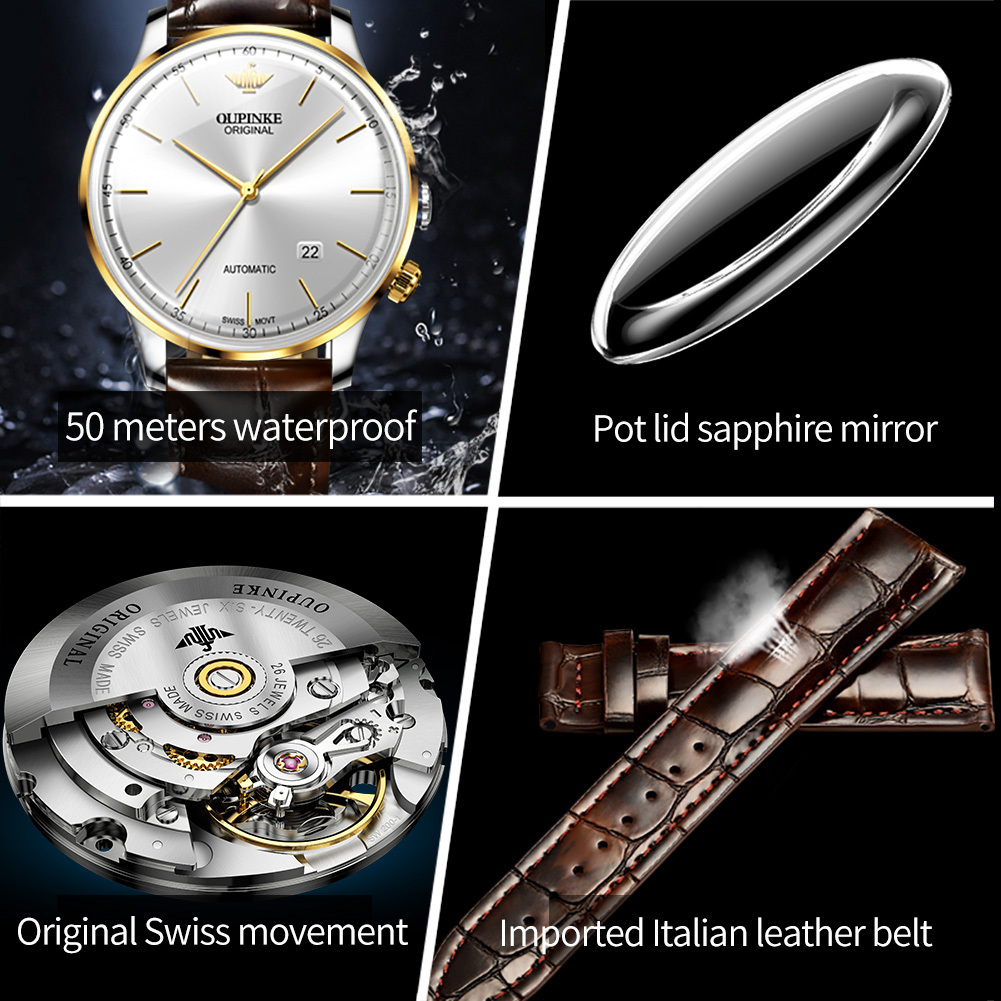
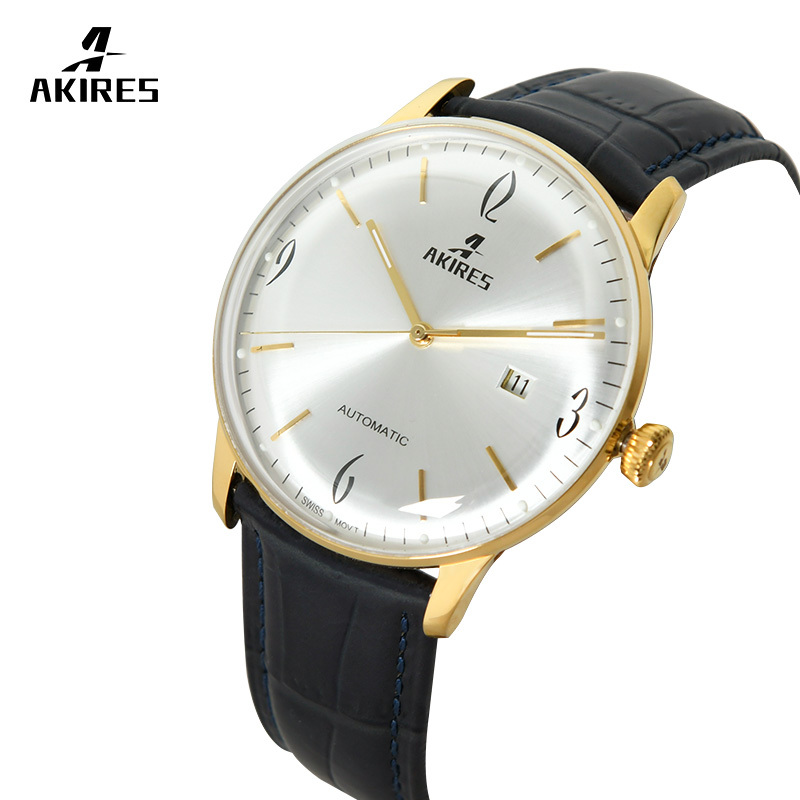
A slim watch for men is a timepiece specifically designed with a low-profile case, typically less than 10 millimeters thick, intended to offer a sleek, elegant appearance. These watches are most commonly associated with dress styles, emphasizing minimalism, clean lines, and understated sophistication. Unlike sport or dive watches—which often feature bulky cases, rotating bezels, and high water resistance—slim watches focus on thinness and refinement.
They are typically worn in professional, formal, or semi-formal settings, such as business meetings, weddings, or evening events. The primary goal of a slim men's watch is to complement tailored clothing without adding bulk under a shirt sleeve. Many luxury brands, including Jaeger LeCoultre, Piaget, and Cartier, have long championed ultra-thin designs, but today’s market offers accessible options from both heritage and modern brands.
Why Slim Watches for Men Are Gaining Popularity
Slim watches are experiencing a resurgence due to shifting fashion trends and increased consumer preference for minimalist, functional accessories. Modern wardrobes lean toward slim-fit suits and layered casualwear, where a bulky watch can disrupt the silhouette. As a result, more buyers are asking: what to look for in a watch for men slim enough to stay discreet? 2.
Additionally, the rise of remote work and hybrid lifestyles has led professionals to favor versatile pieces. A slim watch transitions seamlessly from desk to dinner, avoiding the over-engineered look of sports models. Social media and influencer culture have also amplified appreciation for subtle luxury, driving demand for refined, low-profile timepieces that signal taste rather than status through size.
Types and Variants of Slim Men's Watches
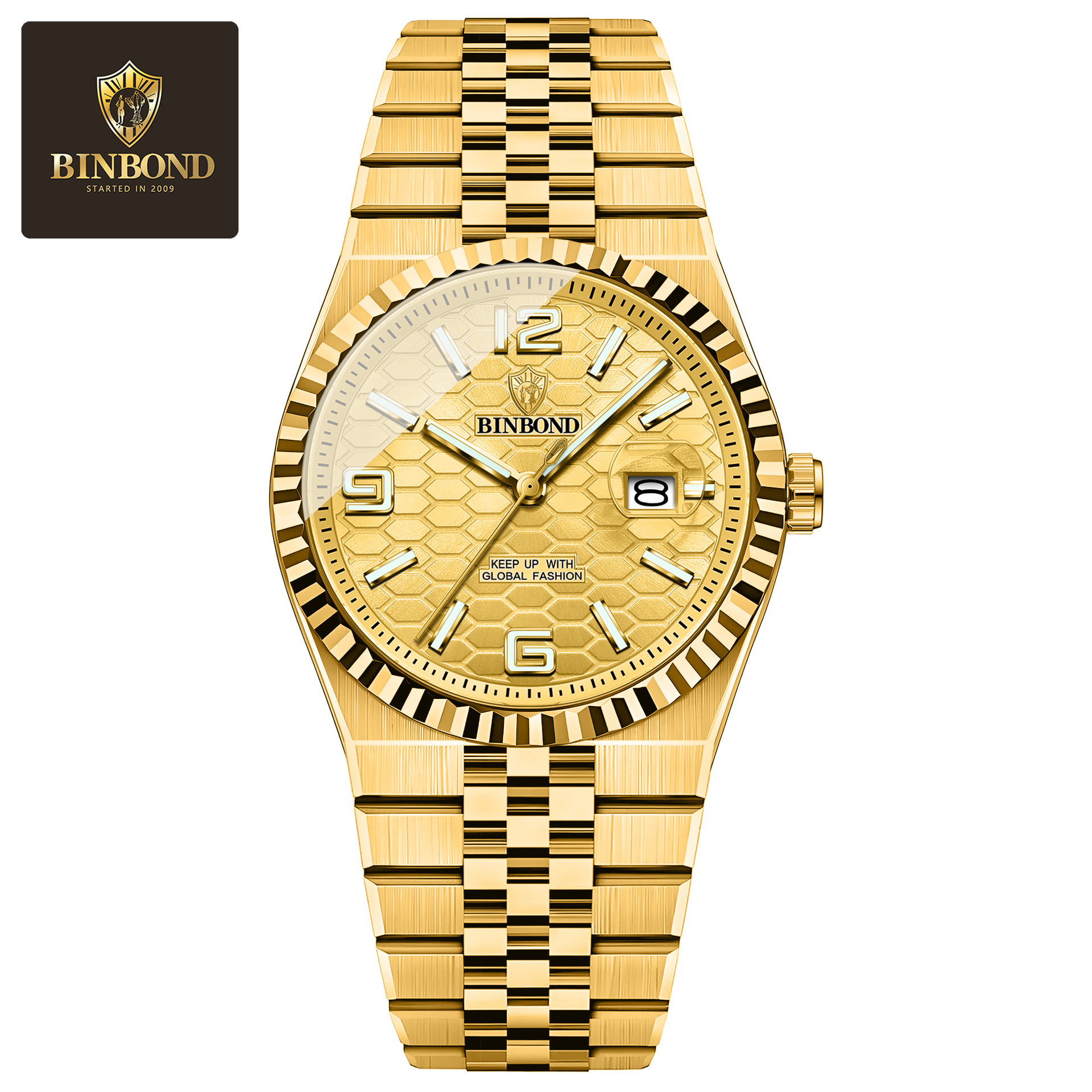
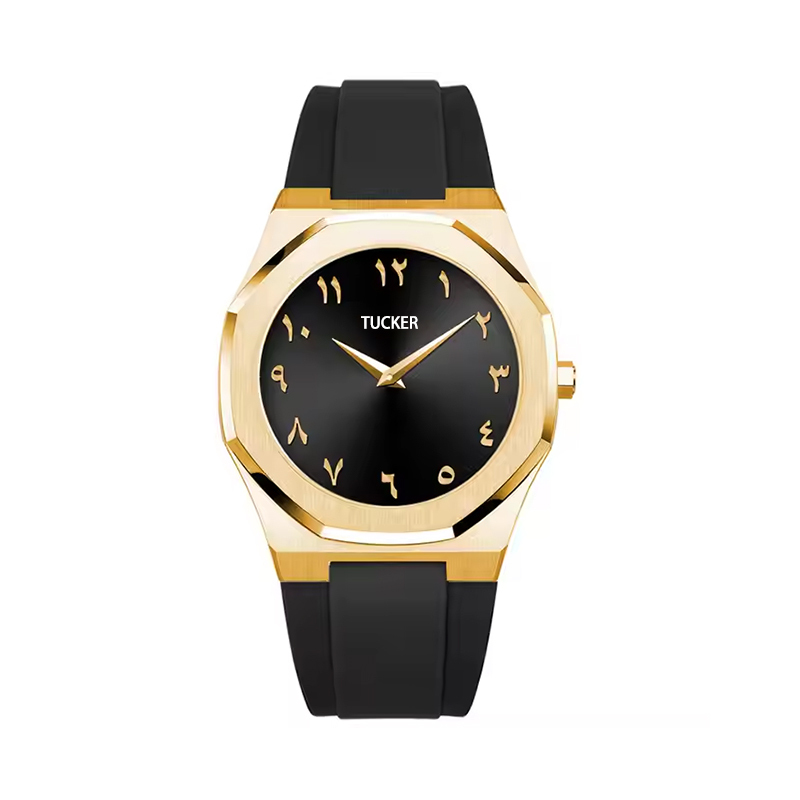
Not all slim watches are created equal. They vary by design, movement, materials, and intended use. Understanding these differences helps narrow down choices based on lifestyle and aesthetic preferences.
1. Minimalist Quartz Slim Watches
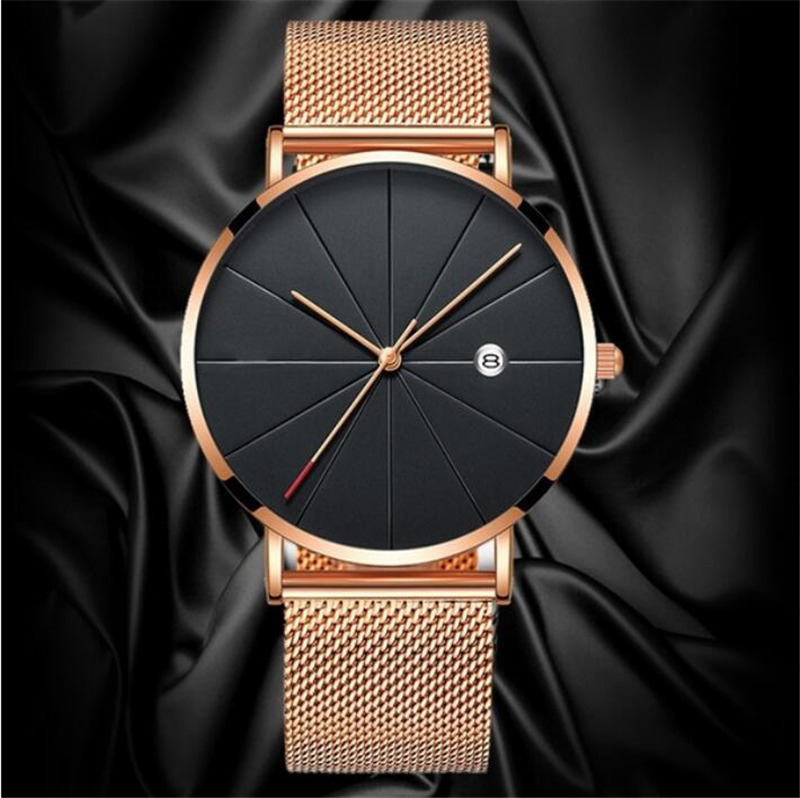
These are battery-powered watches with simple dials, often featuring no date window or subdials. Brands like MVMT, Skagen, and Daniel Wellington popularized this style.
- Pros: Affordable, lightweight, very thin (often under 7mm), low maintenance.
- Cons: Less prestige, limited resale value, may feel less substantial.
2. Automatic (Self-Winding) Slim Dress Watches
Powered by the motion of the wearer’s arm, these mechanical watches often use specialized ultra-thin movements (e.g., ETA 7001, Piaget 9P). Examples include Nomos Tangente, Longines Master Collection, and Junghans Max Bill.
- Pros: High craftsmanship, smoother seconds hand sweep, collectible appeal.
- Cons: More expensive, require regular wear or a winder, slightly thicker than quartz.
3. Manual Wind Ultra-Thin Watches
These require daily or every-other-day winding but achieve extreme thinness. Often found in high-end collections like Jaeger LeCoultre’s Master Ultra Thin or Vacheron Constantin Patrimony.
- Pros: Exceptional engineering, premium feel, horological significance.
- Cons: High cost, less convenient, fragile if mishandled.
4. Hybrid Smart Slim Watches
A newer category combining analog aesthetics with smart features (notifications, activity tracking). Fossil’s Hybrid HR series and Withings ScanWatch are examples.
- Pros: Tech functionality with classic look, longer battery life than full smartwatches.
- Cons: Thicker than traditional slims, limited app integration, higher price for niche appeal.
Key Features and Specifications to Evaluate
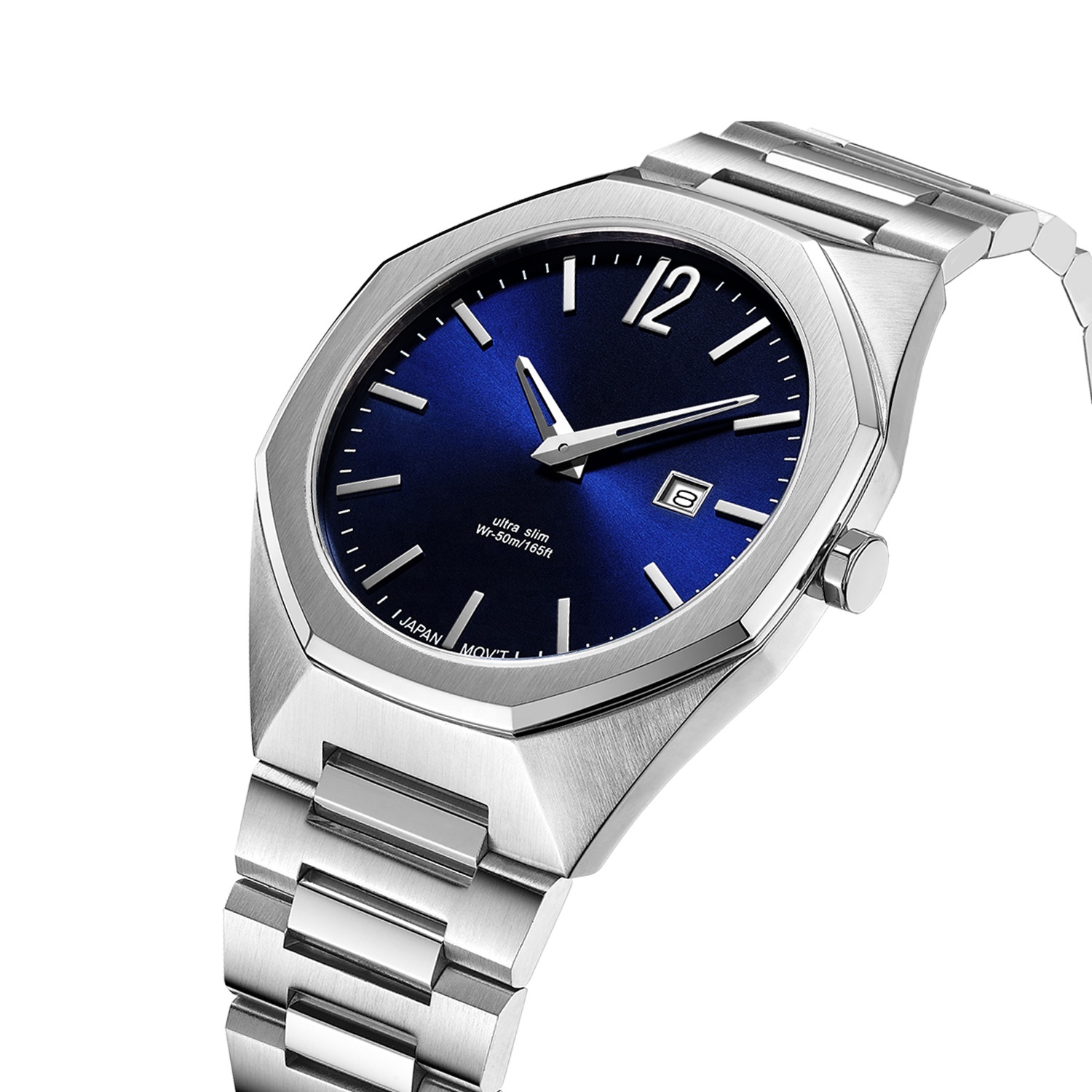
When evaluating how to choose a watch for men slim enough to wear comfortably, consider these technical and aesthetic criteria:
- Case Thickness: Aim for 6–9mm for true slimness. Over 10mm begins to lose the low-profile advantage.
- Case Diameter: 38–40mm suits most wrists; larger sizes (41mm+) may look disproportionate unless the wearer has a larger wrist.
- Movement Type: Quartz is accurate and low-maintenance; automatics offer mechanical charm but need care.
- Dial Clarity: Legible fonts, sufficient contrast, and minimal clutter enhance usability.
- Crystal Type: Sapphire crystal resists scratches better than mineral glass, though more costly.
- Strap & Lug Design: Integrated lugs or short horns improve fit under cuffs. Leather, mesh, or thin bracelets enhance the slim profile.
- Water Resistance: Most slim watches offer only 30–50 meters, suitable for splashes but not swimming. Don’t expect dive capabilities.
Pros and Cons of Slim Watches for Men
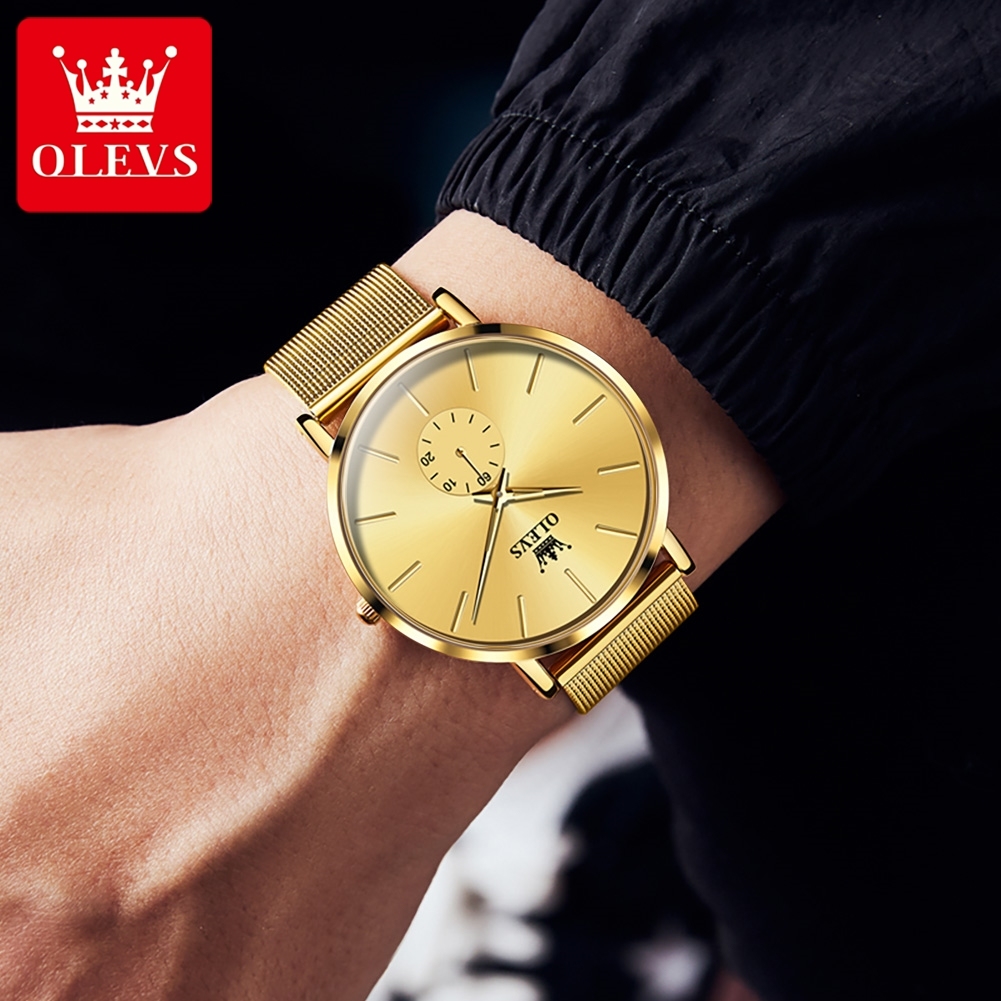
When a Slim Watch Is Ideal:
- You wear dress shirts regularly and want a watch that slips under the cuff.
- You prefer minimalist, timeless design over flashy or sporty aesthetics.
- You value comfort during prolonged wear, especially at a desk or in meetings.
- You’re building a capsule wardrobe with versatile accessories.
When to Consider Alternatives:
- You lead an active lifestyle involving sports or outdoor work—slim watches lack durability and shock resistance.
- You want smart features like GPS or heart rate monitoring—most slim designs don’t support advanced tech.
- You have large wrists (over 8 inches)—some slim models may appear too small or delicate.
- You need high water resistance—most dress-style slims aren’t built for swimming or diving.
How to Choose a Slim Watch for Men: Step-by-Step Guide
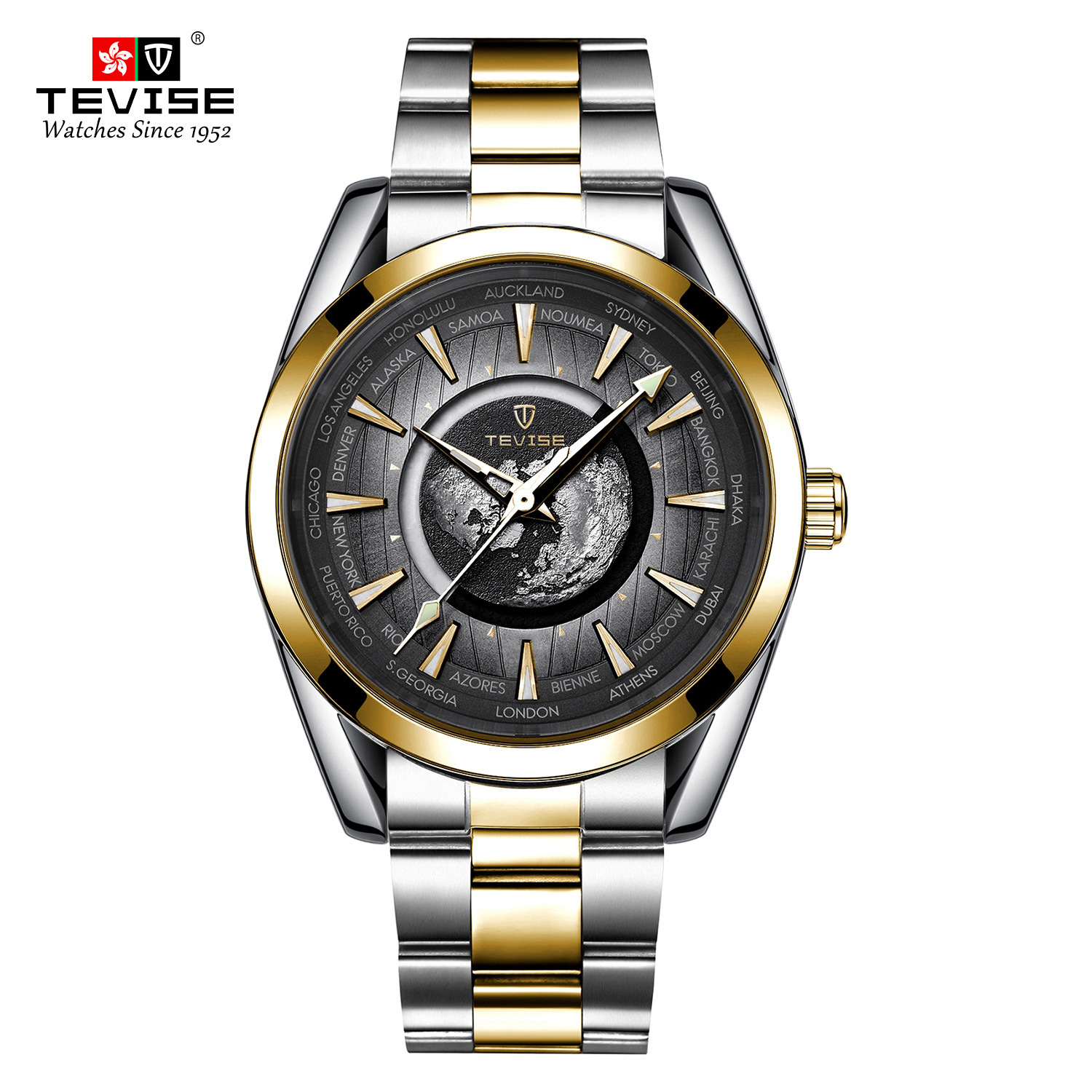
Follow this decision framework to find the right slim watch:
- Assess Your Wrist Size: Measure circumference. If under 7 inches, aim for 36–39mm diameter. 7–8 inches: 39–41mm. Over 8 inches: consider midsize automatics with slim profiles.
- Determine Primary Use: Office wear? Formal events? Daily versatility? This guides material and complexity.
- Choose Movement Type: Prefer convenience? Go quartz. Appreciate mechanics? Choose automatic. Need tech? Explore hybrids.
- Evaluate Case Proportions: Look for lug-to-lug distance under 45mm to ensure the watch sits flush on the wrist.
- Check Strap Comfort: Leather molds to skin; mesh offers breathability; integrated bracelets enhance sleekness.
- Avoid Red Flags: Excessively thick cases (>10mm), poor lume on non-digital dials, plastic crystals on premium-priced models, or misleading water resistance claims.
Price & Market Insights
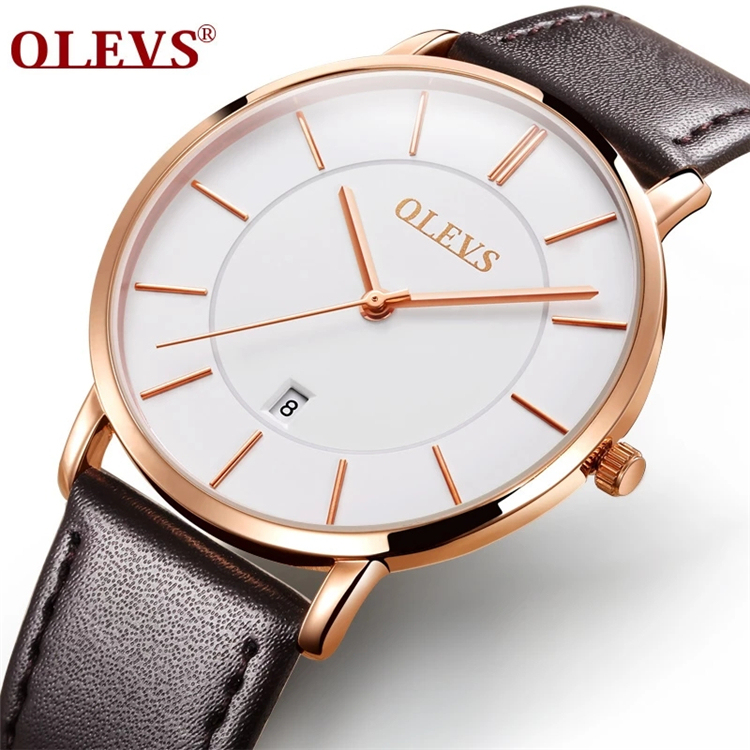
Slim watches span multiple price tiers:
- Budget ($50–$200): Quartz models from Skagen, Armitron, or Filippo Loreti. Good for entry-level buyers but may use mineral crystal and basic movements.
- Mid-Range ($200–$800): Where value peaks. Brands like Tissot, Hamilton, and NOMOS offer sapphire crystal, automatic movements, and refined designs.
- Premium ($800–$3,000): Includes Longines, Oris, and Grand Seiko’s thinner models. Superior finishing, in-house movements, and brand heritage.
- Luxury ($3,000+): Ultra-thin masterpieces from Patek Philippe, Audemars Piguet, or Piaget. Investment-grade craftsmanship.
For most buyers, the $300–$600 range delivers the best balance of quality, slimness, and longevity. Always compare specs per dollar—sapphire crystal and automatic movement at this level indicate strong value.
| Model | Thickness | Movement | Crystal | Price Range |
|---|---|---|---|---|
| Skagen Signatur | 6mm | Quartz | Mineral | $150–$200 |
| Tissot PRX Quartz | 7mm | Quartz | Sapphire | $375 |
| Nomos Tangente | 7.3mm | Automatic | Sapphire | $2,200 |
| Longines Master Ultra Thin | 8.2mm | Automatic | Sapphire | $3,200 |
| Jacques Lemans Vienna Slim | 7.5mm | Quartz | Mineral | $180 |
Customer Feedback Synthesis
Analysis of verified buyer reviews across retailers like Amazon, Jomashop, and Watches.com reveals consistent patterns:
Common Praises:
- “Perfect under my shirt cuff—doesn’t catch on fabric.”
- “Lightweight and comfortable for all-day wear.”
- “Gets compliments without being flashy.”
- “Sleek design pairs well with suits and jeans.”
Recurring Complaints:
- “Too thin—the crown digs into my hand when typing.”
- “Scratched easily despite ‘scratch-resistant’ claim (likely mineral glass).”
- “Looks smaller than expected on a 7.5-inch wrist.”
- “Battery died within a year—poor build quality for the price.”
Tip: Pay attention to mentions of crystal type and real-world wear. Many complaints stem from unrealistic expectations about durability in ultra-thin designs.
Sourcing & Supplier Tips
Where you buy matters. Authorized dealers (e.g., Bucherer, Tourneau) offer authenticity and warranty but higher prices. Discount retailers (Jomashop, Ashford) may offer savings but verify return policies and service options.
- For bulk purchases (e.g., gifts or resale), contact distributors directly—some brands offer trade programs.
- Always request proof of authenticity and factory warranty.
- If buying pre-owned, inspect for case scratches, misaligned hands, or fogging under the crystal—signs of moisture exposure.
- Consider servicing older automatic slims before gifting; a cleaned movement ensures reliability.
Maintenance, Safety & Legal Considerations
Slim watches require gentle handling:
- Cleaning: Wipe with soft cloth; avoid solvents. Leather straps should be air-dried if damp.
- Storage: Keep in a dry place; use a watch box to prevent scratches.
- Winding: For manual watches, wind gently until resistance—overwinding damages mechanisms.
- Water Exposure: Even 50m-rated slims shouldn’t be worn while showering—heat opens seals.
- Regulations: In the U.S., watches must comply with FTC labeling rules (e.g., “Swiss Made” has legal definitions). Verify claims if authenticity is critical.
Conclusion
Choosing the right slim watch for men involves balancing aesthetics, comfort, and practicality. Focus on case thickness, movement type, and proportions relative to your wrist. While quartz models offer affordability and precision, automatic variants deliver mechanical allure for enthusiasts. The sweet spot for most buyers lies between $300 and $800, where brands like Tissot, Hamilton, and Longines deliver sapphire crystals, reliable movements, and enduring design. Avoid overvaluing thinness at the expense of durability or legibility. Ultimately, the best slim watch complements your lifestyle—refined enough for formal moments, yet versatile enough for everyday elegance.
FAQs
What is a good thickness for a slim men’s watch?
Ideally between 6mm and 9mm. Watches under 9mm maintain a low profile and fit comfortably under shirt cuffs.
Can I wear a slim watch every day?
Yes, if your daily routine is office-based or low-impact. Avoid wearing delicate slim watches during heavy physical activity.
Are slim watches only for formal wear?
Primarily yes, but many modern designs pair well with casual attire like chinos and blazers for a polished look.
Do automatic slim watches need batteries?
No. They are powered by the motion of your wrist. If not worn regularly, they stop and must be manually wound or placed on a winder.
How do I know if a slim watch will fit my wrist?
Check the lug-to-lug measurement—ideally under 45mm. Try on similar models or consult size charts with photos showing wear-on-wrist views.




 浙公网安备
33010002000092号
 浙B2-20120091-4