

If you're looking for a sustainable yet stylish way to own coveted designer handbags, shopping for UK thrift designer luxury handbags is a smart, cost-effective choice. These pre-owned pieces from brands like Chanel, Louis Vuitton, and Gucci offer the same prestige at a fraction of retail prices—often 40–70% less—while supporting circular fashion. The key to success lies in knowing what to look for: authenticity verification, structural integrity, provenance, and realistic price expectations. With growing demand and rising resale values, especially for rare or vintage models, understanding how to choose UK thrift designer luxury handbags ensures you invest wisely and avoid common pitfalls like counterfeits or hidden damage.
About UK Thrift Designer Luxury Handbags
UK thrift designer luxury handbags refer to gently used, high-end handbags sourced through secondhand markets across the United Kingdom. These include items found in charity shops (commonly known as "thrift stores"), online resale platforms, estate sales, auctions, and consignment boutiques. Unlike fast-fashion accessories, these bags are made by globally recognized luxury fashion houses such as Prada, Dior, Hermes, and Saint Laurent, often constructed with premium leathers, meticulous craftsmanship, and timeless designs.
Typical use cases range from personal wardrobe enhancement to investment collecting. Many buyers seek iconic models like the Chanel flap bag, Hermès Birkin, or Louis Vuitton Neverfull because they retain or even appreciate in value over time. Others purchase them as statement pieces for special occasions or daily wear that convey sophistication without the new-retail markup.
Why UK Thrift Designer Luxury Handbags Are Gaining Popularity
The surge in popularity of UK thrift designer luxury handbags reflects broader shifts in consumer behavior toward sustainability, value consciousness, and individuality. According to industry reports, the global secondhand luxury market was valued at over $35 billion in 2023 and is projected to double within five years 1. In the UK specifically, younger shoppers are increasingly turning to pre-owned luxury goods not out of necessity but preference—valuing uniqueness, environmental responsibility, and financial prudence.
Additionally, digital marketplaces have made it easier than ever to access verified luxury items from reputable UK-based resellers. Platforms like Vestiaire Collective, Rebag, and specialized Instagram sellers provide detailed photos, authentication services, and return policies that reduce risk. This transparency has helped normalize the idea that 'used' doesn’t mean 'inferior,' especially when dealing with well-maintained designer pieces.
Types and Variants
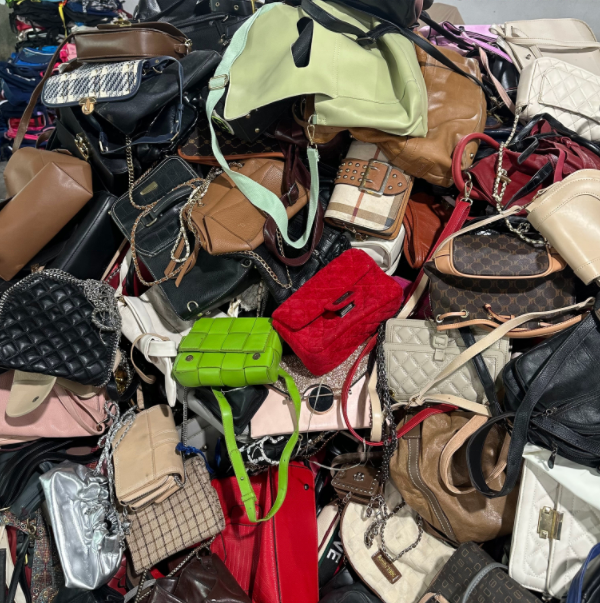
Luxury handbags come in various styles, each serving different functional and aesthetic needs. When exploring UK thrift designer luxury handbags, familiarize yourself with the most common types:
1. Tote Bags
Examples: Louis Vuitton Neverfull, Gucci Horsebit 1955
Pros: Spacious, practical for daily use, versatile styling.
Cons: Can show wear on handles and base; heavier when full.
2. Shoulder & Crossbody Bags
Examples: Chanel Classic Flap, YSL Loulou
Pros: Hands-free convenience, elegant design, ideal for evening or city outings.
Cons: Chain straps may scratch delicate fabrics; smaller capacity.
3. Top Handle Bags
Examples: Dior Lady Dior, Prada Re-Edition
Pros: Sophisticated look, excellent for formal events.
Cons: Less ergonomic for long-term carrying; limited space.
4. Mini & Micro Bags
Examples: Fendi Nano Baguette, Jacquemus Le Chiquito
Pros: Trendy, lightweight, perfect as fashion statements.
Cons: Minimal utility; mainly decorative.
5. Structured Box Bags
Examples: Hermès Kelly, Celine Triomphe
Pros: Iconic status, excellent build quality, strong resale value.
Cons: Expensive even secondhand; rigid shape limits flexibility.
Each type caters to different lifestyles. For example, professionals may favor totes or top-handle bags, while fashion enthusiasts might lean toward mini or vintage crossbodies.
Key Features and Specifications to Evaluate
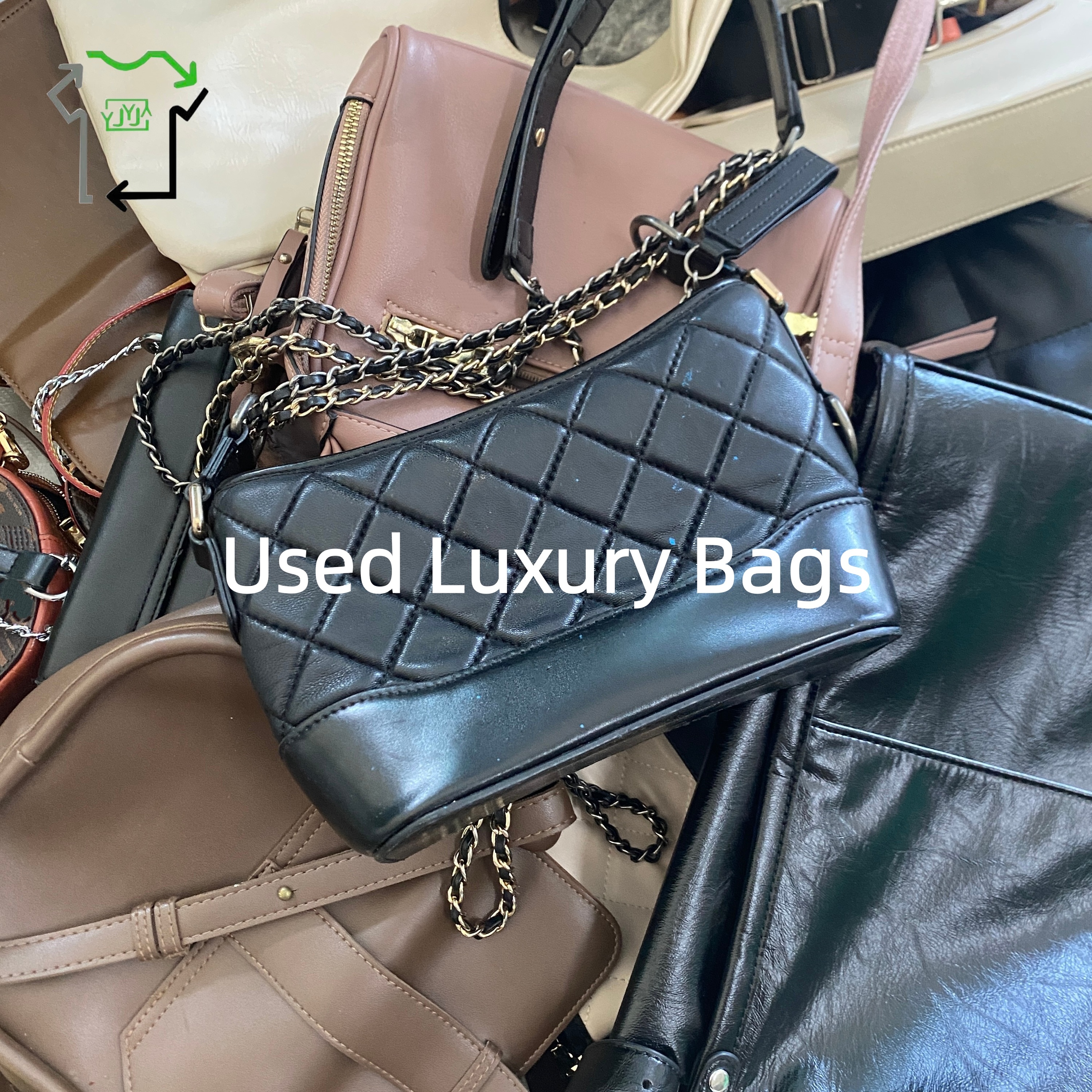
When assessing any UK thrift designer luxury handbag, focus on objective indicators of quality and authenticity:
- Hardware Quality: Check zippers, clasps, and logos for brand-specific engravings. Authentic pieces usually feature weighty metal components without chipping.
- Stitching: Even, tight stitching with consistent spacing indicates skilled construction. Loose threads or uneven lines suggest poor repair or forgery.
- Leather & Material Condition: Look for cracks, discoloration, or excessive scuffing. Nubuck and suede are harder to clean and more prone to water damage.
- Serial & Date Codes: Most major brands embed codes indicating production date and location. Research brand-specific formats (e.g., Chanel’s letter-number system) and verify against databases or expert guides.
- Dust Bag & Accessories: Original packaging (dust bag, care card, lock keys for Hermès) adds value and supports authenticity claims.
- Smell: Musty or chemical odors can indicate mold, improper storage, or cleaning attempts.
Always request multiple high-resolution images under natural light and ask sellers for close-ups of interior tags, corners, and hardware.
Pros and Cons
Advantages:
- Significant cost savings compared to retail.
- Access to discontinued or limited-edition models.
- Environmentally responsible consumption.
- Potential appreciation in value for collectible items.
Drawbacks:
- Risk of counterfeit products, especially on unmoderated platforms.
- Wear and tear may require professional restoration.
- Limited warranty or return options depending on seller.
- Time-consuming research needed to authenticate and compare.
Buying secondhand luxury makes sense if you prioritize value, rarity, and sustainability. However, if immediate availability, pristine condition, or manufacturer warranties are critical, new retail may be preferable despite the higher price.
How to Choose UK Thrift Designer Luxury Handbags
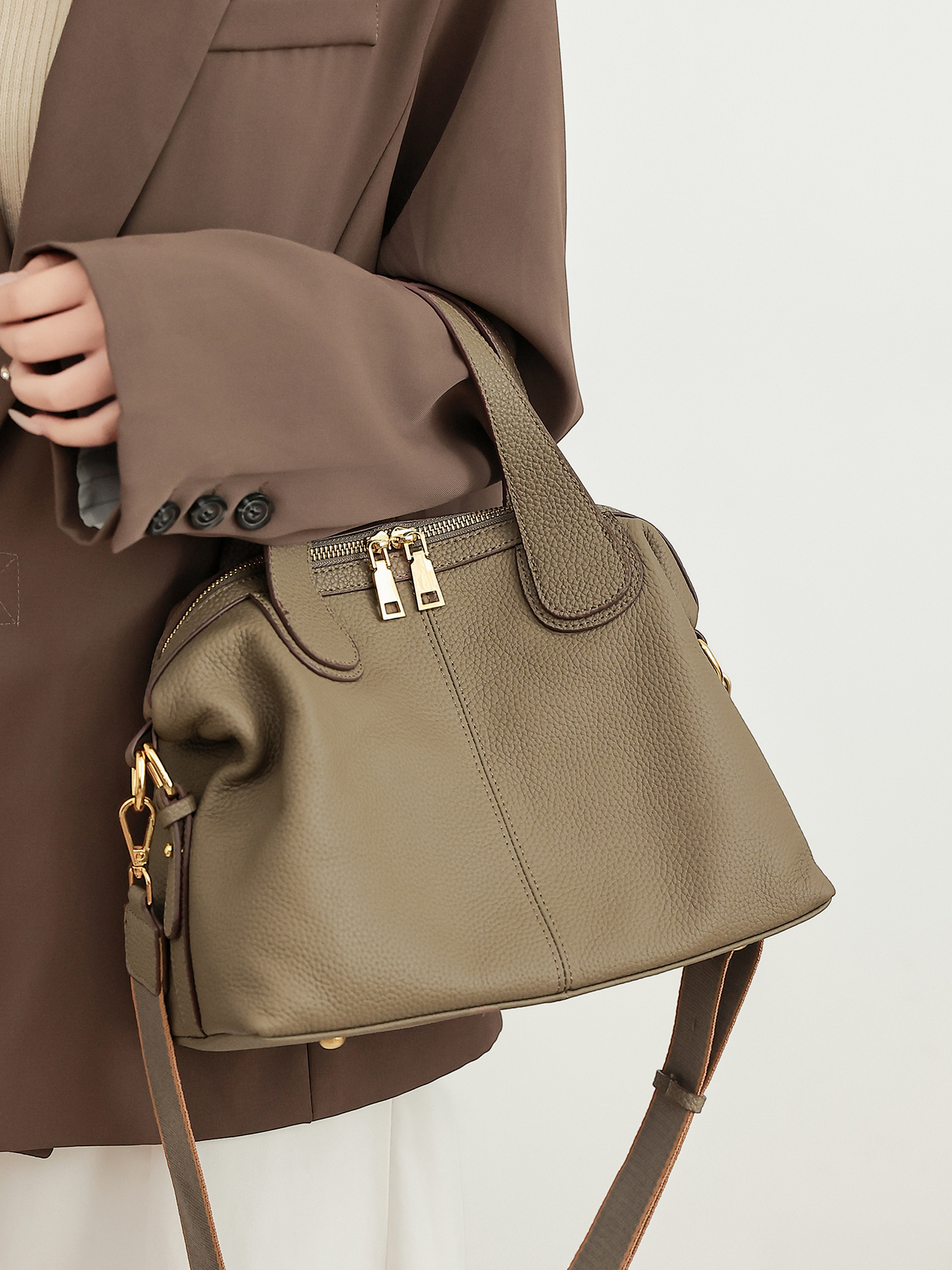
Follow this step-by-step guide to make an informed decision:
- Define Your Purpose: Will you use the bag daily, for events, or as an investment? This determines durability and style priorities.
- Set a Realistic Budget: Determine your maximum spend, keeping in mind potential restoration costs (typically £50–£300).
- Research Desired Models: Identify specific styles (e.g., “Chanel Medium Classic Flap Black Quilted Lambskin”) and learn their market value using price comparison tools like What Goes Around Comes Around or Chrono24.
- Choose Trusted Sources: Prioritize platforms with authentication guarantees (e.g., Vestiaire Collective, Rebag, ByRotation). Avoid private sellers who refuse video calls or detailed inspections.
- Verify Authenticity: Use independent verification services like LegitGrails or Authenticate First if unsure. Compare fonts, logo placement, and stitching patterns with official references.
- Inspect Condition Thoroughly: Ask about smoke exposure, pet ownership, and prior repairs. Review all photos and request additional angles if needed.
- Check Return Policy: Ensure there’s a window (ideally 14 days) to return if the item doesn’t match the description.
- Avoid Red Flags: Be wary of prices that seem too good to be true, vague descriptions, missing serial numbers, or pressure to pay via untraceable methods (e.g., bank transfer only).
Price & Market Insights
Prices for UK thrift designer luxury handbags vary widely based on brand, model, condition, and rarity. As of 2024:
- Budget Tier (£100–£400): Pre-loved Gucci GG Marmont mini, vintage Coach, or older Michael Kors models. Often show visible wear but suitable for casual use.
- Middle Tier (£400–£1,200): Well-maintained Chanel 2.55 reissues, Louis Vuitton Speedy 30, or Dior Book Tote replicas (verify authenticity). Good balance of quality and affordability.
- Premium Tier (£1,200–£5,000+): Vintage Hermès Kelly, limited-run Louis Vuitton trunks, or authenticated classic Chanel flaps in mint condition. These often hold or increase value.
Some models, particularly Hermès Birkins and certain Chanel variants, have appreciated faster than gold or stocks over the past decade 2. However, most bags depreciate initially before stabilizing. Always compare listings across several platforms to gauge fair market value.
| Brand | Model | Avg. Resale Price (UK) | Authenticity Risk | Resale Value Retention |
|---|---|---|---|---|
| Chanel | Classic Flap Medium | £3,800 | Moderate | 90% after 5 years |
| Hermès | Kelly 28 | £8,500+ | High | 110% (appreciates) |
| Louis Vuitton | Neverfull GM | £650 | Low-Moderate | 60% after 5 years |
| Gucci | GG Marmont Matelassé | £450 | Moderate-High | 50% after 5 years |
Top-Seller & Competitive Analysis
Certain models dominate the UK secondhand luxury market due to desirability and reliability. The Chanel Classic Flap remains one of the most consistently resold items, prized for its timeless design and steady appreciation. Hermès Kelly and Birkin bags, though rarer in thrift settings, command premium prices when available. Louis Vuitton’s monogram canvas pieces are popular entry points due to durability and widespread recognition.
When comparing top sellers, consider both emotional appeal and practical longevity. While trendy pieces like the Prada Cleo may generate buzz, classic silhouettes tend to offer better long-term value. Also, assess whether newer reissues (e.g., Gucci Diana) align with your taste versus enduring staples like the Dior Saddle Bag.
Customer Feedback Synthesis
Analysis of buyer reviews across major UK resale sites reveals recurring themes:
Common Praises:
- “Saved over £1,000 compared to boutique pricing.”
- “The authentication process gave me peace of mind.”
- “Received compliments everywhere—no one believes it’s secondhand.”
Frequent Complaints:
- “Hidden stains inside the lining weren’t shown in photos.”
- “Seller refused returns after I got it checked and found it was fake.”
- “Smelled strongly of perfume and took weeks to air out.”
These insights highlight the importance of transparent communication, thorough inspection, and purchasing from platforms with buyer protection.
Sourcing & Supplier Tips
To source reliable UK thrift designer luxury handbags:
- Start with curated resale platforms that authenticate items pre-sale.
- Follow established Instagram resellers with verified accounts and consistent posting history.
- Join Facebook groups focused on luxury handbag trading in the UK, but vet members carefully.
- Consider renting first via services like Hurr Collective or ByRotation to test styles before buying.
- If buying in person (e.g., at London vintage fairs), bring a magnifying glass and UV light to inspect stitching and hologram stickers.
For bulk buyers or potential resellers, build relationships with estate liquidators or auction houses. Always document purchases and maintain records for future resale.
Maintenance, Safety & Legal Considerations
Proper care extends the life of your thrifted luxury bag:
- Store in dust bag away from sunlight and humidity.
- Use stuffing (acid-free tissue) to maintain shape.
- Clean leather periodically with pH-balanced wipes designed for luxury goods.
- Avoid waterproofing sprays unless recommended by a professional restorer.
Safety-wise, never share payment details outside secure platforms. Use PayPal Goods & Services for buyer protection when possible. Legally, ensure the item isn’t stolen—ask for proof of purchase if suspicious. In the UK, the Consumer Rights Act 2015 applies to business sellers, guaranteeing that goods must be as described, of satisfactory quality, and fit for purpose.
Conclusion
Choosing the right UK thrift designer luxury handbag requires diligence, knowledge, and patience. By focusing on authenticity, condition, and provenance, you can acquire high-value pieces at a fraction of retail cost. Whether you’re seeking everyday elegance or a long-term investment, the secondhand luxury market offers exceptional opportunities—if navigated wisely. Stick to trusted sellers, perform due diligence, and prioritize timeless designs over fleeting trends for lasting satisfaction.
FAQs
How do I verify the authenticity of a UK thrift designer luxury handbag?
Look for consistent branding details, correct font usage, proper stitching, and serial codes. Use third-party authentication services like LegitGrails or work only with platforms offering in-house verification.
Are UK thrift designer luxury handbags worth the investment?
Yes, especially for iconic models from Chanel, Hermès, or limited editions. Many retain or increase in value over time, making them smarter financial choices than new retail purchases.
What should I do if I receive a counterfeit bag?
Contact the seller immediately and file a dispute through the platform or payment provider (e.g., PayPal). Report the incident to authorities like Action Fraud in the UK.
Can I negotiate prices on secondhand luxury handbags?
Yes, especially on independent marketplaces or during off-seasons. Polite offers 10–15% below listing price are often accepted, particularly for items listed longer than two weeks.
Do thrifted luxury bags come with warranties?
Not typically, unless purchased through certified refurbishers. Business sellers must comply with UK consumer law, meaning items should match their description and be of acceptable quality.




 浙公网安备
33010002000092号
 浙B2-20120091-4