

When selecting a durable, flexible, and high-performance textile for activewear or workwear, woven 4 way stretch twill polyester spandex fabric is often the top choice due to its balanced blend of strength, comfort, and mobility. This guide will walk you through everything you need to know before purchasing, including key performance indicators like stretch ratio, denier count, abrasion resistance, and UV stability. Whether you're sourcing for athletic apparel, tactical gear, or industrial uniforms, understanding how to evaluate composition, weave structure, and finish treatments ensures you select the right variant for your application.
About Twill Polyester Spandex Fabric Woven 4 Way Stretch
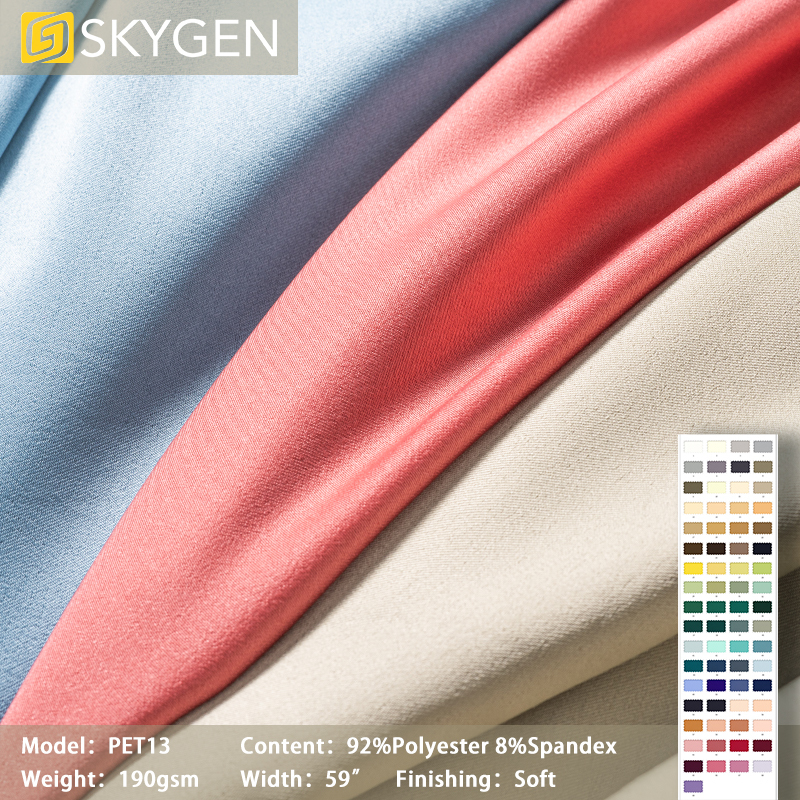
Twill polyester spandex fabric woven with 4 way stretch technology refers to a tightly constructed textile made primarily from polyester fibers blended with a small percentage (typically 2%–10%) of spandex or elastane. The 'twill' designation describes the diagonal rib pattern formed during weaving, which enhances durability and drape compared to plain weaves. Unlike knits, this is a woven fabric—meaning the threads are interlaced at right angles—but engineered to stretch both horizontally and vertically thanks to the integrated spandex yarns.
This hybrid construction combines the best qualities of woven fabrics—such as tear resistance, dimensional stability, and professional appearance—with the dynamic flexibility usually found in knit materials. It's commonly used in performance-oriented garments where movement and longevity are equally important. Typical applications include tactical pants, hiking apparel, duty uniforms, equestrian wear, and fashion-forward athleisure pieces that require a structured look without sacrificing comfort.
Why Twill Polyester Spandex Fabric Woven 4 Way Stretch Is Gaining Popularity
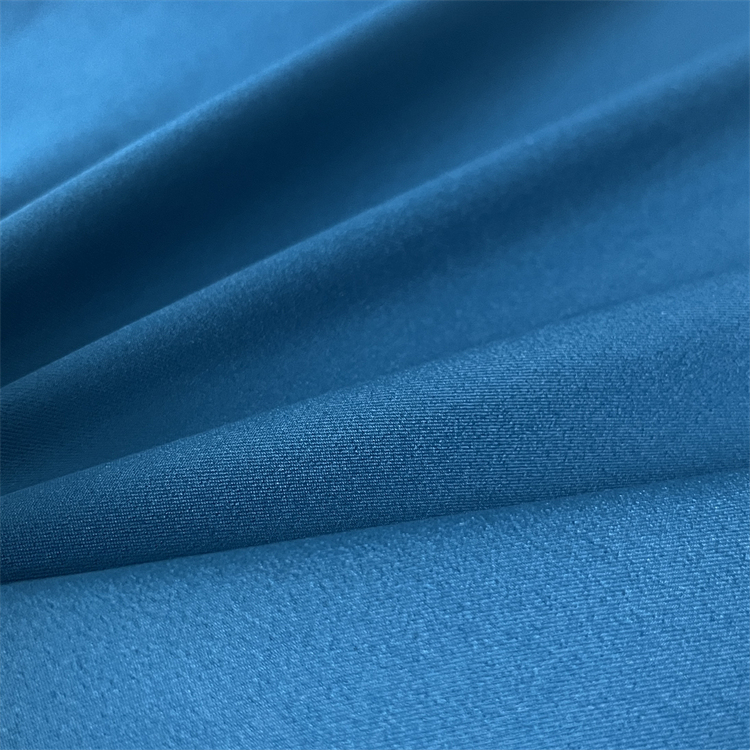
The growing demand for versatile, multi-functional clothing has driven widespread adoption of 4 way stretch twill fabrics across industries. Consumers and manufacturers alike value the ability to maintain a polished, tailored aesthetic while enabling unrestricted motion—something traditional twills lack. According to market research, the global performance textile industry has seen steady growth, particularly in segments focused on functional apparel 1.
Additionally, advancements in fiber engineering have improved moisture-wicking properties, breathability, and softness, making these fabrics more comfortable for extended wear. Their resistance to shrinking, wrinkling, and fading also reduces maintenance costs and increases product lifespan—key factors for commercial buyers and end-users alike. As remote work blurs the line between casual and professional attire, garments made from this fabric offer a practical solution: office-appropriate looks with weekend-ready flexibility.
Types and Variants
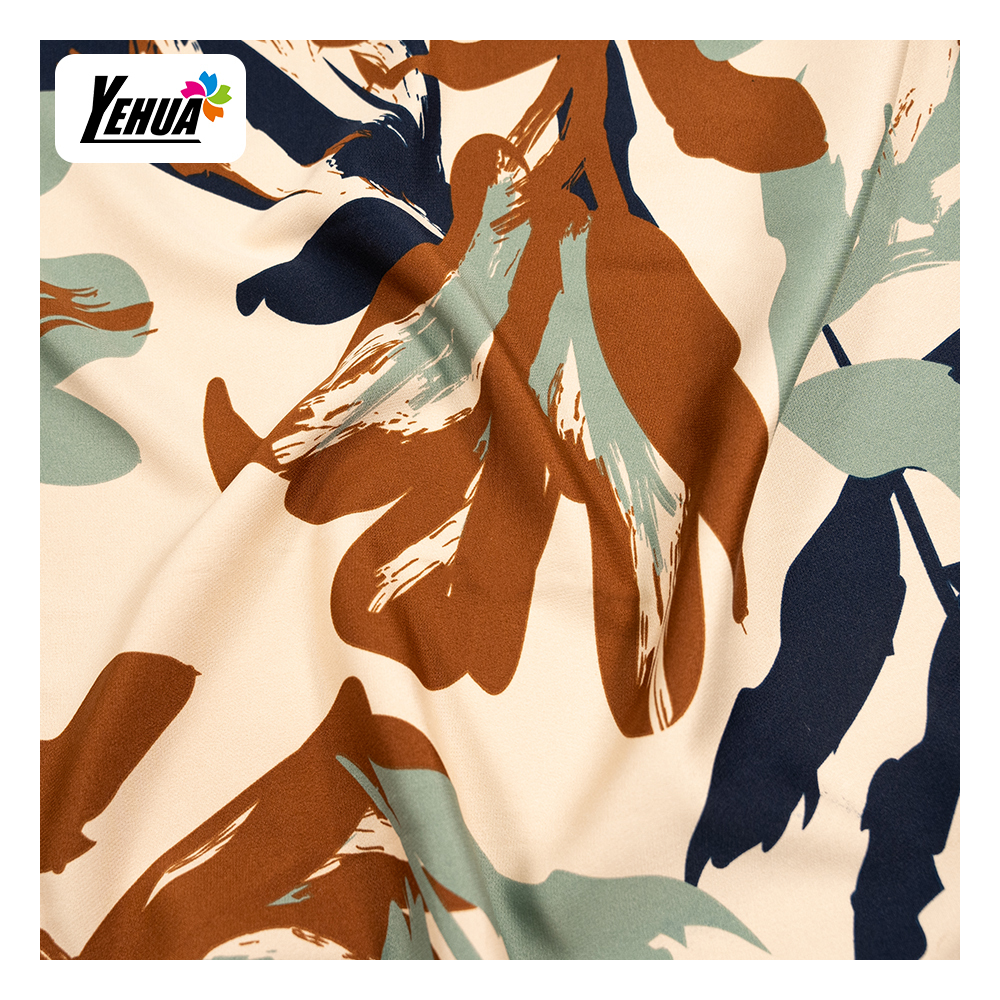
Not all woven 4 way stretch twill polyester spandex fabrics are created equal. Several variations exist based on composition, weight, finish, and intended use:
- Lightweight (90–150 gsm): Ideal for warm-weather apparel and linings. Offers excellent breathability but less abrasion resistance. Best for sports jackets, summer trousers, and lightweight uniforms.
- Mid-weight (150–220 gsm): Most common range; balances durability and comfort. Used in cargo pants, workwear, and outdoor gear. Provides moderate wind resistance and can be treated for water repellency.
- Heavyweight (220+ gsm): Designed for extreme conditions. Often used in military, law enforcement, and industrial settings. Highly resistant to tearing and punctures but may feel stiff initially.
Other variants include:
- Recycled polyester blends: Environmentally friendly option using post-consumer PET bottles. Performance is comparable to virgin polyester, though some batches may vary in consistency.
- Moisture-wicking & antimicrobial finishes: Treated with chemical coatings or embedded fibers to manage sweat and odor. Common in activewear and duty uniforms.
- Flame-resistant (FR) versions: Chemically treated or inherently flame-retardant for hazardous environments such as oil rigs or firefighting operations.
Each type comes with trade-offs. Lightweight versions sacrifice durability for comfort, while heavy-duty options may limit airflow and increase heat retention. Always verify specifications with the supplier before finalizing a purchase.
Key Features and Specifications to Evaluate
To make an informed decision when choosing twill polyester spandex fabric woven 4 way stretch, consider the following technical parameters:
- Fiber Composition: Look for a minimum of 90% polyester and 5–10% spandex for optimal stretch recovery. Higher spandex content (>10%) may compromise durability.
- Stretch Ratio: Measured as percentage elongation in warp (lengthwise) and weft (crosswise) directions. A true 4 way stretch should exhibit at least 15–25% stretch in both directions.
- Denier Count: Indicates fiber thickness. Lower denier (e.g., 30D–70D) results in softer hand feel; higher denier (100D+) increases toughness.
- Weight (GSM): Grams per square meter determines thickness and suitability for climate. Match GSM to intended use—lighter for hot climates, heavier for cold or rugged environments.
- Finish Treatments: DWR (durable water repellent), anti-abrasion, UV protection, and soil release finishes enhance functionality. Request test reports if critical for your application.
- Color Fastness: Rated on scales like AATCC or ISO. Aim for ≥4 on lightfastness and washfastness to prevent fading.
- Recovery Rate: After stretching, the fabric should return to its original shape within seconds. Poor recovery leads to bagging at knees or elbows.
Manufacturers should provide lab-tested data sheets. If not available, request samples and conduct simple field tests—stretch the fabric and observe rebound, rub it against rough surfaces, or expose it to sunlight over time.
Pros and Cons
Understanding the strengths and limitations of this material helps determine whether it fits your project needs.
Advantages:
- Excellent durability and abrasion resistance
- Superior stretch and recovery in both directions
- Wrinkle-resistant and low-maintenance
- Retains color well after repeated washing
- Suitable for structured garments requiring mobility
Disadvantages:
- Less breathable than knits or natural fibers
- Can retain heat in high-temperature environments
- Potential pilling after prolonged friction
- Some variants contain PFAS-based DWR treatments (environmental concern)
- May feel stiffer than jersey knits despite stretch capability
This fabric is ideal when you need long-lasting performance with moderate comfort. It’s less suitable for loungewear or situations demanding maximum airflow.
How to Choose Twill Polyester Spandex Fabric Woven 4 Way Stretch
Follow this step-by-step checklist to ensure you select the right fabric:
- Define Your Use Case: Will it be used for tactical gear, outdoor recreation, or fashion? Each requires different weight and finish.
- Check Fiber Blend: Confirm polyester-to-spandex ratio. Avoid blends with less than 90% polyester unless elasticity is the primary goal.
- Evaluate Stretch Performance: Test stretch manually or review technical specs. Ensure bi-directional expansion and quick recovery.
- Assess Weight and Thickness: Choose GSM appropriate for climate and activity level.
- Review Finish Treatments: Determine if water resistance, stain resistance, or flame retardancy is needed.
- Request Samples: Always obtain physical swatches to assess hand feel, drape, and stiffness.
- Verify Compliance: For commercial use, check if the fabric meets industry standards (e.g., NFPA, Oeko-Tex, REACH).
- Avoid Red Flags: Be cautious of vendors who don’t provide detailed specs, offer unrealistically low prices, or refuse sample requests.
Ask suppliers about minimum order quantities (MOQs), lead times, and return policies—especially important for bulk purchases.
Price & Market Insights
Pricing varies significantly based on quality, origin, and volume. As of recent market observations:
- Budget Tier ($2.50–$4.50/yd): Typically imported from Asia, may lack consistent quality control. Suitable for prototypes or non-critical uses.
- Mid-Range ($4.50–$8.00/yd): Balanced performance and reliability. Often sourced from Turkey, India, or South Korea. Preferred by many private-label brands.
- Premium ($8.00+/yd): High-end mills in Italy, Japan, or the U.S. Offer superior finishes, traceable sourcing, and certifications like Oeko-Tex Standard 100.
Buying in bulk (e.g., 500+ yards) typically reduces unit cost by 15–30%. However, always balance savings against potential risks of overstock or inconsistent dye lots. Consider starting with a small batch to test performance before scaling up.
Top-Seller & Competitive Analysis
While specific brand names vary by region and distributor, certain performance benchmarks distinguish leading products. Below is a comparison of typical attributes found in popular offerings:
| Product Type | Composition | Stretch (%) | Weight (GSM) | Special Features |
|---|---|---|---|---|
| Standard Tactical Twill | 95% Poly / 5% Spandex | 20% x 18% | 210 | DWR, Abrasion Resistant |
| Lightweight Active Twill | 92% Poly / 8% Spandex | 25% x 25% | 140 | MW, Anti-Odor |
| Heavy-Duty FR Twill | 93% Poly / 5% Spandex / 2% FR Fiber | 15% x 15% | 240 | Flame Resistant, Arc Rated |
Note: Always confirm actual values with current datasheets, as formulations change frequently.
Customer Feedback Synthesis
Analysis of buyer reviews across B2B platforms and retail sites reveals consistent patterns:
Common Praises:
- "Holds up well after months of daily wear"
- "Moves with the body unlike regular cotton twill"
- "Looks professional but feels comfortable"
Recurring Complaints:
- "Started pilling after three months of frequent use"
- "Sweaty in hot weather—needs better ventilation"
- "Color variation between dye lots affected uniformity"
These insights highlight the importance of proper care, realistic expectations regarding breathability, and strict lot matching in production runs.
Sourcing & Supplier Tips
When sourcing twill polyester spandex fabric woven 4 way stretch, prioritize transparency and reliability:
- Work with suppliers who provide full technical data sheets (TDS) and compliance documentation.
- Use platforms like Alibaba, ThomasNet, or Fabric Wholesale Direct for initial exploration, but vet sellers thoroughly.
- For custom development, consider working directly with mills in countries known for technical textiles—e.g., Italy, Japan, South Korea, or Taiwan.
- If ordering in bulk, insist on pre-production samples and third-party inspection services (e.g., SGS, Bureau Veritas).
- Negotiate terms around MOQ, payment methods, shipping timelines, and defect resolution.
Be cautious of extremely low prices—substandard spandex integration or poor dyeing processes can lead to premature failure.
Maintenance, Safety & Legal Considerations
Proper care extends fabric life and maintains performance:
- Machine wash cold, gentle cycle; avoid bleach.
- Tumble dry low or air dry to preserve elasticity.
- Iron on low heat if necessary; high temperatures can damage spandex fibers.
- Store away from direct sunlight to prevent UV degradation.
Safety-wise, ensure flame-resistant versions meet required certifications (e.g., NFPA 2112, ASTM F1506) if used in hazardous environments. From a regulatory standpoint, verify compliance with local textile labeling laws and environmental regulations such as California Proposition 65 or EU REACH.
Conclusion
Woven 4 way stretch twill polyester spandex fabric offers a powerful combination of resilience, mobility, and professional aesthetics, making it a go-to choice for performance-driven apparel. By evaluating fiber content, stretch performance, weight, and finish treatments, buyers can match the material to their exact needs. While not perfect for every scenario—particularly ultra-breathable or eco-sensitive applications—it remains one of the most versatile synthetic woven options available. Prioritize verified specifications, request real-world samples, and choose reputable suppliers to ensure consistent quality and long-term satisfaction.
FAQs
What does '4 way stretch' mean in twill polyester spandex fabric?
It means the fabric stretches both lengthwise (warp) and widthwise (weft), allowing freedom of movement in multiple directions while maintaining structural integrity.
Is woven 4 way stretch durable enough for workwear?
Yes, especially mid- to heavyweight variants (180–240 gsm) with reinforced weaves and abrasion-resistant finishes. These are widely used in tactical and industrial uniforms.
Can this fabric be recycled?
Polyester components can be mechanically or chemically recycled, but blended fabrics with spandex pose challenges. Recycled-content versions are increasingly available from sustainable suppliers.
How do I prevent pilling on twill polyester spandex fabric?
Wash inside out on gentle cycles, avoid fabric softeners, and minimize friction during wear. Higher-quality weaves with tighter construction resist pilling better.
Does 4 way stretch twill wrinkle easily?
No, polyester resists wrinkling far better than cotton. Most variants return to smooth form after wearing, especially those with wrinkle-release finishes.




 浙公网安备
33010002000092号
 浙B2-20120091-4