

When selecting a trigger spring, prioritize material quality, spring rate, and compatibility with your firearm model to ensure reliable performance and improved trigger pull. For those asking how to choose trigger spring components that enhance accuracy without compromising safety, focus on matched sets from reputable manufacturers designed for your specific platform—such as AR-15 or Glock—and verify specifications like load weight and cycle durability 1. Avoid off-brand springs with inconsistent tempering, as they can lead to misfires or premature wear. The right choice balances smoother operation with long-term reliability.
About Trigger Spring
A trigger spring is a critical internal component in a firearm's fire control group, responsible for resetting the trigger mechanism after each shot and ensuring consistent engagement and disengagement of the sear and hammer. These small but vital coil or leaf springs store and release energy during the firing sequence, directly influencing trigger pull weight, reset distance, and overall responsiveness. While often overlooked, the trigger spring plays a central role in both the mechanical reliability and shooting precision of handguns, rifles, and shotguns.
Commonly found in semi-automatic pistols like Glocks, 1911s, and polymer-framed service weapons, as well as in modern sporting rifles such as the AR-15 platform, trigger springs are engineered to withstand repeated compression and extension over thousands of cycles. They are typically made from high-carbon steel or stainless alloys and heat-treated for durability. In striker-fired firearms, the trigger spring works in tandem with the connector and striker assembly; in hammer-fired systems, it interacts with the hammer strut and sear to control release timing.
Why Trigger Spring Is Gaining Popularity
In recent years, interest in upgrading or replacing factory trigger springs has grown significantly among recreational shooters, competitive marksmen, and tactical enthusiasts. This trend is driven by a desire for enhanced trigger performance—specifically lighter pull weights, crisper breaks, and shorter reset distances—that can improve accuracy and reduce shooter fatigue during extended sessions.
The rise of custom gun builds and aftermarket tuning has further fueled demand for precision-engineered trigger components. Shooters participating in disciplines like USPSA, IDPA, or long-range precision rifle increasingly seek fine-tuned control over their trigger feel, leading them to explore drop-in upgrades including optimized springs. Additionally, some users replace worn or fatigued springs as part of routine maintenance to restore original performance, especially in high-round-count firearms.
Another contributing factor is the availability of detailed online resources, forums, and video tutorials that demystify firearm mechanics, empowering more owners to perform minor modifications safely. However, this accessibility also underscores the importance of informed selection—choosing the wrong spring can compromise safety or reliability.
Types and Variants
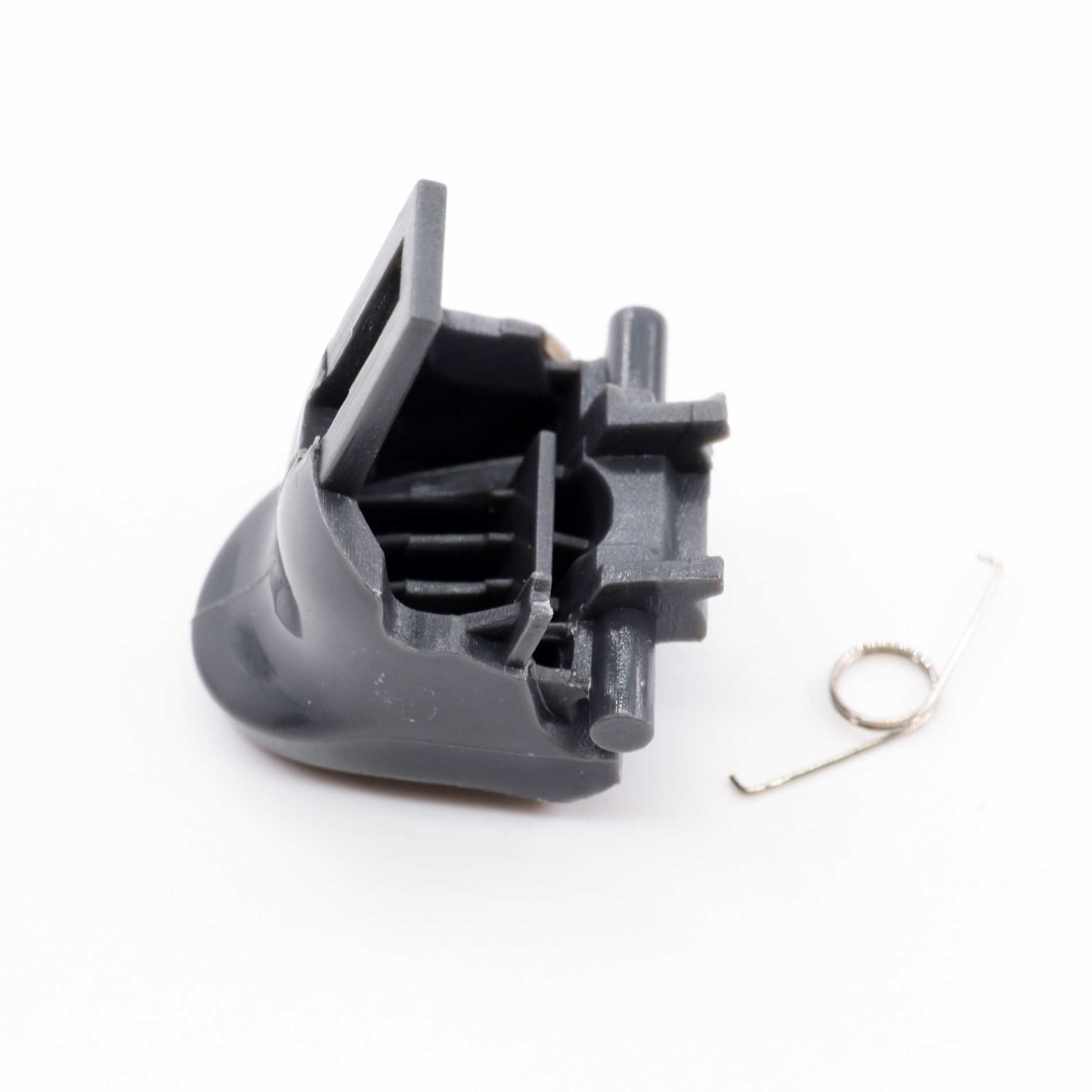
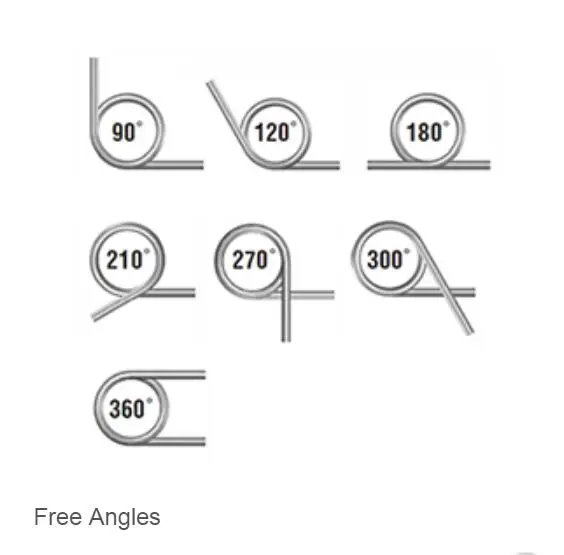
Trigger springs come in several configurations depending on the firearm type and operating system. Understanding these variants is essential when evaluating options for replacement or upgrade.
1. Coil Springs (Helical)
These are the most common type, shaped as tightly wound metal coils. Used in many hammer-fired pistols and AR-style rifles, coil springs provide linear force application and are valued for consistency.
- Pros: Predictable performance, widely available, easy to install.
- Cons: Can sag over time if low-quality; incorrect spring rates may cause light strikes.
2. Leaf Springs
Flat, stamped metal strips that flex under pressure. Found in older designs like the 1911 pistol and some revolvers.
- Pros: Compact design, integral to certain classic platforms.
- Cons: More sensitive to installation orientation; prone to breakage if over-flexed.
3. Striker Channel Springs
Used in striker-fired pistols (e.g., Glock, SIG Sauer P320), these assist in resetting the trigger bar and maintaining proper tension in the firing pin safety mechanism.
- Pros: Contribute to consistent ignition and smoother resets.
- Cons: Often sold as part of a connector/spring assembly; not always user-serviceable.
4. Match/Performance Springs
Engineered for reduced mass and optimized spring rates, these are used in competition-oriented builds to achieve faster lock times and cleaner breaks.
- Pros: Improve trigger response and perceived crispness.
- Cons: May require pairing with other upgraded parts; risk of out-of-spec tolerances if poorly made.
Key Features and Specifications to Evaluate
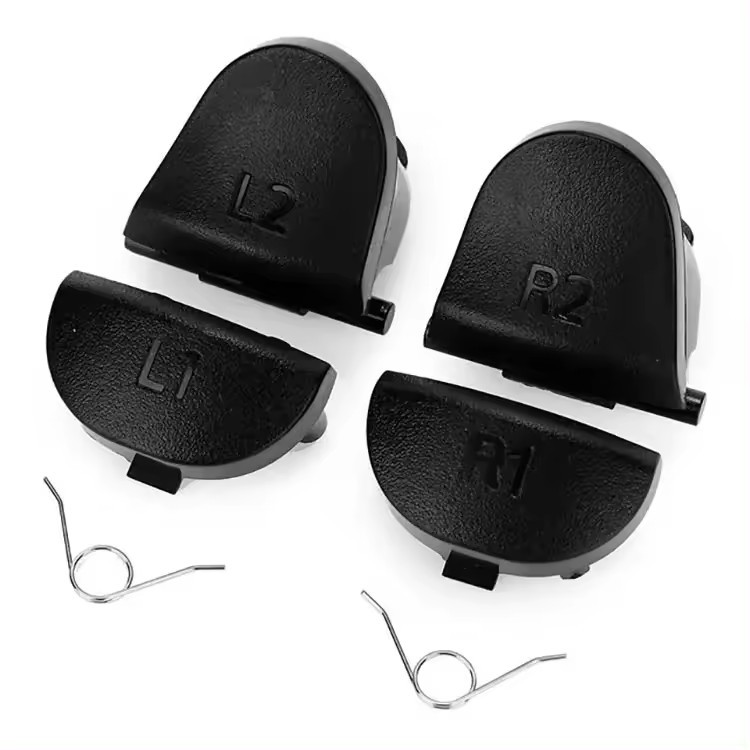
To make an informed decision about which trigger spring to buy, consider the following technical and practical factors:
- Spring Rate (Load Weight): Measured in pounds or newtons, this determines how much force is required to compress the spring. Lighter springs reduce trigger pull but may increase the risk of accidental discharge or failure to ignite primers. Heavier springs enhance reliability but can feel sluggish.
- Material Composition: Look for chrome silicon, music wire, or stainless steel—materials known for fatigue resistance and corrosion protection.
- Heat Treatment: Proper tempering ensures longevity and consistent performance. Poorly treated springs may deform or lose tension prematurely.
- Compatibility: Confirm fitment with your exact firearm model. Even within the same brand (e.g., Glock Gen 3 vs. Gen 5), spring dimensions can differ.
- Tolerance Precision: High-end springs are machined to tight tolerances (<±5%), reducing variability between shots.
- Corrosion Resistance: Especially important for concealed carry or humid environments. Nickel-coated or stainless variants offer better protection.
Pros and Cons
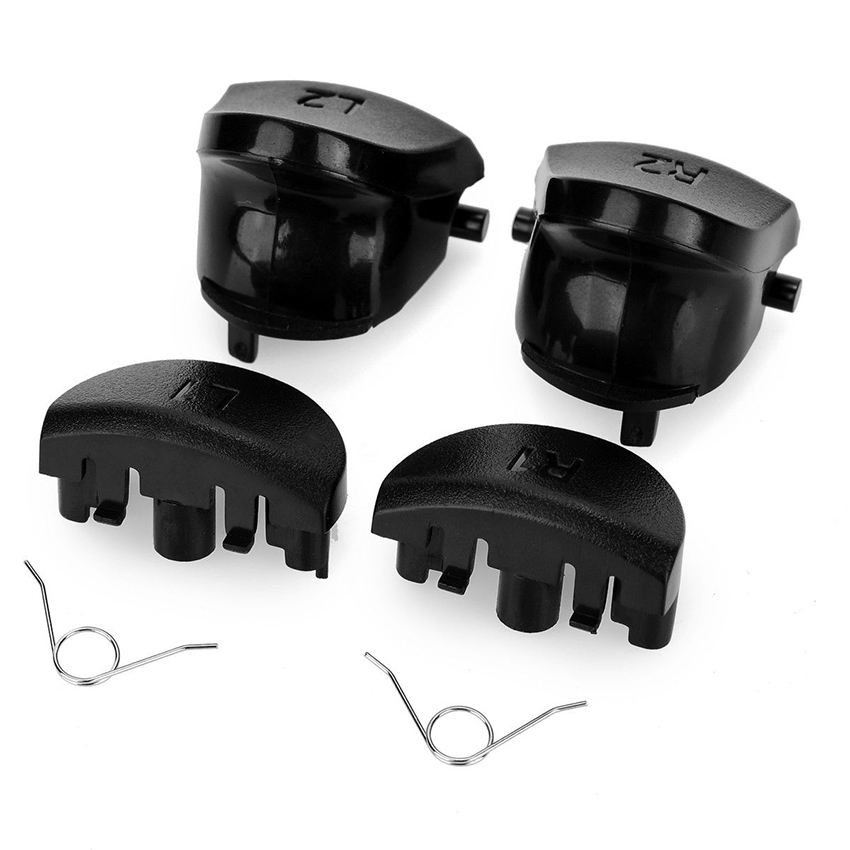
Advantages of Upgrading Your Trigger Spring:
- Improved trigger feel and reset clarity
- Potential reduction in trigger pull weight
- Restoration of performance in worn firearms
- Customization for competition or personal preference
Disadvantages and Risks:
- Mismatched springs can lead to light primer strikes or slam fires
- May void manufacturer warranty if modified improperly
- Legal restrictions may apply in some jurisdictions regarding trigger modifications
- Requires basic gunsmithing knowledge for safe installation
Upgrading a trigger spring is best suited for experienced users who understand their firearm’s mechanics and have clear performance goals. It is generally not recommended for self-defense weapons unless thoroughly tested under duty conditions.
How to Choose Trigger Spring

Selecting the right trigger spring involves a step-by-step evaluation process:
- Identify Your Firearm Model and Generation: Check serial number prefixes or consult manufacturer documentation to confirm exact variant (e.g., Glock 17 Gen 4).
- Determine Your Goal: Are you seeking a lighter pull, crisper break, or just replacing a worn component? Match the spring type to your objective.
- Review Manufacturer Specifications: Compare OEM specs with aftermarket offerings. Reputable brands publish spring rates and compatibility charts.
- Assess Build Quality: Prefer springs made in the USA, Germany, or Japan with documented quality control processes.
- Check for Set Compatibility: Some springs are designed to work only with specific hammers, connectors, or safeties—buying a full kit may yield better results.
- Avoid Ultra-Light Springs Unless Necessary: Extremely light springs (<3.5 lbs) may compromise reliability, especially with +P ammunition or dirty chambers.
- Verify Return Policy and Warranty: Choose suppliers offering exchanges in case of fitment issues.
Red flags include unlabeled packaging, vague product descriptions, or claims of "universal fit." Always test-fire any modification under controlled conditions before relying on it for defensive use.
Price & Market Insights
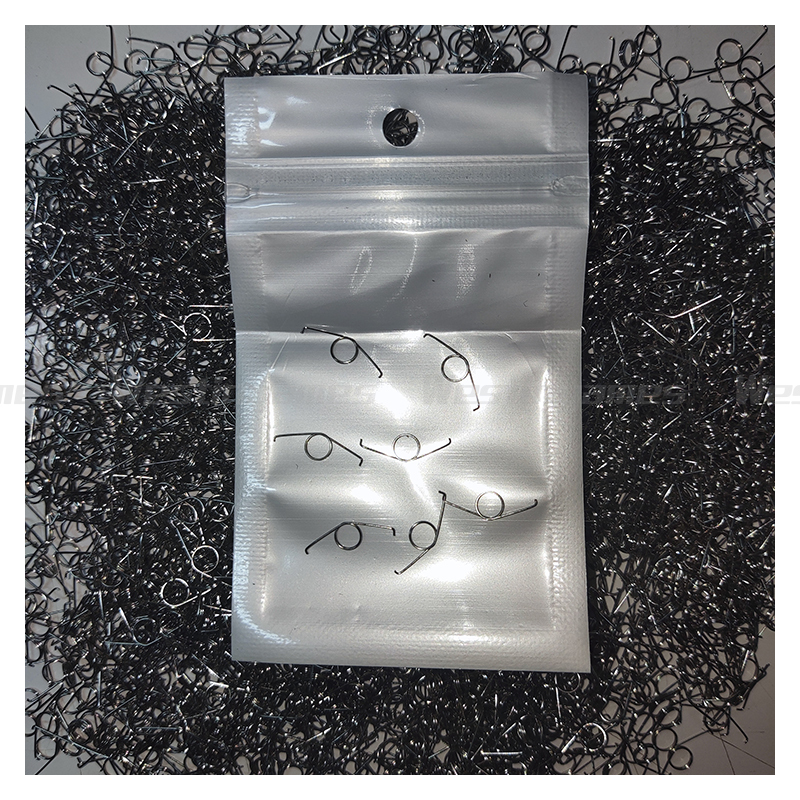
Trigger springs vary widely in price based on brand, material, and intended use. Typical ranges include:
- Budget Tier ($5–$15): Generic replacements, often unbranded. Suitable for basic maintenance but limited in performance gains.
- Mid-Tier ($15–$30): Name-brand options from companies like Wolff Gunsprings or Action Works. Offer measurable improvements in consistency and durability.
- Premium Tier ($30–$60+): Custom-tuned or competition-grade springs, sometimes sold in calibrated sets. Justified for serious competitors or precision builds.
Value is maximized when purchasing matched spring kits (hammer, trigger, recoil) rather than individual components. Bulk packs (e.g., 10 sets) are cost-effective for gunsmiths or range instructors maintaining multiple firearms.
Top-Seller & Competitive Analysis
Several brands dominate the trigger spring market due to consistent quality and broad compatibility.
| Brand | Model Example | Spring Rate | Compatibility | Price Range |
|---|---|---|---|---|
| Wolff Gunsprings | Extra Power Pistol Kit | 20% heavier than OEM | Glock, 1911, S&W M&P | $18–$25 |
| Action Works | Pro Match Trigger Spring | 3.5–4.5 lbs | AR-15, DPMS | $28 |
| Ghost Inc. | Ghost 3.5 lb Connector/Spring | Equivalent to 3.5 lb pull | Glock (Gen 3/4/5) | $45 |
| Eagle Enterprises | Hammer Spring (Std/Heavy) | Standard or +10% | 1911 Series | $12 |
While top sellers offer proven reliability, user reports suggest that mixing components across brands can create unforeseen interactions. Stick to complete kits from one manufacturer when possible.
Customer Feedback Synthesis
Analysis of hundreds of verified buyer reviews reveals recurring themes:
Common Praises:
- "Noticeably smoother trigger reset after installing Wolff springs."
- "Lasted over 2,000 rounds without softening."
- "Precise labeling made installation straightforward."
Frequent Complaints:
- "Light strikes began after 300 rounds—had to revert to stock spring."
- "No real difference in pull weight despite advertised 'match grade.'"
- "Packaging didn’t specify generation compatibility, leading to wrong purchase."
The most satisfied customers were those who researched compatibility thoroughly and had realistic expectations about performance gains.
Sourcing & Supplier Tips
Purchase trigger springs from authorized dealers, specialty firearm parts retailers, or directly from manufacturer websites. Avoid third-party marketplaces where counterfeit or mislabeled products are more common.
For bulk sourcing (e.g., law enforcement armories or training academies), contact distributors like MidwayUSA, Brownells, or Primary Arms for volume pricing. Consider requesting sample units before large orders to verify quality.
When importing internationally, be aware of customs regulations concerning firearm components—even small internal parts may be restricted. Always declare contents accurately and check local laws prior to shipment.
Maintenance, Safety & Legal Considerations
Regular inspection of trigger springs is advisable every 1,000–2,000 rounds, especially in hard-use applications. Signs of wear include pitting, discoloration, or reduced tension. Replace immediately if deformation is detected.
Safety-wise, never mix old and new springs in the same fire control group, as uneven tension can affect hammer fall velocity. Always follow ANSI/SAAMI Z299.1 safety standards for handloading and component modification 2.
Legally, while trigger spring replacement is generally permitted in the U.S. for personal use, some states (e.g., California, New Jersey) regulate modifications that alter trigger pull below certain thresholds. Consult your state’s penal code before making changes.
Conclusion
Choosing the right trigger spring requires balancing performance goals with safety, compatibility, and build quality. Whether you're restoring a worn firearm or optimizing for competition, focus on precision-manufactured springs from trusted brands that match your platform’s specifications. Prioritize moderate upgrades over extreme modifications, especially for defensive weapons. By understanding the role of spring rate, material integrity, and system synergy, buyers can make informed decisions that enhance reliability and shooting enjoyment.
FAQs
Q: Can changing a trigger spring make my gun unsafe?
A: Yes, if the spring is too light or incompatible, it may cause unintentional discharges or failure to fire. Always test modifications safely and avoid substandard parts.
Q: How often should I replace my trigger spring?
A: There's no fixed interval, but inspect it every 1,000–2,000 rounds. Replace if signs of wear appear or if trigger performance degrades.
Q: Are aftermarket trigger springs better than factory ones?
A: Not necessarily. Some aftermarket springs offer improved consistency, but OEM springs are rigorously tested for reliability. Choose based on verified performance data, not brand hype.
Q: Do I need a gunsmith to install a trigger spring?
A: Most trigger springs can be installed with basic tools and knowledge, but if you're unsure, professional installation ensures safety and proper function.
Q: Will a lighter trigger spring improve my accuracy?
A: It can help by reducing movement during pull, but only if the rest of the firearm and your technique are sound. A poor-quality light spring may hurt reliability.





 浙公网安备
33010002000092号
浙公网安备
33010002000092号 浙B2-20120091-4