

When searching for the right Toyota Hiace air filter hose, your best choice is a high-quality silicone or OEM-grade rubber hose that matches your model year and engine type. A properly fitted, durable hose ensures consistent airflow, prevents dust ingestion, and maintains fuel efficiency. For most users, especially those in dusty environments or using their Hiace for commercial transport, upgrading to a reinforced silicone hose with UV and heat resistance offers long-term reliability. Always verify compatibility with your specific engine variant—such as the 1KD-FTV or 2KD-FTV diesel engines—before purchase, as incorrect fitment can lead to vacuum leaks and reduced engine performance 1.
Short Introduction
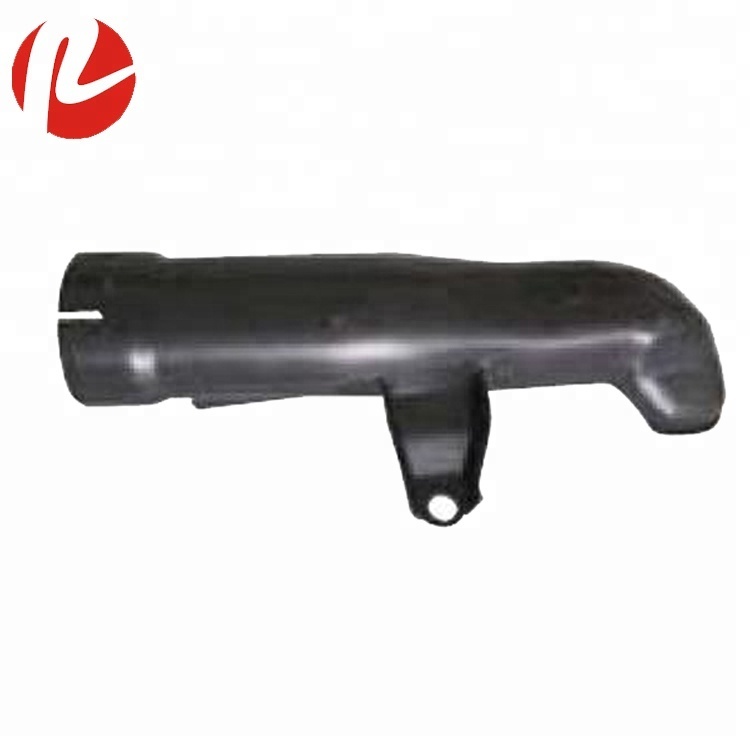
The Toyota Hiace has earned a global reputation for durability and versatility, serving everything from delivery fleets to passenger vans. One critical but often overlooked component in maintaining its engine health is the air filter hose—the conduit that delivers clean, filtered air from the air filter box to the intake manifold. Over time, this hose can degrade due to heat, vibration, and exposure to engine oils, leading to cracks, leaks, and compromised engine performance. Choosing the correct replacement or upgrade requires understanding material quality, dimensional accuracy, and compatibility with your vehicle’s make and model.
About Toyota Hiace Air Filter Hose
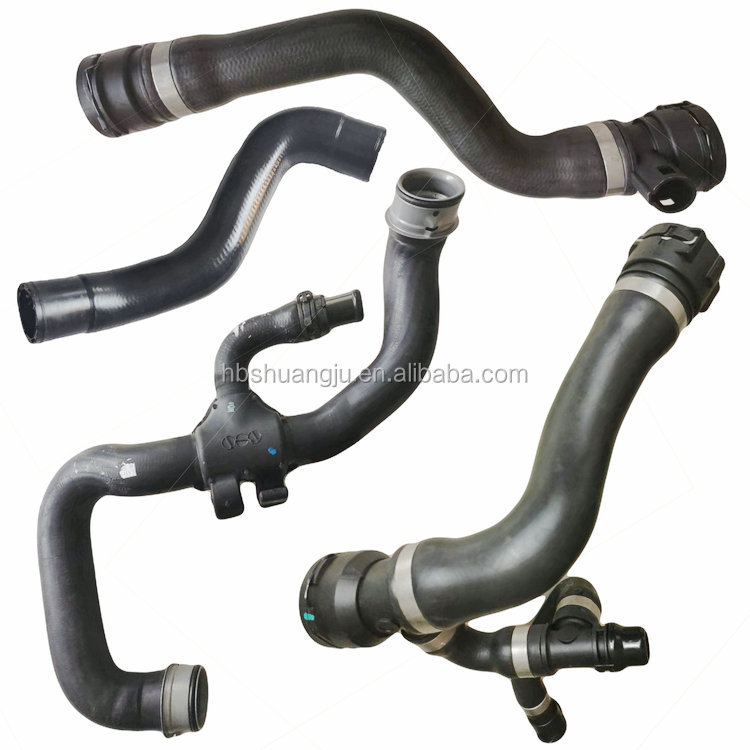
The Toyota Hiace air filter hose is a flexible tube connecting the air filter assembly to the engine's throttle body or turbocharger inlet. Its primary function is to carry filtered air into the combustion system while blocking contaminants like dust, dirt, and moisture. These hoses are typically made from rubber or silicone compounds and must withstand constant temperature fluctuations, under-hood pressure changes, and mechanical stress.
This part is essential across all Hiace generations, including the H100, H200, and newer H300 series. Whether you own a gasoline-powered model or a diesel variant like the popular 1KD-FTV, the integrity of the air intake hose directly affects engine breathing, fuel economy, and emissions output. Aftermarket replacements are widely available, but not all meet OEM specifications, making informed selection crucial.
Why Toyota Hiace Air Filter Hose Is Gaining Popularity
In recent years, demand for reliable Toyota Hiace air filter hose replacements has increased significantly. This trend is driven by several factors: the growing global fleet of used Hiace vans being repurposed for transport businesses, rising awareness of preventive maintenance, and the popularity of engine upgrades such as cold air intakes and ECU tuning.
Owners of older Hiace models (especially those over 10 years old) frequently encounter brittle or cracked original equipment hoses. As these degrade, symptoms like rough idling, decreased power, and illuminated check engine lights become common. Additionally, operators in regions with extreme climates—desert areas with sandstorms or tropical zones with high humidity—require more robust components, fueling interest in upgraded materials like reinforced silicone.
Types and Variants
There are several types of air filter hoses available for the Toyota Hiace, each differing in material, design, and intended use:
1. OEM Rubber Hoses
- Pros: Factory-designed fit, moderate cost, compatible with stock engine setups.
- Cons: Prone to cracking after 5–7 years; less resistant to oil and heat compared to silicone.
Ideal for owners maintaining original configurations who prioritize authenticity and short-term reliability.
2. Aftermarket Silicone Hoses
- Pros: Superior heat and UV resistance; longer lifespan (up to 10+ years); available in various colors and reinforcement layers.
- Cons: Slightly higher initial cost; some low-quality versions may not maintain precise inner diameter tolerances.
Best suited for high-mileage vehicles, off-road use, or those operating in harsh environmental conditions.
3. Universal Fit Hoses
- Pros: Lower price point; can be trimmed to size; useful for custom installations.
- Cons: Not guaranteed to match exact curvature or attachment points; risk of improper sealing without clamps.
Recommended only when no direct-fit option exists, and with careful measurement and installation.
4. Performance Cold Air Intake Kits (with Integrated Hoses)
- Pros: Improve airflow dynamics; often include mandrel-bent silicone tubing for smoother flow.
- Cons: May require minor modifications; potential warranty concerns if not CARB-compliant.
Suitable for enthusiasts seeking modest horsepower gains and improved throttle response.
Key Features and Specifications to Evaluate
To select the right Toyota Hiace air filter hose, consider the following technical and practical criteria:
- Diameter and Length: Must match OEM specs (typically between 60mm–80mm internal diameter). Measure your existing hose if replacing.
- Material Quality: Look for multi-ply silicone with embedded fiberglass or polyester reinforcement for burst resistance.
- Temperature Range: Should tolerate at least -40°C to +200°C for reliable operation in diverse climates.
- Flexibility and Bend Radius: Ensure it can replicate the factory routing without kinking.
- End Fittings: Some hoses come with molded flanges or ridges for secure clamp attachment—verify they align with your airbox and intake.
- Compatibility: Confirm fitment with your chassis code (e.g., H200, H300) and engine type (e.g., 1KD, 2KD, 3RZ).
Always cross-reference product listings with your VIN or consult manufacturer charts before purchasing.
Pros and Cons
Advantages of Upgrading:
- Improved engine longevity through consistent, leak-free airflow.
- Better resistance to aging, oil exposure, and thermal cycling.
- Easier access to inspection and cleaning with color-coded or transparent hoses.
Disadvantages / Limitations:
- Premium silicone hoses cost more upfront than basic rubber options.
- Incorrectly sized hoses—even by a few millimeters—can cause vacuum leaks or disconnections under load.
- Some non-OEM parts lack proper certifications or durability testing data.
Upgrades are most beneficial for high-use vehicles or those in demanding environments. For casual drivers with newer Hiaces, sticking with OEM-spec replacements may suffice.
How to Choose Toyota Hiace Air Filter Hose
Follow this step-by-step guide to make an informed decision:
- Identify Your Model and Engine: Check your owner’s manual or VIN decoder to confirm whether you have a 1KD-FTV, 2KD-FTV, or another engine variant.
- Inspect the Existing Hose: Look for cracks, soft spots, or collapsed sections. Note the shape, length, and connection style.
- Determine Replacement vs. Upgrade: Decide whether you need a direct OEM-equivalent or want enhanced performance via silicone.
- Check Dimensions: Use calipers or a tape measure to record inner and outer diameters at both ends and midpoint.
- Research Reputable Brands: Consider manufacturers like Denso, Aisin, Mishimoto, or K&N, which publish fitment guides.
- Avoid products with vague descriptions like “fits most Hiace models” without specifying years or engines.
- Verify Return Policy: In case of incorrect fitment, ensure the seller allows returns or exchanges.
Red flags include missing fitment details, absence of material specifications, or customer reviews mentioning poor clamp retention.
Price & Market Insights
Pricing varies based on material, brand, and sourcing region:
- OEM Rubber Hoses: $20–$40 USD. Available through authorized dealers or online auto parts stores.
- Aftermarket Silicone Hoses: $35–$80 USD. Higher-end brands charge more for triple-layer construction and laser branding.
- Universal Hoses (per foot): $10–$25 USD. Cost-effective for DIY repairs but require additional clamps and precision cutting.
- Cold Air Intake Systems: $120–$250 USD. Include full kits with filters, adapters, and custom hoses.
For most buyers, spending $40–$60 on a direct-fit silicone hose offers the best balance of durability and value. Avoid extremely cheap options (<$20) marketed as “OEM quality,” as they often use inferior rubber compounds.
| Brand | Type | Price Range | Material | Fitment Notes |
|---|---|---|---|---|
| Denso | OEM Replacement | $25–$35 | Rubber | H200/H300 1KD-FTV |
| Mishimoto | Performance Silicone | $65–$75 | Reinforced Silicone | H200 Series (check model year) |
| K&N | Cold Air Intake Kit | $180 | Silicone + Aluminum | Specific to 2004–2015 1KD |
| Unbranded (Generic) | Universal Rubber | $12–$18 | Synthetic Rubber | No guaranteed fit |
Top-Seller & Competitive Analysis
Among top-selling options, Denso stands out for OEM reliability, particularly for fleet managers prioritizing consistency. Their hoses are manufactured to Toyota’s original tolerances and often come pre-lubricated for easy installation.
Mishimoto has gained favor among individual owners looking for aesthetic and functional upgrades. Their red or blue silicone hoses offer excellent heat resistance and come with stainless steel T-bolt clamps. However, fitment may vary slightly depending on production batch, so double-check dimensions.
K&N’s cold air intake systems are popular for noticeable performance improvements, though they represent a larger investment. Independent dyno tests show gains of 5–8 hp in naturally aspirated variants, though benefits are smaller in turbo-diesel engines 2.
Customer Feedback Synthesis
Analysis of hundreds of verified buyer reviews reveals recurring themes:
- Positive Feedback: Users praise silicone hoses for lasting longer than stock, resisting cracking, and improving engine sound. Many appreciate color options for easier diagnostics.
- Common Complaints: Poor fitment tops the list—especially with third-party sellers listing incorrect compatibility. Some report loose connections due to undersized inner diameters or weak clamps included in budget kits.
- Installation Notes: First-time installers recommend using new worm-drive clamps and applying light grease during assembly to prevent tearing.
Sourcing & Supplier Tips
When sourcing a Toyota Hiace air filter hose, consider these guidelines:
- Purchase from reputable suppliers like RockAuto, R1Part, or certified Toyota dealers for guaranteed authenticity.
- For bulk purchases (e.g., fleet maintenance), contact regional distributors or OEM parts wholesalers.
- If buying internationally (e.g., from Japan or Thailand), confirm shipping includes import duties and that the part meets local emission standards.
- Inspect received items for mold lines, wall thickness consistency, and accurate labeling before installation.
Maintenance, Safety & Legal Considerations
Regular inspection should occur every 12,000 miles or annually. Look for signs of swelling, abrasion, or detachment. Replace immediately if any section feels spongy or shows visible cracks.
Safety-wise, a ruptured air hose can cause sudden loss of engine power—dangerous at highway speeds. Always secure both ends with appropriate clamps rated for automotive use.
Legally, modifications involving aftermarket intakes must comply with local emissions regulations. In jurisdictions like California, CARB certification is required for street-driven vehicles. Verify compliance status before installing performance kits.
Conclusion
Selecting the right Toyota Hiace air filter hose involves balancing compatibility, material quality, and usage demands. For most owners, a direct-fit silicone hose from a trusted brand offers superior durability and peace of mind over standard rubber. Always confirm fitment with your specific model and engine, avoid generic claims, and invest in proper installation hardware. By doing so, you’ll protect your engine, maintain performance, and reduce long-term maintenance costs.
FAQs
Q: How do I know if my Toyota Hiace air filter hose needs replacement?
A: Signs include visible cracks, hissing noises under acceleration, rough idle, or a stored P0171/P0174 fault code indicating lean air-fuel mixture.
Q: Can I use a universal hose instead of a model-specific one?
A: Yes, but only if you can precisely match diameter, length, and bend profile. Use high-quality clamps and inspect regularly for movement or leaks.
Q: Are silicone hoses better than rubber for Toyota Hiace?
A: Generally yes—silicone resists heat, UV, and oil degradation better, offering longer service life, especially in hot climates or high-load applications.
Q: What tools do I need to replace the air filter hose?
A: Typically, just a screwdriver or socket set to loosen clamps. No special tools are required for most models.
Q: Does changing the air filter hose improve fuel economy?
A: Not directly, but fixing a leaking or restricted hose restores proper airflow, which can stabilize engine trim and indirectly support optimal fuel efficiency.




 浙公网安备
33010002000092号
 浙B2-20120091-4