

When evaluating how to choose toilet paper manufacturing cost effectively, the key is balancing initial investment with long-term operational efficiency. For most small to mid-sized producers, a semi-automatic toilet paper production line offers the best return on investment, combining manageable setup costs—typically between $30,000 and $120,000—with sufficient output capacity to meet regional demand 1. What to look for in toilet paper manufacturing cost includes not only machinery price but also raw material sourcing, labor, energy consumption, and maintenance. Understanding these variables helps avoid hidden expenses and ensures sustainable profitability, especially when scaling from startup to commercial operation.
About Toilet Paper Manufacturing Cost
Toilet paper manufacturing cost refers to the total expenditure involved in producing finished toilet paper rolls from raw materials through packaging. This encompasses capital equipment, pulp or recycled fiber inputs, labor, utilities, facility overhead, and compliance-related expenses. Unlike consumer product pricing, this cost structure is primarily relevant to entrepreneurs, private label brands, or existing tissue manufacturers looking to expand production capabilities.
The process typically begins with sourcing virgin or recycled paper pulp, which is then processed through pulping, pressing, drying, rewinding, embossing, perforating, cutting, and packaging stages. Each step contributes to the final per-roll or per-ton production cost. Accurate assessment of toilet paper manufacturing cost is essential for business planning, break-even analysis, and competitive pricing strategies in both retail and bulk distribution markets.
Why Toilet Paper Manufacturing Cost Is Gaining Popularity
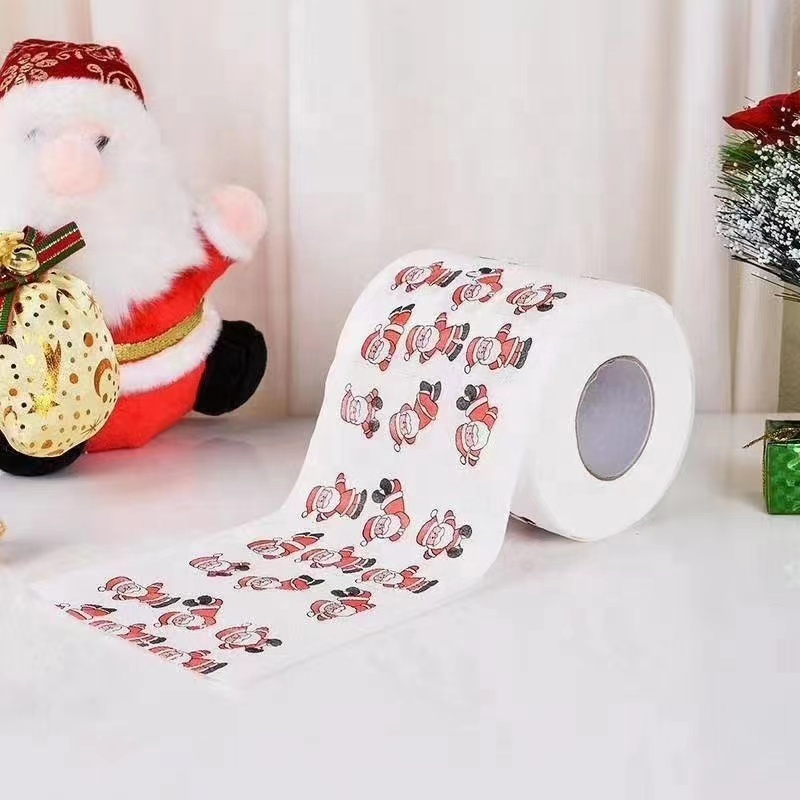
In recent years, interest in toilet paper manufacturing cost has surged due to several market dynamics. First, global supply chain disruptions during health crises highlighted vulnerabilities in relying solely on imported goods, prompting more local and regional production initiatives. Second, rising consumer demand for eco-friendly and sustainable tissue products has created opportunities for niche manufacturers using recycled fibers or bamboo-based materials.
Additionally, the low barrier to entry for small-scale operations—especially in developing economies—has made toilet paper production an attractive venture for new entrepreneurs. Online marketplaces and direct-to-consumer models further enable startups to bypass traditional retail gatekeepers, increasing the appeal of understanding true manufacturing costs before investing.
Types and Variants
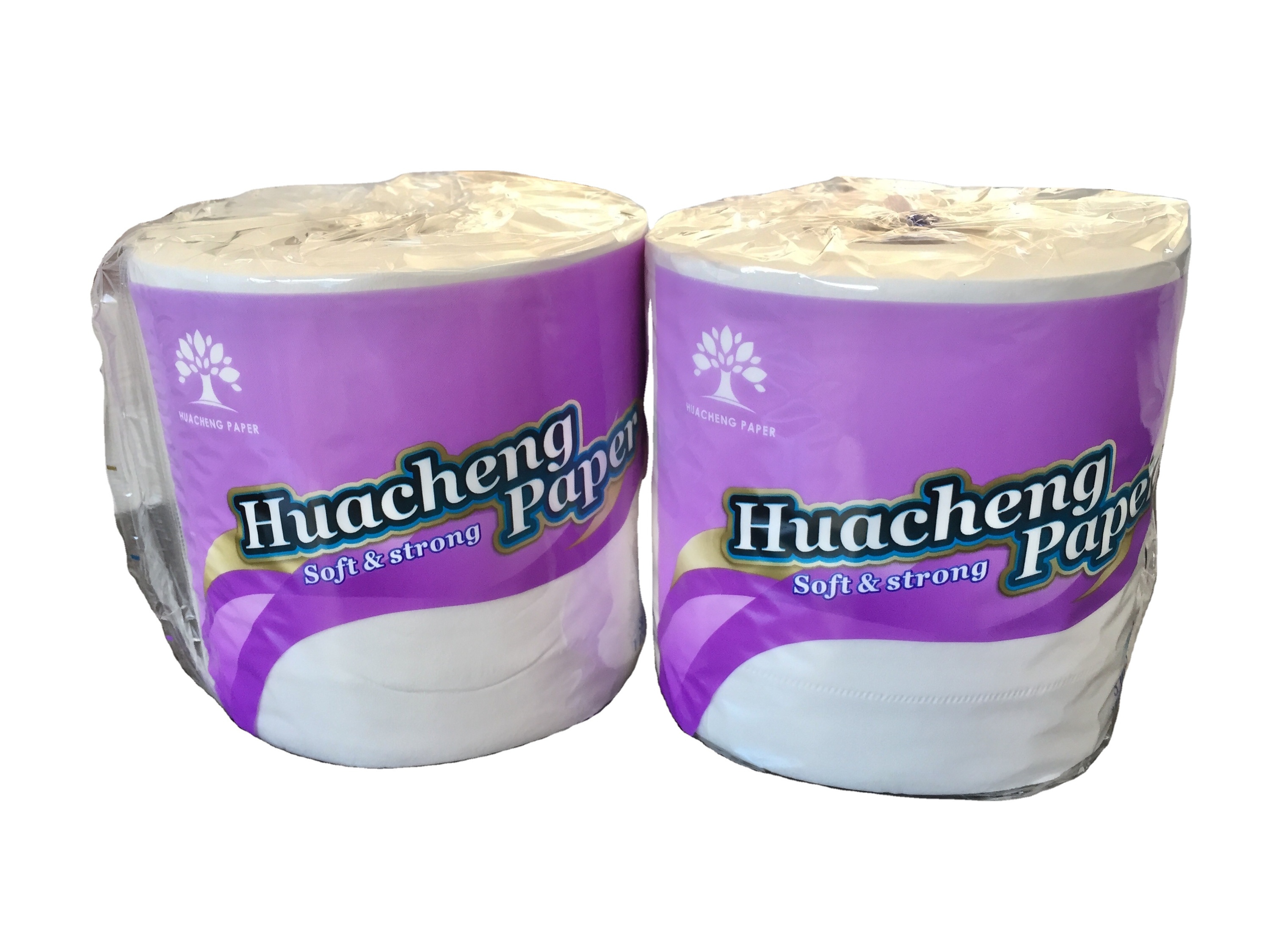
Toilet paper manufacturing systems vary significantly based on automation level, output capacity, and material compatibility. Choosing the right type depends on your production goals, budget, and intended market.
Manual or Semi-Mechanized Systems
These are basic setups often used by micro-businesses or rural cooperatives. They require significant human labor for tasks like feeding jumbo rolls, operating rewinders, and packaging.
- Pros: Low upfront cost ($5,000–$20,000), easy to repair, suitable for very small batches.
- Cons: Low output (under 1 ton/day), inconsistent quality, high labor dependency, not scalable.
Semi-Automatic Production Lines
This is the most common choice for startups and small factories. It automates core processes like rewinding, embossing, and cutting but still requires manual intervention for loading and monitoring.
- Pros: Balanced cost and efficiency; output ranges from 1–3 tons/day; easier to operate than fully automatic lines.
- Cons: Requires trained operators; moderate maintenance needs; limited speed compared to full automation.
Fully Automatic Lines
Designed for medium to large-scale operations, these systems integrate all stages—from parent roll processing to sealed packaging—with minimal human input.
- Pros: High output (3–8+ tons/day), consistent product quality, reduced labor costs over time.
- Cons: High initial investment ($150,000+); complex maintenance; requires stable power and technical expertise.
Eco-Friendly or Specialty Material Lines
Some manufacturers specialize in non-traditional materials such as bamboo, sugarcane bagasse, or 100% post-consumer recycled fiber. These require modified pulping and processing equipment.
- Pros: Appeals to environmentally conscious consumers; potential for premium pricing.
- Cons: Higher raw material costs; limited supplier availability; may need custom machine configurations.
Key Features and Specifications to Evaluate
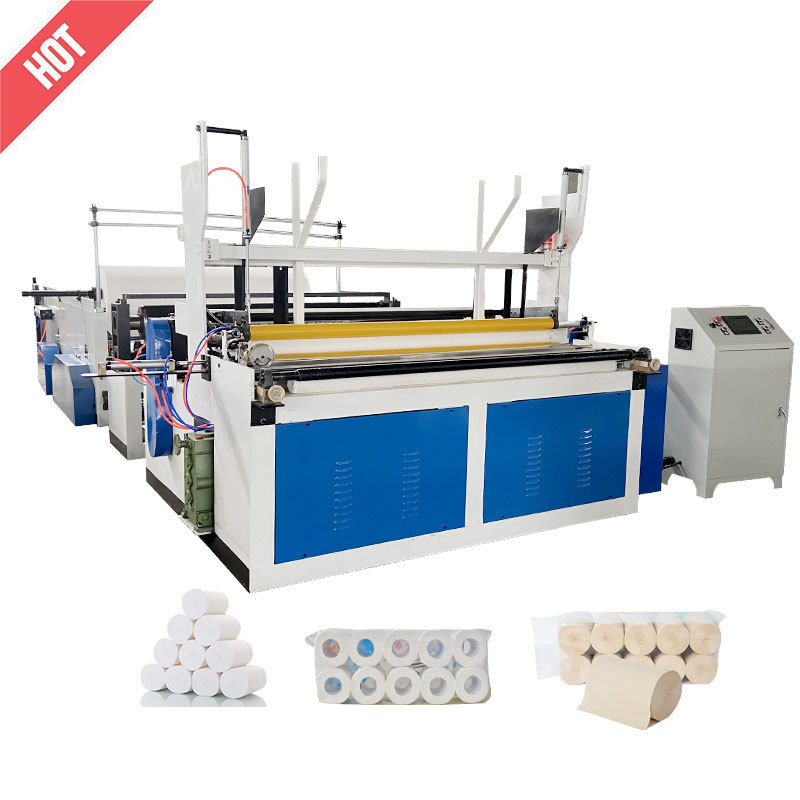
When analyzing toilet paper manufacturing cost, focus on measurable technical and economic indicators that impact long-term viability.
- Production Capacity (tons/day): Match output to projected sales volume. Overcapacity increases idle costs; undercapacity limits growth.
- Roll Width & Diameter Compatibility: Ensure the machine handles standard sizes (e.g., 4.5” width) and can adjust for different core diameters.
- Energy Efficiency: Look for machines with variable frequency drives (VFDs) and low-power motors to reduce electricity use—a major ongoing expense.
- Downtime & Maintenance Requirements: Frequent breakdowns increase labor and repair costs. Check mean time between failures (MTBF) if available.
- Waste Rate: Efficient machines produce less trim waste (<5%) during slitting and cutting.
- Control System: PLC (Programmable Logic Controller) interfaces improve precision and ease of operation.
- Material Flexibility: Can the line handle both virgin and recycled base papers without reconfiguration?
Pros and Cons
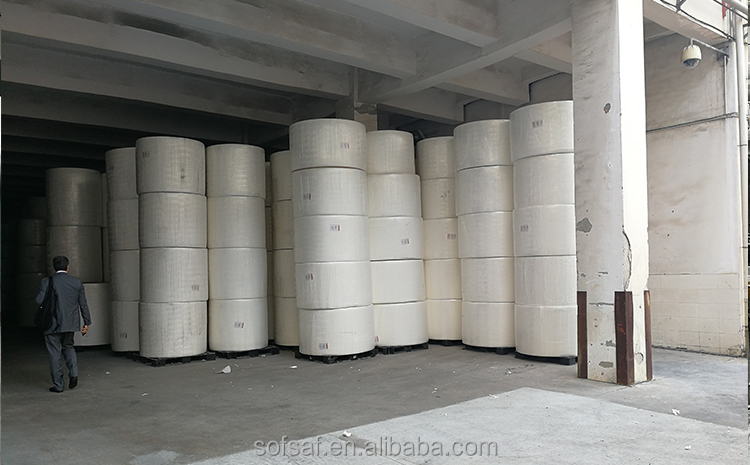
Producing toilet paper in-house offers advantages but isn’t suitable for every business model.
When It Makes Sense
- You aim to launch a private-label brand with unique branding or sustainability claims.
- Local market prices exceed your estimated production cost plus margin.
- You have access to affordable raw materials (e.g., nearby paper mills or recycling centers).
- There’s unmet demand in your region, reducing reliance on imports.
When to Avoid
- Your capital budget is under $20,000 and you lack technical support.
- Electricity or water supply is unreliable—tissue production is resource-intensive.
- Regulatory compliance (wastewater, emissions) would be prohibitively expensive.
- Market saturation makes differentiation difficult without strong branding.
How to Choose Toilet Paper Manufacturing Cost: A Step-by-Step Guide

Follow this decision framework to make an informed investment:
- Define Your Output Goal: Estimate monthly sales in rolls or tons. Start with realistic projections—even 1 ton/day equals about 10,000 single-ply rolls.
- Assess Available Capital: Include not just machinery but installation, training, spare parts, and three months of operating expenses.
- Research Raw Material Sources: Contact pulp suppliers or waste paper collectors to lock in pricing. Recycled fiber costs fluctuate based on global scrap paper markets 2.
- Select Machine Type: For most beginners, a semi-automatic line provides the best balance.
- Verify Supplier Reputation: Request references, visit working facilities if possible, and check for after-sales service.
- Avoid deals that seem too good to be true—especially offshore suppliers offering “fully automatic” lines under $80,000.
- Calculate Total Cost of Ownership (TCO): Include energy, labor, maintenance, and depreciation over 5 years.
- Test Run Before Full Commitment: If buying used equipment, insist on a live demonstration.
Price & Market Insights
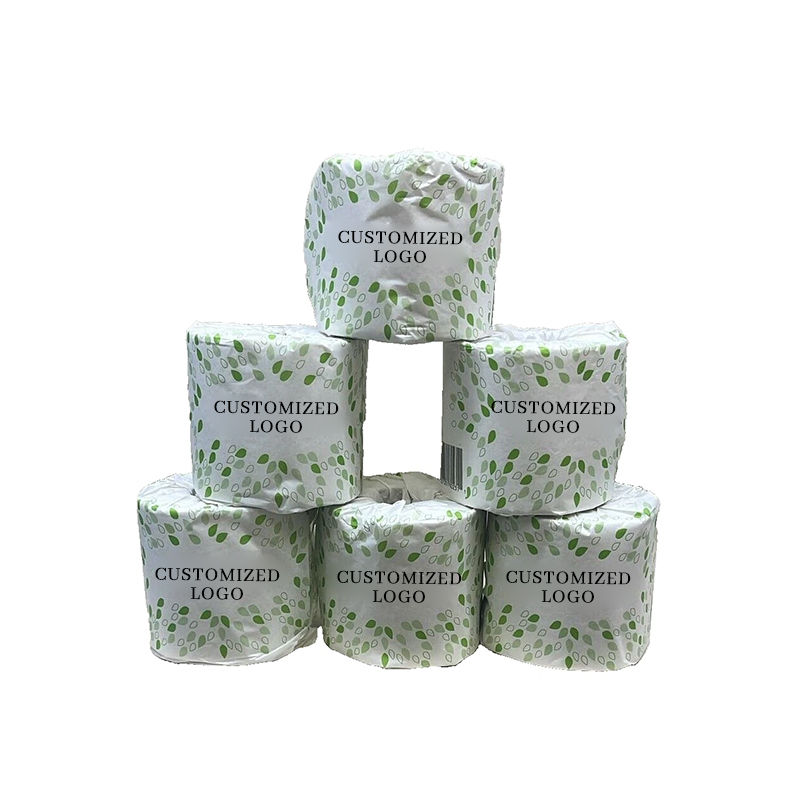
Understanding current pricing trends helps contextualize what constitutes a fair deal.
- Entry-Level Manual Setup: $5,000–$20,000 — suitable for cottage industry production.
- Semi-Automatic Line: $30,000–$120,000 — ideal for small factories targeting local supermarkets or hotels.
- Fully Automatic Line: $150,000–$500,000+ — appropriate for national distribution or export.
- Used Equipment: Can reduce costs by 30–60%, but carries risk of higher maintenance and shorter lifespan.
Value isn’t just about price—it’s output reliability, durability, and ease of integration. A $90,000 machine with excellent uptime may offer better ROI than a $70,000 model needing weekly repairs. Always compare cost per unit produced rather than sticker price alone.
| Type | Avg. Price | Output (tons/day) | Labor Required | Best For |
|---|---|---|---|---|
| Manual/Simple Mechanized | $5K–$20K | 0.3–0.8 | 3–5 people | Microbusinesses, rural areas |
| Semi-Automatic | $30K–$120K | 1–3 | 2–3 people | Startups, regional brands |
| Fully Automatic | $150K–$500K+ | 3–8+ | 1–2 people | Large-scale, export-focused |
Top-Seller & Competitive Analysis
Leading manufacturers of toilet paper production equipment include companies based in China, Italy, and India. Chinese suppliers such as Qingdao Hengfeng Machinery and Xiamen Sino Star are popular due to competitive pricing and export experience. European brands like Fabio Perini (Italy) offer high-end solutions with advanced automation but at significantly higher costs.
When comparing top-selling models, consider:
- After-Sales Support: Does the supplier provide installation guidance, operator training, and spare parts delivery?
- Customization Options: Can the machine be adapted for dual-ply, colored paper, or perfuming?
- Software Integration: Newer models may include data logging or remote diagnostics.
- Build Quality: Stainless steel components resist corrosion and extend machine life.
No single model dominates globally—the best choice depends on your location, scale, and technical capacity.
Customer Feedback Synthesis
Analysis of buyer reviews and industry forums reveals recurring themes:
Common Praises:
- “The semi-auto rewinder increased our output fivefold with only one additional worker.”
- “Easy to operate after the initial learning curve—great for small teams.”
- “Good build quality for the price; minimal breakdowns in first year.”
Common Complaints:
- “Hidden shipping and customs fees doubled the final cost.”
- “Supplier disappeared after payment—no response to service requests.”
- “Machine couldn’t handle recycled paper as promised, leading to frequent jams.”
- “Poor instruction manual; had to hire a technician to set it up.”
These insights underscore the importance of vetting suppliers thoroughly and clarifying contractual terms before purchase.
Sourcing & Supplier Tips
Where you buy your equipment matters as much as the machine itself.
- Domestic vs. International Suppliers: Domestic vendors may charge more but offer faster support. Overseas suppliers (especially from Asia) provide lower prices but longer lead times and communication challenges.
- Request Live Demos: Video calls showing actual operation help verify performance claims.
- Negotiate Service Packages: Ask for included training, spare parts kits, or extended warranties.
- Check Import Regulations: Some countries impose tariffs or safety certifications on industrial machinery.
- Consider Local Distributors: They may represent foreign brands but provide localized service and language support.
For bulk purchases or OEM arrangements, clearly define warranty coverage, delivery timelines, and penalties for delays.
Maintenance, Safety & Legal Considerations
Operating a toilet paper production line involves ongoing responsibilities.
- Maintenance: Schedule regular lubrication, belt tension checks, and blade replacements. Keep a log of servicing dates.
- Safety: Install emergency stop buttons, guarding on moving parts, and proper ventilation in drying zones.
- Electrical Standards: Ensure machines comply with local voltage and grounding requirements.
- Environmental Compliance: If using chemical additives or generating wastewater, confirm adherence to environmental regulations.
- Product Labeling: In many regions, toilet paper must display fiber content, weight, and manufacturer details.
Failure to address these aspects can result in downtime, fines, or workplace injuries.
Conclusion
Understanding toilet paper manufacturing cost goes beyond the sticker price of machinery. It requires a holistic view of raw materials, labor, energy, maintenance, and market demand. For most aspiring producers, a semi-automatic production line in the $30,000–$120,000 range offers the optimal balance of affordability and scalability. Prioritize supplier reliability, machine versatility, and total cost of ownership over initial savings. With careful planning and due diligence, entering the tissue manufacturing space can be a profitable and sustainable venture.
FAQs
What is the average payback period for a toilet paper production line?
Typically 12 to 24 months, depending on local selling price, production volume, and operating costs. Faster payback occurs in regions with high import prices or underserved markets.
Can I use recycled paper as raw material?
Yes, but ensure your pulping and refining system is designed for post-consumer waste. Contaminants like plastic or staples must be removed to avoid damaging equipment.
How much space do I need for a small production line?
A semi-automatic setup requires approximately 100–200 square meters (1,000–2,000 sq ft), including space for raw storage, production, and packaging.
Is it possible to start with used equipment?
Yes, but inspect thoroughly for wear on critical components like rollers, gears, and control panels. Test run whenever possible and confirm availability of replacement parts.
Do I need special permits to manufacture toilet paper?
In most jurisdictions, yes. You’ll likely need business registration, environmental clearance, and possibly product safety certification. Check with local authorities before starting operations.




 浙公网安备
33010002000092号
 浙B2-20120091-4