
When selecting the right thread inserts for your application, prioritize strength, material compatibility, and installation method—especially if you're repairing stripped threads or reinforcing soft metals. Spiral wire thread inserts like Helicoil are ideal for high-stress environments, while solid brass or stainless steel inserts offer superior corrosion resistance in automotive or marine use cases 1. For DIYers and professionals alike, understanding how to choose thread inserts based on load requirements, temperature exposure, and base material (aluminum, plastic, cast iron) ensures long-term reliability. Avoid cheap carbon steel inserts in corrosive settings, and always match tap size precisely to avoid cross-threading.
About Thread Inserts
Thread inserts, also known as screw thread inserts or threaded inserts, are precision components designed to create durable internal threads in materials that may otherwise be too soft, brittle, or damaged to support repeated fastening. They are commonly used when repairing stripped or worn-out threads in engine blocks, housing units, machinery frames, and consumer electronics. By embedding a stronger, wear-resistant thread into a weaker base material, they extend the life of threaded connections and improve clamping force retention.
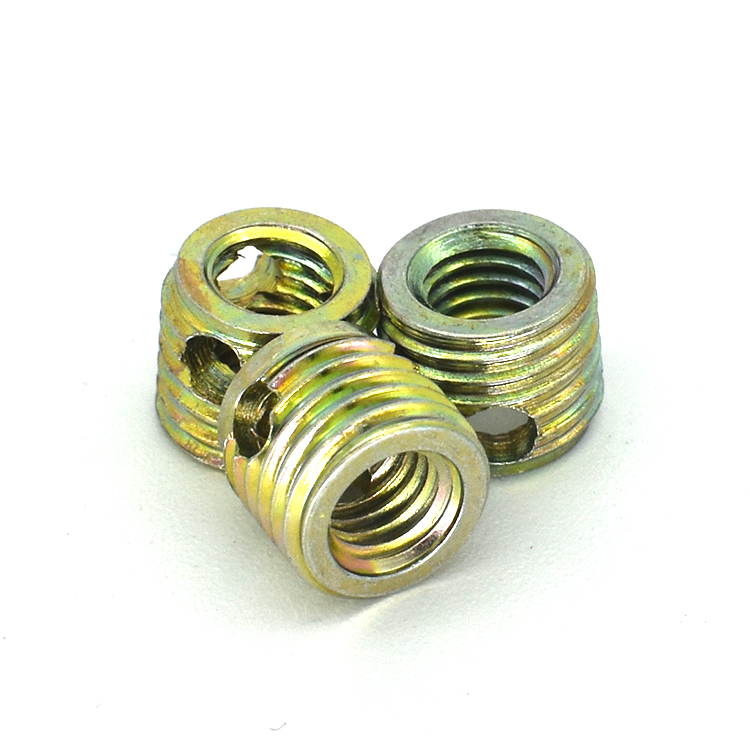
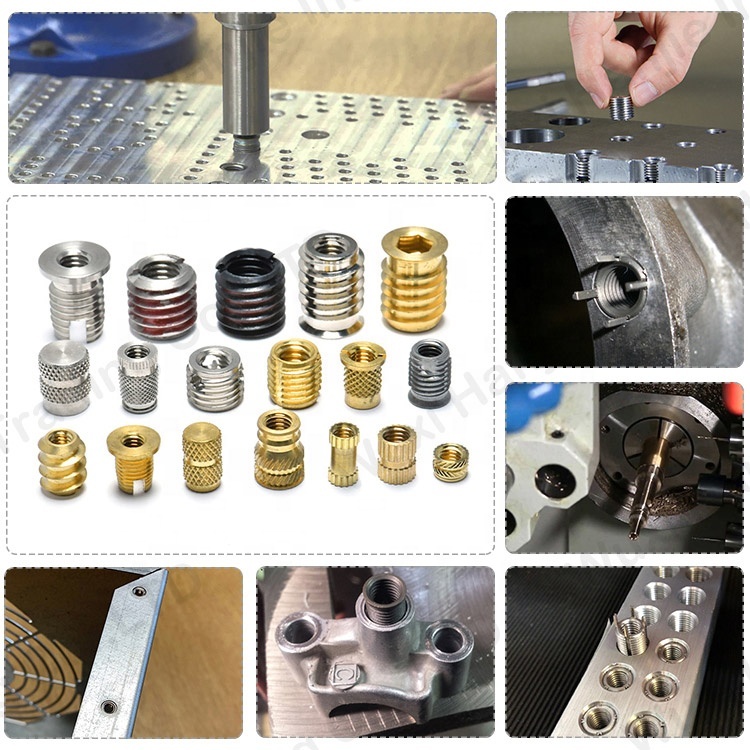
These inserts come in various forms—including coil-based, solid bushing, and key-locking designs—and are typically installed using a drill, tap, and installation tool specific to the insert type. Their primary function is to restore or enhance threaded holes in metals like aluminum, magnesium, and cast iron, as well as in thermoplastics and composite materials where standard threads degrade quickly under stress.
Why Thread Inserts Are Gaining Popularity
The growing demand for lightweight materials in aerospace, automotive, and portable electronics has driven increased adoption of thread inserts. As manufacturers shift from steel to aluminum or engineered plastics to reduce weight, the inherent weakness of these materials under repeated screwing cycles becomes a critical issue. Thread inserts solve this by providing a robust threaded interface without adding significant mass.
Additionally, maintenance and repair industries rely heavily on thread inserts for restoring damaged equipment without replacing entire parts—a cost-effective solution in industrial machinery, agricultural vehicles, and marine engines. The rise of 3D printing and prototyping has also boosted interest, as printed parts often require metal-reinforced threads for functional assemblies 2.
Types and Variants
Understanding the different types of thread inserts is essential to making an informed decision. Each variant serves distinct mechanical and environmental needs.
1. Spiral Wire (Coil) Inserts
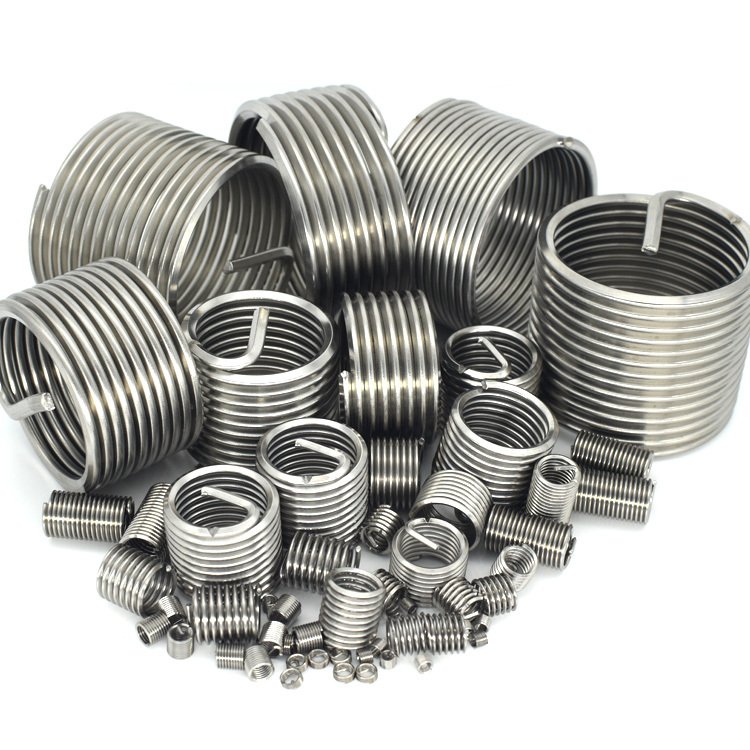
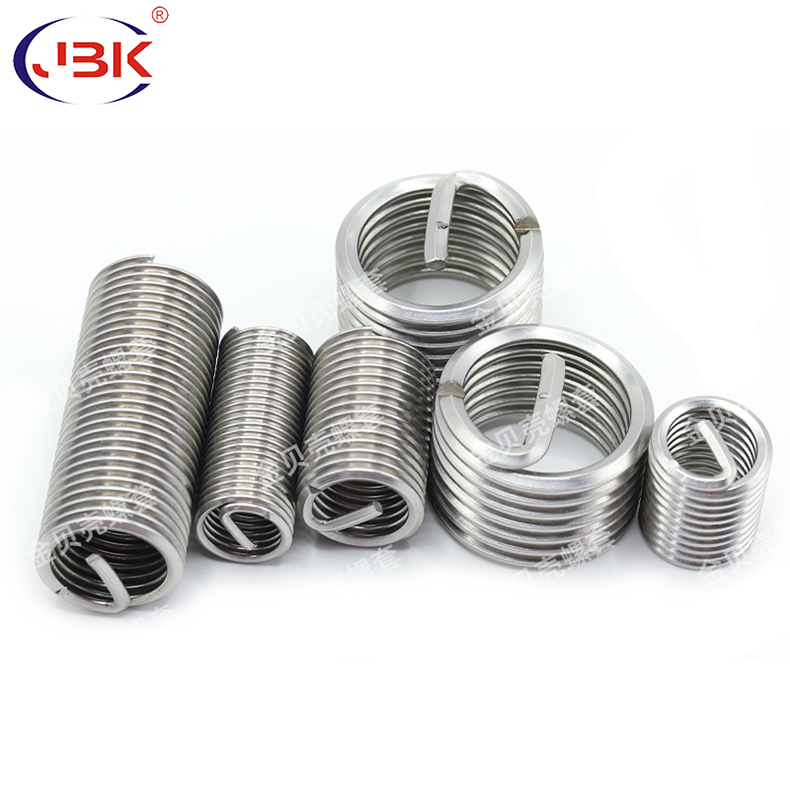
These are the most common type, made from coiled spring steel or stainless steel wire with diamond-shaped cross-sections. Brands like Helicoil and Emhart Teknologies produce widely used versions.
- Pros: High tensile strength, excellent vibration resistance, distributes load evenly across multiple coils.
- Cons: Requires precise tapping; can be difficult to install without proper tools; not recommended for blind holes due to potential coil migration.
2. Solid Bushing Inserts
Made from brass, stainless steel, or phosphor bronze, these are straight cylindrical sleeves with internal threads. Often press-fit or bonded into place.
- Pros: Simple installation in pre-molded or drilled holes; good for plastics and soft metals; resists pull-out better than coils in some applications.
- Cons: Less flexible load distribution; may crack surrounding material if over-torqued during pressing.
3. Key-Locking Inserts
Feature external splines or keys that lock into the parent material upon installation, preventing rotation and pull-out. Commonly used in heavy-duty repairs.
- Pros: Excellent anti-rotation and anti-extraction properties; ideal for high-torque applications like cylinder heads.
- Cons: Installation requires specialized tools; more expensive than standard inserts.
4. Heat-Set and Ultrasonic Inserts
Designed specifically for thermoplastics. Installed using heat (soldering iron or hot air) or ultrasonic vibrations that melt the surrounding plastic, which then solidifies around the knurled body.
- Pros: Strong bond in plastic; widely used in consumer electronics and automotive interiors.
- Cons: Limited to plastic substrates; improper heating can cause warping or weak adhesion.
5. Self-Tapping Inserts
Have cutting edges on the outer surface, allowing them to cut their own path into softer materials without pre-tapping.
- Pros: Fast installation; suitable for field repairs.
- Cons: Lower strength compared to pre-tapped types; risk of misalignment.
Key Features and Specifications to Evaluate
To determine what to look for in thread inserts, consider the following technical and practical factors:
- Material Compatibility: Match the insert material to the base material. Stainless steel works well in corrosive environments; brass is non-sparking and compatible with aluminum; phosphor bronze offers low friction.
- Thread Size and Pitch: Must exactly match the original bolt specification (e.g., M6x1.0, 1/4-20 UNC). Always verify both major diameter and pitch before purchase.
- Insert Length: Longer inserts provide greater engagement and shear strength but require deeper holes. Choose based on load requirements.
- Installation Method: Consider whether you need hand tools, power tools, or thermal equipment. Coil inserts usually require a tang break-off tool.
- Temperature Resistance: Some polymers degrade above 150°C; metal inserts generally handle higher temps, but check ratings for extreme environments.
- Corrosion Resistance: In marine or outdoor applications, opt for stainless steel (Grade 304 or 316) or coated variants.
Pros and Cons
Thread inserts offer clear advantages in many scenarios, but they’re not universally appropriate.
Advantages:
- Restore damaged threads without part replacement
- Improve thread strength in soft materials
- Enable disassembly and reassembly without thread wear
- Extend product lifespan and reduce downtime
- Economical alternative to welding or machining new parts
Disadvantages:
- Require precise hole preparation and alignment
- Potential for incorrect installation leading to failure
- Additional time and tools needed compared to standard threading
- Limited effectiveness in severely compromised base materials
How to Choose Thread Inserts
Follow this step-by-step guide to make the best selection for your project:
- Identify the Application: Is it a repair job, prototype build, or production assembly? High-vibration environments favor spiral wire inserts.
- Determine Base Material: Metal, plastic, or composite? Plastic favors heat-set or ultrasonic types; metal allows for coil or bushing inserts.
- Select Insert Type: Use coil inserts for strength, solid bushings for simplicity, and key-locking for high torque.
- Match Thread Specifications: Measure existing bolts or consult OEM specs. Don’t guess—use a thread gauge.
- Check Depth and Hole Diameter: Ensure sufficient clearance for full insertion depth and correct pilot hole size per manufacturer charts.
- Verify Environmental Conditions: Exposure to moisture, chemicals, or extreme temperatures affects material choice.
- Assess Tool Availability: Do you have access to taps, installation tools, or thermal equipment? Factor in learning curve.
- Avoid These Red Flags: Cheap, unbranded kits with no specs; mismatched tap sizes; lack of installation instructions; missing tang removal tools for coil inserts.
Price & Market Insights
Thread insert pricing varies significantly by type, brand, and quantity. Individual coil inserts (e.g., M6) range from $1–$5, while complete repair kits with tools can cost $30–$150. Solid brass inserts are generally cheaper ($0.50–$2 each), whereas specialty high-temp or aerospace-grade models exceed $10 per unit.
For occasional users, mid-range kits from reputable brands like MSC Industrial Supply or Amazon Basics offer good value. Professionals should invest in OEM-branded systems (e.g., Stanley Engineered Fastening, Sandvik) for reliability. Bulk purchases (100+ units) reduce per-unit cost by up to 60%, making them ideal for manufacturing or repair shops.
Be cautious of ultra-low-cost sets on e-commerce platforms—some contain inaccurate tap sizes or substandard materials that compromise performance.
| Type | Avg. Price per Unit | Best For | Tool Required? |
|---|---|---|---|
| Spiral Wire (Stainless) | $1.50–$4.00 | High-stress metal repairs | Yes |
| Solid Brass Bushing | $0.75–$2.00 | Plastics, soft metals | No (press-fit) |
| Heat-Set (for Plastic) | $0.25–$1.00 | 3D printed parts | Yes (thermal) |
| Key-Locking Steel | $3.00–$8.00 | Engine blocks, heavy machinery | Yes |
Customer Feedback Synthesis
Analysis of user reviews across retail and industrial platforms reveals consistent themes:
Common Praises:
- “Saved my engine block instead of replacing it” – frequent in automotive repair contexts.
- “Stronger than original threads” – especially noted with stainless steel coil inserts.
- “Easy to install with the right tools” – highlights importance of included or compatible tooling.
Recurring Complaints:
- “Tap didn’t match the insert” – often due to poor-quality generic kits.
- “Coil spun inside the hole” – result of incorrect hole prep or insufficient engagement length.
- “No instructions provided” – particularly with budget packs sold online.
- “Tang broke off inside the engine” – emphasizes need for careful tang removal after installation.
Sourcing & Supplier Tips
For individual users, trusted retailers like McMaster-Carr, Grainger, or MSC Direct offer reliable products with detailed specifications. Online marketplaces like Amazon can be convenient but require scrutiny—check seller ratings, verified purchase reviews, and whether the product lists ISO or ASME compliance.
For bulk sourcing, consider working directly with distributors of established brands (e.g., Stanley Engineered Fastening, Emhart). Request sample kits before large orders. When importing from overseas suppliers, verify thread standards (metric vs. imperial), material certifications, and tolerance grades. Always inspect a sample batch for dimensional accuracy and surface finish before deployment.
Maintenance, Safety & Legal Considerations
Once installed, thread inserts require no routine maintenance but should be inspected periodically in high-stress or safety-critical applications (e.g., suspension components, aircraft fittings). Clean debris from threads regularly to prevent galling or binding.
Safety precautions include wearing eye protection during installation, especially when breaking tangs or drilling. Never use excessive torque on small-diameter inserts—this can lead to fracture or pull-out. In pressurized or structural systems, follow OEM guidelines for torque specs and thread sealants.
Legally, while there are no universal regulations governing thread insert use, certain industries (aerospace, medical devices, rail) require adherence to ASME B1.30, ISO 9001, or FAA-approved procedures. Always document repairs involving inserts in regulated environments.
Conclusion
Choosing the right thread inserts involves balancing material compatibility, load requirements, environmental conditions, and available tools. Spiral wire inserts remain the top choice for high-performance metal repairs, while solid and heat-set types excel in plastics and lighter-duty uses. Avoid low-quality kits with unclear specs, and always follow proper installation protocols to ensure reliability. Whether you're fixing a stripped spark plug hole or designing a durable prototype, investing time in understanding how to choose thread inserts pays off in longevity and performance.
FAQs
Can thread inserts be used in plastic?
Yes, but only specific types like heat-set or ultrasonic inserts designed for thermoplastics. Standard metal inserts may loosen over time.
Do I need special tools to install thread inserts?
It depends on the type. Coil inserts require taps and installation mandrels; heat-set inserts need thermal tools; press-fit types may only require arbor presses.
Are thread inserts stronger than original threads?
When properly installed, yes—especially in soft materials like aluminum or plastic, where they provide superior wear resistance and holding power.
What happens if the tang isn’t removed after installing a coil insert?
The leftover tang can break off later and contaminate fluid systems (like engines or hydraulics), causing damage. Always remove it cleanly post-installation.
Can I reuse a thread insert?
Generally no—once installed, most inserts (especially coil and press-fit types) are permanent. Removal usually damages the insert or surrounding material.




 浙公网安备
33010002000092号
浙公网安备
33010002000092号 浙B2-20120091-4