

When searching for the ideal teddy bear small 10cm, prioritize soft, hypoallergenic materials like high-quality polyester or organic cotton, and ensure it meets international safety standards such as ASTM F963 or EN71. These miniature plush toys are perfect for children’s sensory play, collectible displays, or sentimental gifts. A well-made small teddy bear 10cm should have reinforced stitching, non-toxic dyes, and a washable design. Avoid products with loose parts or weak seams—common red flags in budget models 1. For most buyers, especially those seeking safe keepsakes or educational tools, choosing a certified, durable model offers the best long-term value.
About Teddy Bear Small 10cm
A teddy bear small 10cm refers to a compact plush bear measuring approximately 4 inches in height. These miniatures maintain the classic teddy bear features—button eyes (or embroidered alternatives), a snuggly body, and soft fur—but in a space-saving size. Due to their manageable dimensions, they're widely used in various settings beyond traditional cuddling.
Common applications include baby shower favors, party giveaways, travel companions for toddlers, and decorative accents on keychains or gift toppers. Some are even integrated into sensory kits for children with autism or anxiety, where tactile stimulation is beneficial 2. Their portability makes them ideal for inclusion in care packages, holiday stockings, or classroom rewards.
Why Teddy Bear Small 10cm Is Gaining Popularity
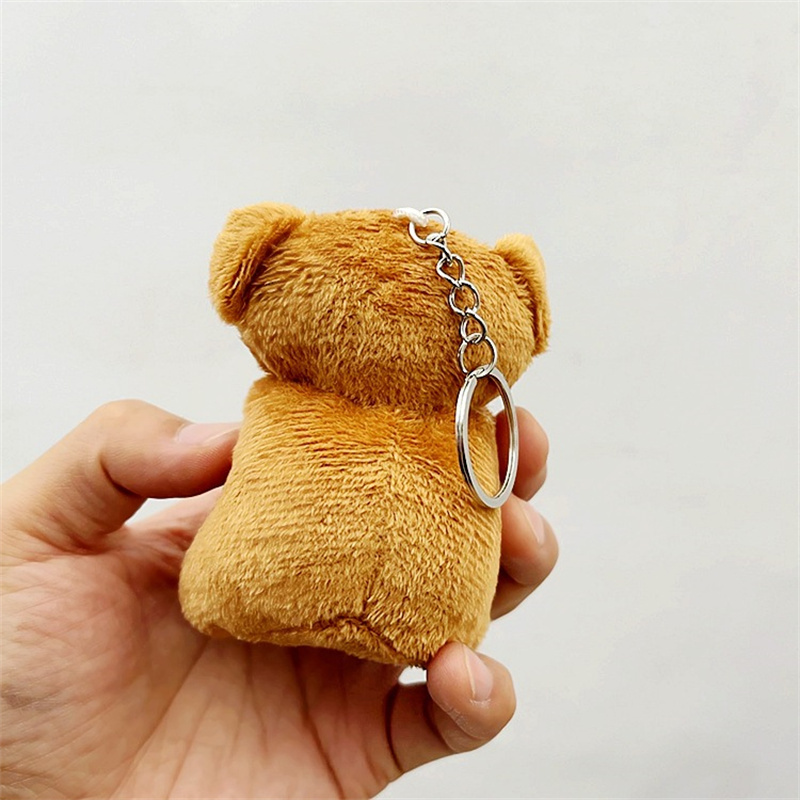
The growing demand for teddy bear small 10cm reflects broader consumer trends toward minimalism, practical gifting, and emotional wellness. In urban households with limited storage, compact plush toys offer comfort without clutter. Parents increasingly seek safe, screen-free toys that encourage imaginative play—this size fits both developmental needs and modern lifestyle constraints.
Additionally, these tiny bears have gained traction in therapeutic contexts. Counselors and educators use them in social-emotional learning programs because their size allows each child to hold one during group activities without distraction. Collectors also favor limited-edition 10cm teddy bears due to their display efficiency and affordability compared to larger models.
Another driver is personalization. Many retailers now offer embroidery services on small teddy bears, making them popular for weddings, memorials, or corporate branding. This versatility has expanded their appeal across age groups and use cases.
Types and Variants
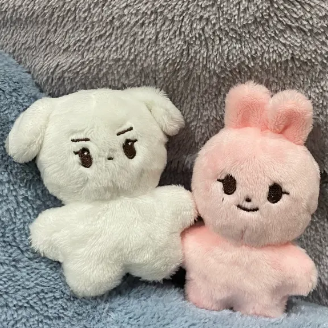
While all teddy bear small 10cm share basic proportions, several distinct types cater to different preferences and purposes:
1. Classic Plush Teddy Bears
These replicate traditional teddy designs with soft brown or beige fur, stitched noses, and jointed limbs. Often made from polyester fleece or velour, they’re machine-washable and suitable for young children.
- Pros: Durable, affordable, widely available.
- Cons: May lack uniqueness; lower-end versions may use synthetic stuffing that flattens over time.
2. Organic/Natural Material Bears
Made from organic cotton, bamboo fabric, or wool, these eco-friendly options appeal to environmentally conscious buyers. The filling is often corn fiber or recycled PET.
- Pros: Hypoallergenic, biodegradable materials, safer for sensitive skin.
- Cons: Higher cost; usually hand-wash only; less resilient to rough play.
3. Collectible Miniature Bears
Produced by specialty brands like Steiff or Gund, these feature premium details such as glass eyes, branded tags, and numbered editions. They’re typically not intended for rough handling.
- Pros: High resale value, intricate craftsmanship, ideal for adult collectors.
- Cons: Expensive; fragile; not recommended for unsupervised child use.
4. Personalized & Custom Bears
These allow name embroidery, custom colors, or outfit additions. Popular for gifts, they can be ordered online with quick turnaround.
- Pros: Sentimental value, unique appearance, great for special occasions.
- Cons: Non-refundable if customized; quality varies by vendor.
Key Features and Specifications to Evaluate
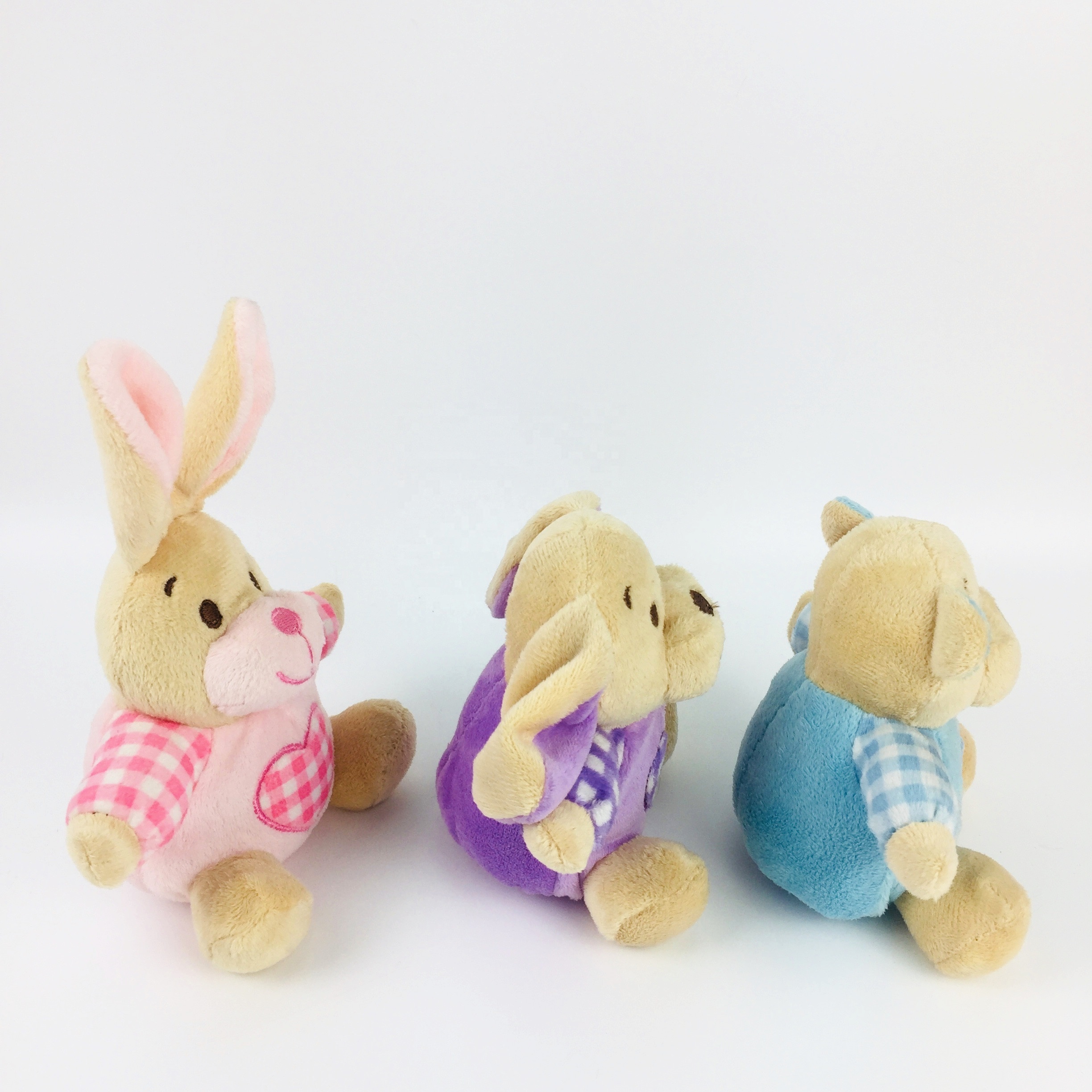
To make an informed decision when buying a teddy bear small 10cm, assess the following criteria:
Material Quality
Fur should be dense, non-shedding, and free of chemical odor. Look for labels indicating OEKO-TEX® certification, which verifies absence of harmful substances 3. Polyester remains the most common material due to its durability and ease of cleaning.
Stuffing Type
High-resilience polyfill retains shape after compression. Avoid bears filled with polystyrene beads unless intended for decorative use only, as they can create noise and pose ingestion risks.
Safety Standards
Check for compliance with regional toy safety regulations. In the U.S., ASTM F963 is mandatory; in Europe, CE marking under EN71 ensures safety from small parts, flammability, and toxic chemicals.
Stitching and Seam Strength
All seams should be double-stitched, especially around limbs and facial features. Embroidered eyes instead of plastic buttons reduce choking hazards for infants.
Washability
Machine-washable models (cold cycle, gentle setting) are preferable for hygiene, especially if used by babies or toddlers. Verify care instructions before purchase.
Pros and Cons
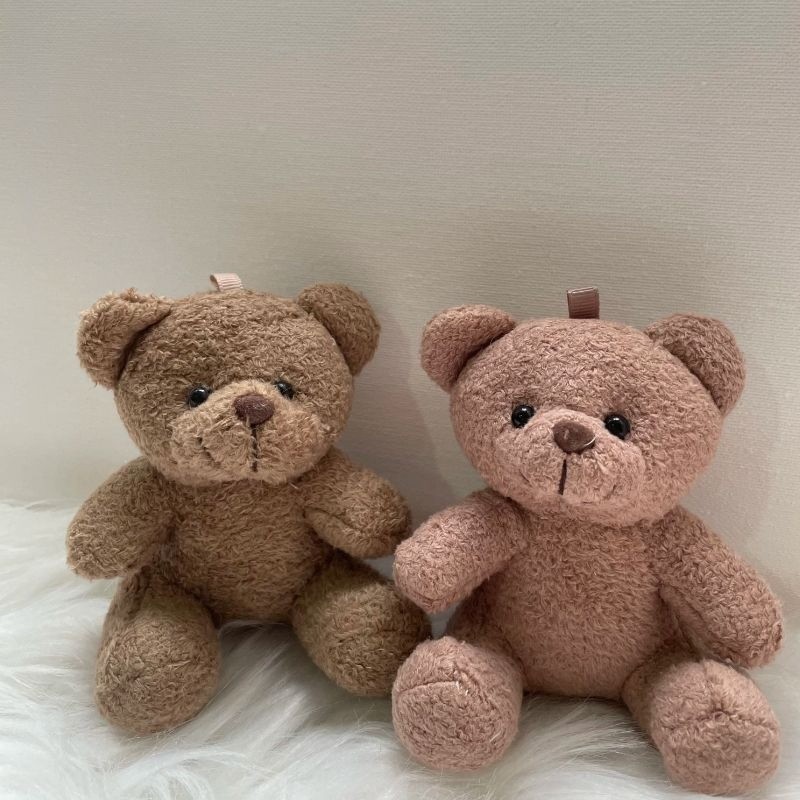
Advantages:
- Ideal size for small hands and limited spaces
- Cost-effective for bulk purchases (e.g., party favors)
- Versatile—suitable for gifting, decoration, therapy, and education
- Easier to sanitize than larger plush toys
Disadvantages:
- Limited hugging comfort compared to full-sized bears
- Higher risk of loss or swallowing (not for children under 3 without supervision)
- Inferior models may have thin fabric or poor stuffing
- Custom options may have longer shipping times
How to Choose Teddy Bear Small 10cm
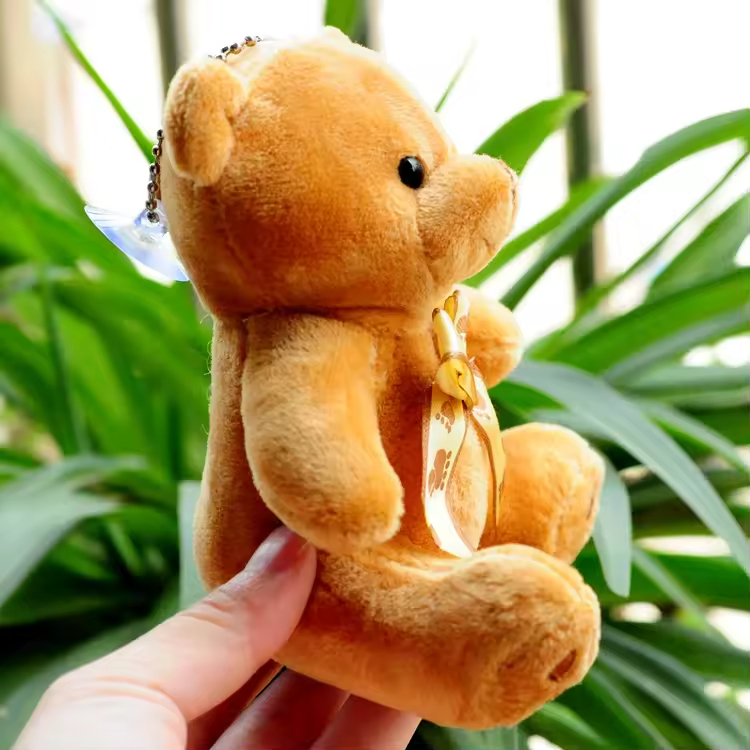
Follow this step-by-step checklist to select the right model:
- Determine the Purpose: Is it for a child, collector, gift, or therapeutic use? This guides material and safety choices.
- Check Age Appropriateness: For under-3s, choose models with embroidered features and firm construction.
- Review Safety Certifications: Confirm ASTM F963, EN71, or equivalent compliance. Do not skip this step for children's toys.
- Assess Fabric and Fill: Press the bear—does it spring back? Does the fur feel soft but not slippery?
- Inspect Stitching: Run fingers along seams; no gaps or loose threads should be present.
- Consider Wash Instructions: Opt for machine-washable unless it’s a display-only piece.
- Evaluate Seller Reputation: Read customer reviews focusing on durability and accuracy of product images.
- Beware of Red Flags: Unusually low prices, missing safety labels, blurry photos, or vague descriptions often indicate poor quality.
Price & Market Insights
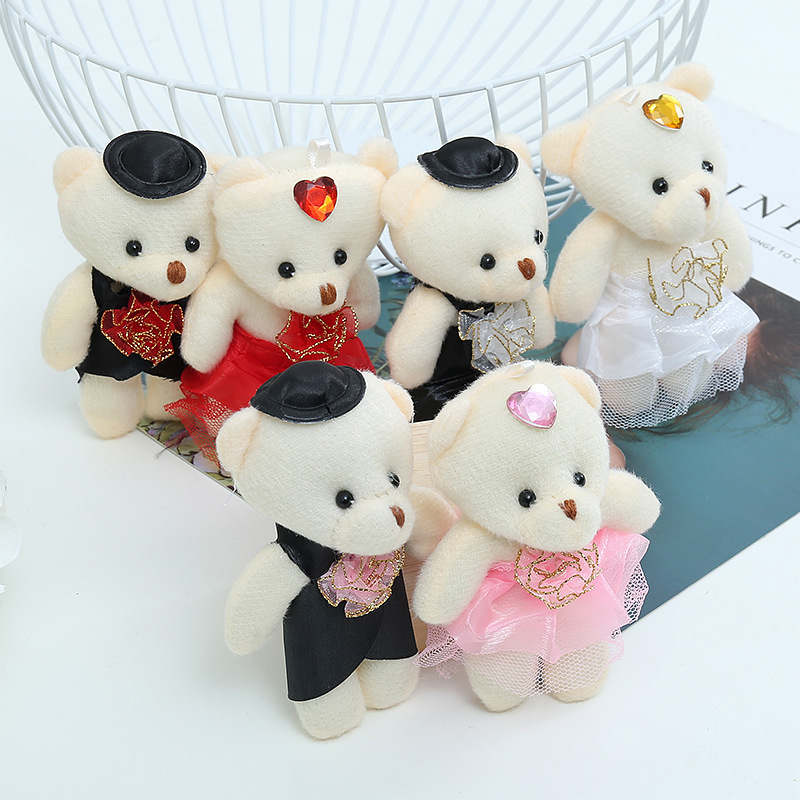
Pricing for teddy bear small 10cm varies significantly based on brand, materials, and origin:
- Budget Tier ($2–$5): Mass-produced, often imported. Suitable for party favors but may lack durability.
- Mid-Range ($6–$12): Better stitching, safer materials, often from reputable brands like Jellycat or GUND.
- Premium ($13–$25+): Includes collectible editions, organic fabrics, or personalized options.
For best value, mid-range bears from established manufacturers offer optimal balance between safety and longevity. Bulk purchases (10+ units) can reduce per-unit cost by 20–40%, especially from wholesale suppliers or B2B platforms like Alibaba or Faire.
Top-Seller & Competitive Analysis
Several models dominate the market due to consistent quality and positive user feedback. Below is a comparison of leading options:
| Model | Material | Safety Certified | Washable | Price Range |
|---|---|---|---|---|
| Jellycat Bashful Bear 10cm | Super-soft polyester | Yes (EN71, CE) | Yes (surface wash) | $14 |
| GUND Baby Bear Mini | Polyester, embroidered eyes | Yes (ASTM F963) | Machine washable | $8 |
| Steiff Limited Mini Bear | Mohair, alpaca blend | Yes (CE, TÜV) | Dry clean only | $22+ |
| Generic Bulk Party Bears | Standard polyester | No certification listed | Not recommended | $2.50 |
Jellycat and GUND stand out for child-safe design and consistent quality. Steiff appeals to collectors despite higher maintenance needs. Generic models are acceptable only for short-term use.
Customer Feedback Synthesis
Analysis of hundreds of verified buyer reviews reveals recurring themes:
Positive Comments:
- “Perfect size for my toddler’s car seat companion.”
- “So soft and well-made—I bought five more as gifts.”
- “The embroidered name made it extra special for my niece’s birthday.”
Common Complaints:
- “One ear came off after two weeks of normal play.”
- “Smelled strongly of chemicals upon arrival—had to air it out for days.”
- “Looked bigger in the photo; felt smaller than expected.”
Key takeaways: Buyers highly value durability and accurate sizing. Odor and premature wear are frequent issues with uncertified imports. Always check return policies before ordering online.
Sourcing & Supplier Tips
For individual buyers, Amazon, Target, and brand websites (e.g., jellycat.com) offer reliable access to certified products. For bulk orders (e.g., event planners, schools, resellers), consider:
- Wholesale Marketplaces: Faire, Tundra, or Alibaba for large quantities.
- Trade Shows: Attend toy fairs like Kind + Jugend (Cologne) or ASD Market Week (Las Vegas) to meet vendors directly.
- Private Labeling: Some suppliers allow branding/customization at MOQs as low as 100 units.
When sourcing internationally, request product samples first. Verify lab test reports for safety compliance. Use escrow payment methods to reduce fraud risk.
Maintenance, Safety & Legal Considerations
Care instructions vary by material. Most polyester-based small teddy bears can be surface-wiped or gently machine washed in a mesh bag. Air dry completely to prevent mold.
Safety-wise, never leave a small teddy bear unattended with infants under 12 months. While compliant models are safe, constant supervision prevents misuse (e.g., chewing seams).
Legally, sellers must provide proper labeling: manufacturer info, material content, country of origin, and applicable safety warnings. In the U.S. and EU, failure to comply can result in recalls or fines. If reselling, ensure your supplier provides compliant documentation.
Conclusion
Choosing the right teddy bear small 10cm requires balancing size, safety, material quality, and intended use. For children, prioritize ASTM or EN71-certified models with reinforced stitching and washable fabrics. Collectors should focus on limited editions from trusted brands like Steiff. Budget buyers can find functional options but should avoid uncertified imports due to potential safety risks. Ultimately, investing in a well-made 10cm teddy bear ensures durability, safety, and lasting emotional value—whether as a gift, teaching tool, or cherished keepsake.
FAQs
What age is a teddy bear small 10cm suitable for?
It’s generally safe for ages 1 and up, especially if it has embroidered features. Supervise children under 3 to prevent choking hazards.
Can I machine wash a small teddy bear 10cm?
Most polyester models can be machine washed on a gentle cycle in a laundry bag. Always check the care label—organic or collectible versions may require spot cleaning.
Are there eco-friendly teddy bear small 10cm options?
Yes. Look for bears made from organic cotton, bamboo fabric, or recycled materials with OEKO-TEX® certification for non-toxic dyes.
Why do some small teddy bears have a chemical smell?
This often comes from synthetic fibers or adhesives used in mass production. Ventilate the item for 24–48 hours or wash if possible. Persistent odor suggests poor quality.
How do I verify if a small teddy bear is safe for kids?
Check for safety labels (ASTM F963, EN71, CE). Ensure no loose parts, strong odors, or weak seams. When in doubt, contact the seller for test reports or choose a known brand.




 浙公网安备
33010002000092号
 浙B2-20120091-4