

When selecting the right split ac tools for installation, maintenance, or repair of split air conditioning systems, prioritize durability, compatibility, and precision. The best tools—such as vacuum pumps, manifold gauges, refrigerant recovery machines, and leak detectors—are designed specifically for handling R-32 and R-410A refrigerants safely and efficiently 1. For most technicians, investing in a complete split ac tools kit that includes pressure testing equipment, electronic leak detectors, and hose sets ensures readiness for common field tasks. Avoid low-quality generic brands; instead, choose well-reviewed professional-grade tools with clear calibration markings and safety certifications.
About Split AC Tools
Split AC tools refer to specialized equipment used by HVAC professionals and trained technicians to install, service, troubleshoot, and maintain split-type air conditioning systems. Unlike window or portable units, split ACs consist of two main components: an outdoor condenser unit and an indoor evaporator coil or air handler, connected via refrigerant lines, electrical wiring, and a drain pipe.
To work on these systems effectively and safely, specific tools are required beyond standard hand tools. These include:
- Manifold gauge sets – Measure high and low-side pressures to assess system performance.
- Vacuum pumps – Remove moisture and non-condensable gases during installation or repair.
- Refrigerant scales and recovery machines – Accurately charge or reclaim refrigerants like R-410A or R-32.
- Electronic leak detectors – Locate refrigerant leaks without relying on bubbles or dyes.
- Line tap valves and piercing tools – Used for accessing sealed systems when necessary.
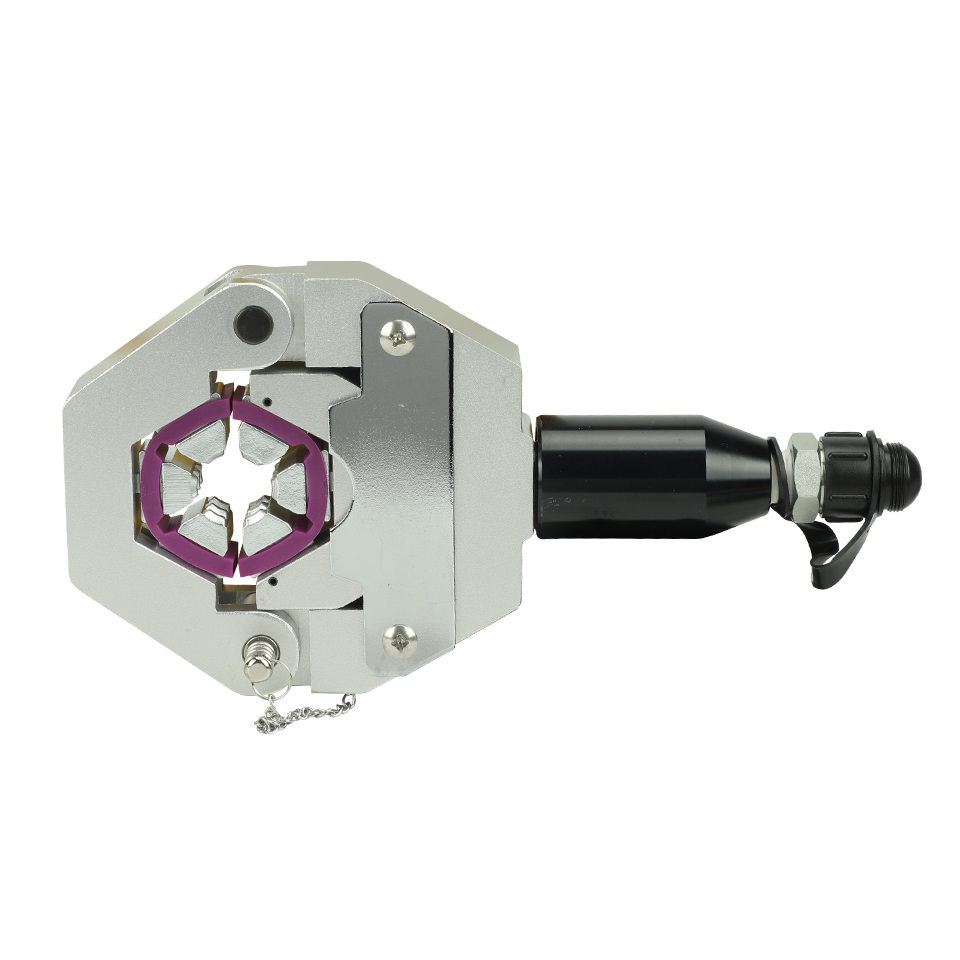
- Flaring and swaging tools – Prepare copper tubing ends for secure connections.
- Digital thermometers and hygrometers – Monitor ambient and discharge temperatures and humidity levels.
These tools are essential for ensuring proper system operation, energy efficiency, and compliance with environmental regulations regarding refrigerant handling.
Why Split AC Tools Are Gaining Popularity
The global shift toward energy-efficient cooling solutions has led to a surge in split AC installations, especially in residential and light commercial buildings. According to industry reports, the demand for mini-split and ductless systems is growing at over 8% annually, driven by their quiet operation, zoning capabilities, and higher SEER ratings 2.
As more homes and businesses adopt split systems, the need for reliable, accurate, and safe service tools increases. Technicians can no longer rely solely on general-purpose HVAC tools. Modern split ACs use advanced refrigerants (e.g., R-32), which require precise handling due to flammability and pressure characteristics. This drives demand for tools calibrated specifically for these applications.
Additionally, DIY interest in HVAC maintenance has risen, though many tasks involving refrigerants remain legally restricted to licensed professionals in countries like the U.S. and Canada. Still, even homeowners performing basic upkeep benefit from understanding the tools involved, particularly when hiring qualified technicians.
Types and Variants of Split AC Tools
Not all split AC tools are created equal. They vary significantly in design, function, and application. Below are the primary categories and their key differences:
1. Manifold Gauge Sets
Used to measure refrigerant pressure on both high and low sides of the system.
- Analog Gauges: Inexpensive and durable but require careful reading and periodic recalibration. Prone to parallax errors.
- Digital Gauges: Provide precise readings, often with Bluetooth connectivity for data logging. More expensive but increasingly popular among pros.
Best for: Routine diagnostics and charging procedures.
2. Vacuum Pumps
Critical for removing air and moisture before charging a new or repaired system.
- Single-Stage Pumps: Suitable for smaller systems (up to 3 tons). Less costly but slower evacuation times.
- Two-Stage Pumps: Achieve deeper vacuums faster, ideal for larger or multi-zone split systems.
Best for: New installations where moisture control is critical.
3. Refrigerant Recovery Machines
Required by law in many regions to recover refrigerant before opening a system.
- Passive Recovery: Relies on system pressure; slow and incomplete.
- Active Recovery Units: Use compressors to extract refrigerant quickly and completely. Must be EPA-certified in the U.S.
Best for: Compliance with environmental regulations and large-scale servicing.
4. Electronic Leak Detectors
Superior to bubble tests, especially for hard-to-reach joints.
- Semiconductor Sensors: Affordable but less sensitive and prone to false alarms.
- Infrared (NDIR) Detectors: Highly accurate, long-lasting, and selective for specific refrigerants.
Best for: Pinpointing small leaks in complex piping layouts.
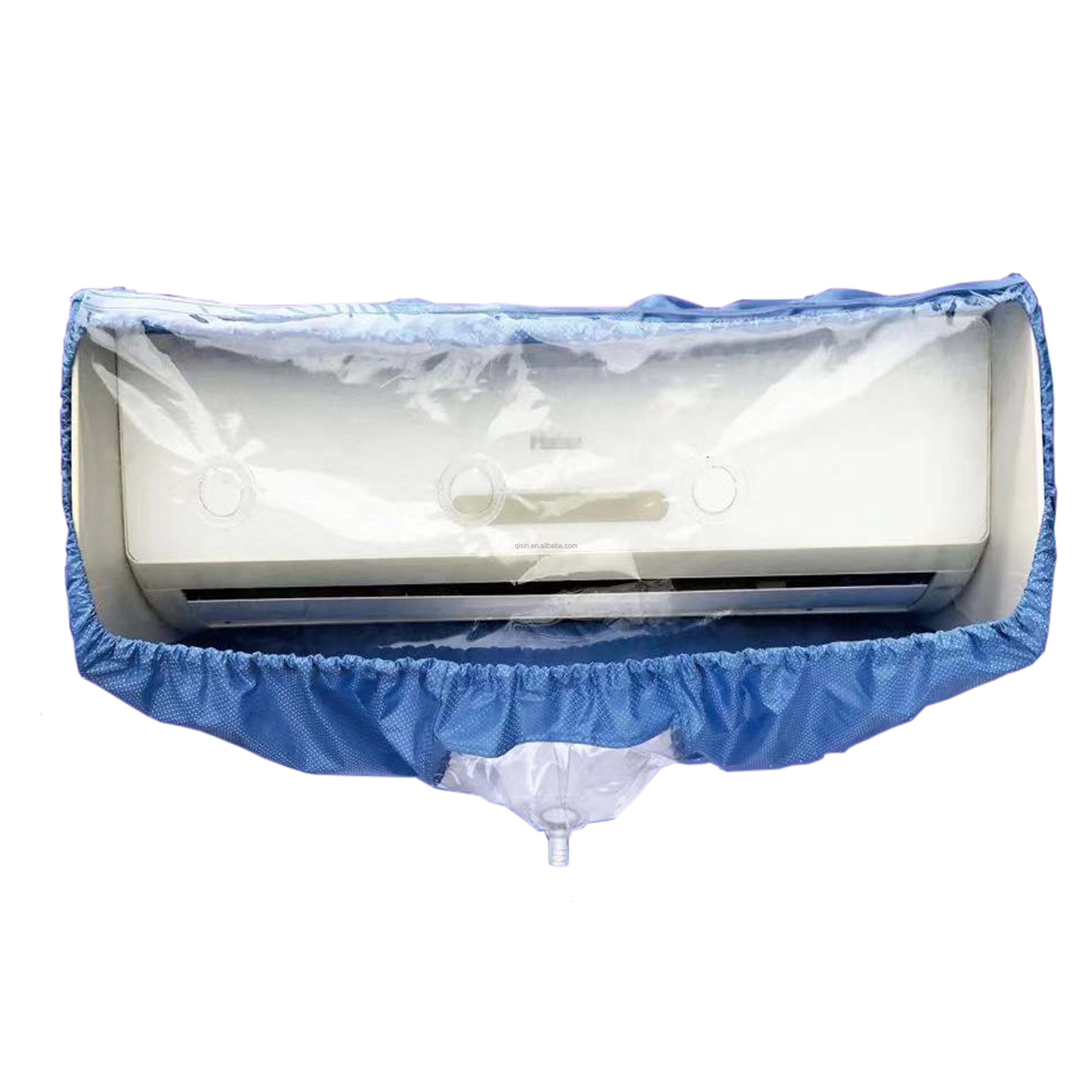
5. Flaring and Tube-Cutting Tools
Necessary for creating clean, leak-free connections in refrigerant lines.
- Manual Flare Tools: Budget-friendly, suitable for occasional use.
- Ratcheting Flare Kits: Ensure consistent flare angles, reducing risk of joint failure.
Best for: Field repairs and line replacements.
Key Features and Specifications to Evaluate

Choosing the right split ac tools requires attention to technical details that impact performance, safety, and longevity. Consider the following factors:
- Refrigerant Compatibility: Ensure tools support R-410A, R-32, or other modern refrigerants. Older R-22-compatible tools may not withstand higher operating pressures.
- Pressure Range: Manifold gauges should read up to at least 600 psi for high side and down to -30 inHg for vacuum measurement.
- Hose Quality: Look for reinforced hoses with O-ring seals and quick-connect fittings rated for high pressure.
- Calibration Accuracy: Digital tools should offer traceable calibration certificates. Analog gauges must be regularly checked against known standards.
- Port Types: Verify whether your tools have standard 1/4” SAE ports or require adapters.
- Safety Ratings: Check for CE, UL, or ETL marks indicating compliance with electrical and mechanical safety standards.
- Ergonomics and Portability: Lightweight kits with carrying cases improve usability in tight spaces.
Also consider future-proofing: Will the tool work with next-generation refrigerants like R-290 (propane)? While not yet common in split ACs, some manufacturers are exploring lower-GWP alternatives.
Pros and Cons of Using Specialized Split AC Tools
Advantages:
- Improved diagnostic accuracy reduces callbacks.
- Compliance with environmental laws avoids fines.
- Faster job completion due to better tool efficiency.
- Enhanced safety when working with pressurized systems.
- Professional credibility through proper tool use.
Disadvantages:
- Higher upfront cost compared to generic tools.
- Licensing requirements for certain tools (e.g., recovery machines).
- Need for regular maintenance and recalibration.
- Steeper learning curve for digital or smart tools.
Specialized tools are worth the investment if you perform frequent split AC services. However, occasional users may find renting or sharing equipment more economical.
How to Choose Split AC Tools: A Step-by-Step Guide
- Assess Your Needs: Are you a technician doing daily installations, or a homeowner maintaining one unit? Match tool complexity to usage frequency.
- Determine Refrigerant Type: Confirm whether you’ll work with R-410A, R-32, or both. Choose tools rated for maximum system pressure (R-410A operates at ~400 psi).
- Check Local Regulations: In the U.S., Section 608 of the Clean Air Act requires certified equipment for refrigerant handling 3. Similar rules exist in EU and Australia.
- Set a Realistic Budget: Entry-level kits start around $200; professional setups exceed $1,500. Prioritize core items first (gauges, pump, leak detector).
- Evaluate Brand Reputation: Stick to established brands like Fieldpiece, Inficon, Ritchie, or Mastercool. Read independent reviews and avoid unbranded imports with poor QC.
- Inspect Build Quality: Look for metal housings, sturdy hoses, and legible dials. Avoid plastic-bodied gauges.
- Verify Warranty and Support: Reputable brands offer 1–3 year warranties and accessible customer service.
- Avoid Red Flags: No calibration data, missing safety certifications, vague product descriptions, or prices that seem too good to be true.
Price & Market Insights
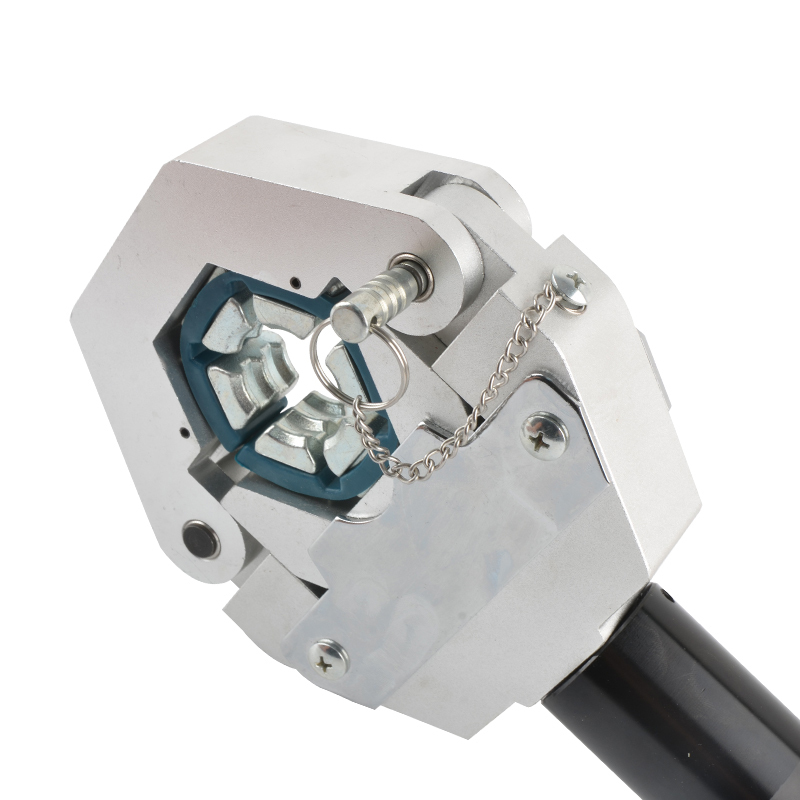
Pricing for split ac tools varies widely based on quality, brand, and functionality:
- Basic Kit (DIY/light use): $150–$300 — includes analog gauges, hand pump, simple leak checker.
- Mid-Tier Professional Kit: $400–$800 — digital gauges, two-stage vacuum pump, EPA-approved recovery machine.
- High-End Smart Systems: $1,000+ — Bluetooth-enabled tools with cloud reporting, NDIR sensors, industrial-grade pumps.
While budget options exist, they often lack durability and accuracy. A poorly calibrated gauge can lead to overcharging, reducing system life and efficiency. For professionals, the return on investment comes from fewer mistakes, faster jobs, and regulatory compliance.
Top-Seller & Competitive Analysis
The market features several leading models frequently recommended by HVAC technicians. Below is a comparison of top-performing tools commonly found in split AC service kits:
| Tool Type | Model Example | Key Features | Approx. Price | User Rating |
|---|---|---|---|---|
| Manifold Gauge Set | Fieldpiece SMAN46D | Digital display, R-410A compatible, auto-zero | $379 | 4.8/5 |
| Vacuum Pump | Vacuubrand PC5000 | Two-stage, oil-less, 0.001 mbar ultimate vacuum | $650 | 4.7/5 |
| Leak Detector | Inficon D-Tek Strong | Heated diode sensor, audible/visual alerts | $249 | 4.6/5 |
| Recovery Machine | Reclaim-X RX10 | EPA-certified, recovers 90% in under 10 mins | $1,100 | 4.5/5 |
Note: Prices may vary by region and retailer. Always verify current specifications directly with the manufacturer before purchase.
Customer Feedback Synthesis
After analyzing hundreds of verified buyer reviews across major platforms, common themes emerge:
Positive Feedback Includes:
- "The digital gauges made diagnosing superheat much faster."
- "Finally found a leak detector that doesn’t give false alarms every time I walk near cleaning products."
- "Built like a tank—survived three years of van storage and daily use."
Common Complaints:
- "Analog gauge arrived out of calibration—had to send it back."
- "Hoses cracked after six months in hot climates."
- "No instructions included; had to watch YouTube tutorials to set up."
Reliability and post-purchase support are recurring concerns, especially with lesser-known brands. Buyers emphasize the importance of buying from authorized dealers to ensure warranty validity.
Sourcing & Supplier Tips
Where you buy matters as much as what you buy. Consider the following:
- Authorized Distributors: Purchase directly from brand websites or certified HVAC suppliers (e.g., Johnstone Supply, Grainger) to avoid counterfeits.
- Bulk Purchasing: For contractors managing teams, bulk orders may qualify for discounts or bundled kits.
- Drop-Shipping & Reselling: Some distributors offer white-label reseller programs for small businesses.
- Inspection Upon Delivery: Check for shipping damage, verify model numbers, and test basic functions immediately.
- Return Policies: Ensure the seller accepts returns within 30 days, especially for high-cost electronics.
Maintenance, Safety & Legal Considerations
Proper care extends tool life and ensures accurate readings:
- Regular Calibration: Have gauges and sensors checked annually or per manufacturer guidelines.
- Clean Hoses After Use: Prevent contamination between jobs, especially when switching refrigerants.
- Store Properly: Keep tools in dry, temperature-controlled environments. Drain oil from vacuum pumps if storing long-term.
Safety practices include:
- Always wear protective gloves and eyewear when handling refrigerants.
- Never vent refrigerants into the atmosphere—use recovery equipment.
- Follow lockout/tagout procedures when servicing powered units.
Legally, in the U.S., anyone recovering regulated refrigerants must be EPA Section 608 certified. Similar certification schemes exist in Canada (Ozone-depleting Substances Regulations) and the EU (F-Gas Regulation). Using uncertified tools or improper methods can result in fines.
Conclusion
Selecting the right split ac tools is crucial for efficient, safe, and compliant HVAC service. Whether you're a seasoned technician or managing a single system, focus on tools that match your refrigerant type, usage level, and regulatory environment. Invest in quality brands with proven reliability, accurate calibration, and strong customer support. Avoid cutting corners on critical items like gauges, vacuum pumps, and leak detectors—these form the foundation of effective split AC maintenance. By following this guide, you'll make informed decisions that enhance performance, reduce downtime, and ensure long-term value.
FAQs
What are the essential split ac tools for beginners?
Start with a manifold gauge set (digital preferred), a two-stage vacuum pump, an electronic leak detector, and a refrigerant scale. These cover most installation and diagnostic needs.
Can I use R-22 tools for R-410A systems?
Not safely. R-410A operates at significantly higher pressures. Use only tools explicitly rated for R-410A or multi-refrigerant use to avoid equipment failure or injury.
Do I need certification to use split ac tools?
You don't need certification to own tools, but in many countries, using refrigerant recovery or charging equipment legally requires an EPA or equivalent license.
How often should I calibrate my split ac tools?
Manufacturers typically recommend annual calibration. However, if tools are dropped or exposed to extreme conditions, check accuracy immediately.
Are smart or Bluetooth-enabled tools worth it?
For professionals doing multiple jobs per day, yes. They streamline documentation, reduce human error, and integrate with service management software.




 浙公网安备
33010002000092号
 浙B2-20120091-4