
When selecting a solid state decoupler for cathodic protection systems, prioritize models with high surge current handling (≥100 kA), low clamping voltage, fail-safe operation, and UL/CSA certification—especially if used in explosive or high-risk environments. A solid state decoupler for pipeline corrosion protection must reliably isolate DC currents while safely diverting AC faults and lightning surges to ground. For most industrial applications, such as oil & gas infrastructure or rail transit systems, a dual-diode configuration with thermal overload protection offers the best balance of durability and electrical safety 1. Avoid units without third-party testing data or clear response time specifications.
About Solid State Decoupler
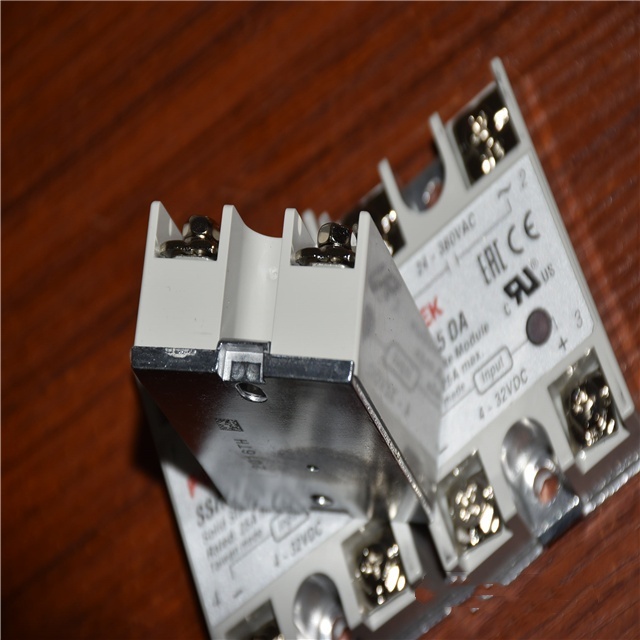
A solid state decoupler is an electronic device used primarily in cathodic protection (CP) systems to maintain electrical isolation between metallic structures—such as pipelines, storage tanks, or marine facilities—and grounding systems, while allowing fault currents or transient surges to pass safely to earth. It functions by blocking direct current (DC) that powers the CP system but conducts alternating current (AC) and transient overvoltages—like those from lightning strikes or power line induction—thereby preventing dangerous voltage buildup.
These devices are commonly installed at points where buried pipelines intersect with electrical grounding grids, railroad tracks, or high-voltage transmission lines. In these scenarios, stray electrical interference can accelerate corrosion or compromise worker safety. The solid state decoupler acts as a smart switch: under normal conditions, it keeps the protected structure electrically isolated; during overvoltage events, it instantly activates to shunt harmful energy into the ground.
Typical use cases include:
- Isolating pipeline segments near electrified rail systems
- Protecting tank farms from induced AC voltages
- Shielding offshore platforms from lightning and grid faults
- Ensuring compliance with safety standards like NACE SP0177 and IEEE 837
Why Solid State Decoupler Is Gaining Popularity
Traditional grounding methods often rely on simple galvanic isolators or polarized cells, which degrade over time and lack precision in surge response. In contrast, solid state decouplers offer consistent, maintenance-free performance across thousands of cycles. Their rise in adoption stems from several industry shifts:
First, aging infrastructure worldwide requires more reliable corrosion control solutions. Pipelines exposed to increasing levels of AC interference—from nearby power lines or renewable energy installations—need smarter protection than passive components can provide.
Second, regulatory bodies and engineering firms now emphasize personnel safety and environmental protection. Devices that prevent touch potentials during fault conditions are increasingly mandated in new projects. Solid state decouplers meet this demand by quickly equalizing potential differences between metalwork and ground.
Third, advancements in semiconductor technology have made these units smaller, faster, and more durable. Modern silicon carbide (SiC) diodes and metal-oxide varistors (MOVs) allow decouplers to respond within nanoseconds to transients exceeding 100 kA—far surpassing older mechanical gap arresters 2.
Types and Variants
Solid state decouplers come in several configurations, each suited to different operational needs:
Dual-Diode Type
This design uses two anti-parallel semiconductor diodes to conduct both positive and negative half-cycles of AC faults. It provides excellent DC isolation and fast response times.
- Pros: Fast activation (~nanoseconds), minimal leakage current, long service life
- Cons: Limited surge capacity unless paralleled; may require heat sinks for high-energy events
Diode-MOV Hybrid
Combines diodes for primary switching with MOVs for additional clamping during extreme surges. Offers enhanced protection against sustained overvoltages.
- Pros: Higher energy absorption, better thermal stability, suitable for high-interference zones
- Cons: MOVs degrade after repeated surges; periodic inspection recommended
Thermally Protected Units
Incorporate temperature sensors and thermal fuses that disconnect the unit if overheating occurs—critical for hazardous locations.
- Pros: Fail-safe behavior, reduced fire risk, compliant with Class I Div 2 requirements
- Cons: Slightly higher cost; replacement needed after activation
Fail-Safe vs. Fail-Open Models
Fail-safe versions short-circuit upon failure, maintaining grounding continuity. Fail-open types disconnect entirely, preserving isolation but potentially leaving structures unprotected. Most standards recommend fail-safe designs for safety-critical applications.
Key Features and Specifications to Evaluate
To make an informed decision when choosing a solid state decoupler, evaluate the following technical parameters:
- Maximum Continuous AC Voltage Rating: Must exceed expected induced voltages (typically 10–60 V). Check site-specific measurements before selection.
- Surge Current Capacity (8/20 μs waveform): Look for ratings ≥50 kA per event; critical for areas prone to lightning or grid faults.
- Clamping Voltage: Lower is better—ideally below 300 V—to minimize stress on downstream components.
- Response Time: Should be under 10 nanoseconds. Slower devices may not protect sensitive equipment.
- DC Isolation Voltage: Typically rated between 5–50 V DC. Ensure compatibility with your CP system’s output.
- Operating Temperature Range: Industrial units should operate from -40°C to +85°C.
- Enclosure Rating: IP68 or NEMA 4X for outdoor or submerged installations.
- Certifications: UL 96A, CSA C22.2 No. 198, ATEX/IECEx (for explosive atmospheres).
Also consider monitoring capabilities: some advanced models include remote alarm outputs or status indicators for predictive maintenance.
Pros and Cons
Advantages:
- Superior surge protection compared to passive isolators
- Long-term reliability with no moving parts
- Fast response prevents dangerous voltage rise
- Enables safer worker access near grounded structures
- Supports compliance with international safety codes
Disadvantages:
- Higher initial cost than basic polarization cells
- Some hybrid models require periodic testing due to MOV wear
- Improper installation can lead to unintended current paths
- Limited effectiveness if grounding resistance is too high
Solid state decouplers are ideal for high-risk environments, urban pipelines, or sites with documented AC interference. They are less necessary in rural areas with minimal electrical noise and stable CP systems.
How to Choose a Solid State Decoupler
Follow this step-by-step guide to select the right model:
- Assess Site Conditions: Measure existing AC voltage on the structure. Use data loggers over 24–72 hours to capture peak transients.
- Determine Surge Risk Level: High-lightning regions or proximity to substations warrant higher kA ratings.
- Select Configuration: Prefer dual-diode or diode-MOV hybrids with thermal protection for industrial use.
- Verify Certification Requirements: Oil & gas facilities may need ATEX or IECEx approval; utilities often require IEEE 837 compliance.
- Check Grounding System Quality: Ensure ground bed resistance is ≤5 Ω. Poor grounding reduces decoupler effectiveness.
- Evaluate Monitoring Needs: If remote diagnostics are important, choose models with dry contact alarms.
- Review Manufacturer Documentation: Request test reports for surge performance and longevity under real-world conditions.
- Avoid Red Flags: Steer clear of unbranded units lacking independent certification, vague spec sheets, or no published response time.
Price & Market Insights
Pricing varies significantly based on performance and certifications:
- Entry-level models: $200–$400 – Suitable for low-risk, non-hazardous areas with moderate surge exposure.
- Mid-range units: $400–$800 – Include thermal protection, higher surge ratings (≥80 kA), and UL listing.
- Premium/hazardous-rated: $800–$1,500+ – Feature ATEX/IECEx certification, redundant components, and full traceability.
While cheaper options exist, investing in a certified, well-tested unit typically results in lower lifetime costs due to reduced downtime and maintenance. Bulk purchases from authorized distributors may yield discounts of 10–20%, but always verify authenticity and warranty terms.
| Model Type | Surge Rating (kA) | Clamping Voltage | Certifications | Approx. Price |
|---|---|---|---|---|
| Dual-Diode | 50 | <250 V | UL, CSA | $350 |
| Diode-MOV Hybrid | 100 | <300 V | UL, CSA, CE | $650 |
| Thermal Fail-Safe (Hazardous) | 120 | <320 V | UL, ATEX, IECEx | $1,200 |
Top-Seller & Competitive Analysis
Leading manufacturers such as ERICO, Mathews International, and nVent ERICO dominate the market with tested, code-compliant products. Common top-sellers include:
- nVent ERICO SOLIDARREST®: Known for robust construction and integration with their grounding systems. Offers models up to 150 kA.
- Mathews SSDB Series: Popular in North American pipeline networks; includes visual status indicators.
- DEHNguard DC: European-made with strong IECEx credentials; ideal for offshore and petrochemical plants.
When comparing brands, focus on independently verified performance data rather than marketing claims. Some vendors publish full test waveforms and thermal imaging results—request these if available.
Customer Feedback Synthesis
Analysis of user reviews and field reports reveals recurring themes:
Common Praises:
- “Reliably prevented AC pickup damage after installation near a substation.”
- “Easy to integrate into existing CP systems with minimal downtime.”
- “Status LEDs helped identify a developing ground fault before escalation.”
Frequent Complaints:
- “Unbranded unit failed after one lightning strike—no surge rating was listed.”
- “Instructions were unclear; took extra time to wire correctly.”
- “Expensive replacement part required after thermal cutoff triggered.”
The consensus emphasizes buying from reputable suppliers and ensuring proper training for installers.
Sourcing & Supplier Tips
Purchase solid state decouplers through authorized distributors or directly from manufacturers to ensure genuine parts and full warranty coverage. Major suppliers include Graybar, Rexel, and Anixter in North America; RS Components and Farnell in Europe.
For bulk procurement:
- Negotiate multi-unit pricing but confirm calibration and batch testing are included.
- Request product traceability (serial numbers, test certificates).
- Clarify return policies and technical support availability.
Before accepting delivery, inspect packaging integrity, verify model numbers, and check for visible damage. Test functionality using manufacturer-recommended procedures if possible.
Maintenance, Safety & Legal Considerations
Most solid state decouplers require little maintenance but should be inspected annually. Key checks include:
- Visual inspection for casing damage or corrosion
- Testing continuity and isolation resistance
- Verifying alarm circuits (if equipped)
- Reviewing surge counter logs (on advanced models)
Safety precautions:
- Always de-energize connected systems before servicing.
- Use insulated tools and personal protective equipment (PPE).
- Follow lockout/tagout (LOTO) procedures in industrial settings.
Legally, installations must comply with local electrical codes and corrosion control standards such as:
- NACE SP0177 (Mitigation of Alternating Current and Lightning Effects on Metallic Structures)
- IEEE 837 (Standard for Qualifying Permanent Connections Used in Electrical Power Systems)
- API RP 1130 (Computational Pipeline Monitoring)
Conclusion
Choosing the right solid state decoupler involves balancing performance, environment, and compliance needs. For most industrial applications, especially those involving pipelines near electrical infrastructure, a thermally protected, dual-diode or hybrid model with surge ratings above 80 kA and recognized safety certifications delivers optimal protection. Prioritize units with transparent specifications, third-party validation, and clear installation guidance. While upfront costs may be higher than legacy solutions, the long-term benefits in safety, regulatory compliance, and asset preservation justify the investment. Always base your selection on site-specific data and consult technical experts when in doubt.
FAQs
What does a solid state decoupler do?
A solid state decoupler blocks DC current to maintain cathodic protection while safely diverting AC faults and lightning surges to ground, protecting both infrastructure and personnel.
How long do solid state decouplers last?
Most last 10–15 years under normal conditions. Units with MOVs may need earlier replacement after multiple large surges. Regular inspection extends service life.
Can I install a solid state decoupler myself?
Only qualified personnel should install these devices. Incorrect wiring can compromise protection or create hazards. Follow manufacturer instructions and applicable electrical codes.
Do solid state decouplers require power?
No, they operate passively using semiconductor junctions and do not need external power to function.
Are all solid state decouplers explosion-proof?
No. Only models specifically rated for hazardous locations (e.g., ATEX, IECEx) should be used in flammable environments. Standard units are not safe for such areas.





 浙公网安备
33010002000092号
浙公网安备
33010002000092号 浙B2-20120091-4