
When considering how to choose shipping to Liberia, the most reliable approach is to prioritize carriers with proven West African logistics experience, transparent tracking, and customs clearance support. For those searching for dependable shipping options to Liberia, selecting a service that offers end-to-end visibility, reasonable transit times (typically 10–25 days), and includes import documentation assistance can make a critical difference. Whether you're sending personal packages, business goods, or humanitarian supplies, understanding which providers consistently deliver to Liberian destinations like Monrovia or Buchanan—while avoiding hidden fees—is essential 1. This guide breaks down everything you need to evaluate before choosing a shipping method to Liberia.
About Shipping to Liberia
Shipping to Liberia involves transporting goods from international origins—most commonly the United States, United Kingdom, or EU countries—to destinations within the Republic of Liberia in West Africa. Given Liberia’s geographic location and infrastructure limitations, international shipping plays a vital role in both personal and commercial supply chains. Common use cases include sending care packages to family members, importing medical supplies, delivering e-commerce orders, or supporting NGO operations 2.
Liberia does not have an extensive domestic courier network, so nearly all inbound shipments rely on global express carriers, freight forwarders, or postal services. Most deliveries arrive through Roberts International Airport near Monrovia or via seaports such as the Freeport of Monrovia. Recipients often face challenges including inconsistent last-mile delivery, customs delays, and limited tracking updates once packages enter the country.
Why Shipping to Liberia Is Gaining Popularity
In recent years, demand for reliable shipping to Liberia has increased due to several factors. The growth of cross-border e-commerce means more individuals are purchasing goods online from U.S.-based retailers who may or may not offer direct delivery to Liberia. Simultaneously, diaspora communities in North America and Europe continue to send financial and material support to relatives back home, driving demand for secure, trackable parcel services.
Additionally, non-governmental organizations (NGOs) and development agencies operating in Liberia require consistent logistics channels for equipment, medicines, and educational materials. As digital payment systems expand and internet access improves—even modestly—more small businesses in Liberia are engaging in global trade, further increasing reliance on international shipping solutions.
Types and Variants of Shipping Services to Liberia
Different types of shipping methods cater to various needs when sending items to Liberia. Each comes with distinct advantages and drawbacks depending on your priorities: speed, cost, security, or cargo size.
Express Courier Services (e.g., DHL, FedEx, UPS)
- Pros: Fast delivery (7–14 business days), real-time tracking, door-to-door service, included customs handling.
- Cons: Higher costs; some restrictions on certain goods (e.g., batteries, liquids); potential surcharges for remote areas.
These are ideal for urgent, high-value, or time-sensitive shipments such as documents, electronics, or medical devices.
Postal Services (e.g., USPS International Priority Mail, Royal Mail Airsure)
- Pros: Lower cost than express couriers; acceptable for small parcels; widely used by individuals.
- Cons: Slower transit (14–25+ days); limited tracking after departure from origin country; higher risk of loss or delay upon entry into Liberia.
Best suited for non-urgent personal items under 4 lbs where budget is a primary concern.
Cargo and Freight Forwarding (Air & Sea)
- Pros: Handles large volumes; suitable for vehicles, machinery, bulk donations; air freight offers faster delivery than sea.
- Cons: Complex documentation; requires local agent coordination; additional port fees and taxes apply.
This option serves businesses, aid organizations, or individuals relocating. Air freight typically takes 5–10 days, while sea freight can take 30–60 days depending on routing.
Diplomatic or Specialized Channels
- Pros: Expedited processing; reduced scrutiny at customs; used by embassies and accredited groups.
- Cons: Not available to general public; strict eligibility requirements.
Rarely accessible but sometimes leveraged by official missions or UN-affiliated programs.
Key Features and Specifications to Evaluate
To determine the best way to ship to Liberia, consider these key evaluation criteria:
Delivery Timeframes
Transit duration varies significantly by carrier and mode. Express couriers usually deliver within 1–2 weeks. Standard postal mail may take three to six weeks. Always confirm estimated delivery windows and whether they include customs processing time.
Tracking Capabilities
Look for services offering full international tracking with updates post-entry into Liberia. Some carriers stop updating once the package clears customs, leaving recipients guessing. DHL and FedEx generally maintain better visibility compared to national postal operators.
Customs Clearance Support
A major pain point in shipping to Liberia is customs delays. Carriers that provide brokerage services or assist with documentation (commercial invoices, import permits) reduce bottlenecks. Ensure you declare contents accurately and include necessary paperwork to avoid seizure or fines.
Insurance and Liability Coverage
Verify if the service includes insurance for loss or damage. Many standard rates offer minimal coverage (e.g., up to $100). For valuable items, purchase additional insurance or opt for carriers known for accountability.
Cost Structure and Hidden Fees
Beyond base rates, watch for fuel surcharges, remote area fees, handling charges, and VAT assessments upon arrival. Request a detailed quote upfront. For example, shipping a 5 lb box from the U.S. to Monrovia might range from $80 via USPS to over $200 with premium express services.
Prohibited and Restricted Items
Liberian customs restrict certain goods including firearms, pornographic material, counterfeit products, and some agricultural items. Check current regulations before shipping 3.
Pros and Cons of Shipping to Liberia

Advantages:
- Access to global markets and personal connections through reliable logistics.
- Growing number of carriers now serve Liberia directly.
- Improved tracking and communication tools enhance transparency.
Disadvantages:
- Potential for lengthy customs delays due to manual inspection processes.
- Last-mile delivery inconsistency outside major cities.
- Limited return capabilities; most inbound shipments cannot be easily returned.
- Risk of damage or theft during handling, especially with sea freight or shared cargo.
Shipping to Liberia is most appropriate when sending essential goods, documented donations, or commercially viable products. It may not be suitable for extremely fragile items or perishables unless using specialized cold-chain logistics.
How to Choose Shipping to Liberia: A Step-by-Step Guide
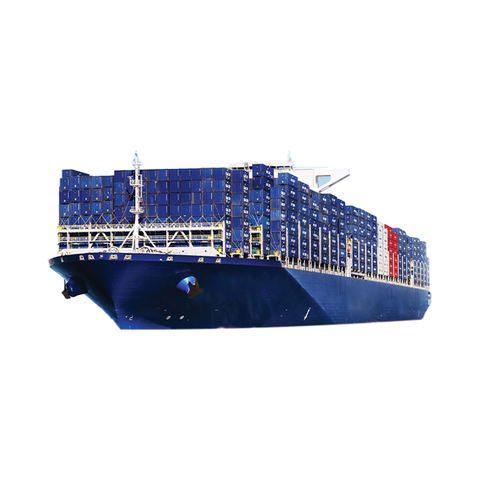
Follow this checklist to make an informed decision:
- Define Your Shipment Purpose: Is it personal, commercial, or humanitarian? This affects packaging, labeling, and required documentation.
- Determine Size and Weight: Measure dimensions and weight precisely. Use this to compare quotes across platforms.
- Check Carrier Availability: Confirm the provider ships directly to Liberia. Avoid intermediaries unless vetted.
- Evaluate Transit Speed Needs: If urgency matters, lean toward express couriers. Otherwise, economy mail may suffice.
- Review Customs Requirements: Prepare accurate commercial invoices, HS codes, and any needed permits. Misdeclaration leads to delays.
- Compare Total Costs: Include base rate, insurance, fuel surcharge, and expected duties. Don’t assume ‘free shipping’ covers final delivery.
- Select Tracking Level: Opt for full lifecycle tracking whenever possible. Ask whether the carrier provides local status updates.
- Purchase Insurance: Especially for items valued over $100. Document condition before shipping.
- Avoid Red Flags: Steer clear of companies promising ultra-low prices without tracking, unclear terms, or no customer service contact.
Price & Market Insights
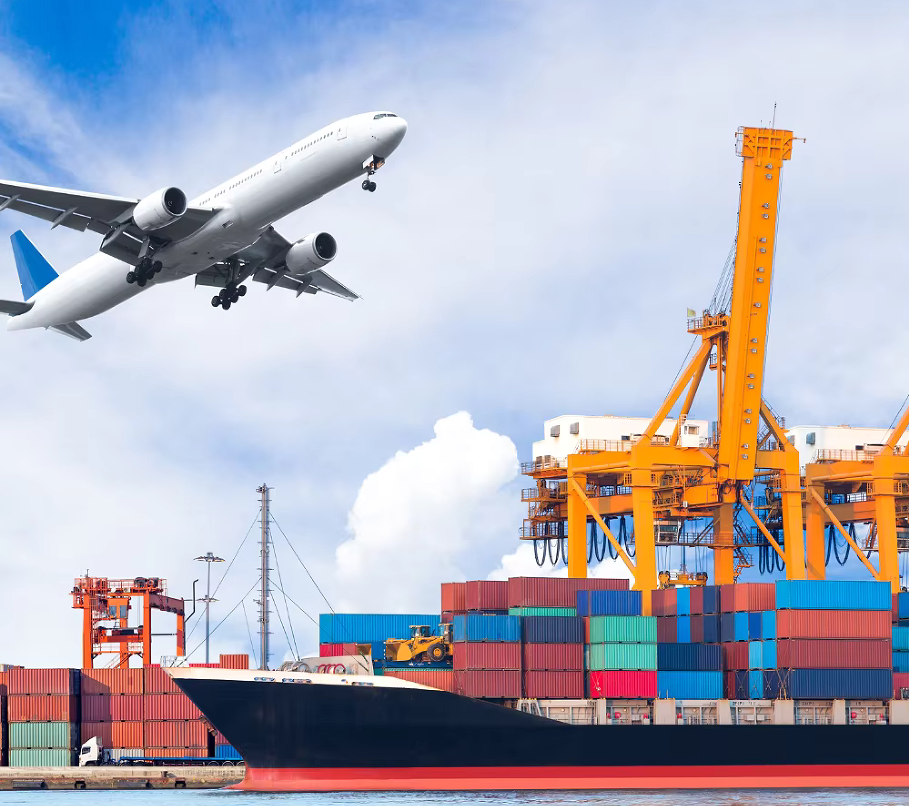
Pricing for shipping to Liberia depends on weight, speed, and service level. Here’s a general breakdown:
- Up to 2 lbs: $40–$90 (USPS vs. DHL/FedEx)
- 5 lbs: $80–$160
- 10 lbs: $130–$250
- 50 lbs (air freight): $400–$700
- Container (sea freight): $1,500–$3,000+ depending on origin and size
Value seekers should compare mid-tier express options like UPS Worldwide Saver or DHL Express 12:00, which balance speed and cost. For recurring shipments, inquire about account discounts or consolidated billing.
| Carrier | Estimated Delivery | Starting Price (up to 2 lbs) | Tracking Quality | Customs Assistance |
|---|---|---|---|---|
| DHL Express | 5–9 days | $95 | High (real-time) | Yes |
| FedEx International Economy | 7–12 days | $110 | High | Yes |
| USPS Priority Mail International | 14–21 days | $42 | Moderate (stops at entry) | Limited |
| UPS Worldwide Saver | 6–10 days | $105 | High | Yes |
Top-Seller & Competitive Analysis
DHL consistently ranks among the top choices for shipping to Liberia due to its strong presence in West Africa and dedicated customer service teams. FedEx follows closely, particularly favored for business-to-business shipments requiring signature confirmation. While USPS offers affordability, its lack of robust local tracking limits reliability.
Among freight forwarders, companies like Maersk and MSC handle major containerized cargo via sea routes, often coordinated through agents in Monrovia. For air freight, Ethiopian Airlines Cargo and Turkish Cargo provide regular connections through hub airports, though final leg delivery still requires ground partners.
Customer Feedback Synthesis
An analysis of user reviews across forums, Reddit threads, and carrier rating sites reveals common themes:
- Positive feedback: Praise for DHL’s punctuality and proactive communication; appreciation for FedEx’s online tools and claims process.
- Common complaints: Delays attributed to Liberian customs inspections lasting 2–4 weeks; frustration over unexplained fees added upon delivery; reports of packages marked “delivered” but never received.
- Recurring issues: Poor last-mile performance in rural counties; lack of redress mechanisms when items go missing; inconsistent responses from local postal authorities.
Many customers recommend using a physical address in Monrovia and coordinating with someone locally to collect the package promptly upon arrival.
Sourcing & Supplier Tips
If sourcing goods specifically for shipment to Liberia, work with suppliers who understand export compliance and can provide proper documentation. Consider drop-shipping arrangements only if the vendor has experience shipping internationally and allows you to select the carrier.
For bulk buyers or NGOs, partnering with a licensed freight forwarder based in the U.S. or Europe simplifies logistics. They can consolidate shipments, manage customs forms, and liaise with local clearing agents. Always verify the legitimacy of third-party agents—check registration, read independent reviews, and request references.
Before accepting delivery, inspect packages for tampering or water damage, especially after sea transport. Take photos immediately upon receipt for dispute resolution.
Maintenance, Safety & Legal Considerations
While shipping itself doesn’t involve ongoing maintenance, ensuring safe packaging is crucial. Use double-walled boxes, moisture-resistant wrapping, and shock-absorbing materials for fragile contents. Clearly label hazardous materials (if permitted) according to IATA standards for air transport.
Legally, shippers must comply with export controls (e.g., U.S. Department of Commerce regulations) and anti-dumping rules. Verify whether your item requires an export license. Additionally, recipients in Liberia may be responsible for paying import duties—typically ranging from 10% to 35% of declared value, plus VAT.
Be aware that unofficial payments or “facilitation fees” are sometimes requested during customs clearance. While common, these practices carry legal and ethical risks. Work with reputable brokers who operate transparently.
Conclusion
Choosing the right method for shipping to Liberia requires balancing cost, speed, reliability, and documentation support. For most users seeking a trustworthy solution, express couriers like DHL or FedEx offer the best combination of tracking, delivery assurance, and customs expertise. Postal services remain viable for low-cost, non-urgent shipments, though with higher uncertainty. When evaluating what to look for in shipping to Liberia, focus on carriers with regional experience, clear pricing, and responsive customer service. By following a structured selection process and preparing accurate paperwork, you can significantly improve delivery success rates and recipient satisfaction.
FAQs
Q: How long does shipping to Liberia usually take?
A: Express services take 5–12 business days; standard mail can take 2–6 weeks depending on origin and handling.
Q: Are there items banned from shipping to Liberia?
A: Yes, prohibited items include weapons, illegal drugs, counterfeit goods, and未经许可的植物产品. Always check with the carrier and Liberian Revenue Authority.
Q: Do recipients pay extra fees upon delivery?
A: Yes, import duties, VAT, and handling charges often apply and are collected upon arrival. Notify the recipient in advance.
Q: Can I track my package once it arrives in Liberia?
A: With DHL or FedEx, yes—tracking usually continues. With postal services, updates often stop after international handoff.
Q: What should I do if my package is lost?
A: File a claim with the carrier immediately. Provide proof of shipment, tracking history, and value documentation. Resolution may take several weeks.




 浙公网安备
33010002000092号
 浙B2-20120091-4