
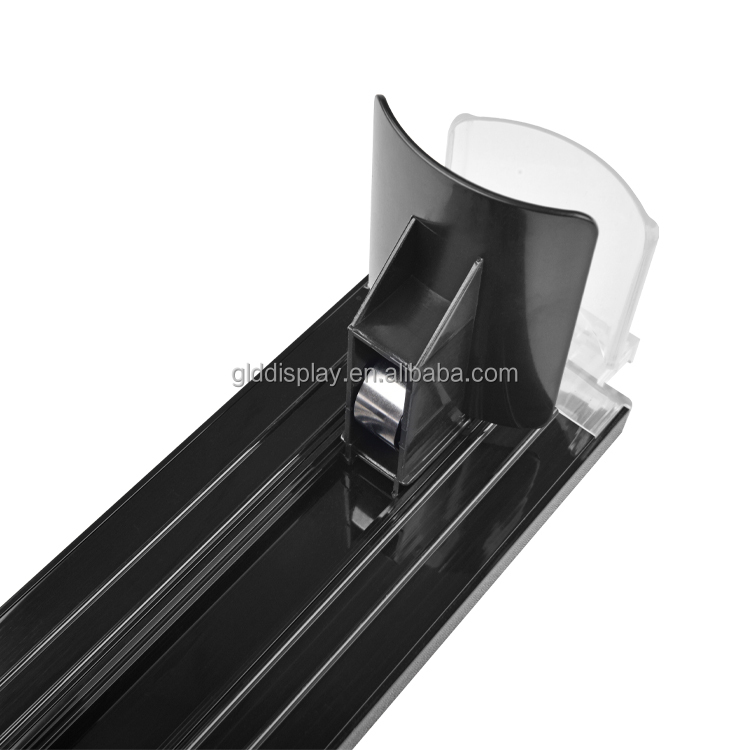
When selecting the best shelf pusher for retail environments, focus on durability, ease of installation, and compatibility with your shelving system. A high-quality adjustable shelf pusher with anti-jam mechanism ensures consistent forward product movement, reduces labor costs, and improves inventory turnover 1. For most stores, spring-loaded models made from polycarbonate or metal offer the best balance of performance and longevity. Avoid cheap plastic variants that warp under load. Measure shelf depth and product weight before purchasing to ensure proper fit and function.
About Shelf Pusher
A shelf pusher is a merchandising device used in retail settings to automatically move products forward as front items are removed. This ensures continuous front-facing availability, minimizing empty spaces on shelves and enhancing visual appeal. Typically installed at the back of a shelf, these devices use a spring, gravity, or motorized mechanism to gently push product rows toward the front edge.
Commonly found in supermarkets, convenience stores, pharmacies, and warehouse clubs, shelf pushers are especially useful for high-turnover packaged goods such as snacks, beverages, cosmetics, and over-the-counter medications. They help maintain planogram compliance, reduce out-of-stocks, and decrease the frequency of manual restocking—critical for labor optimization in today’s tight retail margins.
Why Shelf Pusher Is Gaining Popularity
Retailers are increasingly adopting shelf pushers due to rising labor costs and growing demand for consistent in-store presentation. According to industry reports, automated merchandising tools like shelf pushers can reduce restocking time by up to 40% 2. Additionally, consumers tend to perceive fully stocked shelves as more trustworthy and well-managed, directly influencing purchase decisions.
With shrinking store footprints and increased competition for shelf space, maximizing every inch of display area has become essential. Shelf pushers allow retailers to maintain full-looking displays even during low inventory periods. Furthermore, they support impulse buying by keeping products front-and-center, increasing average basket size.
Types and Variants
Shelf pushers come in several designs, each suited to different retail needs and product types:
1. Spring-Loaded Pushers
The most common type, these use a coiled spring attached to a sliding sled or divider. As products are taken, the spring tension moves the remaining stock forward.
- Pros: Reliable, cost-effective, widely available.
- Cons: Springs may weaken over time; improper loading can cause jamming.
2. Gravity-Fed Rollers
These systems rely on an inclined track with rollers that let products roll forward naturally when the front item is removed.
- Pros: No mechanical parts to fail; excellent for heavy items like bottled drinks.
- Cons: Requires fixed incline; not suitable for all shelving types.
3. Motorized (Electronic) Pushers
Powered units that use small motors to advance products. Often integrated with inventory tracking systems.
- Pros: High precision, real-time monitoring, ideal for smart shelves.
- Cons: Expensive, require power source and maintenance.
4. Adjustable Width Pushers
Designed with telescoping sides to fit various product widths without更换 sleds.
- Pros: Versatile across SKUs; reduces need for multiple SKUs of pushers.
- Cons: Slightly higher initial cost.
5. Clip-On vs. Track-Mounted
Clip-on models attach directly to standard gondola shelving edges, while track-mounted versions require built-in rails.
- Clip-on: Easy to install and reposition; ideal for retrofitting existing shelves.
- Track-mounted: More stable and durable; commonly used in new store builds.
Key Features and Specifications to Evaluate
To choose the right shelf pusher, consider the following technical and functional attributes:
- Material: Polycarbonate, ABS plastic, aluminum, or stainless steel. Metal offers better durability for heavy loads.
- Load Capacity: Ranges from 5 lbs (2.3 kg) for light snacks to over 50 lbs (22.7 kg) for beverage cases. Always verify manufacturer specs.
- Adjustability: Look for width-adjustable or modular systems if you carry varied product sizes.
- Anti-Jam Mechanism: Prevents misalignment during rapid removal; crucial for high-traffic aisles.
- Compatibility: Ensure fit with your current shelving profile (e.g., wire gauge, lip height).
- Visibility: Clear or low-profile designs maintain product visibility without obstructing branding.
- Installation Method: Tool-free clip-ons save labor; permanent mounts offer stability.
Also assess whether the pusher supports labeling integration (such as price strips or digital tags), which enhances pricing accuracy and shopper experience.
Pros and Cons
Advantages:
- Improves product visibility and accessibility
- Reduces labor required for restocking
- Minimizes out-of-stock situations
- Enhances planogram adherence
- Supports better inventory rotation (FIFO)
Disadvantages:
- Upfront investment, especially for motorized systems
- Poorly designed models may jam or damage packaging
- Limited effectiveness for irregularly shaped or fragile items
- May require staff training for optimal use
Shelf pushers are best suited for standardized, fast-moving consumer goods. They are less effective for bulky, irregular, or delicate products such as wine bottles, electronics, or fresh produce.
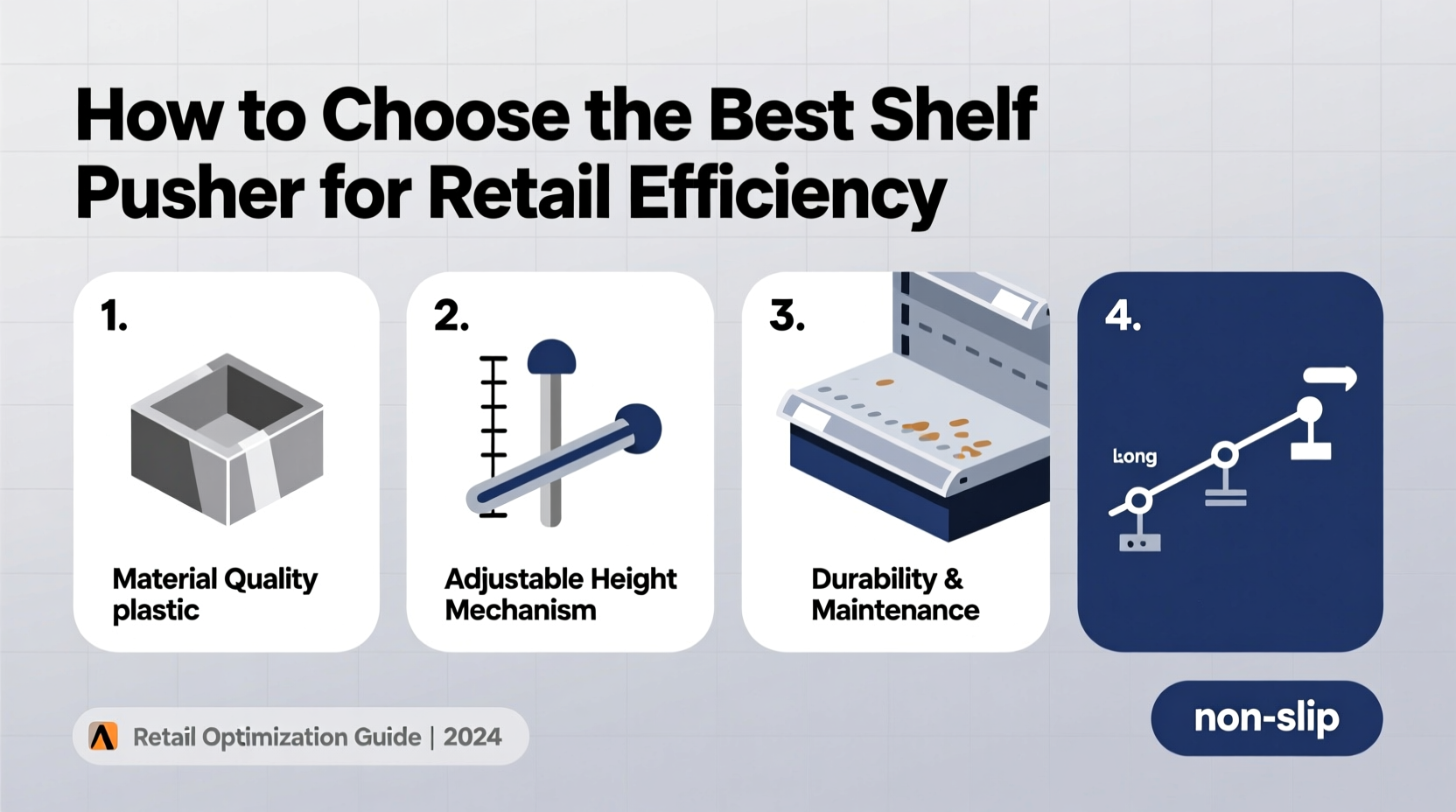
How to Choose Shelf Pusher
Follow this step-by-step guide to make an informed decision:
- Assess Your Product Type: Determine weight, size, shape, and sales velocity. Heavy items need robust materials and higher load ratings.
- Measure Shelf Dimensions: Note depth, lip height, and material (wire, laminate, glass). Use calipers for precision.
- Determine Volume Needs: High-turnover categories benefit most from pushers. Prioritize snack, beverage, or personal care aisles first.
- Select Mechanism Type: Opt for spring-loaded for general use, gravity-fed for heavy bottles, and motorized only if integrating with smart retail tech.
- Evaluate Adjustability: If SKU variety is high, choose adjustable-width models to reduce part numbers and simplify ordering.
- Check Compatibility: Confirm attachment method works with your shelving. Request sample kits from suppliers when possible.
- Test Sample Units: Install trial units and simulate customer interaction to check for jams or resistance.
- Review Warranty & Support: Look for at least a 1-year warranty and responsive supplier support.
Red Flags to Avoid:
- Plastic components that feel brittle or thin
- No clear load rating provided
- Complex assembly requiring tools
- Inconsistent customer reviews about jamming
- Non-standard mounting systems limiting future flexibility
Price & Market Insights
Prices vary significantly based on type and quality:
- Basic Plastic Spring Pushers: $3–$8 per unit
- Heavy-Duty Metal Models: $10–$20
- Gravity Roller Systems: $15–$30 per linear foot
- Moterized Smart Pushers: $50–$150+ depending on connectivity features
Budget options may seem attractive but often fail under daily wear. Mid-tier models ($10–$15 range) from reputable brands typically offer the best long-term value. Bulk purchases (100+ units) usually qualify for 10–25% discounts. Always compare total cost of ownership—not just upfront price—factoring in replacement rates and labor savings.
Top-Seller & Competitive Analysis
Several brands dominate the commercial shelf pusher market, including Poppins, Seamat, and Display Industries. Below is a comparison of popular models:
| Model | Type | Max Load | Material | Price Range | Notable Feature |
|---|---|---|---|---|---|
| Poppins FlexTrack | Spring-Loaded, Adjustable | 25 lbs | Polycarbonate + Steel | $12–$15 | Tool-free width adjustment |
| Seamat ProSlide 3000 | Spring-Loaded | 30 lbs | Reinforced ABS | $10–$13 | Anti-jam sled design |
| Display Industries RollForward X5 | Gravity Roller | 50 lbs | Aluminum Frame | $25–$28 | Ideal for beverage coolers |
| SmartFlow AutoPush E1 | Motorized | 20 lbs | Plastic + Electronics | $95–$110 | IoT-enabled inventory alerts |
While Poppins leads in adjustability and ease of use, Seamat offers strong durability at a lower price point. Motorized solutions remain niche but valuable for tech-forward retailers piloting autonomous inventory systems.
Customer Feedback Synthesis
Analysis of hundreds of verified buyer reviews reveals recurring themes:
Positive Feedback:
- "Reduced restocking time by half in our chip aisle"
- "The adjustable width saves us from stocking multiple pusher types"
- "Durable construction—still working after two years of heavy use"
Common Complaints:
- "Cheaper models jammed when two people grabbed items simultaneously"
- "Plastic cracked after six months under soda cans"
- "Difficult to install on older shelving units without modification"
Reliability under high traffic and material durability emerge as top concerns. Buyers consistently praise ease of adjustment and smooth operation but warn against cutting corners on quality.
Sourcing & Supplier Tips
Shelf pushers can be sourced from retail fixture suppliers, online B2B platforms (e.g., Alibaba, Grainger), or directly from manufacturers. For single stores or small chains, distributors like U.S. Rack or Metro Display offer quick shipping and support. Larger operations should consider direct procurement for volume savings.
When buying in bulk, request samples before placing large orders. Verify return policies and minimum order quantities (MOQs). For international sourcing, inspect product certifications (e.g., RoHS, REACH) and test for material strength upon arrival. Consider working with third-party inspection services if ordering from overseas suppliers.
Maintenance, Safety & Legal Considerations
Regular maintenance includes checking for debris buildup, lubricating moving parts (if applicable), and inspecting for wear or deformation. Replace any unit showing cracks or loss of spring tension immediately to prevent product falls.
Safety-wise, ensure pushers do not create pinch points or sharp edges. All units should comply with local occupational safety standards. In the U.S., OSHA guidelines recommend securing all store fixtures to prevent tipping, though specific regulations for pushers are limited.
No major legal restrictions govern shelf pusher use, but always follow fire code requirements regarding aisle clearance and obstruction. Avoid overloading beyond rated capacity to prevent accidents.
Conclusion
Choosing the right shelf pusher involves balancing durability, functionality, and cost. For most retailers, a durable, adjustable shelf pusher with anti-jam design provides the greatest operational benefit. Spring-loaded models made from reinforced materials offer reliable performance for everyday use, while gravity-fed systems excel in heavy-product applications. Avoid low-cost, non-tested alternatives that risk frequent failure. Prioritize compatibility with existing shelving, verify load ratings, and test samples before scaling deployment. With proper selection, shelf pushers enhance efficiency, improve presentation, and contribute to higher sales through better product availability.
FAQs
What is the average lifespan of a shelf pusher?
Well-made shelf pushers last 3–5 years under regular use. Metal-reinforced models tend to outlast all-plastic versions, especially in high-traffic areas.
Can shelf pushers be used for refrigerated displays?
Yes, but only if made from cold-resistant materials like polycarbonate or metal. Standard plastics may become brittle in low temperatures.
Do shelf pushers work with all shelf types?
No. Compatibility depends on shelf lip design, thickness, and material. Always confirm fit with your specific shelving system before purchasing.
Are motorized shelf pushers worth the investment?
Only for retailers using real-time inventory systems. For most stores, mechanical pushers provide sufficient automation at a fraction of the cost.
How do I prevent shelf pushers from jamming?
Ensure proper loading alignment, avoid overfilling, and choose models with anti-jam sleds. Regular cleaning also helps maintain smooth operation.




 浙公网安备
33010002000092号
 浙B2-20120091-4