

When choosing a roll up clean room door, prioritize models with high sealing efficiency, low particle emission materials, and motorized operation for environments requiring ISO Class 5 or higher cleanliness standards. The best roll up clean room doors combine smooth vertical retraction, antimicrobial PVC curtains, and reinforced side tracks to minimize contamination risks in pharmaceutical, biotech, and semiconductor settings 1. Look for options with HEPA filter compatibility and stainless steel frames if operating in regulated industries where compliance is critical. Avoid basic industrial roll-up doors not specifically designed for controlled environments.
About Roll Up Clean Room Doors
A roll up clean room door is a specialized entrance system engineered to maintain strict environmental control in contamination-sensitive areas such as laboratories, medical device manufacturing units, and sterile processing facilities. Unlike standard rolling doors used in warehouses, these are constructed from non-shedding, static-dissipative materials that support air purity by minimizing particulate generation during operation.
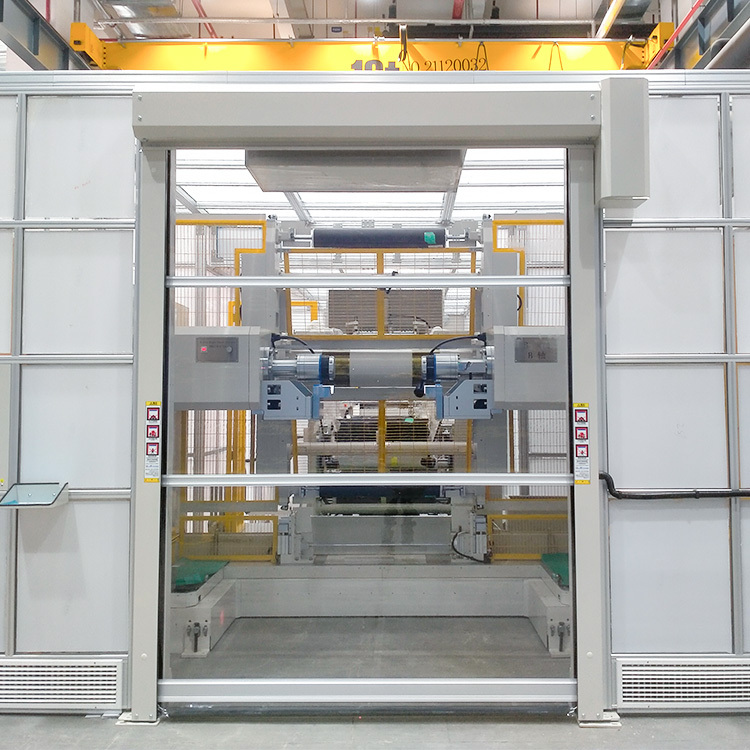
These doors typically feature a flexible curtain—often transparent PVC or vinyl—that rolls vertically into a header box above the opening. This design preserves floor space and allows rapid access while maintaining pressure differentials between zones. They are commonly installed between cleanrooms and buffer areas, gowning rooms, or production suites where frequent personnel or equipment passage occurs without compromising air quality.
Why Roll Up Clean Room Doors Are Gaining Popularity
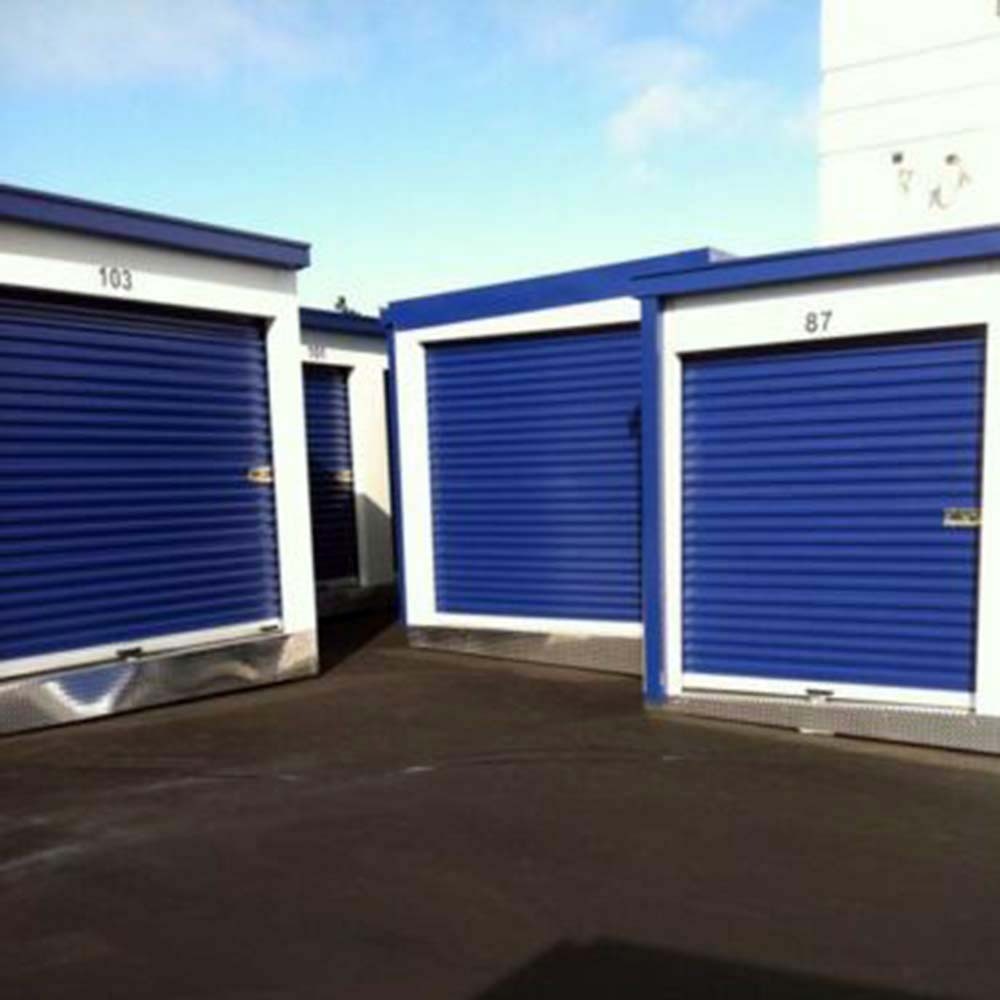
The growing demand for precision manufacturing and stricter regulatory oversight has driven adoption of advanced access solutions like roll up clean room doors across life sciences and microelectronics sectors. One major reason for their rising use is operational efficiency: automated sensors enable hands-free entry, reducing contact-based contamination risks—an essential factor in aseptic environments.
Additionally, energy conservation plays a role. Fast-cycling doors (with opening speeds up to 100 inches per second) reduce HVAC load by limiting exchange between temperature- and humidity-controlled spaces. According to industry reports, facilities using high-speed clean room doors can cut energy costs by up to 30% compared to traditional swing or sliding doors 2.
Another driver is modular construction trends. As companies adopt prefabricated cleanroom pods or mobile isolation units, roll-up systems offer scalable, semi-permanent access points that integrate easily with panelized walls.
Types and Variants of Roll Up Clean Room Doors
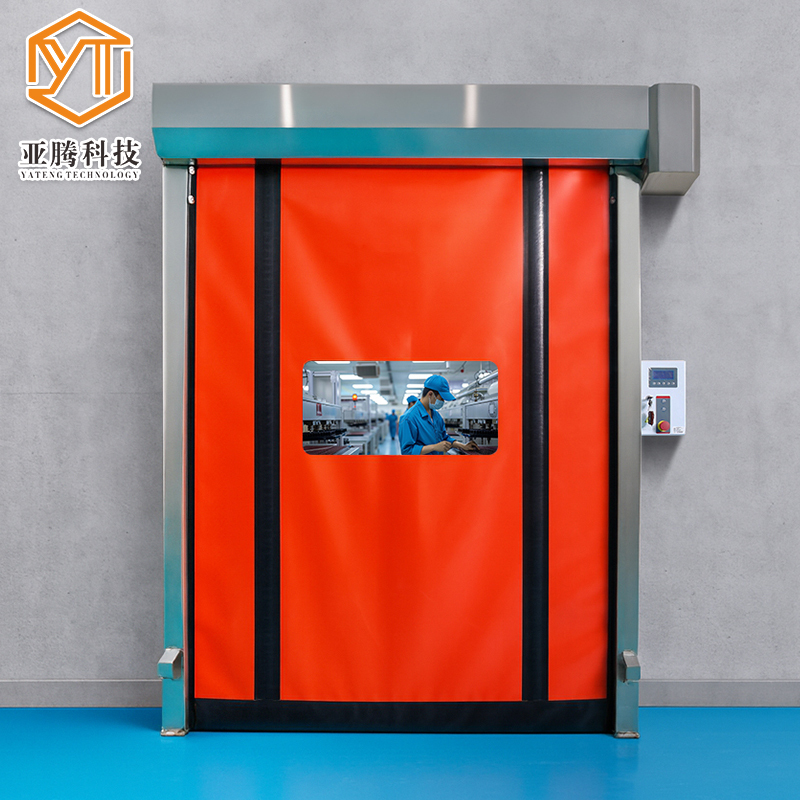
Understanding the available configurations helps match the right type to your application needs.
1. High-Speed Roll-Up Doors
Designed for heavy traffic areas, these doors open and close rapidly via servo motors. Ideal for transfer hatches or corridors between classified zones.
- Pros: Minimizes air infiltration, reduces cross-contamination, durable under constant use.
- Cons: Higher initial cost; requires regular calibration of sensors and drive mechanisms.
2. Manual Pull-Down Roll-Up Doors
Operated via a pull strap or chain, these are simpler and often used in low-traffic or secondary access points.
- Pros: Lower cost, no electrical requirements, easy installation.
- Cons: Slower operation increases exposure time; more physical contact raises contamination risk.
3. Inflatable Sealing Roll-Up Doors
Equipped with inflatable side seals that engage when closed, enhancing containment integrity.
- Pros: Superior seal against airborne particles and vapors; excellent for isolators or toxic compound handling.
- Cons: Requires compressed air supply; additional maintenance for inflation valves and gaskets.
4. Vision Panel Integrated Models
Feature transparent sections for visual monitoring without entering the space.
- Pros: Enhances safety and workflow oversight; useful in QC labs or sterile fill lines.
- Cons: Transparent materials may degrade over time due to UV exposure or chemical cleaning agents.
Key Features and Specifications to Evaluate
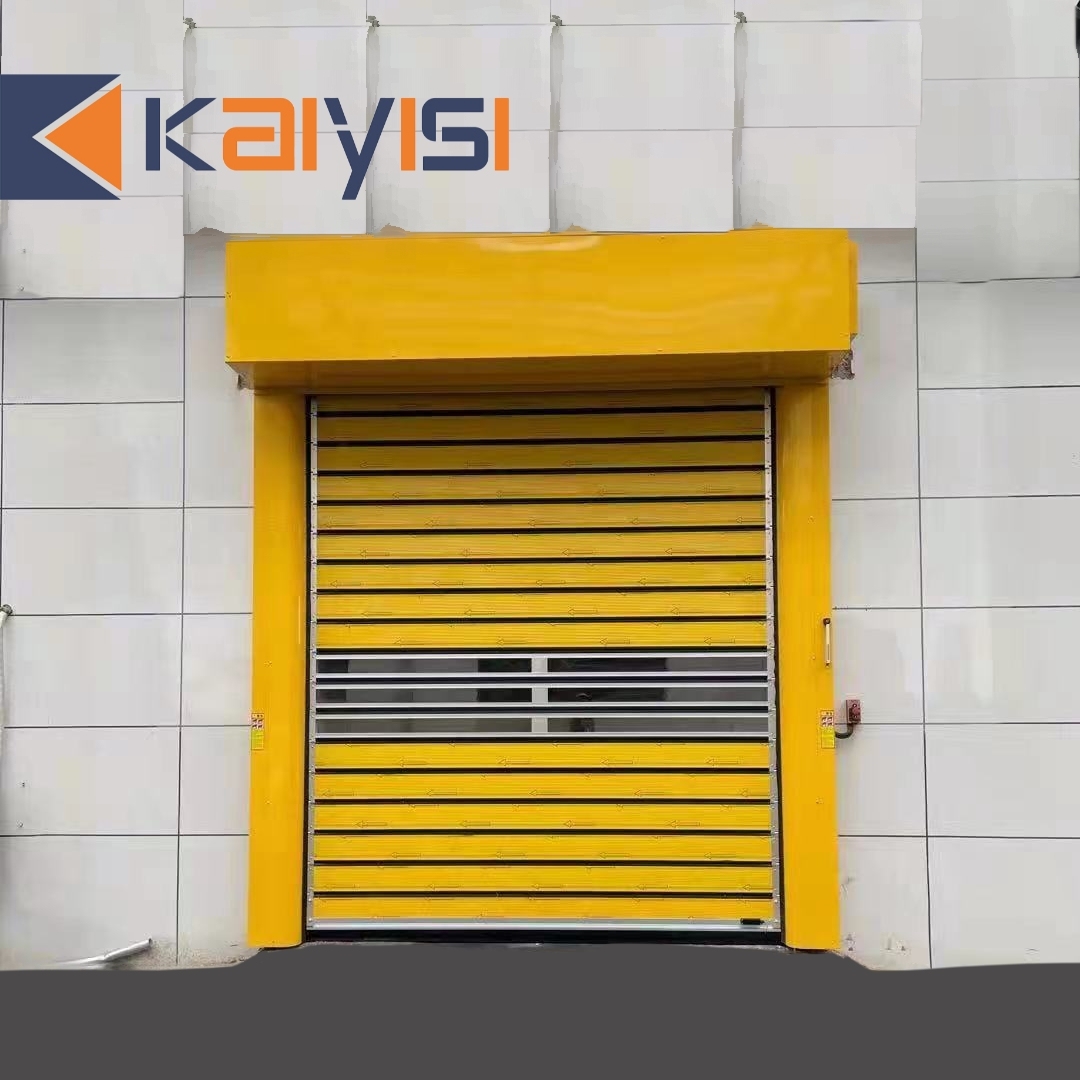
Selecting the right model involves assessing several technical parameters:
- Material Composition: Look for FDA-compliant, halogen-free PVC or silicone-coated fabrics. Surfaces should be smooth, non-porous, and resistant to common disinfectants like hydrogen peroxide or alcohol.
- Seal Integrity: Check whether the door includes brush strips, magnetic edges, or pneumatic seals along vertical guides to prevent leakage.
- Opening Speed: For automated versions, speed ranges from 24–100 inches/sec. Faster isn’t always better—it depends on foot traffic volume and safety protocols.
- Frame Construction: Stainless steel (especially 304 or 316 grade) is preferred for corrosion resistance and cleanability. Aluminum frames are lighter but less durable in harsh environments.
- Control System: Options include motion sensors, RFID readers, foot switches, or integration with building management systems (BMS). Ensure compatibility with existing access controls.
- Noise Level: Some high-speed models generate significant noise; verify decibel ratings if installed near quiet workspaces.
- Fire Rating: In certain facilities, fire-rated doors (e.g., UL 3-hour rating) may be required even in cleanrooms—confirm local code requirements.
Pros and Cons: Balanced Assessment
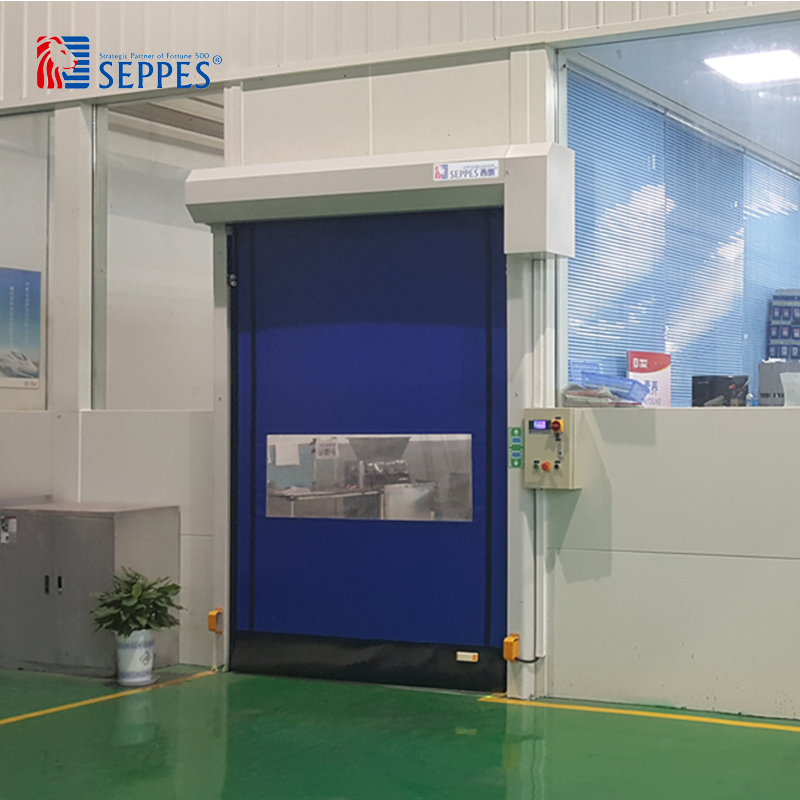
Advantages:
- Maintains positive pressure and air filtration efficiency.
- Space-saving vertical retraction ideal for tight layouts.
- Fast access improves workflow continuity in busy environments.
- Customizable sizes and control interfaces for diverse applications.
Disadvantages:
- Higher upfront investment than conventional doors.
- Motorized components require scheduled servicing.
- Potential downtime if curtain becomes damaged or misaligned.
- Limited insulation value compared to solid-panel enclosures.
Roll up clean room doors are most suitable when you need frequent, rapid access while preserving ISO 14644-1 compliance. They are less ideal for cryogenic storage rooms or high-vibration industrial zones unless specially reinforced.
How to Choose a Roll Up Clean Room Door: Step-by-Step Buying Guide
- Assess Your Cleanroom Class: Determine if your environment follows ISO Class 5, 7, or 8 standards. Higher classes demand tighter sealing and lower outgassing materials.
- Evaluate Traffic Frequency: High turnover warrants automated, high-speed operation. Low-use areas may only need manual models.
- Measure Opening Dimensions: Standard widths range from 36” to 120”, heights up to 144”. Confirm headroom clearance for the header enclosure.
- Select Operation Type: Decide between manual, sensor-activated, or programmable logic controller (PLC)-integrated systems based on automation level needed.
- Verify Regulatory Compliance: Ensure the product meets relevant standards such as ISO 14644, IEST-G-CC003, or USP <797> if applicable.
- Review Warranty & Support: Reputable suppliers offer at least a 1-year warranty on motors and 6 months on curtains. Ask about spare parts availability.
- Avoid These Red Flags: Be cautious of vendors who don’t provide material data sheets (MDS), lack test certifications, or use generic industrial door specs instead of cleanroom-specific documentation.
Price & Market Insights
Pricing varies widely based on size, automation, and build quality:
- Manual models: $800 – $2,500
- Automated basic: $3,000 – $6,000
- High-speed with sensor suite: $6,500 – $12,000+
Cost does not always reflect performance. Some mid-tier brands offer comparable sealing and cycle life to premium labels. Consider total cost of ownership—including power usage, maintenance intervals, and expected lifespan (typically 5–10 years with proper care).
Beware of offshore manufacturers offering very low prices; inspect sample units for weld quality, track alignment, and curtain thickness before bulk ordering.
| Model Type | Avg. Price | Speed (in/sec) | Best For |
|---|---|---|---|
| Manual Pull-Down | $1,200 | 12 | Low-traffic prep rooms |
| Standard Motorized | $4,500 | 48 | Gowning entrances |
| High-Speed with Sensors | $9,000 | 96 | Production line transitions |
Top-Seller & Competitive Analysis
Leading brands in this niche include Rite-Hite, GMP Solutions, and Novoferm—each offering distinct advantages.
Rite-Hite’s CleanTech series emphasizes durability and fast cycle times, making it popular in vaccine manufacturing plants. However, users report occasional software glitches in integrated control panels.
GMP Solutions provides modular, customizable units favored in pilot-scale research labs. Their weakness lies in longer lead times (up to 8 weeks) due to made-to-order production.
Novoferm combines German engineering with corrosion-resistant finishes, ideal for coastal facilities exposed to salt air. Yet, replacement parts can be difficult to source outside Europe.
When comparing top sellers, focus on real-world reliability metrics such as mean time between failures (MTBF), ease of curtain replacement, and availability of field technicians.
Customer Feedback Synthesis
Analysis of user reviews reveals consistent themes:
Common Praises:
- "Dramatically reduced particle counts after installation."
- "Easy to integrate with our existing HEPA system."
- "The clear panel lets supervisors monitor activity without breaking containment."
Frequent Complaints:
- "Curtain tore after six months despite light use—supplier charged full price for replacement."
- "Sensor keeps false-triggering; had to disable auto-close mode."
- "Difficult to calibrate after power outage—required technician visit."
To mitigate risks, read third-party reviews, request case studies, and ask suppliers for references from similar-sized operations.
Sourcing & Supplier Tips
Procurement strategy matters. Consider:
- Distributors vs. Manufacturers: Distributors may offer faster delivery and bundled services (installation, training), while direct purchases from manufacturers often allow deeper customization.
- Minimum Order Quantities (MOQ): Bulk buyers should negotiate pricing for multiple units. Some suppliers waive shipping fees for orders over $10,000.
- Sample Testing: Always request a prototype or site demo to evaluate noise, closing force, and integration with current airflow systems.
- Warranty Terms: Clarify what’s covered—especially for electronic components and fabric degradation from chemical exposure.
For international sourcing, verify import regulations regarding electrical components and ensure voltage compatibility (e.g., 110V vs. 220V).
Maintenance, Safety & Legal Considerations
Proper upkeep ensures longevity and compliance:
- Monthly Inspections: Check for tears in the curtain, debris in guide tracks, and secure mounting hardware.
- Cleaning Protocol: Use neutral pH cleaners only. Avoid abrasive pads or solvents that could compromise static-dissipative properties.
- Safety Sensors: Test photoelectric eyes and emergency stop functions quarterly to meet OSHA and machine safety guidelines.
- Regulatory Alignment: While there’s no single global standard for clean room doors, adherence to ISO 14644-1 (airborne cleanliness) and IEC 60204-1 (electrical safety) is strongly advised 3.
Document all maintenance activities for audit readiness, especially in FDA-regulated environments.
Conclusion
Choosing the right roll up clean room door hinges on matching technical specifications to your facility’s operational demands. Prioritize sealing effectiveness, material compatibility, and ease of integration with existing HVAC and access systems. Automated high-speed models deliver superior performance in high-traffic zones, while manual variants serve well in budget-conscious or infrequently accessed areas. By evaluating lifecycle costs, verifying supplier credibility, and reviewing real user feedback, buyers can make informed decisions that enhance both compliance and productivity.
FAQs
What makes a roll up door suitable for clean rooms?
Clean room-specific roll up doors use low-outgassing, non-particle-shedding materials and tight-sealing designs to maintain air purity and pressure differentials required in controlled environments.
Can roll up clean room doors be repaired if the curtain gets damaged?
Yes, most curtains are replaceable. However, ensure the new curtain matches the original in thickness, transparency, and static-dissipative properties to maintain performance.
Are there energy benefits to using a roll up clean room door?
Yes. Fast-opening models reduce air exchange between zones, lowering HVAC workload and helping maintain stable temperature and humidity levels, which saves energy.
Do roll up clean room doors require special installation?
Yes. Proper alignment of tracks, sealing of perimeter gaps, and integration with building controls often require trained technicians familiar with cleanroom construction practices.
How often should a roll up clean room door be serviced?
Inspect monthly for visible wear; schedule professional maintenance every 6–12 months depending on usage frequency and environmental conditions.




 浙公网安备
33010002000092号
 浙B2-20120091-4