

When choosing the best pole amber beacon LED for traffic control, construction zones, or emergency vehicle use, prioritize high visibility, durability, and regulatory compliance. Look for models with at least 360-degree visibility, IP65 or higher ingress protection, and SAE J845 or similar certification for road use 1. A reliable option should feature long-lasting LED arrays, low power consumption, and weather-resistant housing. For applications like temporary work zones or fleet vehicles, consider solar-powered or magnetic-mount variants for flexibility. The right pole amber beacon LED will combine brightness (measured in candela), shock resistance, and easy installation to ensure safety and longevity in demanding environments.
About Pole Amber Beacon LED
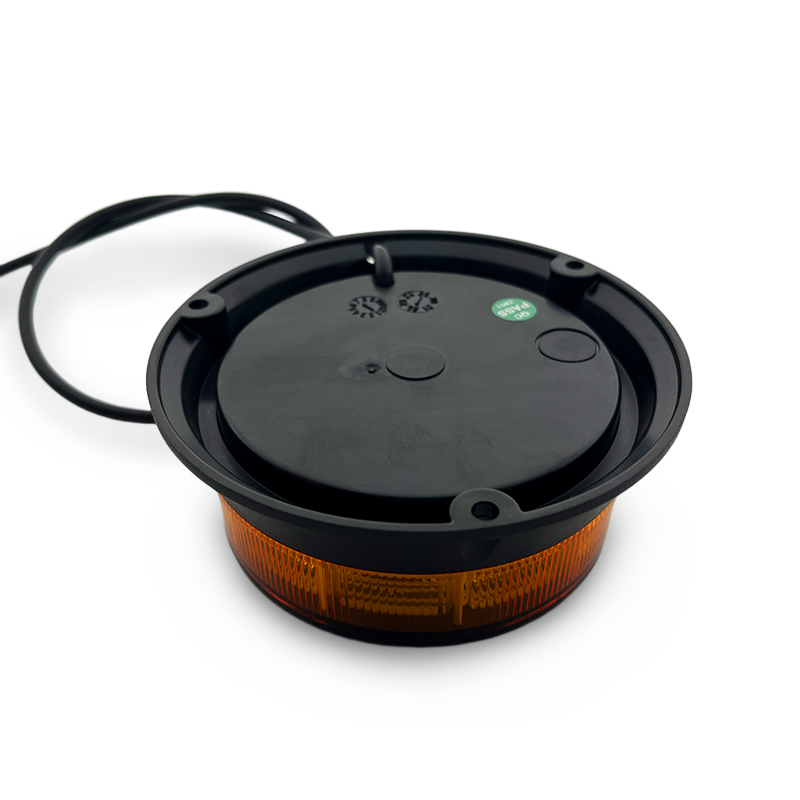
A pole amber beacon LED is a specialized warning light designed to be mounted on poles, tripods, trailers, or vehicles to signal caution or hazard. These lights emit a bright amber (yellow) glow using energy-efficient LED technology, making them ideal for drawing attention without causing glare. They are commonly used in roadwork zones, airport ground operations, utility maintenance, parking enforcement, and emergency response scenarios where visibility and safety are critical.
Unlike older halogen or incandescent beacons, modern LED versions offer superior brightness, longer lifespans (often exceeding 50,000 hours), and lower power draw. Their solid-state design makes them more resistant to vibration and impact, which is essential in mobile or rugged applications. Most pole-mounted amber beacons operate on 12V or 24V DC systems but may also include AC adapters or solar charging options for standalone deployment.
Why Pole Amber Beacon LED Is Gaining Popularity
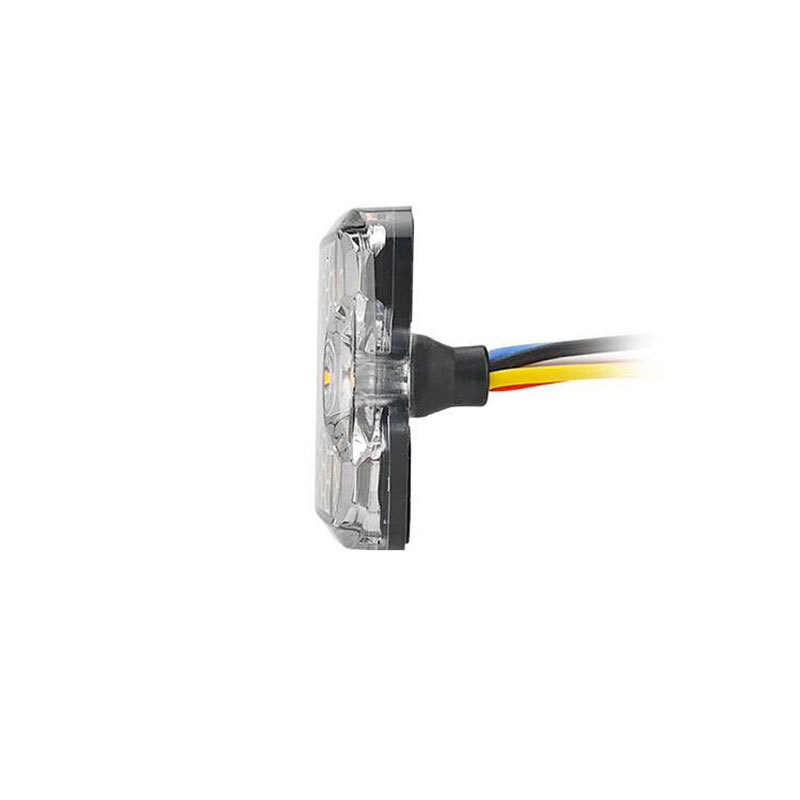
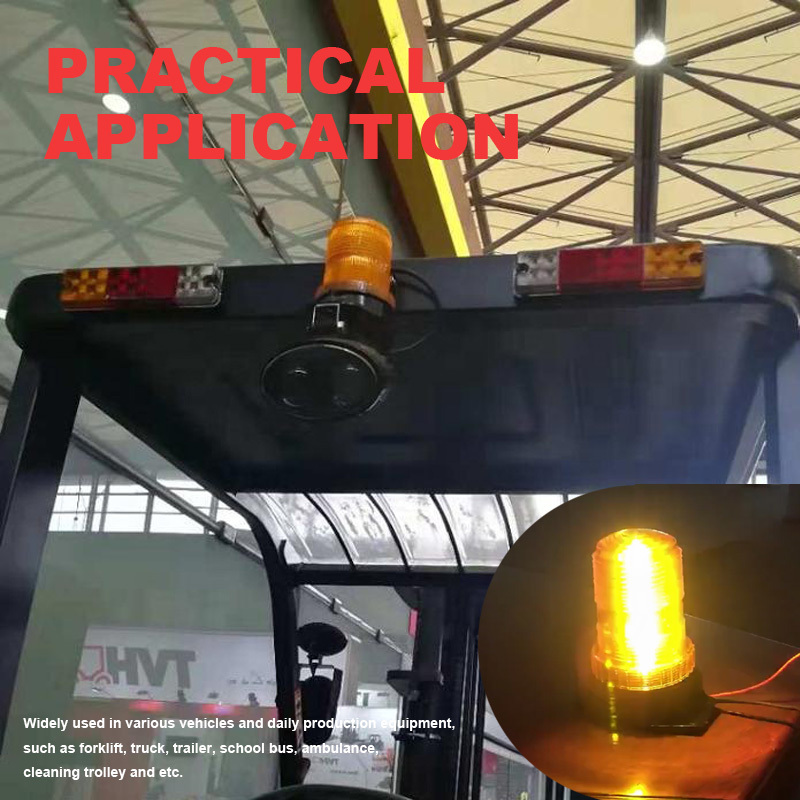
The shift toward LED-based warning systems has been driven by advancements in efficiency, reliability, and regulatory standards. Municipalities, contractors, and private fleets increasingly adopt pole amber beacon LEDs due to their enhanced visibility during both day and night conditions. According to industry reports, LED warning lights consume up to 80% less power than traditional bulbs while delivering brighter, more consistent output 2.
Additionally, growing emphasis on worker and public safety in temporary traffic control areas has led to stricter compliance requirements. Agencies such as the Federal Highway Administration (FHWA) and Manual on Uniform Traffic Control Devices (MUTCD) recommend high-intensity warning lights for active work zones 3. As a result, users are opting for certified pole amber beacon LED units that meet these benchmarks, ensuring legal compliance and improved site safety.
Types and Variants
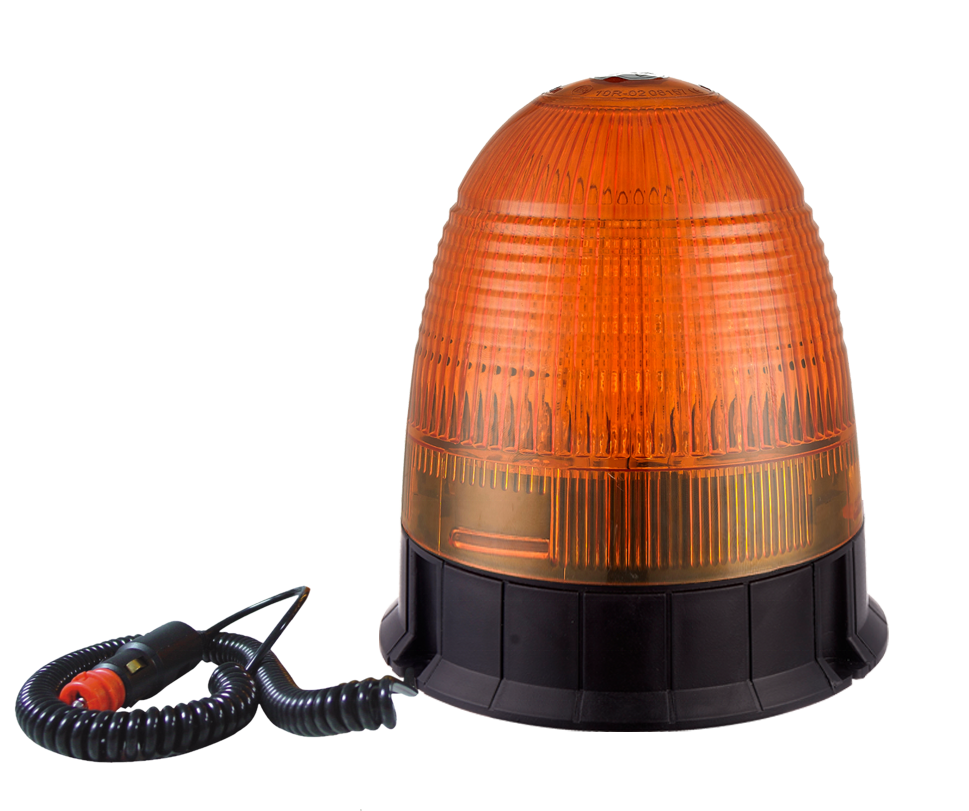
Pole amber beacon LEDs come in several configurations, each suited to specific operational needs:
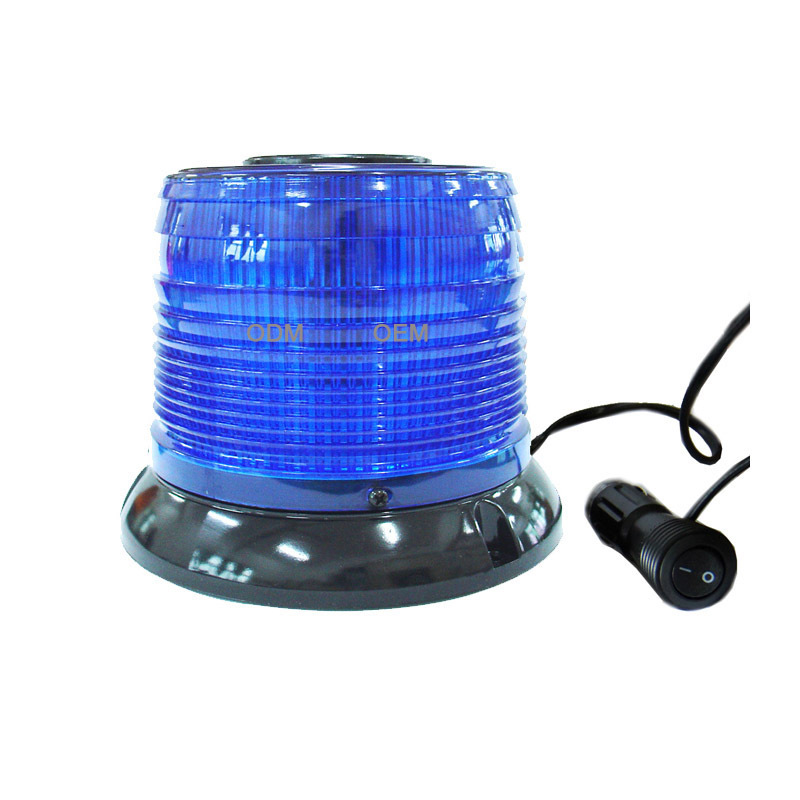
1. Magnetic Mount Beacons
- Pros: Easy to install and remove; ideal for temporary use on vehicles or equipment.
- Cons: Less secure in high-vibration environments; magnets can degrade over time.
2. Hardwired Permanent Mounts
- Pros: Secure, continuous operation; often integrated into vehicle electrical systems.
- Cons: Requires professional installation; not portable.
3. Solar-Powered Pole Beacons
- Pros: No wiring needed; eco-friendly; excellent for remote or temporary sites.
- Cons: Dependent on sunlight; battery life varies with weather and season.
4. Tripod-Mounted Units
- Pros: Highly portable; adjustable height; suitable for short-term projects.
- Cons: Can tip over in windy conditions if not weighted properly.
5. Strobe vs. Rotating LED Patterns
While true rotating mechanisms are rare in modern LED beacons, many simulate rotation using sequenced strobe patterns. Strobe modes provide rapid flashes that attract attention quickly, whereas steady-blink or wig-wag patterns offer directional cues. Choose based on application: strobes for general warnings, patterned signals for directional guidance.
Key Features and Specifications to Evaluate

To make an informed decision when selecting a pole amber beacon LED, assess the following technical and functional aspects:
- Brightness (Candela Output): Measured in candelas (cd), higher values indicate greater visibility. For roadside use, aim for at least 100 cd. Some premium models exceed 300 cd.
- Visibility Angle: Full 360-degree coverage ensures all-around detection. Check beam spread specifications—ideally ≥30° vertical and full horizontal dispersion.
- Ingress Protection (IP Rating): Look for IP65 or higher to ensure dust-tightness and resistance to water jets. IP67 adds submersion protection for harsh environments.
- Power Source: Options include direct DC connection, AC adapter, battery pack, or solar panel. Evaluate runtime and rechargeability for off-grid use.
- Voltage Compatibility: Confirm compatibility with your system (e.g., 12V/24V DC). Dual-voltage models offer versatility across fleets.
- Flash Patterns: Multiple modes (strobe, flash, wig-wag, rotating simulation) enhance situational awareness. Programmable controllers allow customization.
- Housing Material: Polycarbonate or ABS plastic resists UV degradation and impact. Metal bases add stability but increase weight.
- Maintenance Alerts: Advanced units include LED failure detection or low-battery indicators.
Pros and Cons
Advantages of Pole Amber Beacon LED
- High visibility even in daylight
- Long service life with minimal maintenance
- Energy efficient, reducing strain on vehicle batteries
- Available in portable, permanent, and solar-powered forms
- Meets or exceeds MUTCD and SAE safety standards when certified
Limitations and Considerations
- Solar models may underperform in cloudy regions or winter months
- Magnetic mounts can detach under heavy vibration
- Low-cost units may lack proper certifications or durability
- Improper placement can reduce effectiveness or cause glare hazards
- Local regulations may restrict usage times or locations
How to Choose a Pole Amber Beacon LED
Follow this step-by-step guide to select the right model for your needs:
- Define Your Use Case: Is it for fixed infrastructure, mobile vehicles, or temporary setups? This determines portability and power needs.
- Check Regulatory Requirements: Verify whether your jurisdiction requires SAE J845, FMVSS, or MUTCD compliance 1. Non-compliant lights may not be legally usable on public roads.
- Evaluate Mounting Options: Choose between magnetic, bolt-on, tripod, or pole clamp depending on stability and permanence needs.
- Assess Power Availability: If no external power source exists, opt for solar or battery-operated models with sufficient runtime.
- Compare Light Output: Review candela ratings and viewing angles. Request photometric data sheets if available.
- Inspect Build Quality: Examine housing material, seal integrity, and cable insulation. Avoid units with visible gaps or flimsy components.
- Review Flash Pattern Flexibility: More programmable modes increase adaptability across scenarios.
- Verify Warranty and Support: Reputable brands typically offer 2–5 year warranties. Check availability of replacement parts.
- Avoid Red Flags: Steer clear of products lacking certification marks, unclear specifications, or unusually low prices that suggest substandard components.
Price & Market Insights
Pole amber beacon LED pricing varies significantly based on features and build quality:
- Budget Tier ($20–$50): Basic magnetic or plug-in models with limited brightness and no certifications. Suitable for private property or non-regulated uses.
- Mid-Range ($50–$120): Includes IP-rated housings, multiple flash patterns, and SAE compliance. Ideal for municipal and contractor use.
- Premium ($120–$250+): Solar-powered, hardwired, or smart-enabled beacons with high candela output, extended warranties, and advanced optics.
For most professional applications, investing in mid-range or premium models offers better long-term value through reduced replacements and compliance assurance. Be cautious of imported brands with inflated claims—verify performance metrics independently when possible.
| Model Type | Avg. Price | Power Source | IP Rating | Certification | Lifespan |
|---|---|---|---|---|---|
| Magnetic Mount | $35 | 12V DC | IP65 | None | 30,000 hrs |
| Solar Tripod | $140 | Solar + Battery | IP67 | SAE J845 | 50,000 hrs |
| Hardwired Dome | $95 | 12V/24V DC | IP66 | FMVSS Compliant | 60,000 hrs |
Top-Seller & Competitive Analysis
Leading brands such as Whelen, Feniex, and Code 3 dominate the professional-grade market with robust engineering and regulatory adherence. However, value-oriented options from Larson Electronics and Anslto have gained traction among small contractors and municipalities seeking budget-friendly yet functional alternatives.
Top-selling models typically feature:
- Dual-voltage operation
- Multiple programmable flash patterns
- UV-stabilized polycarbonate lenses
- Corrosion-resistant hardware
When comparing competitive products, focus on third-party test results rather than manufacturer claims. Independent reviews and agency procurement lists can help identify consistently reliable performers.
Customer Feedback Synthesis
Analysis of verified buyer reviews reveals common themes:
Positive Feedback
- "Extremely bright—even visible in direct sunlight"
- "Easy to set up on our service trucks with the magnetic base"
- "Lasted over two years in coastal salt-air conditions without fading"
Common Complaints
- "Solar version didn’t charge well during winter months"
- "Magnet failed after six months on a garbage truck due to constant vibration"
- "No instructions included for changing flash patterns"
These insights highlight the importance of matching product design to real-world operating conditions. Users emphasize durability, ease of use, and consistency in performance over time.
Sourcing & Supplier Tips
When purchasing pole amber beacon LEDs, consider the following:
- Authorized Distributors: Buy from authorized dealers to ensure genuine products and valid warranties.
- Volume Discounts: Many suppliers offer tiered pricing for bulk orders (e.g., 10+ units).
- OEM/Private Label Options: Available through industrial lighting suppliers for branding or integration into larger systems.
- Inspection Upon Delivery: Test each unit immediately for proper function and check for shipping damage.
- Return Policy: Confirm restocking fees and return windows before ordering, especially for custom-configured units.
Maintenance, Safety & Legal Considerations
Proper upkeep extends lifespan and ensures continued compliance:
- Cleaning: Wipe lens surfaces regularly with a soft cloth and mild detergent to prevent dirt buildup that reduces visibility.
- Inspection Schedule: Conduct monthly checks for loose connections, cracked housings, or dimming LEDs.
- Battery Maintenance (for solar/battery models): Replace rechargeable cells every 2–3 years or as capacity declines.
- Safety Practices: Turn off power before servicing. Use insulated tools when working near live circuits.
- Legal Compliance: Ensure your beacon meets local transportation authority requirements. In the U.S., refer to MUTCD guidelines for placement and usage 3. Some states prohibit flashing amber lights on personal vehicles.
Conclusion
Selecting the right pole amber beacon LED involves balancing visibility, durability, power needs, and regulatory compliance. Prioritize certified models with high candela output, appropriate IP ratings, and proven reliability in field conditions. Whether you need a portable solar tripod beacon or a permanently mounted vehicle light, understanding key specifications and user feedback helps avoid costly mistakes. By following this guide, you can confidently choose a solution that enhances safety, meets legal standards, and delivers lasting performance in any operational environment.
FAQs
- What does 'SAE J845 compliant' mean for a pole amber beacon LED?
- It means the light meets Society of Automotive Engineers standards for photometric performance, durability, and environmental resistance, often required for use in traffic control.
- Can I use a pole amber beacon LED on my personal vehicle?
- Legality depends on your state or country. In many U.S. states, flashing amber lights are restricted to commercial, utility, or emergency vehicles only.
- How long do LED pole beacons typically last?
- Most quality units last between 50,000 and 60,000 hours—over five years of continuous operation—though actual lifespan depends on environmental exposure and usage patterns.
- Do solar-powered amber beacons work in winter?
- Yes, but efficiency drops in low-light conditions. Models with lithium-ion batteries and low-power LEDs perform best in cold or cloudy climates.
- Are magnetic mount beacons secure enough for highway speeds?
- High-quality magnetic mounts with strong neodymium magnets are generally safe up to 70 mph, but they should be inspected regularly, especially on rough terrain or vibrating surfaces.




 浙公网安备
33010002000092号
 浙B2-20120091-4