

When choosing a ploughing machine walking tractor in Guangzhou, prioritize models with durable steel construction, 8–15 HP diesel engines, adjustable tilling depth (up to 30 cm), and compatibility with regional soil conditions. For small to medium farms, a single-axle walking tractor with rotary tiller attachment offers optimal versatility and cost-efficiency. Look for units tested in humid subtropical climates like Guangdong’s, ensuring corrosion resistance and reliable startup in high humidity 1. Avoid underpowered units below 7 HP for heavy clay soils common in the Pearl River Delta.
About Ploughing Machine Walking Tractor in Guangzhou
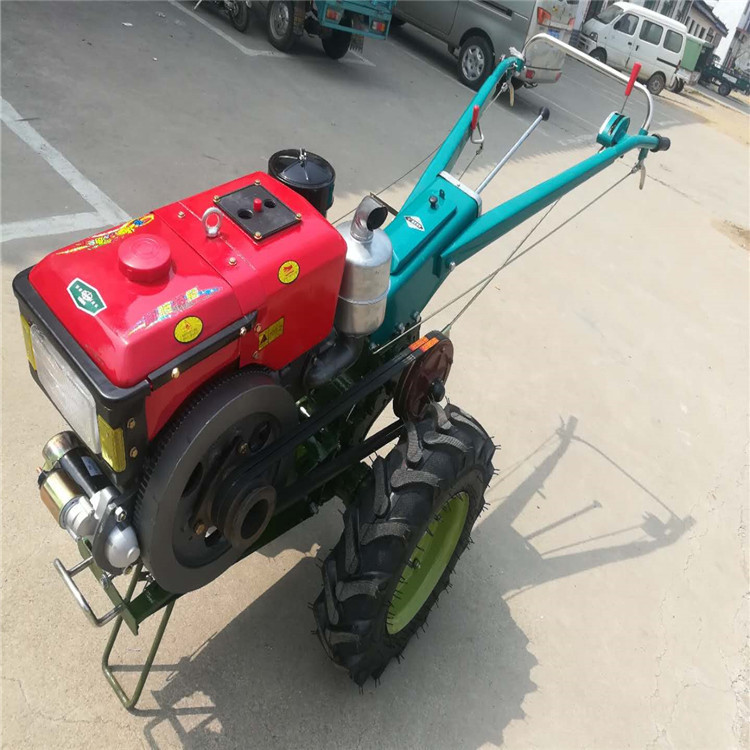
A ploughing machine walking tractor, often referred to as a two-wheel tractor or hand-guided tractor, is a compact agricultural unit primarily used for tilling, furrowing, and powering various mounted implements. In Guangzhou and surrounding areas of southern China, these machines are widely adopted due to their adaptability to small plots, narrow field access, and multi-functionality across rice paddies, vegetable farms, and orchards.
Unlike four-wheel tractors, walking tractors are operated from behind, allowing the user to walk alongside while guiding the machine. They typically come equipped with a diesel engine ranging from 6 to 18 horsepower and can be fitted with attachments such as rotary tillers, seeders, sprayers, water pumps, and even transport carts. Their design makes them ideal for the fragmented farmland typical of Guangdong Province, where large machinery cannot easily maneuver.
Why Ploughing Machine Walking Tractor in Guangzhou Is Gaining Popularity
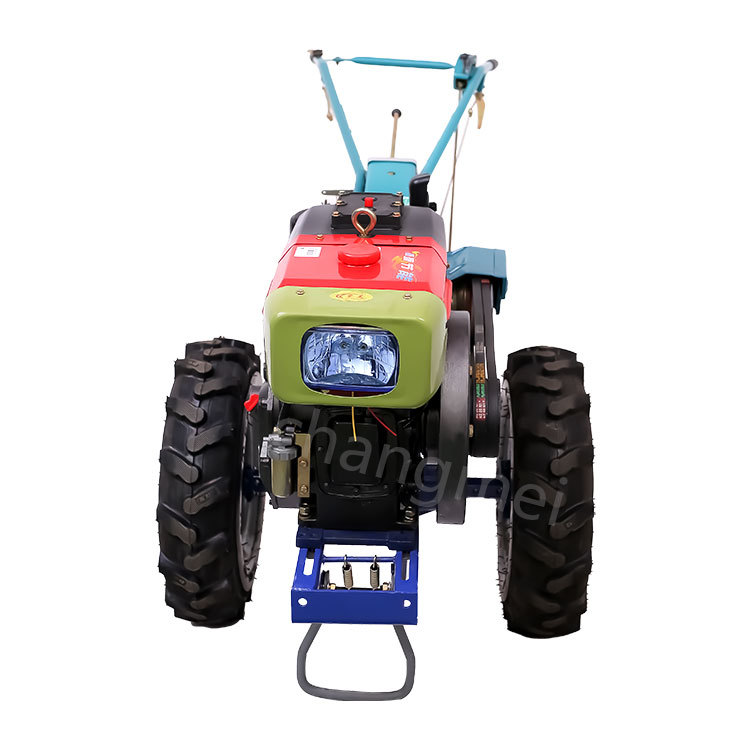
The rising demand for ploughing machine walking tractors in Guangzhou reflects broader trends in labor efficiency, land use patterns, and mechanization adoption among smallholder farmers. With increasing labor costs and rural-to-urban migration, manual farming methods are no longer sustainable for many producers.
Walking tractors offer an affordable entry point into mechanization. According to FAO reports, small-scale mechanization tools like walking tractors have significantly improved productivity in Asian agriculture, especially in regions with limited arable land per household 2. In Guangzhou's peri-urban farming zones, where intensive vegetable cultivation dominates, farmers rely on these machines to prepare beds quickly between short crop cycles.
Additionally, government-supported agricultural modernization programs have encouraged the adoption of efficient equipment, further boosting sales of walking tractors through subsidies and training initiatives.
Types and Variants

Understanding the different types of ploughing machine walking tractors available helps buyers match features to their specific needs. The main variants include:
1. Standard Rotary Tiller Type
This is the most common version found in Guangzhou markets. It features a front-mounted rotary tilling blade powered by a horizontal-shaft diesel engine.
- Pros: Excellent for primary tillage in loamy or clay soils; high torque output; widely available spare parts.
- Cons: Limited functionality without additional attachments; heavier models may be difficult to control on wet paddy fields.
2. Multi-Purpose Walking Tractor (Universal Shaft Output)
These models feature a power take-off (PTO) system that allows connection to multiple implements beyond tilling—such as mowers, threshers, or water pumps.
- Pros: High versatility; suitable for year-round use across seasons and crops.
- Cons: Higher initial cost; requires storage space for attachments.
3. Lightweight Mini Walking Tractors (Sub-8 HP)
Designed for very small plots (<0.5 hectares), these compact units are easier to handle but less powerful.
- Pros: Affordable; easy to transport; good for raised-bed gardening or greenhouse prep.
- Cons: Not suitable for deep ploughing or rocky terrain; reduced durability over time.
4. Reverse-Operation Models (Forward-Mounted Engine)
Less common but growing in niche applications, these allow the operator to push rather than pull, improving visibility during precision work.
: Better control in tight spaces; reduces strain during prolonged operation. : Fewer suppliers in Guangzhou; higher learning curve.
Key Features and Specifications to Evaluate
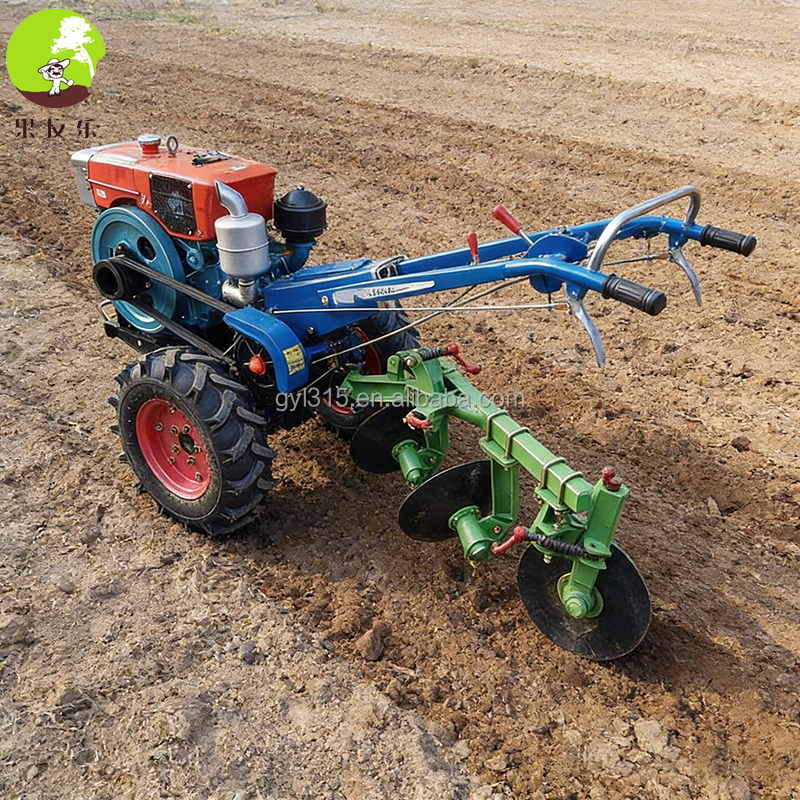
To make an informed decision when purchasing a ploughing machine walking tractor in Guangzhou, consider the following technical and operational criteria:
Engine Power (HP)
Choose between 8–15 HP depending on soil type. Sandy soils may require only 8 HP, while dense clay or compacted fields benefit from 12+ HP units.
Fuel Type
Diesel remains dominant due to fuel availability, lower running costs, and engine longevity. Some newer models support biodiesel blends, aligning with sustainability goals.
Tilling Width and Depth
Standard widths range from 60–100 cm. Wider units increase efficiency but reduce maneuverability. Depth adjustment up to 30 cm ensures flexibility for deep-rooted crops.
Transmission System
Gear-driven transmissions are more robust than belt-driven systems, especially under continuous load. Look for at least three forward and one reverse gear.
Weight and Frame Material
Heavier frames (above 80 kg) provide better traction but require more strength to operate. Galvanized or powder-coated steel resists rust in Guangzhou’s humid climate.
Attachment Compatibility
Verify whether the model supports quick-connect systems for common implements like seed drills or ridgers, which enhances long-term utility.
Pros and Cons
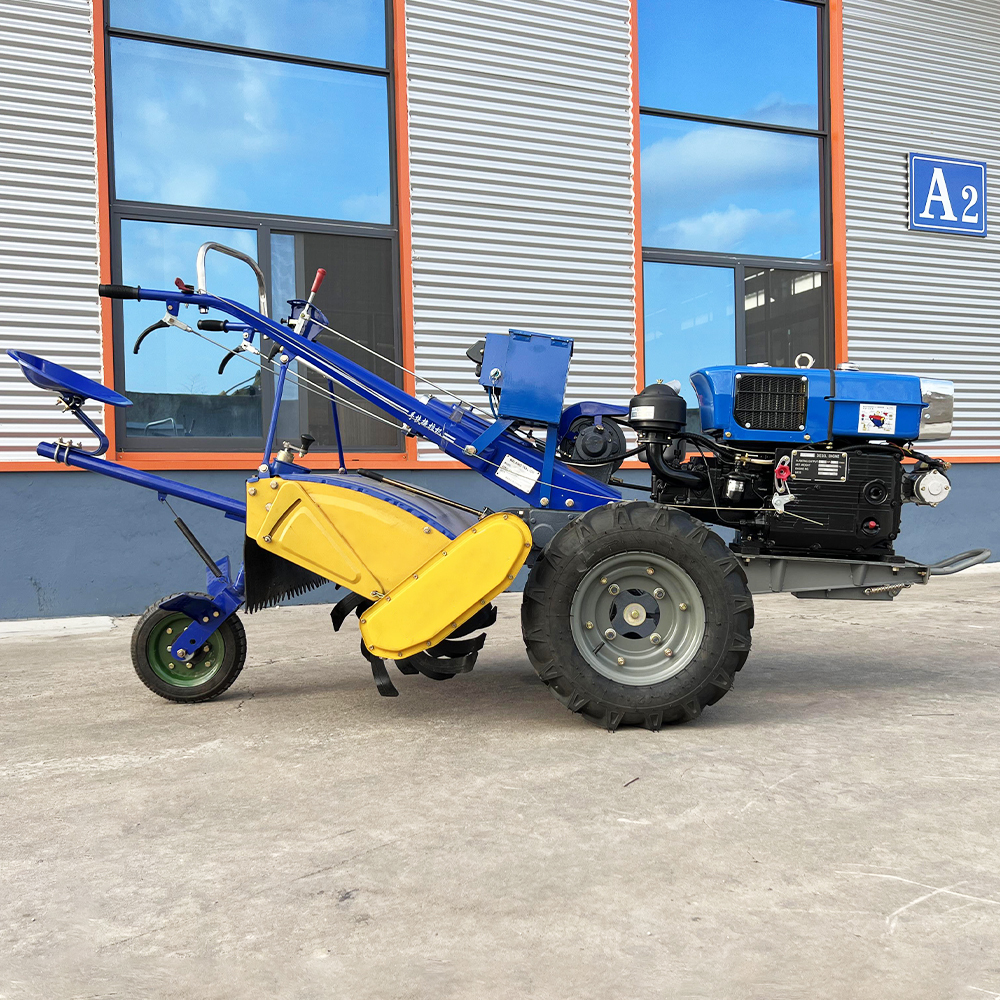
Advantages
- Cost-effective: Significantly cheaper than ride-on tractors.
- Maneuverable: Ideal for small, irregularly shaped plots common around Guangzhou’s urban fringes.
- Low maintenance: Simple mechanical systems enable local repairs.
- Fuel-efficient: Consumes approximately 1–2 liters per hour under normal load.
Disadvantages
- Labor-intensive: Requires physical effort to guide, especially on slopes or hard soils.
- Limited speed: Average working speed is 1–2 km/h.
- No shelter: Operators exposed to sun, rain, and dust.
- Vibration exposure: Prolonged use may lead to operator fatigue or health concerns if not properly maintained.
How to Choose a Ploughing Machine Walking Tractor in Guangzhou
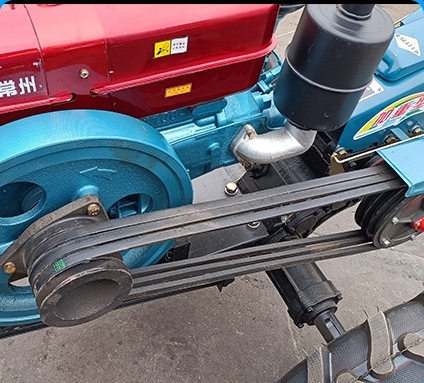
Selecting the right model involves a step-by-step evaluation based on your farm’s unique requirements:
- Assess Your Land Size and Soil Type: For plots under 1 hectare with soft to medium soil, an 8–10 HP model suffices. Larger or harder soils need 12–15 HP.
- Determine Primary Use: If you mainly plough, choose a standard rotary tiller. For diversified operations, opt for a multi-purpose model with PTO.
- Test Operation: Whenever possible, test-drive the unit. Check ease of starting, steering responsiveness, and vibration levels.
- Inspect Build Quality: Examine weld points, tire tread, gearbox seals, and paint finish. Rust spots or loose bolts indicate poor manufacturing.
- Evaluate After-Sales Support: Confirm availability of spare parts and service centers in Guangdong. Brands like Jiangling, YTO, and Xinlongtai have established networks.
- Avoid Red Flags: Be cautious of unusually low prices, lack of documentation, non-standard engine brands, or sellers unwilling to demonstrate the machine.
Price & Market Insights
In Guangzhou, prices for new ploughing machine walking tractors vary significantly based on brand, power, and features:
- Budget Tier ($400–$700): Entry-level models with 6–8 HP engines, basic transmission, and limited warranty. Suitable for occasional use.
- Middle Tier ($700–$1,200): Reliable performance with 9–12 HP diesel engines, better build quality, and wider implement compatibility. Best value for most small farmers.
- Premium Tier ($1,200–$2,000): High-end models with advanced gearboxes, ergonomic handles, extended warranties, and OEM certifications. Recommended for commercial operations.
Used units can be found for $300–$600 but require thorough inspection. Always verify usage history and engine condition before purchase.
| Model Type | Engine HP | Price Range (USD) | Best For |
|---|---|---|---|
| Standard Rotary Tiller | 8–10 | $500–$800 | Small vegetable farms |
| Multi-Purpose w/ PTO | 11–14 | $900–$1,400 | Commercial growers |
| Mini Lightweight | 6–7 | $400–$600 | Home gardens, greenhouses |
Top-Seller & Competitive Analysis
Among the best-selling models in Guangzhou are the YTO NTK-12 and Jiangling JL188F. Both offer 12 HP diesel engines, dual-speed gearboxes, and strong dealer support.
The YTO model stands out for its smooth clutch engagement and wide tilling width (90 cm), making it popular among contract tillers. The Jiangling version is praised for its rugged frame and ease of repair, though some users report stiffer controls.
Newer entrants like the Xinlongtai XLT-15 provide enhanced ergonomics and optional electric start, appealing to younger operators. However, long-term reliability data is still limited compared to established brands.
Customer Feedback Synthesis
Analysis of buyer reviews from e-commerce platforms and agricultural forums reveals consistent themes:
Common Praises:- "Reduces ploughing time from days to hours."
- "Easy to maintain using local mechanics."
- "Works well in wet paddy conditions after rain."
- "Vibrations cause hand numbness after 2 hours of use."
- "Some cheap models stall frequently in thick weeds."
- "Spare parts for lesser-known brands take weeks to arrive."
Overall satisfaction correlates strongly with engine quality and after-sales service, not just upfront price.
Sourcing & Supplier Tips
In Guangzhou, walking tractors are available through:
- Agricultural machinery markets: Such as Baiyun District Farm Equipment Market, offering hands-on testing and negotiation.
- Online B2B platforms: Alibaba and Made-in-China list numerous manufacturers from Guangdong and nearby provinces. Ensure suppliers provide export documentation and product certifications.
- Authorized dealers: Offer warranties, training, and service contracts—worth the slight premium.
For bulk purchases (5+ units), request factory inspections and batch testing. When importing, confirm compliance with destination country emissions and safety standards. Upon delivery, conduct a full functional check: engine start, gear shifting, tilling action, and brake response.
Maintenance, Safety & Legal Considerations
Proper upkeep extends machine life and prevents accidents:
- Regular oil changes: Every 100 operating hours or seasonally.
- Check bolts and belts: Tighten weekly during peak use.
- Clean air filter: Monthly, more often in dusty conditions.
- Store indoors: Prevent moisture buildup in Guangzhou’s rainy season.
Safety practices include wearing gloves, eye protection, and sturdy footwear. Never operate on steep slopes (>15°) without rollover protection. Keep bystanders, especially children, at a safe distance during operation.
While no national licensing is required for walking tractors in China, local regulations may apply for commercial use or road transport. Verify rules with Guangzhou’s Agriculture and Rural Affairs Bureau before public transit.
Conclusion
Choosing the right ploughing machine walking tractor in Guangzhou depends on matching machine specifications to your farm size, soil conditions, and intended uses. Mid-range 10–12 HP diesel models from reputable brands offer the best balance of performance, durability, and value. Prioritize ease of maintenance, attachment compatibility, and supplier reliability over minor price differences. By focusing on proven designs suited to southern China’s climate and farming patterns, buyers can significantly enhance productivity while minimizing long-term ownership costs.
FAQs
Q: Can a walking tractor be used in flooded rice paddies?
A: Yes, provided it has sufficient ground clearance and a waterproof ignition system. Many models sold in Guangzhou are designed specifically for paddy use.
Q: How often should I service my ploughing machine walking tractor?
A: Perform basic checks before each use. Change engine oil every 100 hours or once per season. Inspect belts, bearings, and tines monthly.
Q: Are there electric walking tractors available in Guangzhou?
A: Limited options exist, mostly for small garden use. Battery life and power output remain constraints for field ploughing; diesel models dominate the market.
Q: What should I do if my walking tractor won’t start?
A: Check fuel flow, clean the air filter, inspect spark plug (if gasoline), and ensure the choke is set correctly. For diesel units, bleed the fuel line if air is trapped.
Q: Is it safe to modify a walking tractor with custom attachments?
A: Only if modifications maintain structural integrity and do not interfere with safety guards or engine cooling. Consult the manufacturer before altering OEM configurations.




 浙公网安备
33010002000092号
 浙B2-20120091-4