
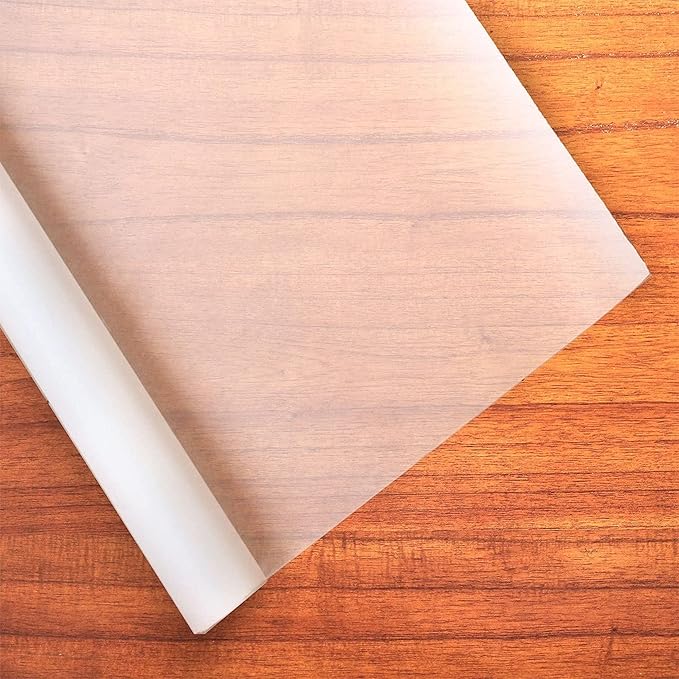
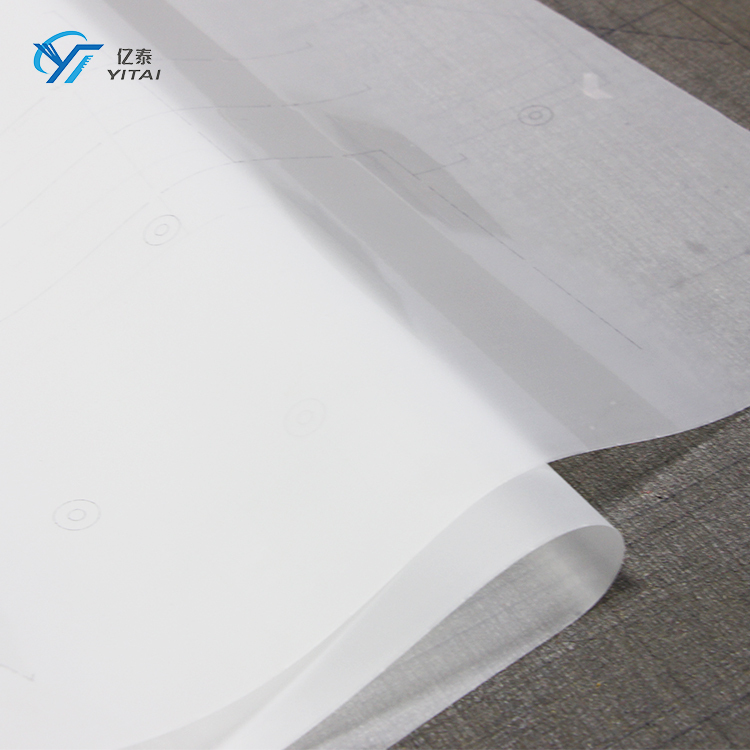
When learning how to choose pattern drafting paper, prioritize heavyweight, translucent paper with smooth texture and tear resistance—like Swedish tracing paper or manila pattern paper—for precise, reusable templates. The best option depends on your project type: lightweight papers suit quick mockups, while durable options like oak tag or synthetic blends last through multiple fittings. Key factors include grain direction visibility, pencil/pen compatibility, and ease of cutting 1. Always test a sample before bulk purchases.
About Pattern Drafting Paper
Pattern drafting paper is a specialized material used in fashion design, tailoring, and home sewing to create custom garment patterns from measurements or existing designs. Unlike standard printer paper, it's engineered for durability, translucency, and precision marking. Designers use it to draft original patterns, adjust commercial ones, or make full-scale blueprints before cutting fabric.
Common applications include making muslins (test garments), altering ready-made patterns, draping designs directly on a dress form, and grading sizes up or down. Because these tasks require accuracy and repeated handling, the paper must withstand pinning, tracing, folding, and minor adjustments without tearing or losing shape.
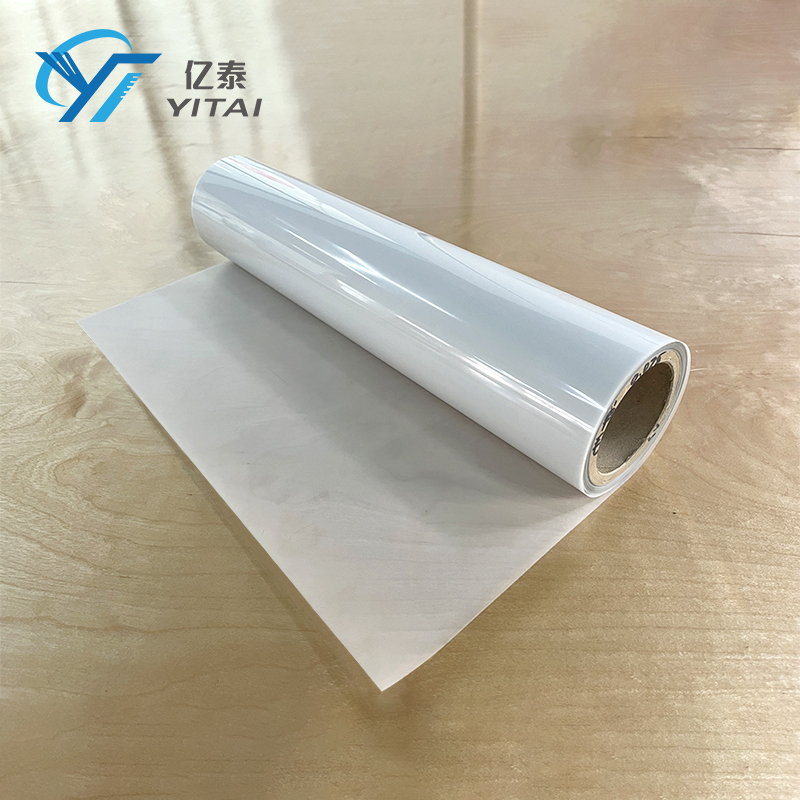
The term 'pattern paper' can refer to several materials—from traditional brown kraft-based sheets to modern synthetic alternatives. What sets them apart from regular paper is their ability to hold creases, resist fraying when cut, and allow clear visibility of lines beneath during tracing.
Why Pattern Drafting Paper Is Gaining Popularity
In recent years, interest in custom clothing and sustainable fashion has driven more sewists toward self-drafting techniques. With rising awareness of fit issues in mass-produced apparel, individuals are turning to personalized sizing using methods taught in online courses, YouTube tutorials, and independent pattern-making communities.
This shift has increased demand for reliable pattern making supplies, especially materials that support iterative design. Home sewers now value reusability and precision, leading many to move beyond tissue paper patterns included in commercial kits. According to industry trends, sales of specialty sewing papers have grown alongside DIY fashion workshops and slow fashion movements 2.
Additionally, educators and professional designers emphasize the importance of proper materials in teaching foundational skills. Using subpar paper can lead to inaccurate drafts, wasted time, and frustration—especially for beginners. As a result, both hobbyists and professionals seek out high-performance options tailored to specific workflows.
Types and Variants
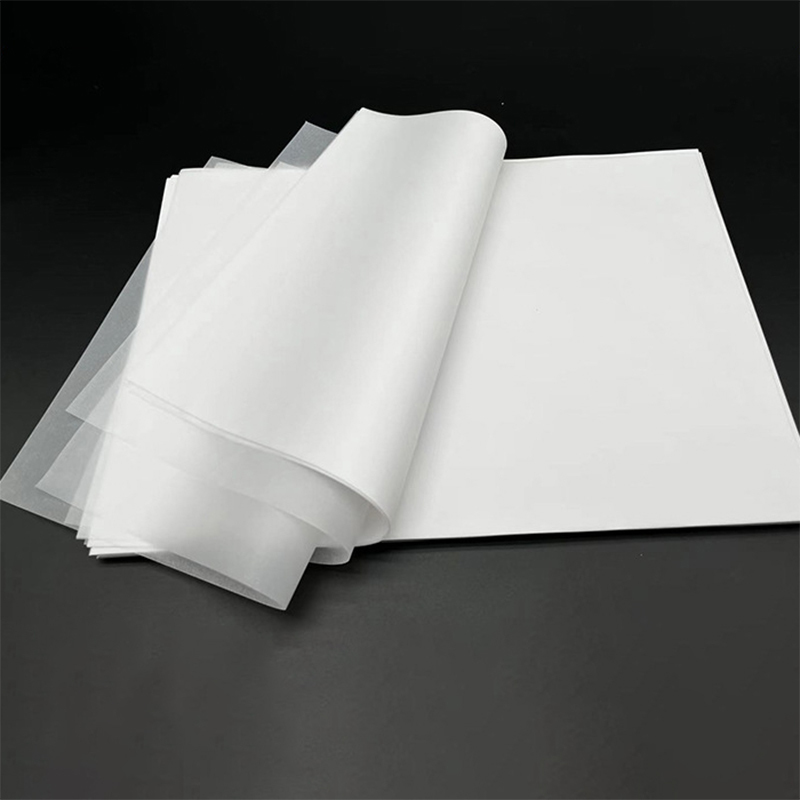
Different projects call for different kinds of pattern drafting paper. Below are the most common types available today:
1. Swedish Tracing Paper
- Pros: Highly translucent, strong despite thinness, resists tearing under pins, accepts pencil and pen well.
- Cons: Expensive per square foot, may wrinkle if stored improperly.
- Best for: Final patterns requiring frequent tracing and adjustments.
2. Manila Pattern Paper
- Pros: Affordable, moderately durable, easy to write on, widely available.
- Cons: Less transparent than Swedish paper, prone to edge wear over time.
- Best for: Intermediate drafts and classroom use.
3. Oak Tag / Cardstock
- Pros: Stiff and long-lasting, excellent for master patterns needing structure.
- Cons: Not easily foldable, harder to cut precisely, limited transparency.
- Best for: Stable base templates stored long-term.
4. Synthetic Drafting Films (e.g., Tyvek, Mylar)
- Pros: Waterproof, extremely durable, resistant to oils and solvents.
- Cons: Difficult to mark permanently, slippery surface, higher environmental impact.
- Best for: Industrial settings or humid environments where moisture is a concern.
5. Kraft Drafting Paper
- Pros: Low cost, recyclable, good grain alignment, easy to cut.
- Cons: Low tear strength, poor reusability, minimal translucency.
- Best for: One-time mockups or beginner practice sessions.
Key Features and Specifications to Evaluate
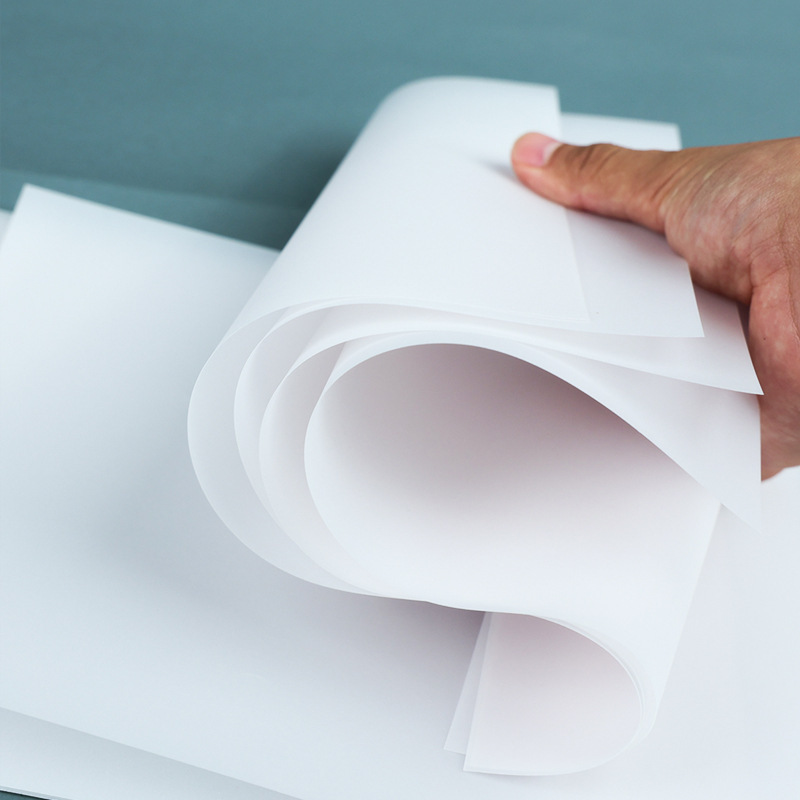
To determine which pattern drafting paper suits your needs, assess the following characteristics:
- Weight (GSM): Measured in grams per square meter. Opt for 80–120 GSM for balance between durability and flexibility. Papers below 70 GSM tear easily; above 140 GSM may be too stiff for detailed work.
- Translucency: Essential for tracing existing patterns. Hold a sheet up to light to check clarity. Swedish tracing paper typically offers the highest visibility.
- Surface Texture: Smooth surfaces accept fine pencil lines and erasures without pilling. Avoid overly rough textures that hinder marking accuracy.
- Tear Resistance: Look for cross-directional strength. Some papers tear cleanly along the grain but fail across it.
- Pencil & Ink Adhesion: Test whether graphite smudges or ink bleeds. A matte finish generally performs better than glossy coatings.
- Grain Visibility: Pre-marked grid lines or subtle grain indicators help align darts, seams, and notches accurately.
- Environmental Stability: Papers should remain flat in varying humidity. Curling compromises measurement integrity.
Pros and Cons of Using Specialized Pattern Paper
While dedicated drafting materials offer advantages, they aren’t always necessary.
Advantages:
- Improved accuracy due to consistent thickness and stability
- Reusable templates reduce waste and save time
- Better performance under pins, scissors, and tracing wheels
- Supports professional-grade documentation and grading
Disadvantages:
- Higher upfront cost compared to printer paper
- Storage requirements—large sheets need flat space or tubes
- Limited availability in some regions
- Some types require special tools (e.g., non-smudging pens)
Specialty paper is ideal for serious sewists, teachers, or small studios. Casual crafters doing occasional alterations might find standard butcher paper or recycled packaging sufficient.
How to Choose Pattern Drafting Paper
Follow this step-by-step guide to select the right product:
- Define Your Use Case: Are you creating one-off prototypes or archiving master patterns? Light-duty uses favor economy papers; heavy reuse demands durability.
- Check Transparency Needs: If tracing over existing patterns frequently, choose highly translucent options like Swedish paper.
- Evaluate Marking Tools: Ensure compatibility with your preferred pencils, markers, or chalk. Some synthetics repel standard graphite.
- Assess Cutting Ease: Use a rotary cutter or scissors? Softer papers cut cleaner but may fray; stiffer ones resist fraying but dull blades faster.
- Test Sample Swatches: Order small samples before buying large rolls. Check how it handles folding, pinning, and erasing.
- Consider Storage: Will you roll or store flat? Thicker papers may require protective tubes to prevent warping.
- Avoid Overbuying: Watch for deals, but don’t stockpile untested brands. Performance varies significantly between manufacturers.
Red flags to avoid: papers that yellow quickly, lack grain indicators, or show inconsistent thickness. Also steer clear of products labeled as “art paper” unless verified for sewing use—many lack the mechanical strength needed.
Price & Market Insights
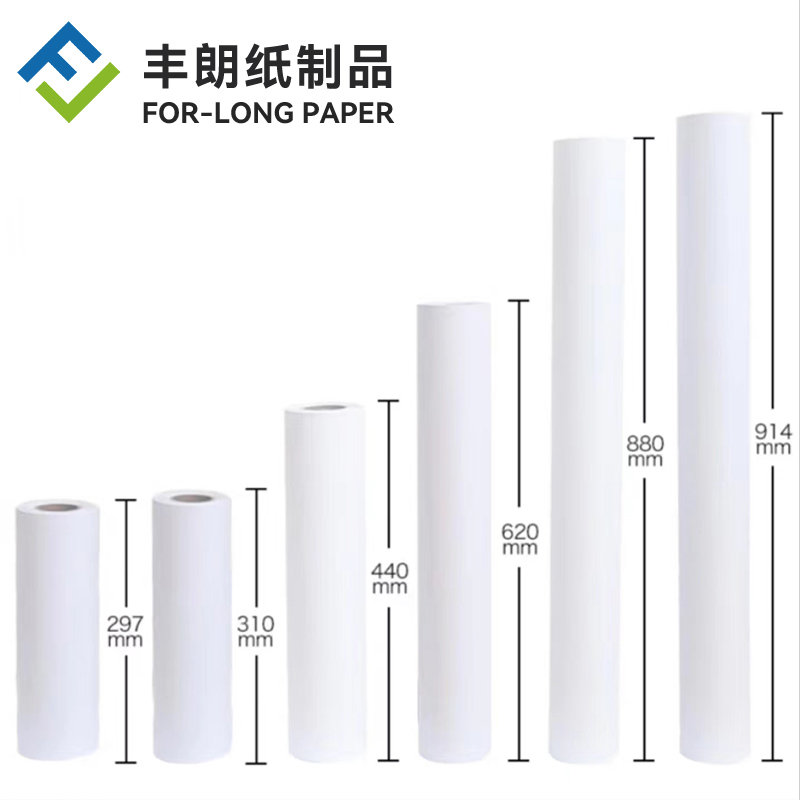
Pricing varies widely based on material, origin, and format (sheets vs. rolls). Here’s a general breakdown:
- Kraft & Manila Papers: $0.10–$0.30 per sq ft — budget-friendly for students and classrooms.
- Swedish Tracing Paper: $0.60–$1.20 per sq ft — premium choice with longest lifespan.
- Synthetic Films: $1.00–$2.00+ per sq ft — niche industrial use, rarely cost-effective for home sewers.
Rolls typically offer lower unit costs than pre-cut sheets, especially for users drafting full-length garments regularly. However, shipping fees can offset savings, particularly for international orders. Buying locally may add convenience despite slightly higher prices.
For best value, consider mid-weight manila or kraft papers for drafting iterations, reserving Swedish paper only for final versions. This hybrid approach balances cost and quality effectively.
| Type | Avg. Price/sq ft | Reusability | Transparency | Best For |
|---|---|---|---|---|
| Swedish Tracing | $0.90 | High (5+ uses) | Excellent | Final patterns, tracing |
| Manila Paper | $0.20 | Moderate (2–3 uses) | Fair | Intermediate drafts |
| Oak Tag | $0.25 | High (structural) | Poor | Master templates |
| Kraft Paper | $0.15 | Low (1 use) | Poor | Mockups, practice |
Top-Seller & Competitive Analysis
Leading brands include Gardner-White, Timberline, and Alvon, each offering distinct formulations. Gardner-White’s Swedish tracing paper is praised for its strength-to-thinness ratio, though some users report variability in batch consistency. Timberline’s manila paper is popular among educators for its affordability and uniform sizing.
When comparing top sellers, examine customer reviews focusing on real-world durability—not just initial feel. Look for mentions of edge integrity after multiple uses, resistance to pinholes, and how well the paper holds registration marks over time.
Be cautious of generic “pattern paper” listings on major marketplaces. Many are repackaged craft or drawing paper unsuitable for rigorous sewing tasks. Always verify fiber content and intended use in product descriptions.
Customer Feedback Synthesis
Analysis of hundreds of verified buyer reviews reveals consistent themes:
Common Praises:
- “Lasts through three fittings without tearing”
- “Easy to see through when tracing complex curves”
- “Stays flat even after being folded once”
- “Takes pencil marks cleanly and erases without damage”
Recurring Complaints:
- “Edges started fraying after second use”
- “Too thick to cut smoothly with a small pair of scissors”
- “Yellowed within weeks of storage”
- “No visible grain line—hard to orient correctly”
These insights highlight the importance of material consistency and thoughtful design features like grain indicators and balanced weight.
Sourcing & Supplier Tips
Reliable sources include specialty sewing supply stores, fabric wholesalers, and direct-from-manufacturer websites. Independent retailers often provide sample packs, allowing evaluation before committing to large quantities.
For bulk buyers or instructors, consider negotiating with distributors for educational discounts. Some suppliers offer drop-shipping for small businesses selling pattern kits.
Always inspect shipments upon arrival: check for water damage, creasing, or misalignment in roll winding. Store paper flat or vertically in low-humidity areas to maintain integrity. Avoid plastic wrapping for long-term storage, as trapped moisture can promote mildew.
Maintenance, Safety & Legal Considerations
No significant safety hazards are associated with standard pattern drafting paper. However, ensure adequate ventilation when using solvent-based markers or adhesives during transfers.
Certain synthetic films may release fumes if burned—dispose of responsibly according to local regulations. Most papers are recyclable unless laminated or coated.
From a legal standpoint, patterns created on any paper type are subject to copyright law if derived from protected designs. Always confirm licensing rights before reproducing commercial patterns or selling derivative works.
Conclusion
Selecting the right pattern drafting paper hinges on matching material properties to your workflow. For accurate, long-lasting results, invest in high-quality Swedish tracing paper for final templates and use economical manila or kraft sheets for preliminary drafts. Prioritize translucency, tear resistance, and surface compatibility with your tools. By testing samples and understanding key specs like GSM and grain orientation, you can avoid costly mistakes and improve drafting efficiency. Whether you're a student, tailor, or home crafter, choosing wisely enhances both precision and sustainability in garment creation.
FAQs
What is the best paper for reusable sewing patterns?
Swedish tracing paper is widely considered the best due to its durability, clarity, and resistance to tearing—even after multiple uses.
Can I use printer paper for pattern drafting?
Printer paper is too thin and tears easily under pins and cutting. It lacks the stability needed for accurate, repeatable patterns.
How do I store pattern drafting paper long-term?
Store sheets flat in a dry, cool place away from sunlight. Rolls should be kept upright or horizontally supported to prevent curling.
Is there a difference between pattern paper and tracing paper?
Yes. Standard tracing paper is fragile and not designed for sewing tasks. Pattern drafting paper is stronger, often with reinforced fibers for pinning and cutting.
Does pattern paper have a grain direction?
Yes, most quality pattern papers have a machine direction (grain) affecting drape and stretch. Align it properly with your fabric’s grain for accurate scaling.





 浙公网安备
33010002000092号
浙公网安备
33010002000092号 浙B2-20120091-4