
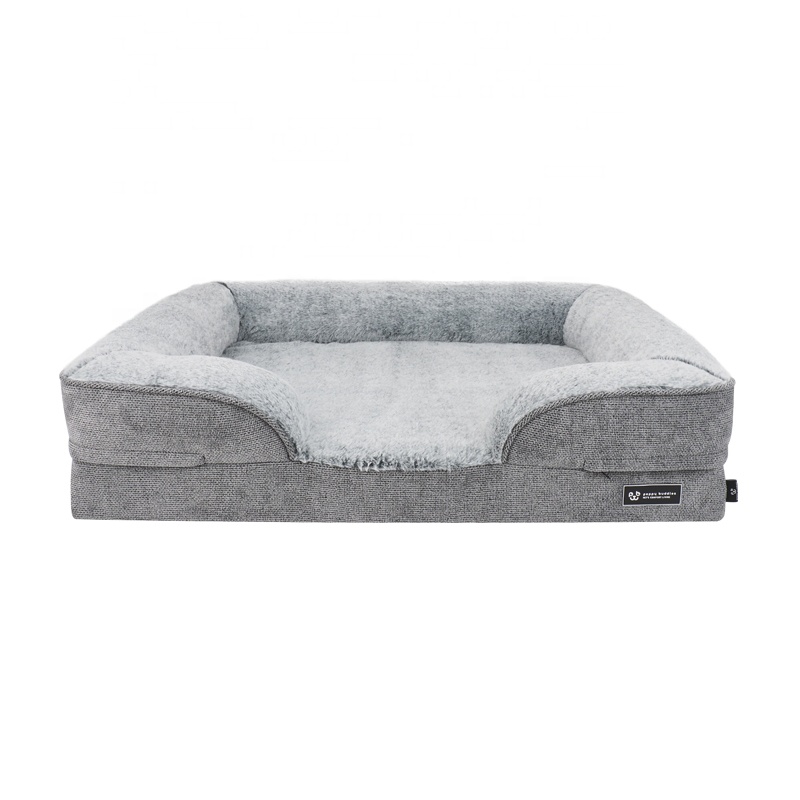
When selecting the best orthopedic dog bed for your pet, prioritize high-density memory foam (at least 2–4 lbs per cubic foot) and a supportive base that prevents sagging over time 1. Look for waterproof liners, removable machine-washable covers, and non-slip bottoms—especially if your dog has arthritis or mobility issues. The ideal orthopedic dog bed for large dogs with hip dysplasia should offer deep compression support and sufficient surface area for full-body rest. For senior dogs or breeds prone to joint problems like German Shepherds or Labradors, a firm yet pressure-relieving foam core is essential 2. Avoid beds with thin padding or low rebound foam, as these fail to deliver true orthopedic benefits.
About Orthopedic Dog Beds
An orthopedic dog bed is specifically designed to provide superior joint and muscle support using high-quality memory foam or medical-grade foam layers. Unlike standard pet beds filled with polyester fiber or low-density padding, orthopedic models are engineered to evenly distribute body weight, reduce pressure points, and improve circulation during rest 3.
These beds are most commonly used for aging dogs, large breeds, or animals recovering from surgery or injury. They can also benefit younger dogs predisposed to hip dysplasia or other musculoskeletal conditions. Typical use cases include indoor resting areas, crates, and elevated platforms where consistent spinal alignment is crucial for long-term comfort.
Why Orthopedic Dog Beds Are Gaining Popularity
The rising demand for orthopedic dog beds reflects growing awareness among pet owners about canine joint health and age-related mobility decline. According to the American Kennel Club, over 20% of dogs suffer from some form of arthritis, many undiagnosed until symptoms worsen 4. As pets live longer due to improved veterinary care, owners seek preventive solutions to maintain quality of life.
In addition, social media and online reviews have amplified real-user experiences, showing visible improvements in mobility and sleep patterns after switching to supportive bedding. Veterinarians increasingly recommend orthopedic beds as part of conservative management plans for osteoarthritis and post-operative recovery 5.
Types and Variants of Orthopedic Dog Beds
Different designs cater to various sleeping habits, sizes, and health needs. Understanding these types helps match the bed to your dog’s specific requirements.
1. Flat Memory Foam Beds
These resemble human mattress toppers and feature a single layer of dense foam encased in fabric. Ideal for dogs who prefer lying flat rather than curling up.
- Pros: Uniform support, easy to clean, fits well in crates
- Cons: Minimal bolsters; may lack head/neck support
2. Bolster Beds with Orthopedic Core
Equipped with raised edges made from supportive foam, these provide a sense of security and allow dogs to rest their heads comfortably.
- Pros: Offers head and neck support; good for anxious or older dogs
- Cons: May be too warm in hot climates; bulkier design
3. Donut/Cuddler Beds with Foam Base
Circular beds with padded walls that encourage curled sleeping positions. Often used by small to medium breeds.
- Pros: Cozy feel; excellent for dogs that like to burrow
- Cons: Limited space for larger dogs; wall support may degrade faster
4. Elevated Orthopedic Beds
Fabric stretched over a metal or plastic frame, raised off the ground. Some incorporate foam pads underneath.
- Pros: Promotes airflow; keeps dog cool; durable outdoor option
- Cons: Less cushioning; not suitable for dogs with severe joint pain
5. Heated Orthopedic Beds
Include low-voltage heating elements to soothe stiff muscles and improve blood flow, especially beneficial in cold environments.
- Pros: Enhances therapeutic effect; useful in winter months
- Cons: Requires electrical outlet; safety concerns if chewed or overheated
Key Features and Specifications to Evaluate
To ensure you're getting a truly functional orthopedic bed, assess the following criteria carefully:
Foam Density and Quality
The cornerstone of any orthopedic bed is its foam density, measured in pounds per cubic foot (PCF). Opt for 2–4 PCF for optimal durability and support. Lower than 2 PCF indicates poor resilience and rapid compression 6.
Thickness
Beds should be at least 3–4 inches thick for medium to large dogs. Thicker beds (5+ inches) are recommended for dogs over 70 lbs or those with advanced arthritis.
Waterproof and Removable Cover
A machine-washable, zip-off cover with a waterproof inner liner protects the foam from spills, accidents, and bacteria buildup. Look for hypoallergenic, odor-resistant fabrics like microfiber or nylon blends.
Non-Slip Bottom
Rubberized or grippy undersides prevent sliding on hardwood or tile floors, reducing fall risks for unsteady dogs.
Size Relative to Dog
Measure your dog from nose to tail and add 6–12 inches. Large breeds need XL or XXL options to stretch fully without hanging off edges.
Edge Support and Durability
Bolstered edges should retain shape after repeated use. Reinforced stitching and double-layer seams enhance longevity.
Pros and Cons: When Is an Orthopedic Dog Bed Right?
Advantages
- Reduces joint stress and improves mobility in arthritic dogs
- Prolongs restful sleep by minimizing discomfort
- Helps prevent pressure sores in immobile or senior pets
- Supports proper spine alignment, especially in large breeds
- May reduce reliance on pain medication when used consistently
Limits and Drawbacks
- Higher upfront cost compared to regular dog beds
- Heavier and less portable due to dense materials
- Some dogs resist transitioning from soft, plush beds
- Not all 'memory foam' labeled beds meet orthopedic standards — verify foam specs
- May retain heat unless ventilated or gel-infused
How to Choose an Orthopedic Dog Bed: Step-by-Step Guide
- Assess Your Dog’s Needs: Consider age, weight, breed, and existing health conditions. Senior dogs or those with hip dysplasia require maximum support.
- Check Foam Specifications: Confirm density (≥2 PCF), thickness (≥3”), and whether it’s CertiPUR-US® certified for low emissions 7.
- Select the Correct Size: Ensure your dog can lie flat without limbs dangling. Use manufacturer size charts but cross-check with actual measurements.
- Evaluate Cover Functionality: Prioritize removable, washable, and waterproof covers with secure zippers.
- Look for Safety Features: Non-slip base, chew-resistant seams, and absence of toxic dyes or adhesives.
- Review Return Policy: Since comfort is subjective, buy from retailers offering at least a 30-day trial period.
- Avoid Red Flags: Be wary of vague claims like “therapeutic foam” without technical details, extremely low prices (<$30 for large sizes), or missing customer reviews.
Price & Market Insights
Orthopedic dog beds typically range from $40 to $180, depending on size, foam quality, and brand reputation.
- Budget Tier ($40–$70): Entry-level options with moderate foam density (2–2.5 PCF); suitable for small to medium dogs with mild stiffness.
- Mid-Range ($70–$120): Most popular segment. Includes high-density foam (3–4 PCF), durable covers, and better ergonomics. Brands like Big Barker and Furhaven dominate here 8.
- Premium ($120+): Medical-grade foam, dual-layer construction, cooling gels, or heated elements. Often veterinarian-recommended models designed for severe joint disease.
Value isn’t solely determined by price—compare foam specs per dollar spent. A $90 bed with 4 PCF foam often outperforms a $130 model with inflated marketing but lower material quality.
| Model | Foam Density | Thickness | Washable Cover | Price Range |
|---|---|---|---|---|
| Furhaven Plush & Gel Foam | 3.5 PCF | 4 inches | Yes | $75–$100 |
| Big Barker 7-Core | 4.0 PCF | 7 inches | Yes | $150–$200 |
| K&H Pet Products Cool Bed III | N/A (self-cooling polypropylene) | 2 inches | No | $60–$80 |
| PetFusion Ultimate Dog Bed | 3.0 PCF + cooling gel | 4 inches | Yes | $110–$140 |
Customer Feedback Synthesis
Analysis of thousands of verified buyer reviews across major retailers reveals recurring themes:
Common Praises
- Dramatic improvement in morning mobility, especially in older dogs
- Easy to clean covers that withstand frequent washing
- Durable foam that maintains shape after 6+ months of daily use
- Noticeable reduction in whimpering or shifting during sleep
Frequent Complaints
- Some large beds arrive vacuum-compressed and take 48–72 hours to fully expand
- Zippers breaking after several washes, particularly on budget models
- Overheating in non-breathable covers, especially in summer
- Misleading product photos showing fluffier appearance than reality
- Difficulty returning oversized items due to shipping costs
Sourcing & Supplier Tips
For individual buyers, purchase from established pet specialty retailers (e.g., Chewy, Petco) or direct from reputable brands to ensure authenticity and access to warranties. Check return policies, especially for compressed-in-box deliveries.
If sourcing in bulk—for shelters, breeders, or resale—contact manufacturers directly for wholesale pricing. Request foam certification documents and sample units before placing large orders. Inspect seam strength, zipper quality, and odor levels upon delivery, as off-gassing can indicate substandard foams.
Maintenance, Safety & Legal Considerations
To extend lifespan, wash the cover every 1–2 weeks and spot-clean the foam with mild detergent. Never immerse foam in water. Allow wet components to air dry completely to prevent mold.
Safety tips:
- Supervise dogs prone to chewing—ingesting foam pieces can cause intestinal blockages
- Use heated beds only under supervision and avoid with puppies or heat-sensitive breeds
- Ensure electrical cords (if applicable) are inaccessible and UL-listed
In the U.S., foam used in pet beds should comply with CPSC guidelines and ideally carry CertiPUR-US® certification for content and emissions 9. While not legally mandated for pet products, this provides assurance of safer materials.
Conclusion
Choosing the right orthopedic dog bed involves balancing foam quality, size, durability, and practical features like washability and non-slip bases. High-density memory foam (minimum 2–4 PCF), adequate thickness, and a well-fitted design are critical for delivering real joint support. While more expensive than standard beds, orthopedic models offer measurable benefits for dogs with arthritis, hip dysplasia, or age-related stiffness. Focus on verified material specifications rather than branding or aesthetics. By following a structured evaluation process—assessing needs, comparing key specs, and reviewing return policies—you can make an informed decision that enhances your dog’s comfort and long-term mobility.
FAQs
- How do I know if my dog needs an orthopedic dog bed?
- If your dog shows signs of stiffness, reluctance to jump, limping after rest, or difficulty standing up, especially if they’re over 7 years old or a large breed, an orthopedic bed may help improve comfort and joint function.
- Can puppies use orthopedic dog beds?
- Generally, yes—but only if needed for congenital joint issues. Healthy puppies don’t require firm support; overly rigid beds may interfere with natural development. Consult your vet before use.
- How long does an orthopedic dog bed last?
- With proper care, high-quality orthopedic beds last 3–5 years. Lower-density foams may compress within 1–2 years. Replace the bed if it sags noticeably or loses rebound resilience.
- Do orthopedic dog beds help with hip dysplasia?
- Yes. While they don’t cure hip dysplasia, they alleviate pressure on affected joints, promote better sleep, and support overall mobility, which is crucial in managing the condition.
- Are gel-infused memory foam beds better than regular memory foam?
- Gel infusion helps dissipate heat, making the bed cooler—a benefit for dogs that overheat. However, support depends primarily on foam density, not gel content. Choose gel versions if temperature regulation is a concern.




 浙公网安备
33010002000092号
 浙B2-20120091-4