
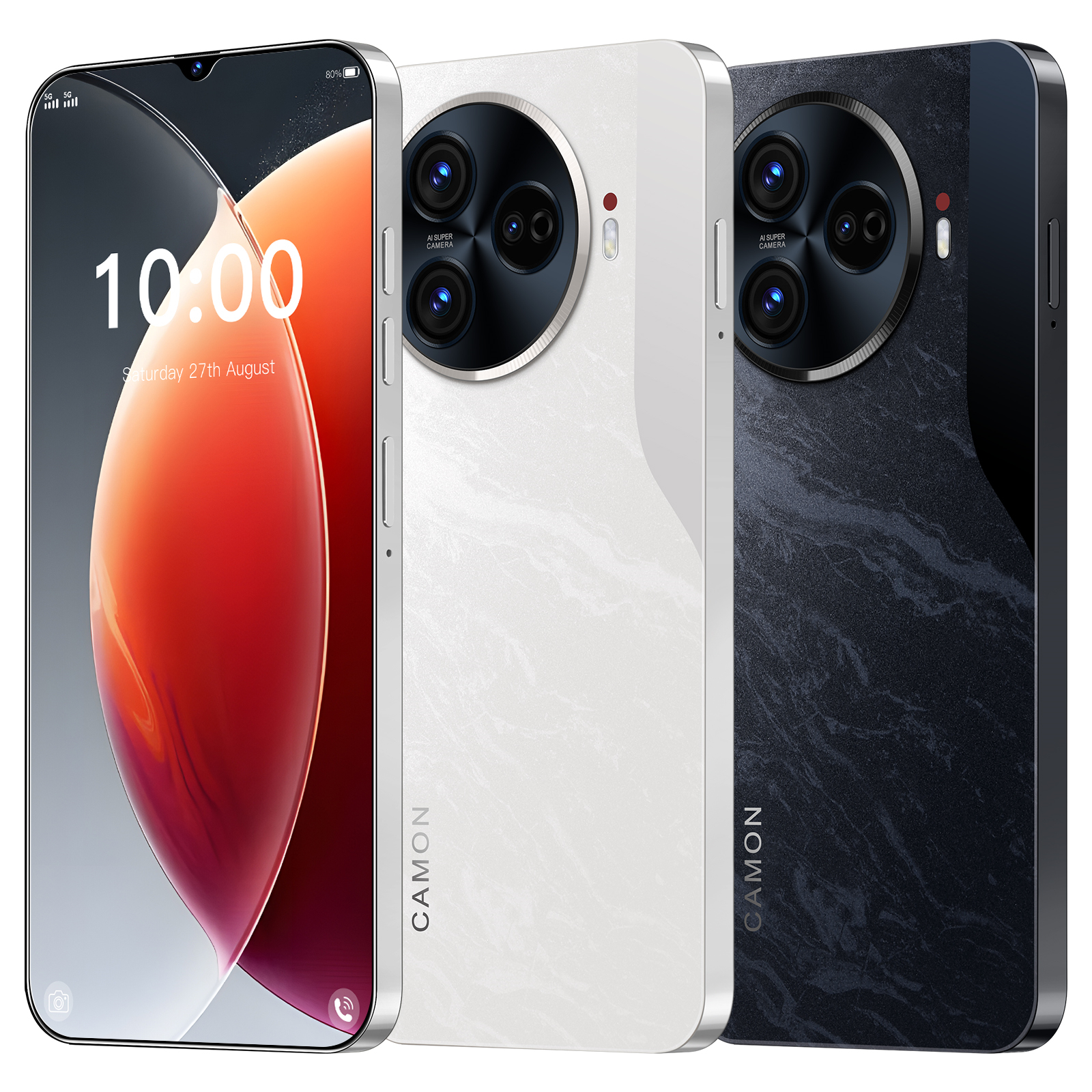
When you're looking to buy an original mobile phone, your best bet is to prioritize factory-sealed devices from authorized sellers that match exact manufacturer specifications 1. A genuine original mobile phone ensures long-term reliability, full software support, and access to warranty services—critical factors often missing in refurbished or counterfeit models. If you’re asking how to choose an original mobile phone, start by verifying IMEI authenticity, confirming box contents, and purchasing through certified retailers to avoid scams 2. This guide breaks down every essential factor—from specs to sourcing—so you can confidently select a device that meets performance, safety, and value expectations.
About Original Mobile Phone
An original mobile phone refers to a brand-new, factory-manufactured smartphone sold directly by the maker or through authorized distribution channels. These devices have not been previously used, repaired, or altered and come with complete packaging, accessories, and valid warranties 3. Unlike second-hand, cloned, or reconditioned units, original phones run on unmodified firmware and are registered under the manufacturer’s global database.
Typical use cases include daily communication, mobile banking, remote work, photography, streaming, and app-based productivity tools. Because they adhere strictly to design and engineering standards, original mobile phones deliver consistent performance, security updates, and compatibility with modern networks like 5G and Wi-Fi 6 4.
Why Original Mobile Phones Are Gaining Popularity
Consumers increasingly favor original mobile phones due to rising concerns over data privacy, device longevity, and digital security. With cyber threats becoming more sophisticated, having a clean OS installation and verified hardware reduces risks of malware or backdoors common in gray-market clones 5.
Additionally, original devices maintain higher resale value and receive timely software updates—some brands offering up to five years of OS and security patches 6. As more people rely on smartphones for financial transactions and identity verification, owning a verifiably authentic device has become a practical necessity rather than just a preference.
Types and Variants of Original Mobile Phones
Original mobile phones come in various configurations based on brand, operating system, price tier, and regional availability. Understanding these types helps narrow down choices according to personal needs.
Flagship Models
These represent the top-tier offerings from manufacturers such as Apple (iPhone Pro series), Samsung (Galaxy S and Z Fold lines), and Google (Pixel Pro). They feature cutting-edge processors, high-resolution displays, advanced camera systems, and premium materials like ceramic or aerospace-grade aluminum.
- Pros: Best performance, longest update cycles, superior build quality.
- Cons: High cost, may offer features unnecessary for average users.
Mid-Range Devices
Examples include Samsung Galaxy A series, Google Pixel “a” variants, and OnePlus Nord models. These balance performance and affordability while still delivering near-flagship experiences in areas like display quality and camera processing.
- Pros: Good value, solid battery life, reliable software support for 3–4 years.
- Cons: Slower chipsets than flagships, fewer exclusive features.
Budget-Friendly Originals
Phones like Motorola Moto G series or Nokia G-series fall into this category. They are fully original but designed for basic tasks such as calling, texting, browsing, and light app usage.
- Pros: Affordable entry point, minimal bloatware on some brands, decent durability.
- Cons: Limited RAM/storage, slower charging, shorter software support windows.
Key Features and Specifications to Evaluate
To make an informed decision about which original mobile phone suits your lifestyle, consider the following technical aspects:
Processor (SoC)
The chipset determines overall speed and multitasking ability. Look for recent-generation chips like Qualcomm Snapdragon 8 Gen 3, Apple A17 Bionic, or MediaTek Dimensity 9300 7. For everyday use, even mid-tier SoCs like Snapdragon 7+ Gen 3 perform well.
RAM and Storage
At least 6GB RAM is recommended for smooth operation; 8GB or more if you use demanding apps. Internal storage should be at least 128GB, especially since many original phones no longer support expandable memory via microSD.
Display Quality
OLED panels offer deeper blacks and better contrast than LCDs. Refresh rates of 90Hz or higher improve scrolling fluidity. Consider screen size based on portability versus media consumption preferences.
Battery Life and Charging
Battery capacity typically ranges from 4,000mAh to 5,500mAh. Fast charging (30W+) and wireless charging are now common in mid-to-high-end originals. Check real-world battery tests, as advertised endurance doesn’t always reflect actual usage 8.
Camera System
While megapixel count gets attention, sensor size, aperture, and image processing matter more. Dual or triple rear setups with ultra-wide and telephoto lenses enhance versatility. Look for computational photography features like night mode and HDR video recording.
Software and Update Policy
Ensure the phone comes with a clean version of Android or iOS and confirm how long it will receive major OS upgrades and security patches. Brands like Google and Samsung lead in long-term support 9.
Pros and Cons of Buying an Original Mobile Phone
Understanding both sides of the equation helps determine whether an original model aligns with your priorities.
Advantages
- Guaranteed hardware and software integrity.
- Eligibility for manufacturer warranty and repair programs.
- Access to official customer service and software updates.
- Better resale potential compared to non-original alternatives.
- Compliance with local regulatory standards (e.g., FCC, CE).
Disadvantages
- Higher upfront cost than used or imitation devices.
- Limited flexibility in customization unless rooted/jailbroken (which voids warranty).
- Risk of overpaying for features you won't use, especially in flagship models.
Original mobile phones are ideal for users who value security, longevity, and seamless integration with cloud services. However, budget-conscious buyers might find comparable functionality in certified refurbished units—if authenticity can be verified.
How to Choose an Original Mobile Phone
Follow this step-by-step process to ensure you purchase a legitimate, high-performing device:
- Define Your Needs: Determine primary uses—gaming, photography, business, or general use—and set realistic expectations.
- Set a Budget: Decide how much you’re willing to spend. Mid-range phones often provide 80% of flagship performance at half the price.
- Check Compatibility: Verify network bands (especially 5G) match your carrier’s coverage. Some original phones are region-locked or lack LTE bands used in certain countries.
- Verify Authenticity: Before purchase, confirm the seller is authorized. After delivery, check the IMEI number on the manufacturer’s website and compare it with the box and device settings.
- Inspect Packaging: Original phones come sealed with tamper-evident stickers, SIM ejector tool, cable, and sometimes charger. Missing items could indicate tampering.
- Avoid Red Flags: Be cautious of prices significantly below market value, vague product descriptions, or sellers refusing returns. Also, watch for listings labeled "original" but showing signs of third-party modifications.
Price & Market Insights
As of 2024, original mobile phone prices vary widely:
- Budget: $100–$250 (e.g., Motorola Moto G Power, Nokia G42)
- Mid-Range: $300–$600 (e.g., Pixel 8a, Samsung Galaxy A54)
- Premium: $800–$1,400+ (e.g., iPhone 15 Pro Max, Galaxy S24 Ultra)
Prices tend to drop 10–20% within three months after launch, making post-release purchases potentially more economical 10. Consider timing your purchase around holiday sales or new model announcements for added discounts.
Value-for-money leaders include Google Pixel and Samsung Galaxy A series, which offer strong cameras and update policies relative to their cost. Always compare total ownership costs, including accessories and potential repair fees.
| Model | Price Range | OS Support Until | Notable Feature |
|---|---|---|---|
| Google Pixel 8 | $699 | 2028 | 7 years of updates |
| Samsung Galaxy S24 | $799 | 2031 | AI-powered features |
| iPhone 15 | $799 | ~2029 | iOS ecosystem integration |
| Moto G Power (2024) | $249 | 2026 | 3-day battery life |
Customer Feedback Synthesis
Analysis of thousands of verified buyer reviews reveals recurring themes:
Common Praises:
- "The phone arrived sealed exactly as shown on the manufacturer's site. Setup was instant."
- "Camera quality exceeds expectations for the price point."
- "Received regular security updates two years after purchase—rare in this segment."
Frequent Complaints:
- "No charger included, despite being a full-price original device." (Noted across Apple, Samsung, and Google.)
- "Box looked pristine, but screen had a scratch—suggests possible repackaging."
- "Too many pre-installed apps that can’t be removed." (Particularly on lower-cost Android models.)
Overall satisfaction correlates strongly with purchasing from reputable vendors and double-checking device condition upon arrival.
Sourcing & Supplier Tips
Where you buy matters as much as what you buy. To minimize risk:
- Purchase from authorized dealers listed on the manufacturer’s website.
- Avoid third-party marketplaces unless the seller has high ratings and explicitly states “new, sealed” condition.
- For bulk orders (e.g., business deployments), request batch verification and proof of origin documentation.
- If reselling, ensure compliance with local consumer protection laws regarding warranties and return rights.
- Upon receipt, inspect seals, verify IMEI, and power on the device before accepting delivery.
Maintenance, Safety & Legal Considerations
Proper care extends the lifespan of any original mobile phone:
- Use manufacturer-approved chargers to prevent battery degradation or fire hazards 11.
- Avoid exposing the phone to extreme temperatures or moisture beyond its IP rating.
- Enable encryption and biometric locks to protect personal data.
- In many regions, altering firmware or unlocking carrier locks may void warranty or violate terms of service—check local regulations first.
- Dispose of old devices responsibly through certified e-waste programs.
Conclusion
Choosing the right original mobile phone involves balancing performance, price, and trustworthiness. Prioritize devices from known manufacturers sold through authorized channels, and always verify authenticity using IMEI checks and physical inspection. Whether you need a durable budget phone or a powerful flagship, focusing on core specs like processor, battery, and software support will lead to a satisfying long-term experience. By following this guide, you reduce the risk of fraud and maximize value, ensuring your next smartphone investment pays off in reliability and peace of mind.
FAQs
- How do I verify if my mobile phone is truly original?
- Check the IMEI number in settings and cross-reference it with the box and manufacturer’s website. Also, inspect packaging seals and pre-installed software for inconsistencies.
- Are all original mobile phones unlocked?
- No. Some are carrier-locked. Confirm unlock status before purchase, especially when buying internationally.
- Do original phones come with a warranty?
- Yes, typically one year from the manufacturer. Register your device online to activate coverage.
- Can I get software updates on any original phone?
- All original phones receive initial updates, but duration varies. Premium brands offer longer support—up to seven years in some cases.
- Is it safe to buy an original mobile phone online?
- Yes, if purchased from authorized retailers or official brand stores. Avoid deals that seem too good to be true.




 浙公网安备
33010002000092号
 浙B2-20120091-4