
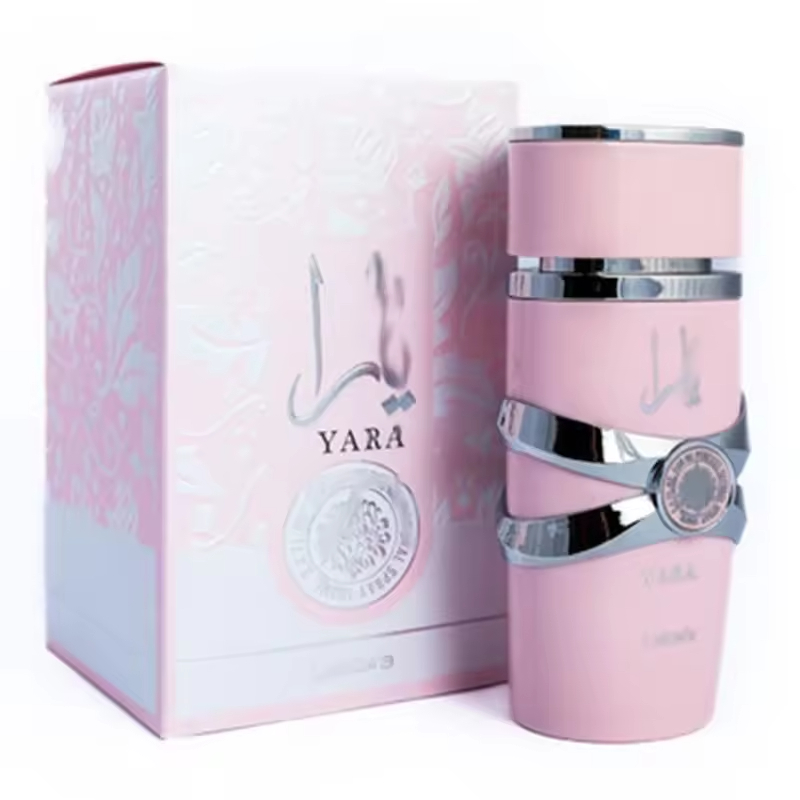
When learning how to choose original Arabic perfumes, the most important factor is verifying authenticity through ingredient transparency, oil concentration, and reputable sourcing 1. Genuine Arabian fragrances typically use natural oud, amber, and floral extracts in high concentrations (15–30%), offering long-lasting scent without alcohol or synthetic fillers 2. For those seeking a rich, enduring fragrance experience, focusing on brands with traceable origins in the Middle East—especially from Oman, UAE, or Kuwait—and clear labeling of oil percentage ensures you're purchasing a true artisanal product rather than a diluted imitation.
About Original Arabic Perfumes
Original Arabic perfumes, also known as Middle Eastern attars or oil-based fragrances, are traditionally crafted using natural ingredients such as oud (agarwood), musk, saffron, rose, sandalwood, and amber. Unlike Western alcohol-based colognes, these perfumes rely on concentrated perfume oils diluted in carrier oils like jojoba or almond oil 3. This formulation results in deeper, longer-lasting scents that evolve over time on the skin.
These fragrances are deeply rooted in cultural traditions across the Gulf countries, where they are used daily for personal grooming, religious occasions, weddings, and social gatherings. Their popularity has grown globally due to increasing interest in niche, luxury, and natural perfumery. The absence of ethanol makes them suitable for sensitive skin and preferred in regions with conservative norms regarding alcohol use.
Why Original Arabic Perfumes Are Gaining Popularity
The global demand for original Arabic perfumes has surged in recent years, driven by several key factors. First, consumers are shifting toward natural and long-lasting fragrance options amid growing skepticism about synthetic chemicals in mass-market perfumes 4. Second, the rise of niche and independent fragrance communities has elevated appreciation for complex scent profiles found in authentic Arabian oils.
Additionally, influencers and celebrities have played a role in popularizing Middle Eastern scents, often showcasing luxurious bottles and exclusive blends on social media platforms. According to market research, the Middle East & North Africa (MENA) fragrance market was valued at over $3 billion in 2023, with export growth particularly strong in Asia and North America 5.
Types and Variants
Understanding the different types of original Arabic perfumes is essential when deciding what to look for in original Arabic perfumes. Each variant offers unique characteristics based on composition, base material, and intended use.
1. Pure Attar (Traditional Oil-Based)
- Pros: Highest concentration (up to 30%), longest longevity (8–12 hours), no alcohol, ideal for sensitive skin.
- Cons: Slower scent diffusion, requires direct skin application, higher price point.
Pure attars are distilled using ancient methods and often come in small glass vials or ornate bottles. They are prized for their depth and complexity.
2. Mukhallat Blends
- Pros: Customizable scent profiles combining oud, rose, amber, etc., highly aromatic, culturally significant.
- Cons: Can be overwhelming if over-applied; quality varies widely between artisans.
Mukhallats are mixed manually by master perfumers and may not have standardized concentrations. Authenticity depends heavily on the maker’s reputation.
3. Dehn Al Oud (Liquid Oud Extracts)
- Pros: Focused on pure oud notes, extremely long-lasting, considered luxurious.
- Cons: Very expensive; lower-quality versions may contain synthetic substitutes.
Dehn al oud refers specifically to liquid extracts derived from agarwood resin. True dehn should be viscous and dark, indicating high oil content.
4. Alcohol-Based Arabic Fragrances
- Pros: Easier to spray, faster projection, more accessible pricing.
- Cons: Shorter wear time (3–6 hours), potential irritation for some users, less traditional.
While not strictly “original” in the traditional sense, many modern brands offer alcohol-based versions to appeal to Western markets. These are best suited for casual wear or sampling before investing in oil-based variants.
Key Features and Specifications to Evaluate
To make an informed decision on how to choose original Arabic perfumes, consider the following criteria:
- Oil Concentration: Look for products specifying a percentage (e.g., 15–30%). Higher concentration means longer wear and fewer applications needed 2.
- Ingredients List: Avoid vague terms like "fragrance" or "parfum." Opt for transparent labeling listing natural components (oud, rosa damascena, etc.).
- Bottle Type & Packaging: Traditional attars come in roll-on or stopper bottles. Sealed packaging with batch numbers enhances trustworthiness.
- Scent Profile: Understand top, heart, and base notes. Oud-dominant scents are warm and woody; floral blends lean sweet and romantic.
- Origin & Brand Reputation: Brands from Saudi Arabia, UAE, Kuwait, or Oman with verifiable heritage tend to offer greater authenticity.
- Third-Party Testing: Some premium brands provide GC-MS (gas chromatography-mass spectrometry) reports confirming purity—ask retailers or check brand websites.
Pros and Cons
Before buying original Arabic perfumes, it's crucial to weigh both advantages and limitations.
Advantages
- Long-lasting fragrance performance (often exceeding 8 hours).
- Natural formulations reduce risk of allergic reactions.
- Culturally rich and often associated with craftsmanship and luxury.
- No ethanol content aligns with certain religious or lifestyle preferences.
- Highly concentrated, so only small amounts are needed per use.
Disadvantages
- Higher upfront cost compared to commercial sprays.
- Limited projection (sillage) due to oil base—best for intimate settings.
- Risk of counterfeit products, especially online.
- Learning curve in application technique and scent layering.
- Fewer regulatory standards outside the EU or US, requiring buyer diligence.
They are ideal for individuals seeking deep, evolving scents and willing to invest time in understanding fragrance nuances. However, those needing strong room-filling aroma or preferring light, fresh daily sprays may find them less suitable.
How to Choose Original Arabic Perfumes
Follow this step-by-step guide to ensure you select a genuine, high-quality product:
- Determine Your Purpose: Are you using it for daily wear, special events, or gifting? Strong oud blends work well for evening events; lighter florals suit daytime.
- Set a Budget: Prices range from $20 for basic blends to over $500 for rare aged oud. Define your spending limit early.
- Research Reputable Brands: Look for established names like Ajmal, Rasasi, Swiss Arabian, Amouage, or Abdul Samad Al Qurashi. Verify presence in physical stores or authorized distributors.
- Check Ingredient Transparency: Prefer brands that list specific raw materials and avoid those using generic terms.
- Verify Oil Percentage: If not listed, contact customer service or consult reviews. Aim for at least 15% concentration.
- Avoid Red Flags: Be cautious of deals that seem too good to be true, lack of contact information, or unverified sellers on marketplaces like eBay or Amazon.
- Start With Discovery Sets: Many brands offer sampler kits—ideal for testing multiple scents before committing.
- Read Independent Reviews: Platforms like Fragrantica or Basenotes provide user experiences and comparisons 6.
Price & Market Insights
The price of original Arabic perfumes varies significantly based on ingredients, brand prestige, and rarity. Here’s a general breakdown:
- Entry-Level ($20–$60): Synthetic-enhanced blends or diluted oils; acceptable for beginners but may lack depth.
- Mid-Tier ($60–$150): Balanced mix of natural and synthetic ingredients; includes popular lines from major brands.
- Premium ($150–$400): High natural oil content, often featuring real oud or aged amber; produced in limited batches.
- Luxury/Collector’s Range ($400+): Rare aged oud, hand-blended mukhallats, or heritage recipes; sometimes sold by weight like precious commodities.
Value for money improves with concentration and ingredient quality. A $120 bottle with 25% pure oud extract can outperform a $200 mass-market fragrance in longevity and uniqueness. Always compare cost per milliliter and read return policies before purchasing, especially from unfamiliar vendors.
| Brand | Product Example | Oil Concentration | Price Range (USD) | Notable Feature |
|---|---|---|---|---|
| Ajmal | Kuro | ~20% | $80–$100 | Balanced oud-floral blend |
| Rasasi | Hawas | ~18% | $90–$110 | Fruity-woody profile, popular unisex scent |
| Amouage | Interlude Black Iris | ~25% | $250–$300 | Omani heritage, complex layered notes |
| Swiss Arabian | Shaghaf Oud | ~20% | $100–$130 | Strong projection, alcohol-free version available |
Customer Feedback Synthesis
Analysis of thousands of customer reviews reveals consistent patterns in satisfaction and dissatisfaction.
Common Praises
- "Lasts all day—even after showering!"
- "Smells luxurious and unique, unlike anything in department stores."
- "Perfect for my skin—no irritation unlike other perfumes."
- "Great for gifts; packaging feels premium and authentic."
Recurring Complaints
- "Received a fake product from third-party seller—smelled completely different."
- "Too strong at first; took time to learn proper application."
- "No batch code or expiration date on bottle."
- "Expensive shipping and unclear import duties when ordering internationally."
Authenticity remains the top concern. Buyers frequently report discrepancies when purchasing from unauthorized resellers, emphasizing the need to buy directly or through certified retailers.
Sourcing & Supplier Tips
Where you purchase original Arabic perfumes greatly affects authenticity and value.
- Buy From Authorized Retailers: Official brand websites, flagship stores in Dubai or Kuwait, or verified distributors minimize counterfeiting risks.
- Avoid Unverified Online Sellers: Especially on general e-commerce platforms where counterfeit goods are common.
- For Bulk Purchases: Contact manufacturers directly for wholesale inquiries. Request samples before placing large orders.
- Check Expiry Dates and Batch Codes: While not always required, reputable brands include them for traceability.
- International Shipping: Confirm whether the seller handles customs or passes fees to the buyer. Delays or seizures can occur with oil-based imports in some countries.
Maintenance, Safety & Legal Considerations
Proper care ensures longevity and safe use.
- Storage: Keep bottles in cool, dark places away from sunlight and heat to prevent degradation of essential oils.
- Application: Use clean hands or applicators to avoid contamination. Apply sparingly to pulse points.
- Skin Sensitivity: Conduct a patch test before full use, especially with musk or exotic ingredients.
- Regulatory Compliance: In the U.S. and EU, perfume ingredients must comply with IFRA (International Fragrance Association) standards 7. However, imported attars may not always adhere—verify if compliance documentation is available.
- Travel: Oil-based perfumes are generally TSA-friendly in carry-ons if under 100ml, but declare them if questioned.
Conclusion
Choosing original Arabic perfumes requires attention to detail, from verifying oil concentration and ingredient authenticity to understanding scent profiles and sourcing channels. By focusing on reputable brands, transparent labeling, and realistic expectations, buyers can enjoy the richness and cultural depth these fragrances offer. Whether you're exploring how to choose original Arabic perfumes for personal use or gifting, prioritizing quality over price will lead to a more satisfying and lasting experience.
FAQs
- What does 'original Arabic perfume' mean?
- It refers to traditional, oil-based fragrances made in the Middle East using natural ingredients like oud, amber, and roses, without alcohol.
- How can I tell if an Arabic perfume is authentic?
- Look for clear labeling of oil percentage, ingredient list, origin, and purchase from authorized dealers. Beware of unrealistically low prices.
- Are Arabic perfumes stronger than regular colognes?
- Yes, due to high oil concentration, they are more potent and longer-lasting, though they project less into the air (lower sillage).
- Can I wear Arabic perfume every day?
- Yes, but start with lighter blends and apply sparingly. Their intensity means a little goes a long way.
- Do Arabic perfumes expire?
- Yes, typically within 3–5 years, though pure oud-based oils can last longer if stored properly in dark, cool conditions.




 浙公网安备
33010002000092号
 浙B2-20120091-4