
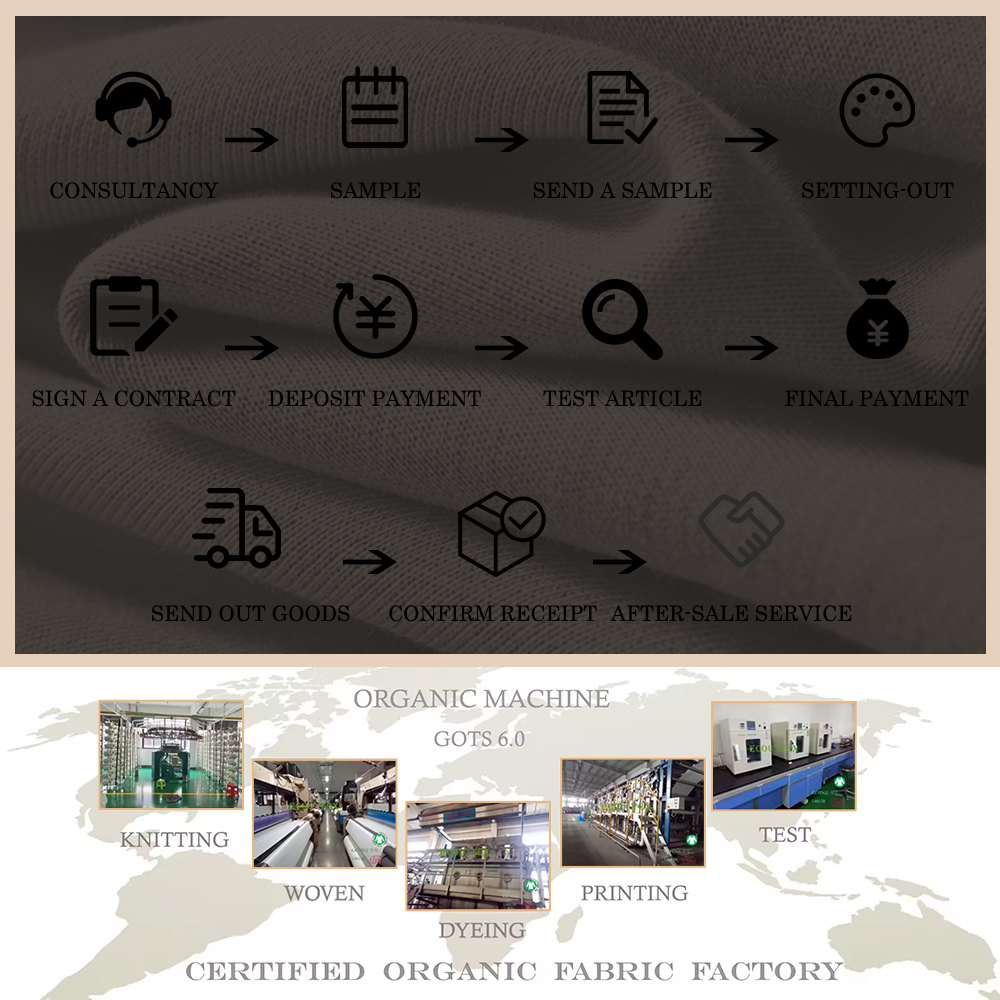
When choosing organic cotton fabric, prioritize certified materials like GOTS or OCS, assess weave type (e.g., poplin, jersey, or canvas) based on intended use, and verify transparency in sourcing. High-quality organic cotton offers breathability, softness, and reduced environmental impact compared to conventional cotton 1. For eco-conscious sewers, quilters, or apparel makers seeking a non-toxic, durable natural fiber, certified organic cotton fabric is often the best long-term investment 2.
About Organic Cotton Fabric
Organic cotton fabric is a textile made from cotton fibers grown without synthetic pesticides, fertilizers, or genetically modified organisms (GMOs). Unlike conventional cotton, which accounts for nearly 16% of global insecticide use despite occupying only 2.5% of cropland 3, organic cotton relies on sustainable farming practices such as crop rotation, biological pest control, and rain-fed irrigation.
This fabric is used widely in clothing, babywear, bedding, towels, and craft projects due to its soft texture, hypoallergenic properties, and biodegradability. It’s especially popular among environmentally aware consumers, parents, and designers aiming to reduce chemical exposure and ecological footprint. Because it avoids toxic inputs during both farming and processing, organic cotton is frequently paired with low-impact dyes and eco-friendly finishing methods 4.
Why Organic Cotton Fabric Is Gaining Popularity
Consumer demand for sustainable textiles has surged, with the global organic cotton market growing by over 56% between 2020 and 2022 5. This rise is driven by increased awareness of environmental degradation linked to fast fashion and industrial agriculture.
Shoppers are now more concerned about water usage, soil health, and worker safety. Organic cotton uses up to 91% less water than conventional cotton when rain-fed and reduces energy consumption by 62% on average 6. Additionally, many buyers appreciate that organic cotton is free from residues of harmful chemicals, making it ideal for sensitive skin and infant garments.
Brands promoting ethical production and circular fashion increasingly rely on verified organic cotton to meet consumer expectations and sustainability goals. As a result, availability has expanded beyond niche eco-stores to mainstream online retailers and fabric wholesalers.
Types and Variants of Organic Cotton Fabric
Different weaves and constructions serve distinct purposes. Understanding these variants helps match the fabric to your project needs.
1. Organic Cotton Poplin
A tightly woven plain-weave fabric with a slight sheen, poplin is lightweight yet durable. Commonly used in shirts, blouses, and children's clothing.
- Pros: Crisp hand feel, resists wrinkling, easy to sew.
- Cons: Less stretch; may feel stiff initially.
2. Organic Cotton Jersey
A knitted fabric known for its stretch and softness. Ideal for t-shirts, sleepwear, and baby clothes.
- Pros: Comfortable, breathable, drapes well.
- Cons: Can curl at edges; requires ballpoint needle for sewing.
3. Organic Cotton Canvas
Heavyweight, rugged fabric with a plain weave. Used for bags, tote designs, upholstery, and workwear.
- Pros: Extremely durable, holds shape well.
- Cons: Stiff; may require pre-washing for softness.
4. Organic Cotton Muslin
A loosely woven, sheer fabric often sold in wide widths. Popular for test garments (toiles), linings, and swaddling blankets.
- Pros: Affordable, breathable, excellent for prototyping.
- Cons: Not suitable for outerwear; frays easily.
5. Organic Cotton Sateen
Weaved to produce a smooth, lustrous surface using a satin weave structure. Frequently used in bed sheets and luxury apparel.
- Pros: Silky texture, good drape, resists pilling.
- Cons: Higher cost; may be less breathable than plain weaves.
Key Features and Specifications to Evaluate
To ensure quality and suitability, examine the following attributes before purchasing:
- Fiber Origin: Look for details on where the cotton was grown (e.g., Turkey, India, USA). Regional differences affect softness, staple length, and sustainability practices 7.
- Weave Type: Determines durability, drape, and application. Match this to your project requirements.
- Weight (GSM): Measured in grams per square meter. Lightweight fabrics (80–150 GSM) suit apparel; midweight (150–250 GSM) works for shirts and dresses; heavyweight (>250 GSM) is best for bags and home goods.
- Dyeing Process: Prefer fabrics dyed with OEKO-TEX® STANDARD 100 or GOTS-approved low-impact dyes to avoid heavy metals and allergens 2.
- Finishing Treatments: Avoid formaldehyde-based wrinkle-resistant finishes. Opt for mechanical softening instead.
- Width and Shrinkage: Standard widths range from 44” to 60”. Always check shrinkage rates—most organic cotton shrinks 3–5% unless pre-shrunk.
Pros and Cons of Organic Cotton Fabric
Advantages
- Environmental Benefits: Reduces pollution, conserves water, and promotes biodiversity 8.
- Skin-Friendly: Free from pesticide residues and synthetic additives, reducing irritation risk.
- Biodegradable: Fully decomposes under proper conditions, unlike synthetic textiles.
- Ethical Production: Often tied to fair labor standards and safer working environments.
Limitations
- Higher Cost: Typically 20–50% more expensive than conventional cotton due to lower yields and stricter controls.
- Limited Availability: Some weaves or colors may be harder to source depending on region.
- Performance Trade-offs: May lack the wrinkle resistance or moisture-wicking properties of synthetics.
- Wrinkling: Natural fiber prone to creasing, requiring ironing or steaming.
How to Choose Organic Cotton Fabric
Follow this step-by-step guide to make an informed decision:
- Define Your Project Needs: Determine whether you need stretch (jersey), structure (canvas), or drape (sateen).
- Check Certification Labels: Prioritize GOTS (Global Organic Textile Standard) or OCS (Organic Content Standard). GOTS covers both farming and processing, including social criteria 4.
- Review Transparency: Reputable suppliers disclose farm origins, mill locations, and third-party audits. If unavailable, contact customer service.
- Assess Color Options: Naturally white or undyed cotton avoids chemical exposure. For colored options, confirm use of non-toxic dyes.
- Read Reviews: Look for feedback on softness, shrinkage, and colorfastness.
- Order Samples: Test hand feel, weight, and stitchability before bulk purchase.
- Avoid Red Flags: Be cautious of vague claims like “eco-friendly” or “natural” without certification. Also watch for unusually low prices, which may indicate greenwashing.
Price & Market Insights
Pricing varies significantly based on certification, weave, and supplier. As of 2024:
- Basic organic cotton muslin: $8–$12 per yard
- Jersey knit: $10–$16 per yard
- Poplin or sateen: $12–$18 per yard
- Heavy canvas: $14–$22 per yard
Bulk purchases (10+ yards) typically offer discounts of 10–20%. Direct-from-mill suppliers or B2B platforms like Fabric Wholesale Direct or Organic Cotton Plus often provide better value than retail craft stores. However, always compare certifications and shipping costs.
While higher upfront cost is common, the long-term benefits—durability, safety, and environmental responsibility—often justify the investment, especially for frequent users or small businesses building a sustainable brand.
| Fabric Type | Avg. Price/Yard | Certification Common? | Best For |
|---|---|---|---|
| Organic Cotton Poplin | $12–$18 | GOTS, OCS | Shirts, dresses |
| Jersey Knit | $10–$16 | GOTS | T-shirts, loungewear |
| Canvas | $14–$22 | OCS | Bags, upholstery |
| Muslin | $8–$12 | OCS | Toiles, linings |
Top-Seller & Competitive Analysis
Leading brands in the organic cotton fabric space include:
- Alabama Chanin: Known for artisanal, US-made organic cotton jerseys and prints. Premium pricing but high craftsmanship.
- Organic Cotton Plus: Offers wide variety of GOTS-certified fabrics at competitive rates. Popular among small designers.
- Fabrics-Store.com: Provides consistent inventory and detailed specs. Strong customer support and sample program.
- Nature’s Fabrics: Specializes in unbleached, undyed options. Ideal for allergy-sensitive users.
When comparing top sellers, focus on consistency in quality, clarity of labeling, and return policies. Some vendors specialize in specific weaves or certifications—choose based on your priority (e.g., lowest chemical exposure vs. widest color selection).
Customer Feedback Synthesis
Analysis of hundreds of verified buyer reviews reveals recurring themes:
Common Praises:
- “Softer than expected, especially after washing.”
- “Love that it’s GOTS-certified—I trust it’s truly organic.”
- “Perfect for my baby clothes line—no skin reactions reported.”
- “Holds up well after multiple washes.”
Frequent Complaints:
- “Shrunk more than stated—wish I’d pre-washed.”
- “Color bled slightly in first wash.”
- “Stiff at first; took two washes to soften.”
- “Limited pattern repeat options for designers.”
These insights highlight the importance of pre-washing, checking care labels, and ordering samples when color accuracy or texture is critical.
Sourcing & Supplier Tips
Whether buying for personal use or resale, consider these strategies:
- For Retail Buyers: Stick to established online fabric stores with clear filtering for organic and certified options.
- For Bulk Orders: Contact mills directly or use B2B platforms like MakersValley or Sourcing Journal’s directory. Request lab test reports if making health or safety claims.
- For Resellers: Ensure your supplier allows commercial use and does not restrict resale.
- Verification Steps: Ask for batch-specific certification documents. Cross-check GOTS license numbers via GOTS Public Database.
- Shipping & Duties: Importing raw fabric may incur tariffs depending on country of origin. Confirm Incoterms with supplier.
Maintenance, Safety & Legal Considerations
Proper care extends fabric life and maintains safety:
- Washing: Use cold water and mild, biodegradable detergent. Avoid chlorine bleach.
- Drying: Air dry when possible; machine drying on low heat minimizes shrinkage.
- Ironing: Medium heat setting; steam helps remove wrinkles.
- Safety: GOTS-certified fabrics are tested for pH levels and restricted substances, making them safe for infants 4.
- Labeling Compliance: In the U.S. and EU, selling garments made from organic cotton requires accurate fiber content disclosure. Mislabeling can lead to fines.
Conclusion
Choosing the right organic cotton fabric involves balancing certification, weave type, price, and intended use. GOTS-certified fabrics offer the highest assurance of environmental and social responsibility, while different weaves—from breathable jersey to sturdy canvas—serve unique functional needs. Though priced higher than conventional cotton, organic options deliver superior safety, comfort, and sustainability. By verifying certifications, ordering samples, and reviewing user feedback, buyers can confidently select a fabric that aligns with their values and project goals.
FAQs
Q: What’s the difference between GOTS and OCS certification?
A: GOTS covers the entire post-harvest process, including dyeing, manufacturing, and labor conditions, while OCS verifies only the presence of organic fiber without addressing chemical or social criteria 4.
Q: Does organic cotton fabric shrink more than regular cotton?
A: Not necessarily. Shrinkage depends on whether the fabric is pre-shrunk. Most organic cotton shrinks 3–5%, similar to conventional, so pre-washing is recommended 9.
Q: Can I machine wash organic cotton fabric?
A: Yes, but use cold water and gentle cycles to preserve color and texture. Air drying is best for longevity.
Q: Is all white organic cotton bleached?
A: Not all. Some remain in a natural off-white (beige) state. If bright white, check if oxygen-based bleaching (permitted under GOTS) was used instead of chlorine.
Q: Where can I buy organic cotton fabric in bulk?
A: Reliable bulk suppliers include Organic Cotton Plus, Fabrics-Store.com, and B2B platforms like MakersValley. Always request certification documentation before large orders.




 浙公网安备
33010002000092号
 浙B2-20120091-4