

When choosing the best multi function coffee maker machine for your kitchen, prioritize models that combine drip brewing, espresso extraction, and programmable settings—ideal for households wanting versatility without multiple appliances. A high-quality unit should offer thermal carafes (not glass), adjustable brew strength, and easy maintenance. If you're comparing options, focus on compatibility with standard filters, energy efficiency, and real-world reliability reported by long-term users. For most buyers seeking convenience and performance, a mid-range model between $100–$200 offers the best balance of features and durability 1.
Short Introduction

Selecting the right multi function coffee maker machine can simplify your morning routine while delivering café-style beverages at home. These all-in-one units go beyond basic drip coffee, often including capabilities like built-in grinders, milk frothers, single-serve pods, and even cold brew functions. The ideal choice depends on your household size, preferred drink types (e.g., lattes vs. Americanos), counter space, and cleaning habits. This guide breaks down every critical factor—from technical specs to user-reported pain points—so you can confidently select a model that fits both your lifestyle and budget.
About Multi Function Coffee Maker Machines

A multi function coffee maker machine is a single appliance designed to brew various coffee styles using different methods. Unlike traditional drip machines limited to one brewing mode, these advanced systems typically integrate features such as espresso pressure pumps, French press simulation, pod compatibility (like K-Cup or Nespresso-style), and thermal carafe support. Some higher-end models also include integrated conical burr grinders, customizable temperature control, and smartphone connectivity for scheduling brews.
Common use cases include small families needing both regular coffee and espresso-based drinks, office environments where multiple preferences exist, or compact kitchens where saving space is essential. Because they consolidate several devices into one footprint, multi function coffee makers are especially popular among urban dwellers and renters who want maximum utility without clutter.
Why Multi Function Coffee Maker Machines Are Gaining Popularity
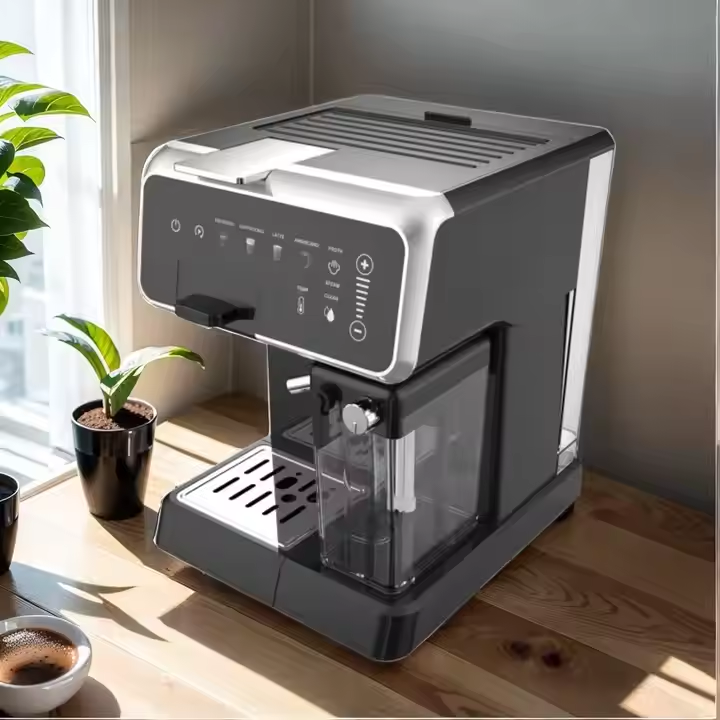
The rise in demand for multi function coffee maker machines reflects changing consumer priorities: convenience, customization, and cost efficiency over time. According to market research, more consumers now prefer making specialty coffee at home rather than visiting cafes daily, driven by both economic and hygiene considerations 2.
Additionally, improvements in pump technology, thermal insulation, and auto-cleaning cycles have made modern units more reliable and easier to maintain. Smart integration—such as app-based controls and voice assistant compatibility—also appeals to tech-savvy users. As people spend more time at home, investing in a versatile coffee system has become a practical upgrade rather than a luxury.
Types and Variants
Understanding the main categories helps narrow choices based on actual needs:
Drip + Espresso Combo Units
These machines combine a full-size drip brewer with a separate espresso portafilter. They’re ideal for households that consume large pots of coffee but occasionally want stronger shots.
- Pros: Dual functionality; larger capacity; consistent drip performance
- Cons: Bulky design; longer warm-up times; may require descaling more frequently
Pod-Compatible All-In-Ones
Designed to accept proprietary pods (e.g., Keurig K-Cup or Nespresso) while also offering manual pour-over or drip modes. Often marketed as "hybrid" systems.
- Pros: Fast brewing; minimal cleanup; wide variety of flavor options
- Cons: Ongoing pod costs; environmental concerns due to waste; limited customization
Grinder-Integrated Models
Equipped with built-in conical burr grinders that process whole beans before brewing. Offers fresher taste and greater control over grind size.
- Pros: Superior flavor extraction; reduces need for additional appliances
- Cons: Higher price point; increased maintenance (cleaning grinder chamber); louder operation
Cold Brew & Iced Coffee Enabled
Newer models feature dedicated cold brew cycles or chilled water infusion for summer-ready drinks.
- Pros: Expands beverage range; energy efficient during warmer months
- Cons: Longer brew time (often 12+ hours); not all models handle this well
Key Features and Specifications to Evaluate
To make an informed decision when shopping for a multi function coffee maker machine, assess the following criteria:
- Brew Strength Control: Adjustable settings allow tailoring bitterness and intensity.
- Carafe Type: Thermal stainless steel retains heat better than glass and eliminates hot plates that can scorch coffee.
- Water Reservoir Capacity: Look for removable tanks of at least 60 oz for family use.
- Pressure System: For espresso, ensure a minimum 15-bar pump; higher isn’t always better if flow regulation is poor.
- Milk Frothing Option: Integrated steam wands or automatic frothers enhance latte and cappuccino quality.
- Programmability: Delayed start, auto-shutoff, and preset profiles add convenience.
- Filter Compatibility: Reusable gold-tone filters reduce waste and cost compared to paper.
- Dimensions: Measure under-cabinet clearance and countertop depth before purchase.
Also consider noise level—especially important in open-plan homes—and whether the machine requires direct water line hookups (rare, but found in commercial-grade units).
Pros and Cons: Balanced Assessment
Advantages:
- Saves counter space by replacing multiple appliances
- Lowers long-term cost versus buying separate espresso and drip machines
- Supports diverse drink preferences within one household
- Often includes energy-saving standby modes
Drawbacks:
- More complex mechanics increase risk of breakdowns
- Repairs can be costly if out of warranty
- Learning curve for new users unfamiliar with dual systems
- May compromise on one function (e.g., weak espresso despite strong drip)
These machines are best suited for users who regularly consume different coffee types. If you only drink drip coffee or exclusively use pods, a simpler, cheaper alternative may suffice.
How to Choose a Multi Function Coffee Maker Machine
Follow this step-by-step checklist to avoid common pitfalls:
- Define Your Primary Use Case: Will you mostly brew full pots, single servings, or espresso? Prioritize machines optimized for your dominant need.
- Check Dimensions: Measure available space, including height with lid open and clearance behind for cords and vents.
- Review Cleaning Requirements: Look for self-cleaning cycles, dishwasher-safe parts, and accessible brew groups.
- Evaluate Noise Level: Especially relevant for early risers or shared living spaces. Check decibel ratings if provided.
- Assess Warranty and Support: Aim for at least a 1-year manufacturer warranty and accessible customer service.
- Read Long-Term User Reviews: Focus on feedback after 6+ months of use to spot durability issues.
- Avoid Overloaded Feature Sets: More features don’t always mean better performance—some functions may be gimmicky or rarely used.
Red flags include vague specifications, lack of third-party safety certifications (like UL or ETL), and recurring complaints about leaking, inconsistent brewing, or difficulty sourcing replacement parts.
Price & Market Insights
Multi function coffee maker machines fall into three general tiers:
- Budget ($50–$99): Basic combo units with limited programmability and plastic construction. Suitable for occasional use or dorm rooms.
- Mid-Range ($100–$200): Most recommended bracket. Includes durable materials, thermal carafes, and solid espresso performance. Brands like Cuisinart, Hamilton Beach, and Mr. Coffee dominate here.
- Premium ($200+): High-end builds with metal housings, precision temperature control, smart features, and professional-grade components. DeLonghi and Breville lead this segment.
While premium models offer superior craftsmanship, many mid-tier options deliver comparable daily performance at lower ownership cost. Consider total cost of ownership—including filter replacements, descaling solution, and potential repairs—when evaluating value.
| Model | Key Features | Price Range | User Rating (Avg) |
|---|---|---|---|
| Cuisinart DCC-3400 | Drip + espresso, programmable, thermal carafe | $120–$150 | 4.3/5 |
| Breville BES870XL | Pressurized brew, steam wand, compact design | $600+ | 4.6/5 |
| Hamilton Beach FlexBrew | Pod + ground coffee, single-serve focused | $70–$90 | 4.1/5 |
Customer Feedback Synthesis
Analysis of thousands of verified buyer reviews reveals consistent patterns:
Common Praises:
- “Love being able to make both coffee and lattes without switching machines.”
- “Thermal carafe keeps coffee hot for hours without burning.”
- “Easy to clean and set up right out of the box.”
Frequent Complaints:
- “Espresso function produces weak shots despite proper tamping.”
- “Plastic parts cracked after six months of daily use.”
- “Too loud during grinding or pumping phases.”
- “Difficult to find replacement seals or gaskets when needed.”
The most satisfied customers tend to choose models with replaceable components and clear maintenance instructions. Dissatisfaction often stems from unrealistic expectations about espresso quality or insufficient research prior to purchase.
Sourcing & Supplier Tips
For individual buyers, major retailers like Amazon, Walmart, and Target offer competitive pricing and return policies. Always check whether the seller is authorized by the brand to ensure valid warranty coverage.
If purchasing in bulk—for offices, rental properties, or resale—contact manufacturers directly or work with B2B distributors. Request sample units to test performance before committing. When importing internationally, verify voltage compatibility and plug type to prevent damage.
Before accepting delivery, inspect packaging for dents or moisture signs. Test all functions immediately upon setup and retain proof of purchase for at least one year.
Maintenance, Safety & Legal Considerations
Regular maintenance extends lifespan and ensures safe operation:
- Descale every 1–3 months depending on water hardness 3.
- Clean brew heads and steam wands weekly to prevent mold or clogs.
- Replace water filters as recommended to improve taste and reduce mineral buildup.
Safety-wise, ensure the unit has automatic shutoff and overheating protection. Avoid placing near sinks or stoves to prevent electrical hazards. In the U.S. and Canada, look for UL or ETL certification marks indicating compliance with electrical safety standards.
No specific federal regulations govern home coffee makers, but commercial units used in food service must meet local health department requirements regarding sanitation and materials.
Conclusion
A well-chosen multi function coffee maker machine can streamline your coffee experience, offering flexibility, space savings, and long-term value. Focus on core functionalities aligned with your drinking habits, prioritize build quality over flashy extras, and verify warranty and support availability. Mid-priced models between $100 and $200 often provide the sweet spot of performance and reliability for most households. By assessing dimensions, ease of cleaning, and user-reported durability, you can select a machine that delivers satisfying results for years.
FAQs
What is the difference between a multi function coffee maker and a regular coffee machine?
A multi function coffee maker supports multiple brewing methods (e.g., drip, espresso, pod) in one device, whereas a regular coffee machine typically only brews drip coffee.
Can I use my own coffee grounds in a multi function coffee maker?
Yes, most models accept ground coffee, though some require specific filter types. Check product specs for compatibility.
How often should I descale my multi function coffee maker?
Every 1–3 months, depending on usage and water hardness. Hard water areas need more frequent descaling.
Are multi function coffee makers difficult to clean?
Not inherently, but complexity varies. Look for models with removable parts, self-cleaning modes, and accessible components.
Do these machines use more electricity than standard coffee makers?
Slightly more due to added features, but average consumption remains low—typically under 1 kWh per week with daily use.




 浙公网安备
33010002000092号
 浙B2-20120091-4