

When choosing the right mini array system set active, prioritize systems with balanced sound dispersion, built-in amplification, and scalable design for your intended space. A well-chosen active mini line array can deliver powerful, clear audio for small to mid-sized venues without requiring complex external gear. If you're looking for how to choose mini array system set active units that offer portability, plug-and-play operation, and consistent coverage, focus on models with integrated DSP, reliable speaker drivers, and sturdy rigging options. Avoid underpowered sets lacking thermal protection or realistic RMS ratings.
About Mini Array System Set Active

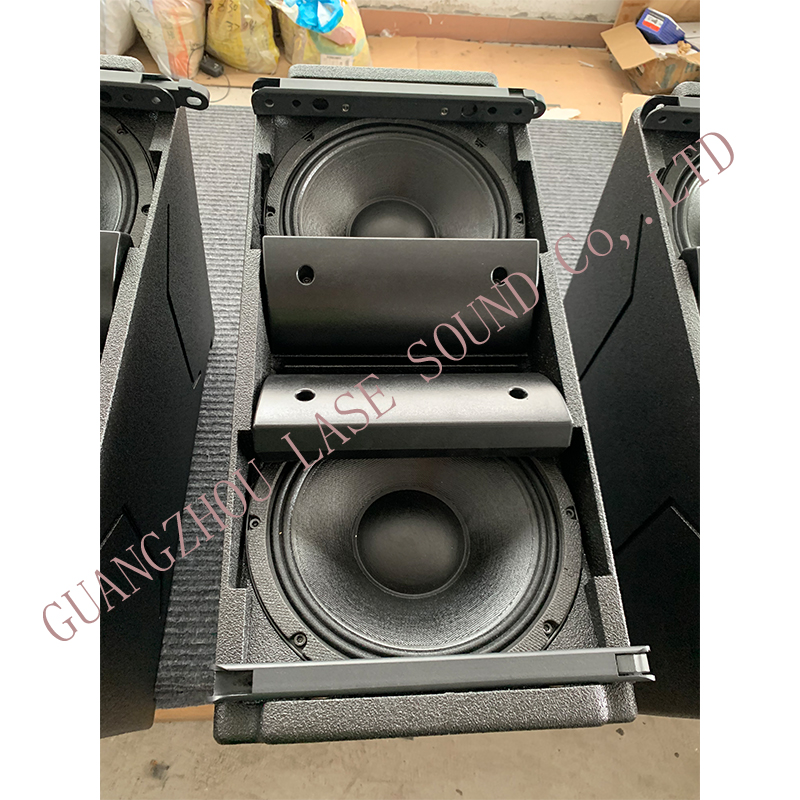
A mini array system set active refers to a compact, self-powered loudspeaker configuration designed to project sound efficiently over distance using multiple drivers arranged in a vertical line. Unlike passive systems, active arrays include built-in amplifiers and digital signal processing (DSP), eliminating the need for external power amps and crossovers. These systems are commonly used in mobile DJ setups, corporate events, houses of worship, live music performances in intimate venues, and fixed installations where space is limited but clarity and projection matter.
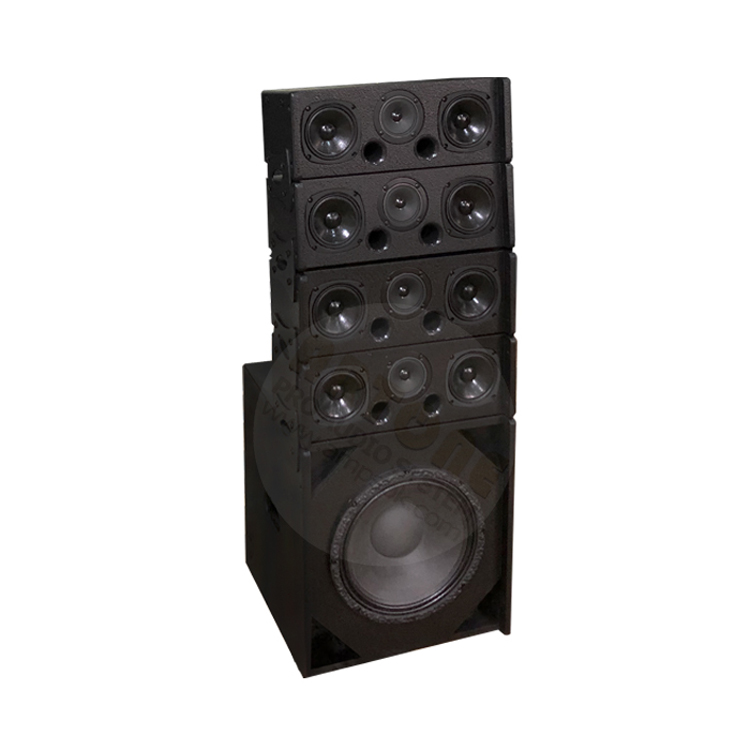
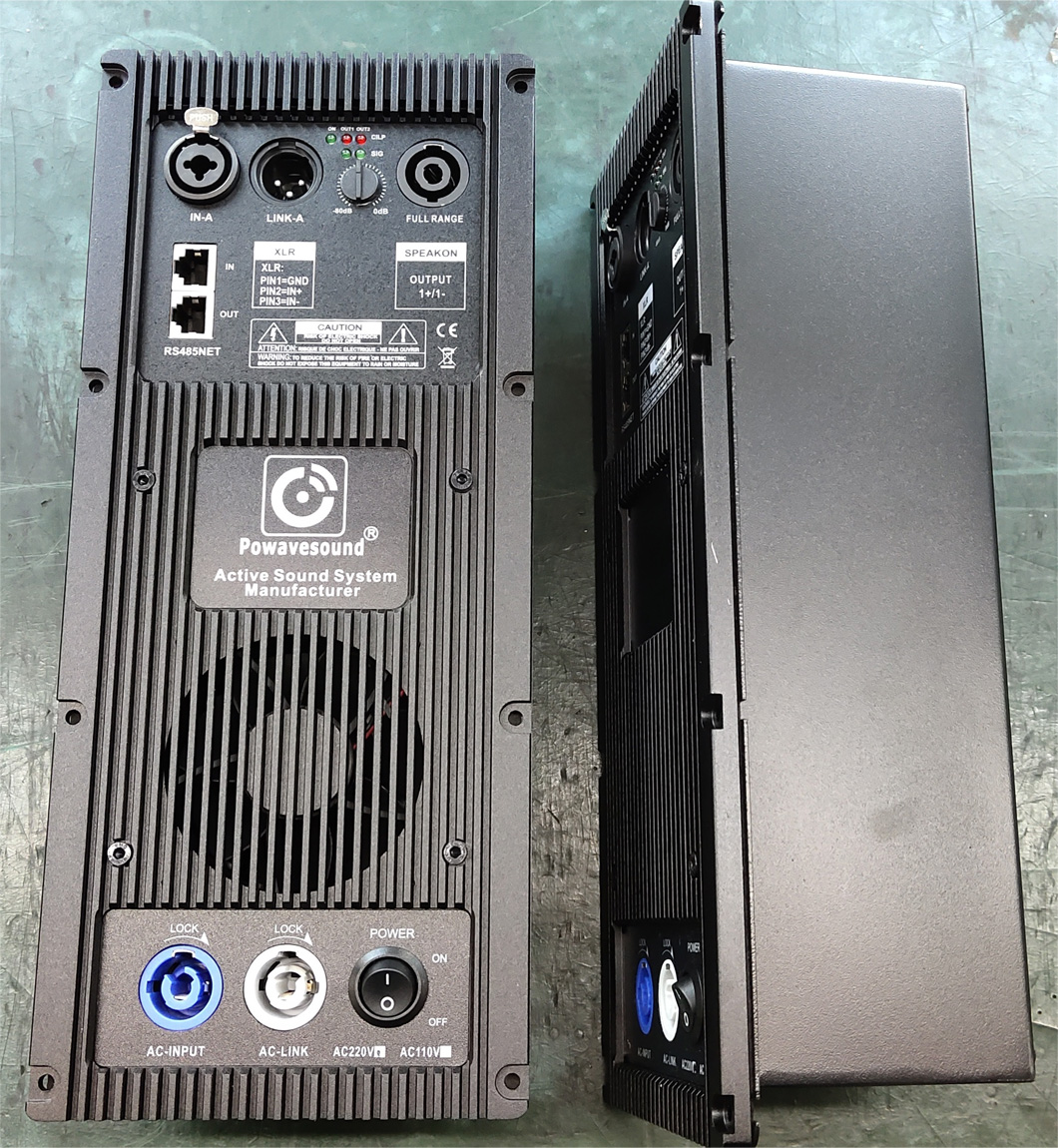
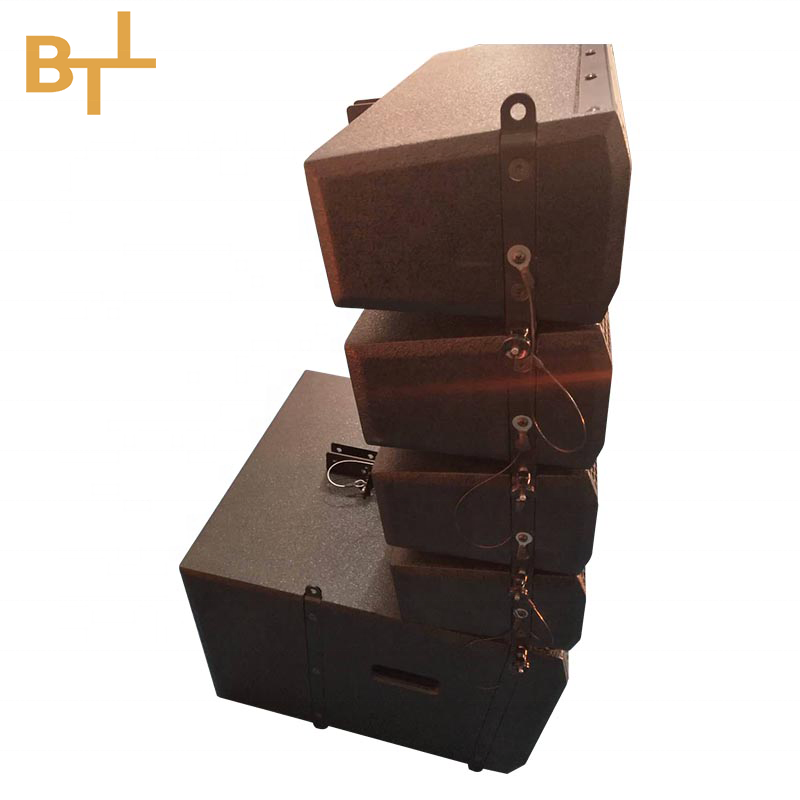
Each unit typically consists of two to six speakers stacked vertically, allowing for controlled vertical dispersion while maintaining wide horizontal coverage. Because they’re active, each cabinet connects directly to a mixer or audio source via line-level input, simplifying setup and reducing cable clutter. The integration of onboard electronics also allows manufacturers to fine-tune crossover points, EQ, and limiting algorithms specifically for the drivers used, enhancing overall performance and reliability 1.
Why Mini Array System Set Active Is Gaining Popularity
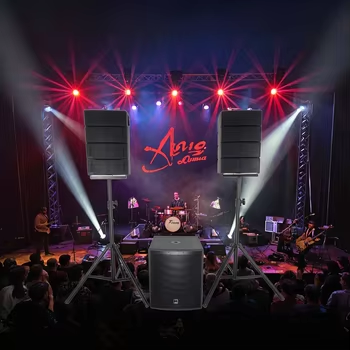
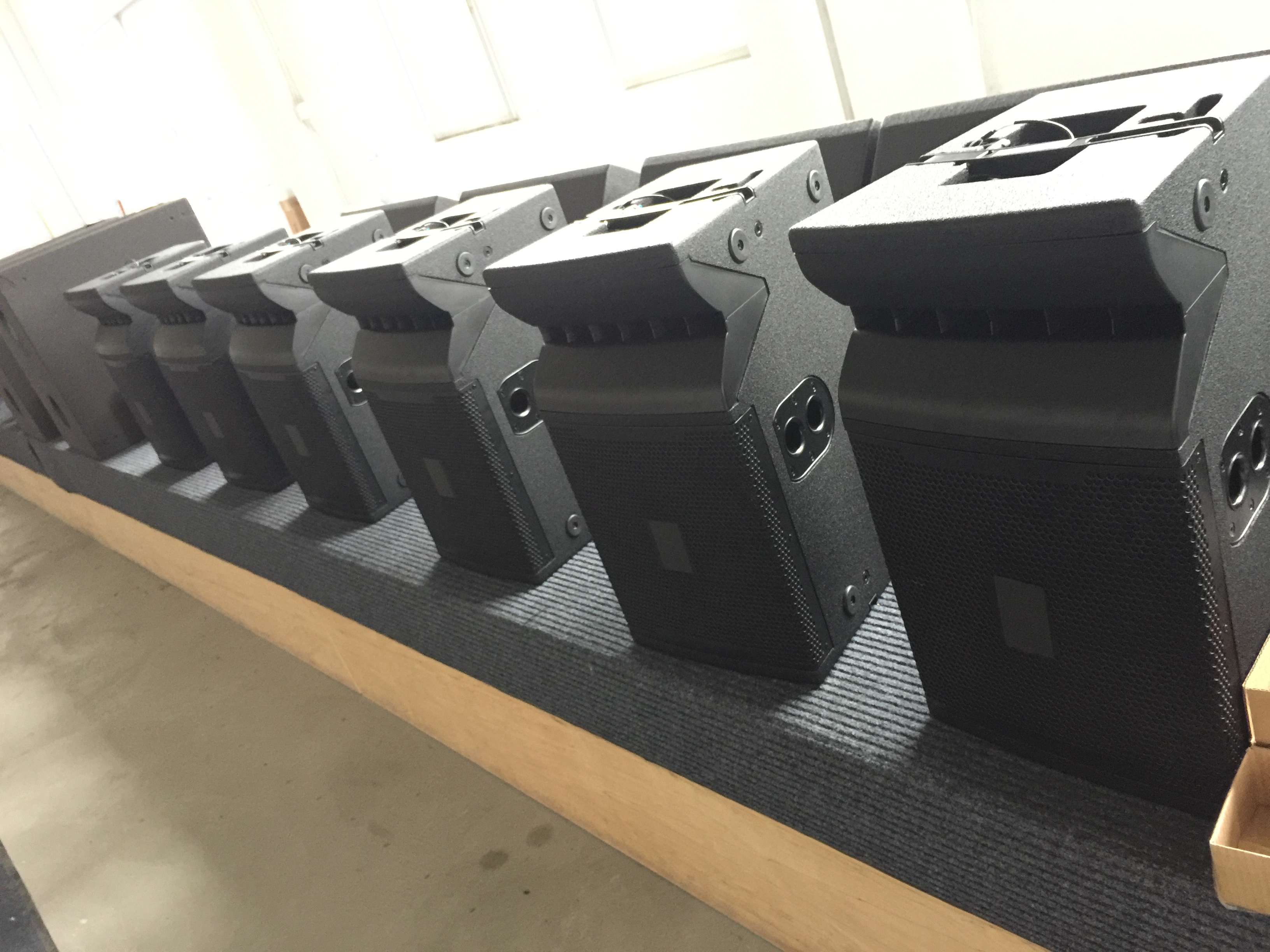
The growing demand for portable, high-output audio solutions has driven widespread adoption of active mini array systems. One major reason is their ease of deployment—users can unbox, hang or stack, connect, and play within minutes. This makes them ideal for solo operators or small crews managing tight schedules. Additionally, advancements in Class D amplifier efficiency and neodymium driver technology have made these systems lighter and more energy-efficient than ever.
Venues with acoustical challenges—such as churches with long reverberation times or outdoor stages with ambient noise—benefit from the focused sound projection of line arrays. Compared to point-source speakers, mini arrays reduce volume drop-off at the back of the room and minimize feedback by directing sound toward the audience rather than ceilings or walls. As event producers seek professional-grade results without bulky equipment, the appeal of compact, intelligent systems continues to rise.
Types and Variants

Mini array system set active units come in several configurations, each suited to different applications:
1. Compact Stacked Arrays (2–4 Cabinets)
- Pros: Highly portable; easy to transport and assemble; suitable for low-ceiling rooms or stage-front use.
- Cons: Limited throw distance; less control over vertical dispersion compared to larger arrays.
Ideal for coffeehouse gigs, retail environments, or small conference halls.
2. Modular Line Arrays (5+ Elements)
- Pros: Scalable; can be expanded based on venue size; better pattern control and longer throw.
- Cons: Requires more time to rig; may need truss hardware or flying frames; heavier overall load.
Suitable for touring acts, mid-sized theaters, and outdoor festivals.
3. All-in-One Column Arrays
- Pros: Single-column design with multiple drivers in one enclosure; minimal assembly; excellent speech intelligibility.
- Cons: Less flexibility in tuning; not easily expandable.
Commonly used in lecture halls, courtrooms, and fitness studios.
4. Hybrid Passive/Active Systems
- Pros: Allows mixing active tops with passive subs; cost-effective if upgrading existing subs.
- Cons: Requires external amplification for passive components; adds complexity.
A good transition option for users migrating from passive to active infrastructure.
Key Features and Specifications to Evaluate
To make an informed decision about which mini array system set active fits your needs, assess the following technical and practical aspects:
- RMS Power Output: Look beyond peak wattage. Focus on continuous (RMS) power per cabinet. For most mobile applications, 500–800 watts RMS per enclosure provides sufficient headroom.
- Frequency Response: Aim for a range between 55 Hz and 20 kHz ±3 dB. Extended bass response often requires pairing with subwoofers.
- SPL (Sound Pressure Level): Check both sensitivity and maximum SPL. 126–132 dB SPL at 1 meter is typical for quality active arrays.
- DSP Capabilities: Onboard DSP should include presets, delay alignment, parametric EQ, and protection limiting. Some systems allow firmware updates via USB or Ethernet.
- Rigging & Mounting Options: Verify compatibility with standard rigging pins, trusses, or pole mounts. Integrated rigging hardware reduces setup time.
- Input Connectivity: XLR and TRS inputs are standard. Models with Dante, AES/EBU, or Bluetooth offer added versatility but may increase cost.
- Weight & Portability: Total weight per cabinet matters—especially if flown manually. Neodymium magnets help reduce mass without sacrificing output.
- Cabinet Material: Polypropylene, ABS plastic, or Baltic birch plywood affect durability and resonance. Tour-grade units often use reinforced composite materials.
Always cross-reference manufacturer specifications with third-party reviews, as some brands may exaggerate performance claims.
Pros and Cons
Advantages
- Simplified Setup: No external amplifiers or crossovers needed.
- Predictable Performance: Factory-matched components ensure consistent sound quality across units.
- Space Efficiency: Vertical orientation saves floor space and improves sightlines.
- Feedback Resistance: Directional output reduces microphone feedback in live vocal scenarios.
- Scalability: Many systems support daisy-chaining or networked control.
Limitations
- Cost: Higher initial investment than passive equivalents.
- Repair Complexity: Built-in electronics mean repairs may require factory service.
- Heat Buildup: Poor ventilation in densely packed enclosures can lead to thermal shutdown during prolonged use.
- Limited Customization: Cannot swap amplifiers or adjust crossover slopes independently like in passive systems.
These systems are best suited for users who value consistency, speed of deployment, and clean signal paths. They’re less ideal for audiophiles seeking modular component control or budget-conscious buyers needing only basic PA functionality.
How to Choose a Mini Array System Set Active
Follow this step-by-step guide to select the optimal system:
- Define Your Use Case: Will it be used indoors or outdoors? For speech, music, or both? In fixed install or mobile?
- Assess Venue Size: Determine audience capacity and room dimensions. Smaller spaces (<200 people) work well with 2–4 cabinet stacks.
- Check Power Requirements: Ensure available circuit capacity supports total system draw, especially when running multiple cabinets.
- Evaluate Expandability: Choose modular designs if future growth is expected.
- Test Sound Coverage: Request demo units or attend trade shows to hear systems in person. Pay attention to off-axis clarity.
- Review Warranty & Support: Look for at least a 3-year warranty and accessible technical support.
- Avoid Red Flags: Steer clear of products with vague specs (e.g., “peak power only”), no safety certifications (CE, RoHS), or poor customer service records.
Price & Market Insights
Pricing for mini array system set active kits varies significantly based on brand, build quality, and feature set:
- Budget Tier ($800–$1,500): Entry-level systems with decent output but limited DSP and durability. Suitable for occasional use.
- Mid-Range ($1,500–$3,000): Balanced performance with robust construction, full DSP, and reliable amplifiers. Ideal for professionals.
- Premium ($3,000+): High-end materials, advanced networking (Dante, Milan), and superior acoustic engineering. Used in commercial installations and touring.
While higher price doesn’t always guarantee better sound, established brands tend to invest more in R&D and quality control. Consider total cost of ownership—including maintenance, accessories, and longevity—when assessing value.
| Model | Elements | Max SPL | Weight Each | Connectivity | Approx. Price |
|---|---|---|---|---|---|
| JBL EON One Compact | 6-driver column | 119 dB | 27 lbs | XLR/TRS, Bluetooth | $699 |
| Electro-Voice ETX-10P | 2 x 10" + horn | 132 dB | 34 lbs | XLR, Ethercon | $1,299 |
| dB Technologies ES502A | 2 x 12" + compression driver | 130 dB | 55 lbs | XLR, NL4 | $1,050 |
| Adamson S10 | 2 x 10" coaxial | 136 dB | 48 lbs | Dante, AES | $4,500+ |
Note: Prices are approximate and may vary by region and retailer.
Customer Feedback Synthesis
Based on aggregated user reviews and forum discussions, common themes emerge:
Positive Feedback:
Users frequently praise the ease of setup, consistent sound coverage, and reduced feedback issues. Many highlight the convenience of having amplification and processing built-in, especially for solo performers or AV technicians working alone. Reliability over extended tours or weekly church services is another recurring plus.
Common Complaints:
Some buyers report overheating during summer outdoor events, particularly with lower-cost models lacking adequate ventilation. Others note that certain brands provide unclear manuals or lack software interface documentation. A few mention disappointment with bass response when not paired with subwoofers, expecting fuller low-end from all-in-one systems.
To mitigate risks, verify real-world performance through independent review sites or rental trials before purchasing.
Sourcing & Supplier Tips
When sourcing a mini array system set active, consider both online and local dealers. Reputable suppliers include authorized distributors listed on manufacturer websites. Buying through authorized channels ensures valid warranties and access to firmware updates.
For bulk purchases or resale:
- Negotiate package deals including flight cases, cables, and mounting hardware.
- Inquire about dealer programs or educational discounts if applicable.
- Request sample units for testing before committing to large orders.
If importing internationally, confirm voltage compatibility and check for required certifications (FCC, CE, etc.). Always inspect shipments upon arrival for shipping damage and test all functions immediately.
Maintenance, Safety & Legal Considerations
Proper care extends the life of your system:
- Cleaning: Wipe cabinets with a damp cloth; avoid solvents that can degrade finishes.
- Storage: Keep in a dry, temperature-controlled environment. Use protective covers or cases.
- Inspection: Regularly check rigging pins, connectors, and grilles for wear.
- Thermal Management: Allow airflow around amplifiers; avoid stacking powered units tightly.
Safety is critical when flying speakers. Only use certified rigging hardware rated for the load. Follow OSHA or local workplace safety standards when lifting or mounting above head height. Never exceed maximum array length specified by the manufacturer.
Legally, ensure compliance with local noise ordinances, especially for outdoor events. Some jurisdictions require sound level monitoring or permits for amplified audio.
Conclusion
Selecting the right mini array system set active involves balancing performance, portability, and budget. Prioritize systems with transparent specifications, integrated DSP, and proven reliability. Whether you're a mobile DJ, event technician, or house of worship installer, a well-chosen active mini array delivers professional sound with minimal setup complexity. Focus on verified performance data, real-world usability, and long-term support—not just upfront cost—to ensure a smart investment.
FAQs
Q: Can I mix different brands of active mini arrays?
A: It’s not recommended. Mixing brands can result in mismatched frequency responses, phase issues, and inconsistent processing, leading to poor sound quality.
Q: Do I need a subwoofer with a mini array system set active?
A: Yes, for full-range music reproduction. Most mini arrays roll off below 60 Hz, so adding a powered sub enhances bass presence and impact.
Q: How do I transport a mini array safely?
A: Use custom flight cases with foam padding. Stack components securely and avoid placing heavy objects on top. Label cases clearly and secure during transit.
Q: Are wireless mini array systems available?
A: While most rely on wired connections for stability, some models support wireless input via Bluetooth or Wi-Fi dongles—but latency and interference can be concerns in professional settings.
Q: What should I do if my active array shuts down during use?
A: This is often due to thermal overload. Let the unit cool, ensure vents are unobstructed, and check if the limiter settings are too aggressive. If the issue persists, contact technical support.





 浙公网安备
33010002000092号
浙公网安备
33010002000092号 浙B2-20120091-4