

When choosing lead sheets for radiation protection, the best option depends on your specific application—whether it’s medical imaging, dental clinics, or industrial shielding. High-quality lead sheets typically range from 0.5 mm to 1.0 mm in thickness (Pb equivalence), with thicker sheets offering superior protection for high-exposure environments 1. Look for ASTM-certified materials, uniform density, and corrosion-resistant coatings. For most diagnostic settings, a 0.5 mm lead equivalent sheet provides effective shielding without excessive weight. Always verify manufacturer specifications and ensure compliance with local regulatory standards before purchase.
About Lead Sheets
Lead sheets are thin, flexible sheets made primarily of lead or lead-composite materials designed to block or attenuate ionizing radiation such as X-rays and gamma rays. These sheets are widely used in healthcare facilities—including hospitals, dental offices, veterinary clinics—and in industrial applications like nuclear plants and non-destructive testing environments.
The primary function of a lead sheet is to serve as a radiation barrier, protecting both personnel and patients from unnecessary exposure during radiographic procedures. They can be installed in walls, floors, ceilings, doors, or used in portable barriers and protective garments. Due to their malleability, lead sheets can be easily cut, shaped, and integrated into construction or custom shielding solutions.
Modern lead sheets may also incorporate composite materials—such as vinyl-coated lead or lead-free alternatives—to improve durability, reduce weight, and enhance environmental safety while maintaining effective shielding performance.
Why Lead Sheets Are Gaining Popularity

The demand for reliable radiation shielding has grown significantly across multiple sectors. In healthcare, increasing use of diagnostic imaging technologies like CT scans, fluoroscopy, and interventional radiology drives the need for effective lead-based protection 2.
Beyond medicine, industries involved in aerospace, defense, and energy production are adopting stricter safety protocols, boosting interest in customizable, durable lead sheets. Additionally, renovations of older medical facilities often require retrofitting rooms with updated shielding, making modular lead sheets a cost-effective solution compared to structural overhauls.
Another factor contributing to popularity is the development of lighter, coated, and lead-free composite options that address concerns about toxicity and handling risks. As awareness grows around radiation safety regulations and long-term occupational exposure, more organizations are proactively investing in certified shielding materials.
Types and Variants of Lead Sheets
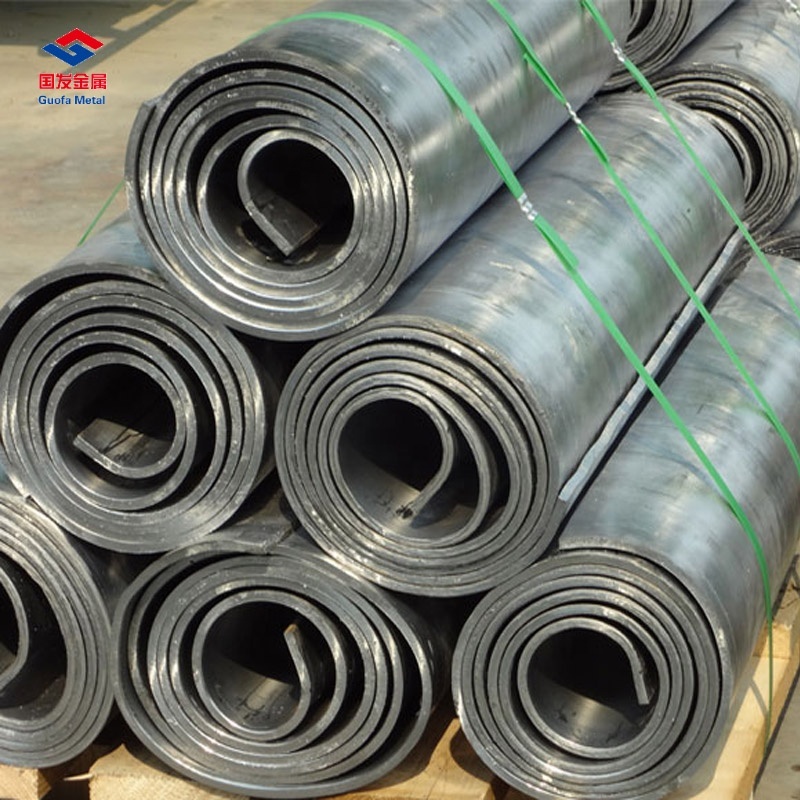
Understanding the different types of lead sheets available helps buyers select the right product based on application, environment, and safety requirements.
1. Pure Lead Sheets
Pure lead sheets consist of nearly 100% elemental lead rolled into thin, uniform layers. They offer excellent attenuation properties and are commonly used in wall linings and structural shielding.
- Pros: Highest density and shielding effectiveness; cost-efficient per unit of protection; easy to install behind drywall or flooring.
- Cons: Heavy; prone to oxidation if uncoated; requires careful handling due to softness and potential for tearing.
2. Vinyl-Coated Lead Sheets
These feature a layer of protective vinyl or PVC coating on one or both sides of the lead core. The coating prevents direct contact with lead, reducing contamination risk and improving durability.
- Pros: Safer handling; resistant to scratches and moisture; easier to clean; suitable for clinical environments.
- Cons: Slightly higher cost; coating may degrade over time with improper maintenance.
3. Lead Composite Sheets
Made by blending lead powder with polymers or other metals (e.g., tin, antimony), these sheets aim to reduce overall weight while maintaining shielding efficiency.
- Pros: Lighter than pure lead; improved flexibility; better ergonomics for mobile shields or wearable gear.
- Cons: May have inconsistent density; shielding performance varies by manufacturer; generally more expensive.
4. Lead-Free Radiation Shielding Sheets
Constructed from non-toxic heavy metal composites (e.g., bismuth, tungsten, barium sulfate), these are marketed as environmentally friendly alternatives.
- Pros: No lead exposure risk; recyclable; compliant with strict environmental regulations.
- Cons: Often thicker for equivalent protection; higher material costs; limited availability in large formats.
Key Features and Specifications to Evaluate
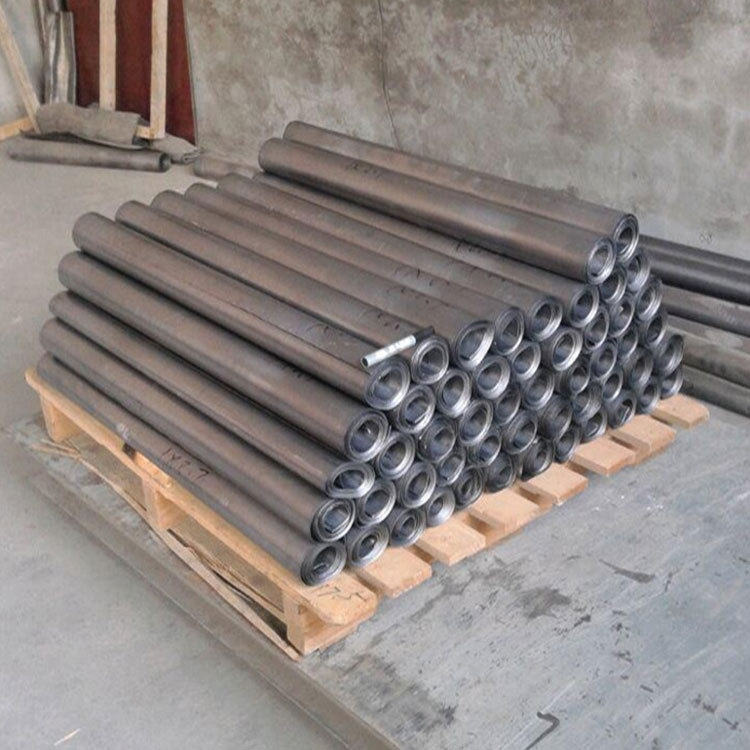
To make an informed decision when purchasing lead sheets, consider the following technical and practical factors:
Lead Equivalence (mm Pb)
This measures how much radiation the sheet blocks compared to pure lead. Common values range from 0.25 mm to 1.0 mm Pb. Higher equivalence means better protection but also increased weight and cost. For general diagnostic X-ray rooms, 0.5 mm Pb is standard.
Sheet Dimensions and Thickness Tolerance
Standard sizes include 2 ft x 4 ft, 4 ft x 8 ft, or roll forms up to 4 ft wide. Ensure consistent thickness across the entire surface—variations greater than ±0.02 mm can compromise shielding integrity.
Density and Uniformity
Uniform density ensures even radiation absorption. Request certification (e.g., ASTM E1114) confirming homogeneity, especially for critical installations.
Surface Coating and Corrosion Resistance
Vinyl or epoxy coatings protect against oxidation and physical damage. Check peel strength and chemical resistance ratings if used in humid or sterilized environments.
Fire Rating and Building Code Compliance
In commercial construction, lead sheets must meet fire safety codes (e.g., ASTM E84). Verify whether the product carries Class A fire rating or complies with International Building Code (IBC) standards.
Environmental and Safety Certifications
Look for RoHS, REACH, or LEED compliance, particularly for lead-free or low-emission products. OSHA guidelines recommend minimizing airborne lead dust during installation 3.
Pros and Cons of Using Lead Sheets
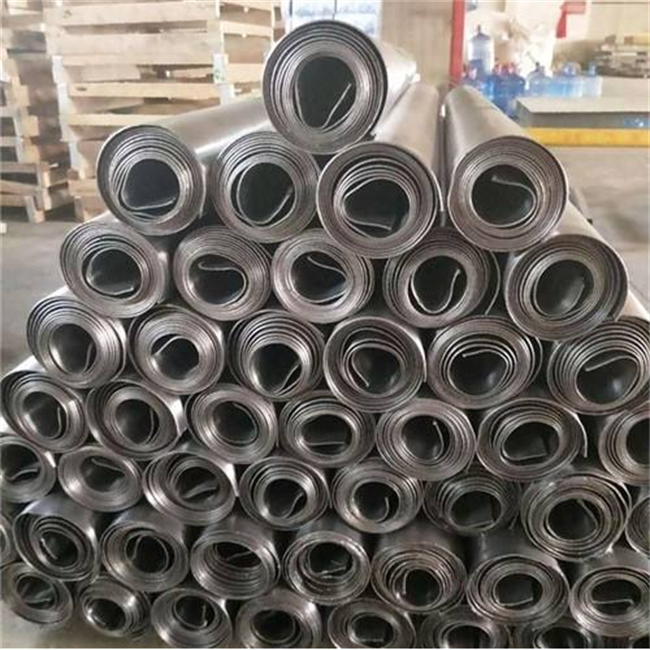
Advantages:
- Proven effectiveness in blocking ionizing radiation.
- Long service life when properly installed and maintained.
- Flexible integration into architectural designs and mobile units.
- Available in various thicknesses and protective finishes.
Disadvantages:
- Heavy weight increases labor and structural support needs.
- Potential health hazard if damaged or improperly handled.
- Environmental concerns related to disposal and recycling.
- Requires professional installation for permanent shielding applications.
Lead sheets are ideal for fixed installations in radiology departments or industrial enclosures. However, they may not be optimal for temporary setups or situations requiring frequent relocation due to their mass and rigidity.
How to Choose Lead Sheets: Step-by-Step Buying Guide
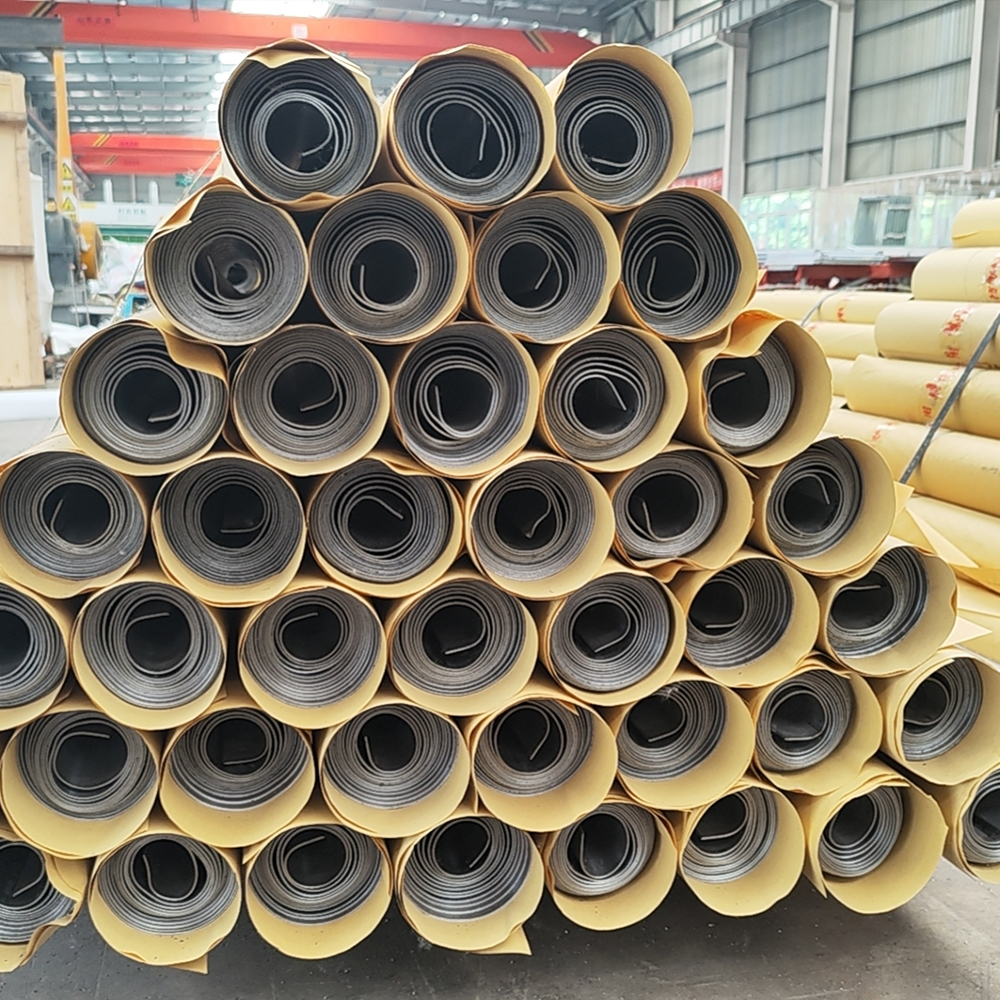
Follow this structured approach to ensure you select the right lead sheet for your needs:
- Determine Your Application: Is it for medical imaging, veterinary use, or industrial testing? Each setting has different exposure levels and regulatory requirements.
- Assess Required Lead Equivalence: Consult a radiation safety officer or physicist to determine the necessary Pb equivalence based on equipment kVp and workload.
- Select the Appropriate Type: Choose between pure lead, coated, composite, or lead-free depending on safety, weight, and environmental priorities.
- Verify Size and Form Factor: Measure installation areas precisely. Consider roll-form sheets for large surfaces or pre-cut panels for ease of assembly.
- Check for Certifications: Confirm ASTM, ISO, or NEMA compliance. Ask for test reports showing actual Pb equivalence and density uniformity.
- Evaluate Supplier Reputation: Prioritize vendors with proven track records, clear documentation, and responsive customer service.
- Review Installation and Handling Requirements: Plan for proper tools, PPE, and waste management protocols, especially when cutting or modifying sheets.
- Avoid Red Flags: Be cautious of unusually low prices, missing certifications, vague specs, or lack of return policies.
Price & Market Insights
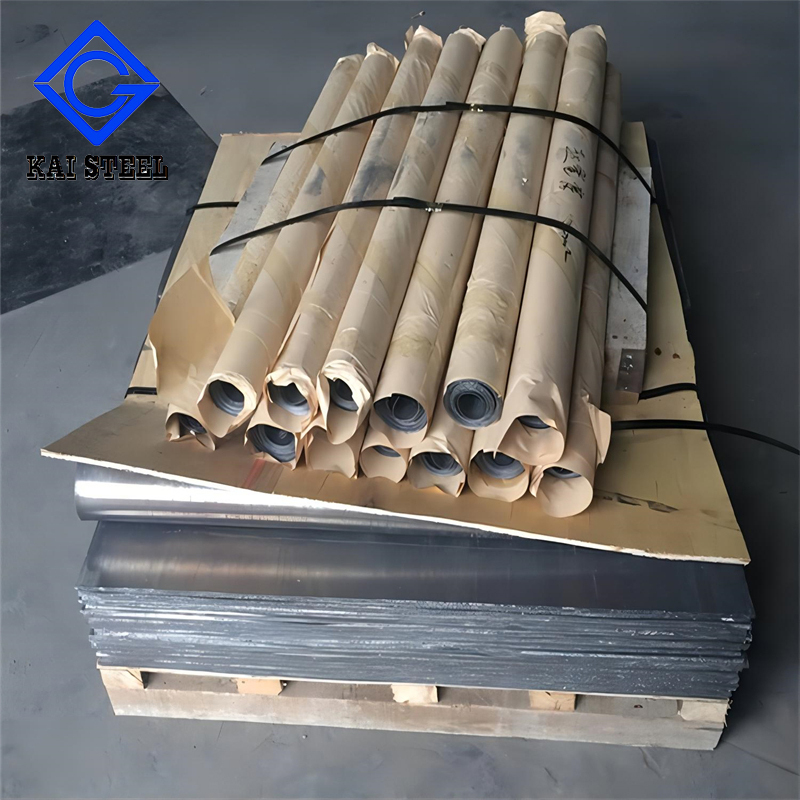
As of 2024, prices for lead sheets vary widely based on type, thickness, and supplier:
- Pure lead sheets: $3–$7 per square foot (0.5 mm Pb).
- Vinyl-coated: $5–$10 per sq ft.
- Composite or lead-free: $8–$15+ per sq ft.
Higher-priced products often include warranties, detailed certifications, and technical support. Bulk purchases (e.g., full-room shielding kits) typically offer volume discounts. While cheaper options exist, under-spec’d or uncertified materials pose safety and compliance risks. Focus on total value—not just upfront cost—especially in regulated environments.
| Type | Thickness (Pb eq.) | Price Range (per sq ft) | Best For |
|---|---|---|---|
| Pure Lead | 0.5 mm | $3–$7 | Wall/floor shielding in clinics |
| Vinyl-Coated | 0.5 mm | $5–$10 | Hospitals, high-traffic areas |
| Lead Composite | 0.5 mm | $7–$12 | Portable barriers, lightweight needs |
| Lead-Free | 0.5 mm eq. | $10–$15 | Green buildings, sensitive environments |
Top-Seller & Competitive Analysis
Leading brands in the lead sheet market include MarShield, Ray-Bar Engineering, and NELCO Worldwide. These companies offer a broad range of certified products tailored to medical and industrial users.
MarShield’s Flexi-Shield line features durable vinyl-laminated sheets known for consistency and ease of installation. Ray-Bar provides custom-cut solutions with rigorous QA testing, appealing to contractors needing precision fit. NELCO offers competitive pricing on standard-sized sheets, making them popular for budget-conscious projects.
When comparing top sellers, prioritize transparency in specifications over brand name alone. Some lesser-known suppliers provide comparable quality at lower prices—but always request third-party lab results before finalizing orders.
Customer Feedback Synthesis
Based on reviews from professionals and facility managers:
Common Praises:
- “The vinyl-coated sheet was easy to install and looks clean in our new X-ray room.”
- “Density was consistent across all panels—we passed our radiation survey with no issues.”
- “Great customer support helped us choose the right thickness for our dental office.”
Frequent Complaints:
- “Received a batch with visible warping—had to return and wait weeks for replacement.”
- “Product description claimed 0.5 mm Pb, but independent test showed only 0.42 mm.”
- “No SDS sheet included; delayed our project until we got compliance documents.”
These insights highlight the importance of vendor reliability, accurate labeling, and prompt documentation delivery.
Sourcing & Supplier Tips
Buy lead sheets from reputable distributors specializing in radiation protection. Medical supply wholesalers, industrial safety vendors, and dedicated shielding manufacturers are reliable sources.
For bulk purchases, inquire about drop-shipping options or contractor pricing. If considering private labeling or resale, confirm minimum order quantities and warranty terms.
Always inspect shipments upon arrival: check for dents, warping, coating integrity, and correct labeling. Retain samples for future reference or audits. Request Safety Data Sheets (SDS) and product test certificates before installation.
Maintenance, Safety & Legal Considerations
Once installed, lead sheets require minimal maintenance. Inspect periodically for physical damage, especially in high-traffic zones. Clean coated surfaces with mild soap and water—avoid abrasive cleaners.
During installation, workers should wear gloves, masks, and eye protection to prevent lead exposure. Work areas should be well-ventilated, and debris collected using HEPA vacuums to avoid contamination.
Legally, many jurisdictions regulate lead handling and disposal under environmental protection laws (e.g., EPA regulations in the U.S.). Used lead sheets are often classified as hazardous waste and must be recycled through certified facilities.
Ensure your shielding design complies with local radiation safety authorities (e.g., state health departments or NRC agreements). Final installations may require inspection and certification by a qualified medical physicist.
Conclusion
Choosing the right lead sheets involves balancing performance, safety, cost, and regulatory compliance. For most medical imaging applications, a 0.5 mm lead equivalent vinyl-coated sheet offers optimal protection and durability. Always verify product specifications through independent data, select trusted suppliers, and follow safe handling practices. Whether upgrading an existing room or building a new facility, investing in high-quality, certified lead sheets ensures long-term safety and regulatory adherence.
FAQs
What thickness of lead sheet do I need for a dental X-ray room?
Typically, 0.5 mm lead equivalent is sufficient for dental radiography. Confirm with a radiation safety consultant based on equipment output and room layout.
Can I install lead sheets myself?
Yes, for simple retrofits, but professional installation is recommended for full-room shielding to ensure seamless coverage and code compliance.
Are lead-free shielding sheets as effective as lead?
They can be, but often require greater thickness to achieve the same attenuation. Performance varies by composition—request test data for comparison.
How do I dispose of old lead sheets?
Contact a licensed hazardous waste recycler. Never discard lead materials in regular trash due to environmental regulations.
Do lead sheets degrade over time?
Pure lead can oxidize if uncoated, but modern coated or composite sheets remain stable for decades when not physically damaged.




 浙公网安备
33010002000092号
 浙B2-20120091-4