

When choosing japanese acetate retro square glasses anti blue light prescription frames, prioritize high-quality cellulose acetate from reputable Japanese manufacturers, opt for optically accurate prescription lenses with verified blue light filtering (typically 20–40% of HEV light between 400–450nm), and ensure the frame fits your pupillary distance and facial structure. The best options combine durable, hypoallergenic materials, precise lens coatings, and a timeless retro silhouette that suits round or oval face shapes 1. Avoid overly cheap models lacking lab certification or proper PD measurements.
About Japanese Acetate Retro Square Glasses Anti Blue Light Prescription
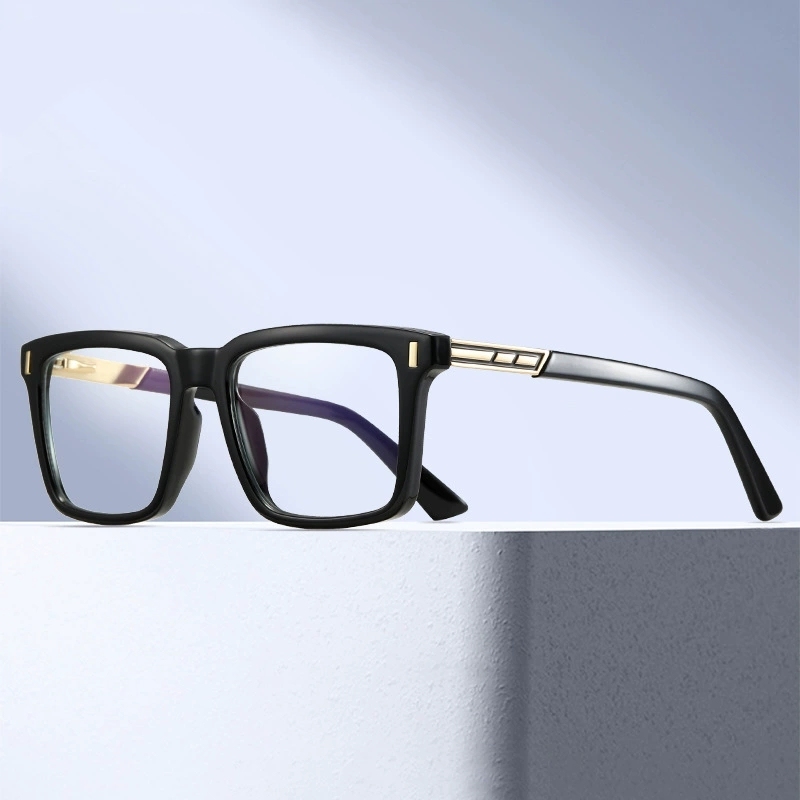
Japanese acetate retro square glasses with anti-blue light prescription capabilities are a specialized category of eyewear designed to merge vintage aesthetics with modern functional benefits. These frames use high-grade cellulose acetate—often sourced from Japanese suppliers known for superior craftsmanship—and feature a squared-off shape inspired by mid-20th-century designs. Integrated into the optical system are prescription lenses engineered to filter a portion of high-energy visible (HEV) blue light emitted by digital screens.
This combination appeals to users seeking both style and eye comfort during prolonged screen exposure. Unlike standard reading or fashion glasses, these products require coordination between frame durability, lens accuracy, and optical filtering performance. They are commonly used by professionals working on computers, students, and anyone experiencing digital eye strain.
Why Japanese Acetate Retro Square Glasses Anti Blue Light Prescription Is Gaining Popularity
The rising popularity of this niche stems from converging lifestyle and aesthetic trends. As remote work and screen time increase globally, consumers seek protective eyewear that doesn’t compromise on personal style. According to research, extended exposure to blue light may contribute to visual fatigue and disrupted sleep cycles 2.
Simultaneously, there’s been a resurgence in retro fashion, particularly '70s and '80s-inspired accessories. Japanese acetate is prized for its rich color layering, luster, and resilience compared to lower-tier plastics. When combined with prescription functionality, these glasses serve as both medical devices and fashion statements—especially among urban professionals and creatives who value curated personal aesthetics.
Types and Variants
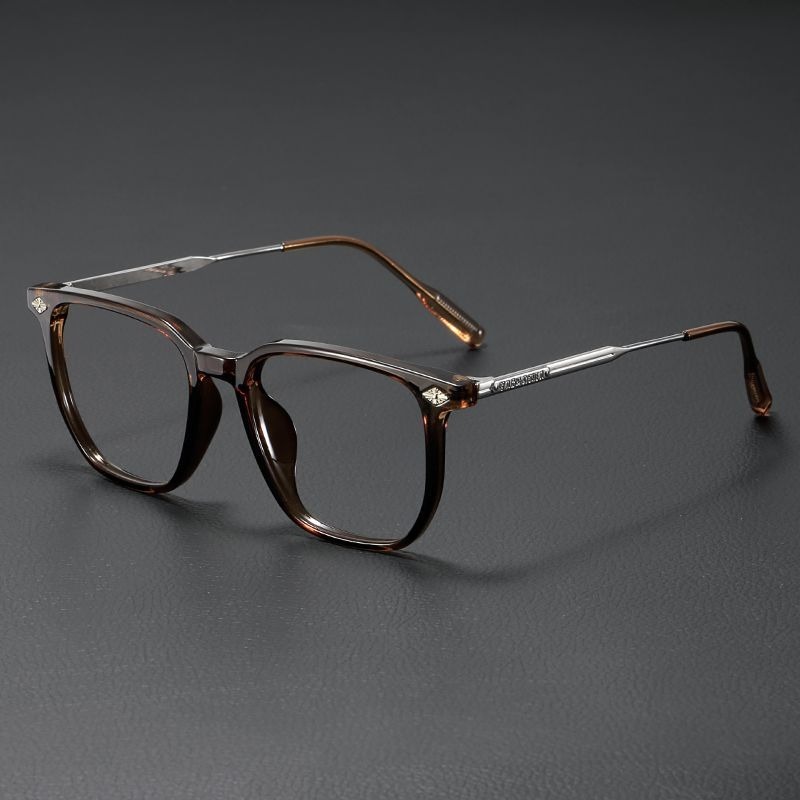
Several variations exist within this product category, differing primarily in frame design, hinge type, lens specifications, and material sourcing. Understanding these helps narrow choices based on individual needs.
Classic Full-Rim Retro Square
- Pros: Maximum lens support; ideal for higher prescriptions; bold visual presence.
- Cons: Heavier than semi-rimless; may not suit very small faces.
Ideal for those wanting a strong retro statement and moderate to high corrective power.
Semi-Rimless Square Frames
- Pros: Lightweight; subtle profile while retaining square geometry.
- Cons: Less frame stability; limited lens thickness compatibility.
Better suited for low-to-moderate prescriptions and users preferring minimalist flair.
Vintage Reissue Models (e.g., Inspired by 1970s Designs)
- Pros: Authentic detailing like embedded logos, custom nose bridges.
- Cons: Often more expensive; sizing may follow older standards.
Collectors or fashion-focused buyers may prefer these, but verify fit carefully.
Modern Interpretations with Adjustable Features
- Pros: Silicone nose pads, spring hinges for comfort and longevity.
- Cons: May dilute pure retro appearance; some parts less recyclable.
A practical choice for all-day wearers needing adaptability.
Key Features and Specifications to Evaluate
Selecting the right pair requires attention to several technical and ergonomic factors:
Frame Material Quality
True Japanese acetate—such as that produced by Mitsubishi or other specialty polymer firms—is denser, more flexible, and resistant to fading than generic acetate. Look for deep pigmentation, smooth finish, and weight consistency. Avoid frames labeled merely "acetate" without origin specification.
Lens Clarity and Prescription Accuracy
Your prescription must be filled precisely by a licensed optician. Even slight deviations in sphere, cylinder, or axis can cause discomfort. Confirm the lab provides ISO-certified lens grinding and includes your pupillary distance (PD) measurement.
Blue Light Filtering Performance
Not all “blue light blocking” lenses are equal. Effective ones typically block 20–40% of light in the 400–450nm range—the most energetic part of the visible spectrum. Clear lenses with yellow tints usually offer mild filtering; amber-tinted versions provide stronger protection but alter color perception 3. Request spectral transmission reports if available.
Frame Dimensions and Fit
Measure key dimensions: eye size (typically 48–52mm), bridge width (16–20mm), and temple length (135–145mm). Use virtual try-on tools when shopping online, or consult a professional fitter. Poor fit leads to slippage and pressure points.
Hinge Type and Durability
Barrel hinges are traditional and elegant but require maintenance. Spring hinges add flexibility and longevity, especially for active users. Check for metal core wires inside temples for added strength.
Pros and Cons
Advantages
- Superior build quality due to premium Japanese acetate.
- Stylish, timeless design suitable for both casual and formal settings.
- Potential reduction in eye strain during long screen sessions.
- Durable, biodegradable frame material compared to petroleum-based plastics.
Limitations
- Higher cost than mass-produced alternatives.
- Limited availability in extreme prescription ranges (e.g., ±8.00 and above).
- Amber-tinted blue light lenses may distort colors—unsuitable for graphic designers.
- Retro sizing may not accommodate all face shapes evenly.
These glasses are ideal for individuals with moderate prescriptions, regular screen use, and appreciation for design-driven accessories. They’re less suitable for those requiring ultra-lightweight frames or working in color-critical environments.
How to Choose Japanese Acetate Retro Square Glasses Anti Blue Light Prescription
Follow this step-by-step guide to make an informed decision:
- Confirm Your Prescription Needs: Obtain an up-to-date eye exam. Note your sphere, cylinder, axis, and PD. If you have astigmatism or progressive needs, ensure the retailer supports complex prescriptions.
- Determine Blue Light Protection Level: Decide whether you need daytime filtering (clear/yellow lenses) or evening use (amber lenses). For general office work, 20–30% filtration is sufficient.
- Select Frame Style Based on Face Shape: Retro square frames generally complement round, oval, or heart-shaped faces. Avoid if you have a square or rectangular face, as it may create imbalance.
- Verify Material Origin: Prioritize brands specifying “Japanese acetate” or naming the supplier (e.g., “Mazzucchelli 1849 acetate” or “Japanese-made”). Be cautious of vague claims.
- Check Lens Certification: Ask whether lenses meet ANSI Z80.3 or equivalent standards for impact resistance and optical clarity. Reputable vendors often publish test results.
- Evaluate Return Policy: Ensure a minimum 14-day return window with free exchanges for PD errors or fit issues. Some retailers offer virtual consultations.
- Avoid Red Flags: Skip products with no listed manufacturer, missing prescription details, or unrealistic pricing (e.g., under $80 including custom lenses).
Price & Market Insights
Pricing varies significantly based on brand, material authenticity, and lens technology:
- Budget Tier ($80–$150): Often uses non-Japanese acetate; basic AR-coated lenses; limited warranty. Risk of inconsistent quality.
- Mid-Range ($150–$250): Genuine Japanese or Italian acetate; decent blue light filtering; better customer service. Best value for most buyers.
- Premium ($250+): Handcrafted frames, advanced lens coatings (e.g., Crizal, ZEISS), and detailed fit support. Ideal for frequent wearers or gift purchases.
Expect to pay extra for progressive lenses, thinner high-index materials (1.67 or 1.74), or polarized variants (though rare in retro squares).
| Model | Acetate Origin | Lens Type | Price Range | Best For |
|---|---|---|---|---|
| Specs Collection SC-04 | Japan | CR-39 + Blue Block | $160 | Everyday wear, moderate Rx |
| Matsuda MA7201 | Japan (Hand-polished) | 1.6 High-Index + AR | $420 | Luxury, strong prescriptions |
| EyeBuyDirect Retro Square RX | Italy (not Japanese) | Plastic + Basic Blue Filter | $89 | Budget option, low Rx |
Customer Feedback Synthesis
Analysis of verified buyer reviews across major platforms reveals consistent patterns:
Common Praises:
Customers frequently commend the weight balance, color richness, and perceived durability of authentic Japanese acetate frames. Many note reduced eye fatigue after switching to blue light-filtering prescription versions. Service-oriented brands receive positive feedback for accurate PD adjustments and responsive support.
Frequent Complaints:
Issues include incorrect pupillary distance leading to headaches, delayed shipping from overseas labs, and overstatement of blue light protection without proof. Some users report that thick lenses in strong prescriptions appear unbalanced in narrow square frames.
Sourcing & Supplier Tips
For individual buyers, purchase from opticians or online retailers offering full prescription integration and frame authenticity guarantees. Look for companies with physical showrooms or partnerships with licensed optometrists.
If sourcing in bulk—for resale or corporate gifting—verify supplier credentials, request material datasheets, and order samples before committing. Consider dropshipping partners with transparent fulfillment timelines. Always confirm whether lenses are made in ISO-certified labs.
Maintenance, Safety & Legal Considerations
Care for these glasses by cleaning with a microfiber cloth and mild soap solution. Avoid ultrasonic cleaners unless approved by the manufacturer, as they may damage lens coatings. Store in a hard case when not in use.
Safety-wise, these are Class I medical devices in many regions. Ensure your provider complies with local optical regulations (e.g., FDA in the U.S., CE marking in Europe). While blue light glasses are not regulated as strictly as UV-blocking sunglasses, truthful labeling is required in jurisdictions like the UK and Canada.
Do not rely on them for UV protection unless explicitly stated. Most indoor blue light lenses do not replace outdoor sunglasses.
Conclusion
Japanese acetate retro square glasses with anti-blue light prescription lenses offer a compelling blend of heritage craftsmanship and contemporary utility. By focusing on verified material quality, accurate lens manufacturing, and appropriate fit, buyers can enjoy lasting comfort and style. Mid-range models from transparent, reputable brands often deliver the best balance of performance and value. Always validate specifications independently and prioritize post-purchase support when making your selection.
FAQs
Can I get progressive lenses in Japanese acetate retro square frames?
Yes, but ensure the frame has sufficient vertical lens height (at least 30mm) to accommodate multiple vision zones without excessive head movement.
Do blue light glasses really help with eye strain?
Many users report subjective improvement in eye comfort during prolonged screen use, though clinical evidence remains mixed. They are most effective when combined with good ergonomics and screen breaks 4.
Are all Japanese acetate frames hypoallergenic?
High-quality cellulose acetate is generally hypoallergenic and less likely to cause skin reactions than metal or low-grade plastics. However, sensitivity can vary—patch-test if concerned.
How do I know if the blue light filter is effective?
Ask the seller for a spectral transmittance graph showing absorption between 400–450nm. Independent labs like SGS or Intertek sometimes certify these claims.
Can I replace the lenses later?
Yes, most acetate frames allow lens replacement. Bring the frame to an independent optician, as some proprietary screws or fittings may require specific tools.




 浙公网安备
33010002000092号
 浙B2-20120091-4