
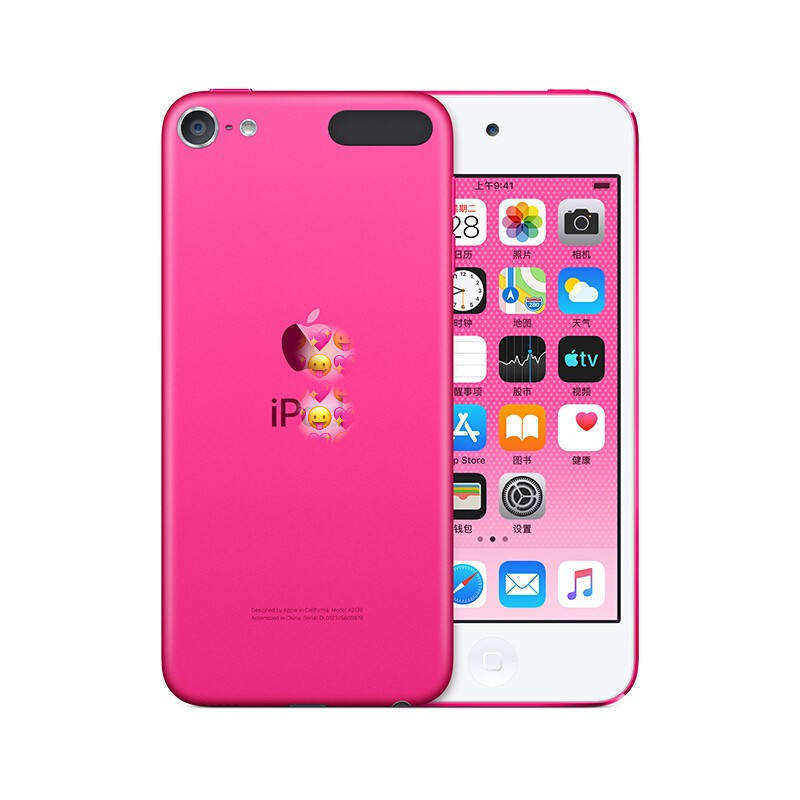
If you're wondering how to choose the best iPod for your needs in 2024, focus on storage capacity, battery longevity, and compatibility with modern services—since Apple discontinued most models, used or refurbished units are now the primary option, especially the iPod touch (7th gen), which supports current iOS apps and streaming platforms 1. While no new iPods are being made, many users still seek a dedicated music or media device without smartphone distractions. For those looking for an affordable iOS experience or a simple way to enjoy music, podcasts, or games, a well-maintained iPod touch remains a viable choice—just ensure it has sufficient storage and a healthy battery before purchasing.
About iPod
The iPod is a line of portable media players developed by Apple Inc., first introduced in 2001 2. Designed primarily for playing digital audio and video, iPods became iconic for their sleek design, intuitive interface, and seamless integration with iTunes. Over the years, several variants were released, including the iPod classic, iPod nano, iPod shuffle, and iPod touch. Each model targeted different user preferences—from minimalist music listeners to touchscreen-based multimedia consumers.
Typical use cases include listening to music during workouts, commuting, or studying, as well as running lightweight iOS apps and games. Unlike smartphones, iPods offer a distraction-free environment, making them ideal for focused listening or limiting screen time. The iPod touch, in particular, functions like an iPhone without cellular connectivity, supporting Wi-Fi-based apps, messaging, and even FaceTime 3.
Why iPod Is Gaining Popularity Again
Despite Apple discontinuing all iPod models—ending production with the 7th generation iPod touch in May 2022 4—interest in iPods has seen a resurgence. This revival stems from nostalgia, minimalism trends, and growing demand for devices that reduce digital overload. Many parents are choosing iPod touches for children as a safer alternative to smartphones, offering app access without calling or data risks.
Additionally, audiophiles appreciate the iPod classic’s large storage for lossless music libraries, while collectors and retro tech enthusiasts seek out vintage models. In education and fitness settings, iPods are also used as low-cost tools for language learning, music practice, or gym sessions where phone use may be impractical.
Types and Variants
Understanding the differences between iPod models is essential when deciding which one suits your needs.
iPod touch (7th Generation)
- Pros: Runs modern iOS, supports App Store, camera, gaming, Wi-Fi calling, email, and streaming apps like Spotify and YouTube 5.
- Cons: No longer manufactured; battery degradation common in used units; limited to Wi-Fi only.
iPod classic
- Pros: Up to 160GB storage; perfect for offline music lovers; click wheel navigation favored by some users.
- Cons: Discontinued since 2014; incompatible with newer iTunes versions unless manually managed; fragile hard drive prone to failure 6.
iPod nano (7th Gen)
- Pros: Compact, wearable design; good battery life; integrates with fitness tracking via third-party apps.
- Cons: Limited functionality after 2017; no camera or app support; small screen limits usability.
iPod shuffle
- Pros: Ultra-portable; voice feedback feature; ideal for runners.
- Cons: No display; very limited control over playback; discontinued and rare.
Key Features and Specifications to Evaluate
When shopping for a used or refurbished iPod, consider these critical factors:
- Storage Capacity: Ranges from 32GB to 128GB on the iPod touch. Choose based on whether you’ll store music, videos, or apps. For heavy media users, 128GB is recommended 7.
- Battery Health: Since iPods are no longer new, check cycle count if possible. Batteries degrade over time—look for at least 80% capacity for reliable daily use.
- Operating System Compatibility: The 7th-gen iPod touch runs up to iOS 15, but not all apps remain compatible. Verify if your desired apps still support the device.
- Physical Condition: Inspect for screen scratches, button responsiveness, and charging port wear. Avoid units with liquid damage indicators triggered.
- Wi-Fi & Bluetooth: Ensure wireless connectivity works properly, especially if using streaming services or syncing with accessories.
Pros and Cons
When an iPod makes sense:
- You want a simple, affordable iOS device for music and light app usage.
- You’re buying for a child and want controlled internet access.
- You prefer a distraction-free music experience.
- You need a secondary device for workouts or travel.
When to avoid:
- You need cellular connectivity or phone capabilities.
- You require long-term software updates or security patches.
- You depend on cutting-edge apps or cloud sync reliability.
- You can’t verify the battery health or source authenticity.
How to Choose iPod: Step-by-Step Guide
- Determine Your Use Case: Are you using it mainly for music, apps, or as a gift? This will guide model selection.
- Select the Right Model: Opt for iPod touch if you want full iOS functionality; choose classic only if you have a large local music library.
- Set a Budget: Expect to pay $80–$150 for a used/refurbished iPod touch depending on storage and condition 8.
- Verify Seller Reputation: Buy from trusted sellers with return policies. Check reviews and ratings, especially on marketplaces.
- Check Battery & Functionality: Ask for battery health details. Test upon arrival—check speakers, mic, buttons, and Wi-Fi.
- Avoid Red Flags: Steer clear of devices with iCloud locks (“Activation Lock”), water damage signs, or inconsistent serial numbers.
- Confirm OS & App Support: Make sure the device can run essential apps like Apple Music, Spotify, or educational tools you plan to use.
Price & Market Insights
With no new iPods available, pricing depends heavily on condition, storage, and seller type. As of 2024, here’s a general range:
- Refurbished iPod touch (32GB): $80–$100
- Used iPod touch (128GB): $120–$160
- Vintage iPod classic (160GB): $100–$200 (collector’s premium)
Prices vary by region and availability. Certified refurbished units from reputable vendors often include warranties and better quality control than private sellers. Be cautious of deals that seem too good to be true—they may involve stolen or non-functional devices.
| Model | Max Storage | OS Support | Current Avg Price | Best For |
|---|---|---|---|---|
| iPod touch (7th gen) | 128GB | iOS 15 | $120–$160 | Apps, streaming, kids |
| iPod classic | 160GB | iTunes (legacy) | $100–$200 | Offline music libraries |
| iPod nano (7th gen) | 16GB | Limited | $50–$90 | Fitness, portability |
Customer Feedback Synthesis
Analysis of buyer reviews across retail and auction platforms reveals consistent themes:
Common Praises:
- “Perfect starter device for my teenager.”
- “Great sound quality and easy to set up with Apple ID.”
- “Still runs games and music smoothly after six months.”
Recurring Complaints:
- “Battery died within two weeks—wish I’d checked health first.”
- “Couldn’t activate due to unknown iCloud lock.”
- “Screen was cracked despite listing saying ‘like new.’”
The most frequent issues relate to undisclosed damage, poor battery performance, and activation problems. Buyers who inspect thoroughly and purchase from vetted sources report higher satisfaction.
Sourcing & Supplier Tips
Where you buy matters. Consider these options:
- Certified Refurbishers: Companies like Gazelle or Decluttr provide tested devices with warranties 9.
- Trusted Marketplaces: eBay and Amazon Renewed offer buyer protection and return windows.
- Avoid Unverified Sellers: Private listings with no return policy increase risk.
If sourcing in bulk (e.g., for schools or resale), request batch testing reports and verify IMEI/serial numbers against Apple’s activation status tool. Always test devices upon receipt.
Maintenance, Safety & Legal Considerations
To extend lifespan:
- Use original or MFi-certified cables to prevent charging issues.
- Keep software updated to the latest supported version for security.
- Store in cool, dry places—avoid extreme temperatures that harm batteries.
Safety-wise, avoid using damaged batteries or chargers. If the device overheats or swells, discontinue use immediately.
Legally, ensure the iPod isn’t reported lost or stolen. Activation Lock bypassing is prohibited and may result in unusable devices. Only purchase from legitimate sources with clear ownership history.
Conclusion
While Apple no longer produces iPods, the iPod touch (7th generation) remains the most practical option for users seeking a compact, iOS-powered media player. When figuring out how to choose an iPod, prioritize battery health, storage size, and purchase source reliability. For families, students, or anyone wanting a simpler digital experience, a well-chosen iPod can still deliver excellent value. Just remember: buy smart, verify functionality, and avoid locked or damaged units. With careful selection, an iPod can be a durable, enjoyable device—even in the post-iPod era.
FAQs
Can I still buy a new iPod?
No, Apple discontinued all iPod models as of May 2022. You can only purchase used or refurbished units from third-party sellers 10.
Is the iPod touch worth it in 2024?
Yes, if you need an affordable iOS device for music, apps, or supervised child use—provided the battery is in good condition and it meets your storage needs.
How do I check if an iPod is stolen or locked?
Use Apple’s Activation Lock checker at activationlock.apple.com with the device’s IMEI or serial number.
What's the best iPod for kids?
The iPod touch is ideal—it allows parental controls, app downloads, and communication via Wi-Fi, without cellular charges or unrestricted access.
Does the iPod touch support Spotify and Apple Music?
Yes, both apps are available on the App Store for iPod touch (7th gen) and function fully over Wi-Fi 11.




 浙公网安备
33010002000092号
 浙B2-20120091-4