
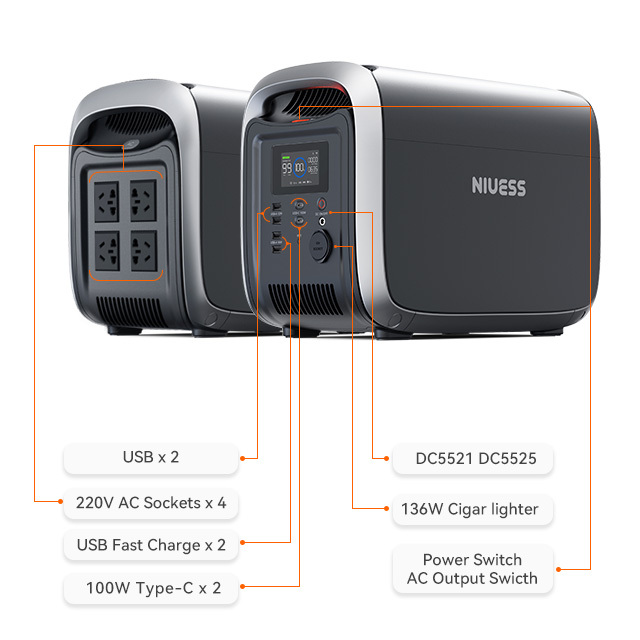
When selecting the best inverter and battery combo for your home or office, prioritize matching the system's power output and battery capacity to your essential load requirements. A properly sized pure sine wave inverter paired with a deep-cycle lead-acid or lithium-ion battery ensures stable, safe power for electronics during outages 1. Key considerations include total wattage needs, runtime expectations, installation environment, and whether you need off-grid, hybrid, or UPS-style functionality. For most households seeking uninterrupted power for lights, routers, fans, and refrigerators, a 600VA–1200VA inverter with a 100Ah sealed lead-acid or LiFePO4 battery offers optimal balance of cost, performance, and longevity.
About Inverter and Battery Systems
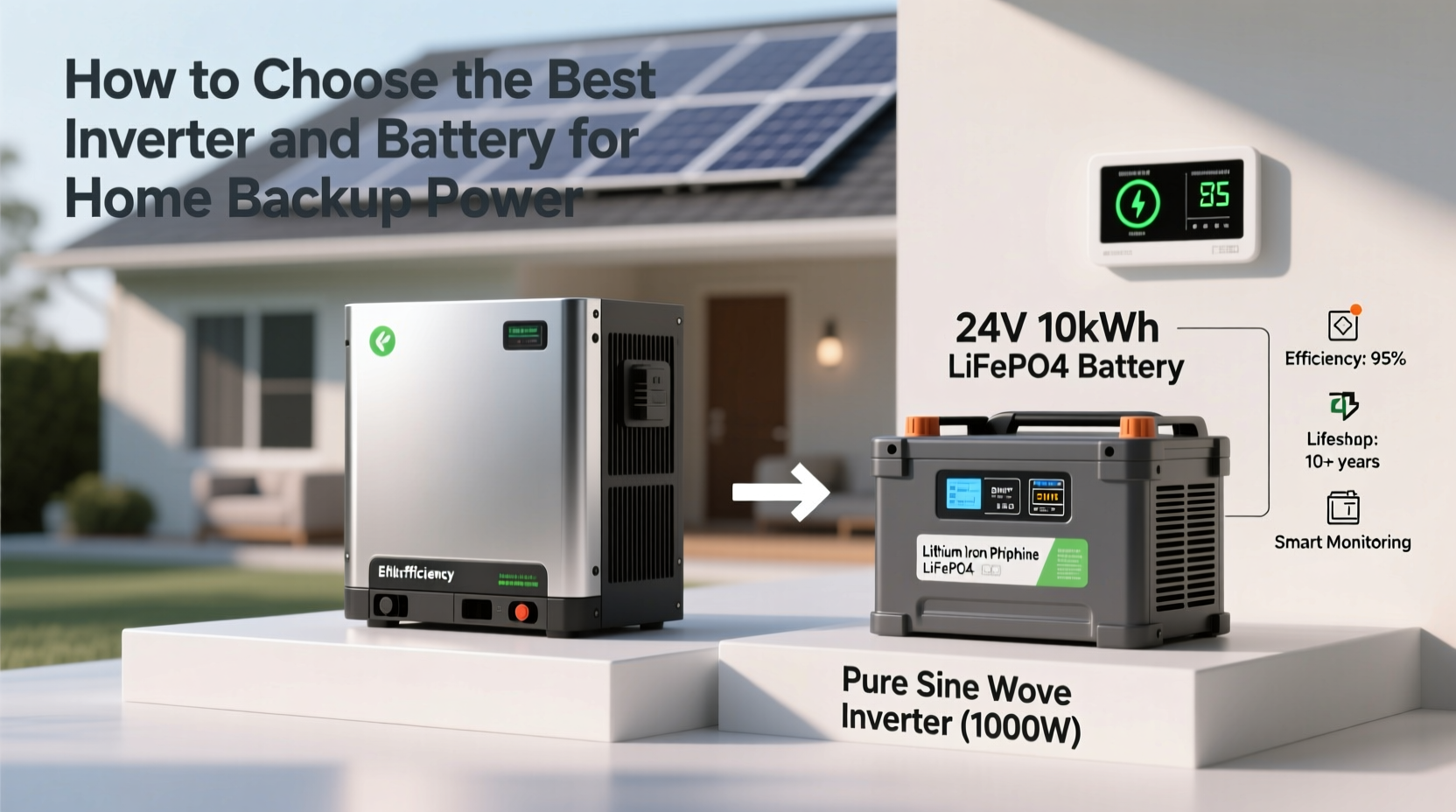
An inverter and battery system converts stored DC (direct current) energy from a battery into usable AC (alternating current) electricity that powers household appliances. The inverter is the electronic device responsible for this conversion, while the battery stores electrical energy for later use. Together, they form an independent power backup solution commonly used during grid failures, in remote locations without reliable utility access, or as part of solar energy systems.
These systems are widely deployed in homes, small offices, medical setups (e.g., powering CPAP machines), telecom stations, and rural clinics. Unlike generators that burn fuel, inverter-battery setups operate silently and require minimal maintenance, making them ideal for indoor use and environmentally sensitive areas.
Why Inverter and Battery Systems Are Gaining Popularity
The demand for reliable off-grid and backup power has surged due to increasing electricity instability in many regions, extreme weather events disrupting grids, and growing interest in renewable energy integration. Consumers are shifting away from noisy, polluting diesel generators toward cleaner, quieter alternatives. Solar-compatible inverters allow homeowners to store daytime solar energy in batteries for nighttime or emergency use—reducing dependence on the grid and lowering long-term energy costs.
Additionally, advancements in lithium-ion technology have made high-capacity, lightweight, and longer-lasting batteries more accessible. This shift supports mobile applications such as RVs, camping setups, and portable power stations. As energy independence becomes a priority, more users are asking: how to choose inverter and battery combinations tailored to their specific usage patterns and budget constraints.
Types and Variants of Inverters and Batteries
Not all inverter and battery systems are created equal. Understanding the differences between types helps ensure compatibility and performance alignment with your goals.
Inverter Types
- Modified Sine Wave Inverters: More affordable but produce a stepped waveform that may interfere with sensitive electronics like laptops, audio equipment, or medical devices. Suitable for basic loads such as incandescent lights, heaters, and older motors.
- Pure Sine Wave Inverters: Generate smooth, grid-quality AC power. Ideal for modern electronics, variable-speed motors, and appliances requiring clean power. Recommended if you're running computers, TVs, or refrigerators with digital controls 2.
- Grid-Tie Inverters: Designed to feed solar-generated power back into the utility grid. Not suitable for standalone backup unless paired with battery storage and transfer switches.
- Hybrid Inverters: Combine solar charging, grid interaction, and battery backup in one unit. Best for homes integrating solar panels with backup capability.
Battery Types
- Flooded Lead-Acid (FLA): Traditional, low-cost option requiring regular water topping and ventilation. Durable when maintained but not ideal for confined spaces.
- Sealed Lead-Acid (SLA/VRLA): Maintenance-free, spill-proof variants including AGM (Absorbent Glass Mat) and Gel batteries. AGM batteries offer better shock resistance and faster charging than flooded types.
- Lithium-Ion (LiFePO4 preferred): Higher upfront cost but superior cycle life (2000+ cycles), lighter weight, deeper discharge capability (up to 80–100%), and no maintenance. Lithium systems often include built-in battery management systems (BMS) for safety and longevity.
Key Features and Specifications to Evaluate
To make an informed decision on what to look for in inverter and battery setups, assess these technical parameters:
- Continuous Power Output (Watts): Must exceed the combined running wattage of all devices you plan to power simultaneously. Add 20–30% headroom for surges.
- Peak/Surge Power: Handles short bursts required by motor-driven appliances like refrigerators or air conditioners at startup.
- Battery Voltage (12V, 24V, 48V): Higher voltage systems are more efficient for large loads or solar integration.
- Capacity (Ah and Wh): Amp-hours (Ah) indicate charge storage; watt-hours (Wh = V × Ah) give a clearer picture of actual energy available. For example, a 12V 100Ah battery holds 1,200Wh.
- Efficiency Rating: Look for inverters with >90% efficiency to minimize energy loss during DC-to-AC conversion.
- Charging Source Compatibility: Can it be charged via grid, solar panel, vehicle alternator, or generator? Some models support multi-input charging.
- Low-Voltage Cutoff & Protection Features: Prevents over-discharge, which damages batteries. Also check for overload, short-circuit, and over-temperature protection.
- Runtime Estimation: Calculate expected runtime using:
Total Load (W) ÷ Battery Voltage (V) = Current Draw (A), thenBattery Capacity (Ah) ÷ Current Draw (A) = Hours. Adjust for inefficiencies (~15%) and depth of discharge limits.
Pros and Cons of Inverter and Battery Systems
Advantages
- Silent operation compared to gas/diesel generators
- No emissions or fumes—safe for indoor use
- Low maintenance, especially with sealed or lithium batteries
- Can integrate with solar panels for sustainable energy use
- Instant switchover during power cuts (especially true UPS systems)
- Long lifespan with proper care—lithium units can last 8–10 years
Limitations
- Higher initial investment, particularly for lithium-based systems
- Limited runtime unless oversized or recharged frequently
- Bulkier and heavier than portable generators (for equivalent output)
- Limited ability to run high-wattage appliances like electric stoves or central AC without industrial-grade systems
- Lead-acid batteries degrade faster if deeply discharged regularly
This setup is ideal for those needing quiet, clean backup power for critical loads. However, it’s less suited for extended whole-house power unless paired with solar arrays and substantial battery banks.
How to Choose an Inverter and Battery: Step-by-Step Guide
Follow this structured approach to determine the right configuration:
- List Essential Devices: Identify what you need to run during an outage (e.g., Wi-Fi router, lights, fan, fridge, laptop).
- Calculate Total Wattage: Check nameplate ratings or use a watt meter. Include both running and starting (surge) watts for compressors or pumps.
- Determine Required Runtime: Decide how many hours you want the system to last. Longer runtime requires larger battery capacity.
- Select Inverter Type: Opt for pure sine wave if powering sensitive electronics.
- Choose Battery Chemistry: Prefer AGM for moderate budgets and reliability; go lithium for long-term savings and performance.
- Match Voltages: Ensure inverter input voltage matches battery bank voltage (e.g., 12V inverter with 12V battery).
- Verify Charging Options: Confirm compatibility with your charging sources (grid, solar, etc.).
- Check Safety Certifications: Look for UL, CE, or ETL marks depending on region.
- Assess Physical Space: Ensure adequate ventilation, especially for lead-acid units.
- Review Warranty & Support: Lithium systems should offer at least 3-year warranties; inverters typically come with 1–2 years.
Red flags to avoid: extremely cheap no-name brands, lack of surge protection, absence of thermal shutdown, unclear specifications, or missing compliance labels.
Price & Market Insights
Pricing varies significantly based on components and quality:
- Entry-Level (500–800VA, SLA battery): $200–$400. Suitable for lighting and small electronics.
- Midsized (800–1500VA, AGM or small LiFePO4): $500–$1,000. Powers refrigerators, fans, and modems for several hours.
- High-End (1500VA+, full lithium or dual-battery): $1,200–$3,000+. Often includes solar charging and smart monitoring.
While lithium systems cost more upfront, their longer lifespan and deeper cycling often result in lower cost per cycle over time. Always compare value beyond sticker price—consider durability, warranty, and energy efficiency.
| Model Type | Inverter Output | Battery Type | Estimated Runtime* | Price Range |
|---|---|---|---|---|
| Basic Backup Unit | 800VA / 500W | 12V 75Ah AGM | 2–3 hrs (light load) | $300–$400 |
| Solar-Compatible Hybrid | 1200VA / 1000W | 12V 100Ah LiFePO4 | 5–7 hrs | $800–$1,100 |
| Whole-House Ready | 3000VA / 2500W | 48V 100Ah LiFePO4 | 8–12 hrs | $2,500+ |
*Runtime estimates assume mixed load of 150–300W; actual results vary by usage and battery health.
Customer Feedback Synthesis
Based on aggregated reviews across retail and forum platforms, common themes emerge:
Positive Experiences: Users appreciate seamless transition during blackouts, quiet operation, and ease of installation for plug-and-play units. Lithium models receive praise for compact size, fast recharge, and consistent performance over years. Solar-integrated systems are lauded for reducing electricity bills and environmental impact.
Common Complaints: Some report shorter-than-expected battery life with budget lead-acid units, especially when overloaded or improperly charged. Others note inadequate customer service from lesser-known brands. A recurring issue involves undersized systems failing to support refrigerator startups despite appearing sufficient on paper—highlighting the importance of surge capacity assessment.
Sourcing & Supplier Tips
Purchase from authorized dealers or reputable online retailers (e.g., Home Depot, Amazon, or specialty solar suppliers). For bulk purchases or resale, consider working directly with manufacturers or distributors offering OEM options. When sourcing internationally, verify voltage compatibility (110V vs 220V) and local certification requirements.
Before accepting shipment, inspect packaging for damage and test functionality upon arrival. Request datasheets and confirm model numbers match advertised specs. If buying used or refurbished units, only consider those with recent servicing records and battery health reports.
Maintenance, Safety & Legal Considerations
Proper upkeep extends system life and prevents hazards:
- For Lead-Acid: Check electrolyte levels monthly (if applicable), keep terminals clean, and recharge promptly after use.
- For All Types: Store in cool, dry, ventilated areas. Avoid extreme temperatures.
- Fire Risk: Install away from flammable materials. Lithium batteries should have BMS to prevent thermal runaway.
- Disposal: Recycle old batteries responsibly through certified e-waste handlers—do not dispose in regular trash.
- Electrical Codes: In some jurisdictions, permanent installations must comply with national wiring standards (e.g., NEC in the U.S.) and may require permits or licensed electricians.
Always follow manufacturer guidelines for mounting, grounding, and fuse placement to ensure safe operation.
Conclusion
Choosing the right inverter and battery system hinges on understanding your power needs, intended use case, and long-term goals. Whether you're preparing for frequent outages, living off-grid, or integrating solar energy, a well-matched setup delivers reliable, clean electricity without noise or pollution. Prioritize pure sine wave output, sufficient surge capacity, and quality battery chemistry—especially lithium iron phosphate for demanding or daily use. By evaluating key specs, avoiding underpowered configurations, and sourcing from trusted vendors, you can build a resilient backup power solution that meets your needs for years.
FAQs
Q: How do I know what size inverter and battery I need?
A: Add up the wattage of all devices you want to run simultaneously, account for surge demands, and estimate desired runtime. Use this to select an inverter with adequate continuous and peak power, and pair it with a battery offering enough watt-hours to meet your duration needs.
Q: Can I connect multiple batteries to increase runtime?
A: Yes, batteries can be wired in parallel (to increase capacity) or series (to increase voltage), provided they are identical in type, age, and capacity. Always follow manufacturer instructions to avoid imbalance or damage.
Q: Are lithium inverter and battery systems worth the extra cost?
A: For frequent or daily use, yes. Lithium batteries last longer, charge faster, and offer deeper discharges than lead-acid. Though pricier upfront, they often provide better value over time due to reduced replacement frequency and higher efficiency.
Q: Do I need a professional to install my inverter and battery?
A: Plug-and-play units can be self-installed, but hardwired systems—especially those integrated with solar or home circuits—should be installed by a qualified electrician to ensure safety and code compliance.
Q: How often should I replace the battery?
A: Sealed lead-acid lasts 3–5 years with proper care; flooded types may last longer with maintenance. Lithium (LiFePO4) batteries typically last 8–10 years or 2,000+ cycles. Monitor performance decline and replace when capacity drops below 70%.




 浙公网安备
33010002000092号
 浙B2-20120091-4