
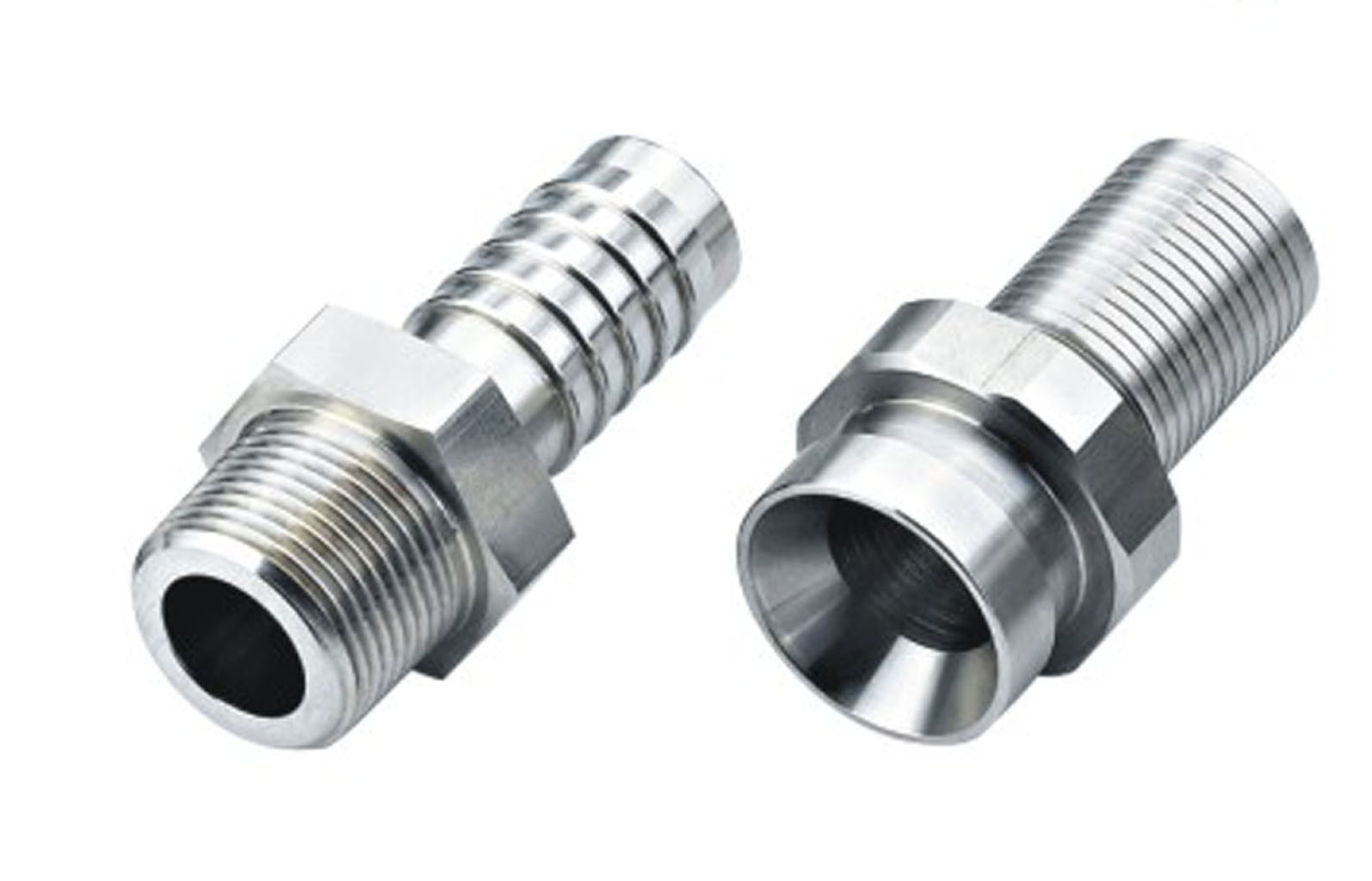
When selecting hydraulic pipe fittings, the best choice depends on your system’s pressure requirements, fluid type, material compatibility, and connection method. For durable, leak-free performance, prioritize fittings made from stainless steel or carbon steel with precise thread standards like JIC 37° flare or SAE straight threads 1. Always match the fitting type—such as flare, compression, or quick-connect—to your hose and tubing specifications to ensure a secure seal. Understanding how to choose hydraulic pipe fittings correctly prevents system failure, reduces downtime, and improves safety in industrial, mobile, and manufacturing applications.
About Hydraulic Pipe Fittings
Hydraulic pipe fittings are mechanical components used to connect, redirect, terminate, or control the flow of hydraulic fluid within a pressurized system. These fittings join hoses, tubes, and pipes in hydraulic machinery, enabling fluid transfer between pumps, valves, actuators, and reservoirs 2. They are essential in maintaining system integrity under high-pressure conditions, which can range from 1,000 to over 6,000 psi depending on application.
Common industries that rely on hydraulic pipe fittings include construction, agriculture, mining, manufacturing, and transportation. Equipment such as excavators, loaders, presses, and CNC machines all depend on properly sealed hydraulic circuits. The reliability of these systems hinges significantly on the correct selection and installation of fittings.
Why Hydraulic Pipe Fittings Are Gaining Popularity
The growing demand for efficient, compact, and high-performance hydraulic systems has increased attention on component quality—especially hydraulic pipe fittings. As machinery becomes more advanced, operators seek fittings that offer faster assembly, better leak resistance, and longer service life 3. Innovations in sealing technology, corrosion-resistant coatings, and modular designs have made modern fittings more reliable than ever.
Additionally, rising maintenance costs and environmental regulations push users toward reusable, recyclable, and low-emission components. This shift favors high-quality fittings that reduce fluid leakage and contamination. With automation expanding across factories and mobile equipment, ensuring consistent hydraulic performance through proper fitting selection is now a priority for engineers and maintenance teams alike.
Types and Variants
Different types of hydraulic pipe fittings serve distinct purposes based on design, sealing mechanism, and compatibility. Below are the most common variants:
1. Flare Fittings (JIC 37°)
These use a conical seat formed by flaring the tube end at a 37-degree angle. When tightened, the fitting compresses against the mating surface to create a metal-to-metal seal.
- Pros: High pressure tolerance, reusable, widely standardized.
- Cons: Requires precise flaring; improper prep leads to leaks.
2. O-Ring Boss (ORB)
Features an O-ring seated in the fitting that compresses against the port face. Common in hydraulic adapters and manifolds.
- Pros: Excellent sealing without thread dependency, good for moderate pressures.
- Cons: O-rings may degrade over time; requires careful torque control.
3. SAE Straight Thread
Uses a straight-threaded connection with an O-ring or backup washer to prevent leaks. Often paired with ORB ports.
- Pros: Leak-resistant, easy disassembly, suitable for frequent maintenance.
- Cons: Threads do not carry load; over-torquing damages seals.
4. Bite-Type (DIN/ISO)
Employs a ferrule that bites into the tube when compressed during tightening. Popular in European equipment.
- Pros: Secure grip on tubing, vibration resistant.
- Cons: One-time use in some cases; requires exact insertion depth.
5. Quick-Connect Couplings
Allow rapid attachment and detachment without tools. Used where hoses are frequently changed.
- Pros: Saves time during maintenance, minimizes fluid loss.
- Cons: Potential for accidental disconnection; lower pressure limits than permanent fittings.
Key Features and Specifications to Evaluate
To determine what to look for in hydraulic pipe fittings, consider the following technical parameters:
- Pressure Rating: Must exceed maximum system operating pressure. Check both working and burst pressure ratings 4.
- Material: Stainless steel offers corrosion resistance; carbon steel provides strength at lower cost; brass suits low-pressure setups.
- Size and Thread Type: Match nominal hose/tube size (e.g., -6, -8, -12) and thread standard (NPT, UN/UNF, BSPP, BSPT).
- Sealing Mechanism: Metal-to-metal vs. elastomeric seals affect longevity and temperature tolerance.
- Temperature Range: Ensure compatibility with operating environment (typically −40°C to +120°C).
- Finish/Coating: Zinc plating or passivation enhances rust resistance.
Pros and Cons
Advantages:
- Enable modular and flexible hydraulic circuit design.
- Support high-pressure operation when correctly installed.
- Variety of types allows customization for specific needs.
- Reusable options reduce long-term replacement costs.
Disadvantages:
- Poor installation (e.g., incorrect torque, misalignment) causes leaks or failures.
- Incompatible materials lead to galvanic corrosion.
- Counterfeit or substandard fittings pose safety risks.
- Some types require special tools for assembly (e.g., flaring tools).
Fittings are ideal for dynamic systems requiring maintenance access but less suited for static, sealed loops where welded joints may be preferable.
How to Choose Hydraulic Pipe Fittings
Follow this step-by-step guide to make an informed decision:
- Identify System Requirements: Note operating pressure, fluid type (mineral oil, water-glycol, etc.), and temperature range.
- Determine Tubing/Hose Size: Use dash sizes (“-6” = 3/8″ OD) to match fittings accurately.
- Select Connection Type: Choose flare, ORB, or quick-connect based on frequency of disconnection and vibration exposure.
- Verify Thread Compatibility: Confirm whether your equipment uses NPT, BSPP, or metric threads. Adapters may be needed.
- Choose Material Wisely: Opt for stainless steel in corrosive environments; carbon steel for general use.
- Check Manufacturer Standards: Look for compliance with ISO 8434, SAE J514, or DIN 2353.
- Avoid These Red Flags:
- Missing part numbers or pressure ratings.
- Soft metal that deforms easily.
- No traceability or certification documentation.
- Deviations from standard dimensions.
Price & Market Insights
Hydraulic pipe fittings vary widely in price based on material, brand, and complexity. Basic carbon steel fittings typically range from $1 to $10 each, while stainless steel or specialty alloys can cost $15–$50+ per unit 5. High-volume industrial buyers often negotiate bulk pricing, especially for standardized parts.
Value tiers exist across the market:
- Budget: Generic brands; acceptable for non-critical, low-pressure systems.
- Mid-tier: Reputable suppliers offering ISO-certified products with warranties.
- Premium: Brands like Parker, Eaton, and Festo provide rigorous testing, traceability, and global support.
| Fitting Type | Avg. Price Range | Best For | Brand Examples |
|---|---|---|---|
| JIC Flare | $2–$12 | High-pressure lines, industrial hydraulics | Parker, Swagelok, Eaton |
| ORB | $3–$18 | Adaptors, manifold connections | Hammond, HydraForce |
| Quick-Connect | $5–$40 | Service points, mobile equipment | Stauff, CEJN |
| Stainless Steel Compression | $10–$50 | Food processing, marine | Swagelok, John Guest |
Top-Seller & Competitive Analysis
Leading brands dominate the hydraulic fittings market due to consistency, global availability, and adherence to international standards. Parker Hannifin’s H-series JIC fittings are among the most specified in North America, known for tight tolerances and durability 6. Swagelok excels in instrumentation-grade miniature fittings, favored in test benches and precision systems.
Eaton Weatherhead offers robust carbon steel solutions with anti-seize coatings, while Stauff provides modular clamping and quick-connect systems popular in Europe. When comparing top sellers, assess not just price but also:
- Availability of technical drawings and CAD models.
- Warranty terms and return policies.
- Customer service responsiveness.
- Presence in local distribution networks.
Customer Feedback Synthesis
Analysis of buyer reviews reveals recurring themes:
Positive Feedback:
- “Fittings arrived with clear labeling and matched specs exactly.”
- “No leaks after six months of continuous operation.”
- “Easy to install with standard wrenches.”
Common Complaints:
- “Received wrong thread type despite correct order number.”
- “O-rings were dried out upon arrival.”
- “Inconsistent finish suggesting mixed batches.”
- “Too soft—threads stripped during installation.”
These insights highlight the importance of sourcing from reputable suppliers and inspecting incoming parts before installation.
Sourcing & Supplier Tips
When purchasing hydraulic pipe fittings, consider the following:
- Buy from Authorized Distributors: Ensures authenticity and access to technical support.
- Request Certifications: Ask for material test reports (MTRs) or ISO compliance documents.
- Verify Return Policies: Some vendors allow returns only if unopened.
- Inspect Upon Delivery: Check for damage, correct part numbers, and presence of seals.
- Consider Bulk Procurement: Can yield discounts, but store in dry, clean conditions to avoid corrosion.
Online platforms like Grainger, McMaster-Carr, and Motion & Control Online offer search filters by size, material, and standard, streamlining selection 7.
Maintenance, Safety & Legal Considerations
Proper maintenance extends fitting life and ensures safety. Inspect connections regularly for signs of leakage, corrosion, or vibration-induced loosening. Retorque fittings only if specified by the manufacturer—many modern designs are pre-torqued and should not be adjusted 8.
Safety risks include high-pressure injection injuries from leaking fluid—always depressurize systems before servicing. Use personal protective equipment (PPE) during inspection.
Legally, certain industries (e.g., offshore, aerospace) require fittings to meet regional regulatory standards such as PED (Pressure Equipment Directive) in Europe or ASME B31.4 in the U.S. Verify compliance based on your jurisdiction and application class.
Conclusion
Selecting the right hydraulic pipe fittings involves balancing performance requirements, material compatibility, and installation practices. Whether you're replacing a single connector or designing a new hydraulic circuit, understanding how to choose hydraulic pipe fittings ensures system efficiency, safety, and longevity. Prioritize certified products from trusted manufacturers, verify specifications against your system demands, and always follow proper installation procedures. By doing so, you minimize risk and maximize operational reliability.
FAQs
- What is the difference between JIC and SAE hydraulic fittings?
- JIC uses a 37° flare with tapered threads for sealing, while SAE uses a straight thread with an O-ring. They are not interchangeable without adapters 9.
- Can I mix hydraulic fittings from different brands?
- Yes, if they conform to the same international standard (e.g., ISO 8434-1), but always verify dimensions and torque specs to avoid leaks.
- How do I prevent hydraulic fitting leaks?
- Ensure correct assembly torque, use thread sealant only when required, align components straight, and inspect seals before installation.
- Are stainless steel hydraulic fittings worth the extra cost?
- Yes, in corrosive or high-moisture environments; otherwise, coated carbon steel may suffice for most industrial uses.
- Do hydraulic pipe fittings require regular maintenance?
- Yes, periodic visual inspections for leaks, corrosion, and secure fastening are recommended, especially in vibrating machinery.




 浙公网安备
33010002000092号
 浙B2-20120091-4