

When selecting the best fuel injector cleaning machine for 8 cylinders diesel applications, prioritize models with high-pressure pump capacity (at least 60 psi), compatibility with diesel-specific solvents, and integrated flow-matching technology to ensure balanced cleaning across all injectors 1. Look for units supporting inline or rail-off cleaning methods and built-in pressure regulators to avoid damaging sensitive components. A top recommendation is choosing a system with transparent test bottles and individual cylinder monitoring—this allows real-time assessment of each injector’s performance during service. These features are critical for maintaining engine efficiency and preventing long-term damage in heavy-duty diesel V8 setups.
Short Introduction
Maintaining optimal performance in diesel engines—especially those with eight cylinders—requires precise and regular maintenance of fuel injectors. Over time, carbon buildup, varnish deposits, and contaminated fuel can degrade injector spray patterns, leading to reduced fuel economy, rough idling, and increased emissions. This is where a dedicated fuel injector cleaning machine for 8 cylinders diesel becomes essential. Unlike generic cleaning kits, professional-grade machines offer controlled, thorough cleaning by simulating real-world fuel delivery conditions while allowing diagnostics through flow testing and spray pattern analysis.
This guide will walk you through everything you need to know before purchasing such a unit—from understanding technical specifications to identifying which model fits your usage frequency, workspace setup, and budget.
About Fuel Injector Cleaning Machine 8 Cylinders Diesel
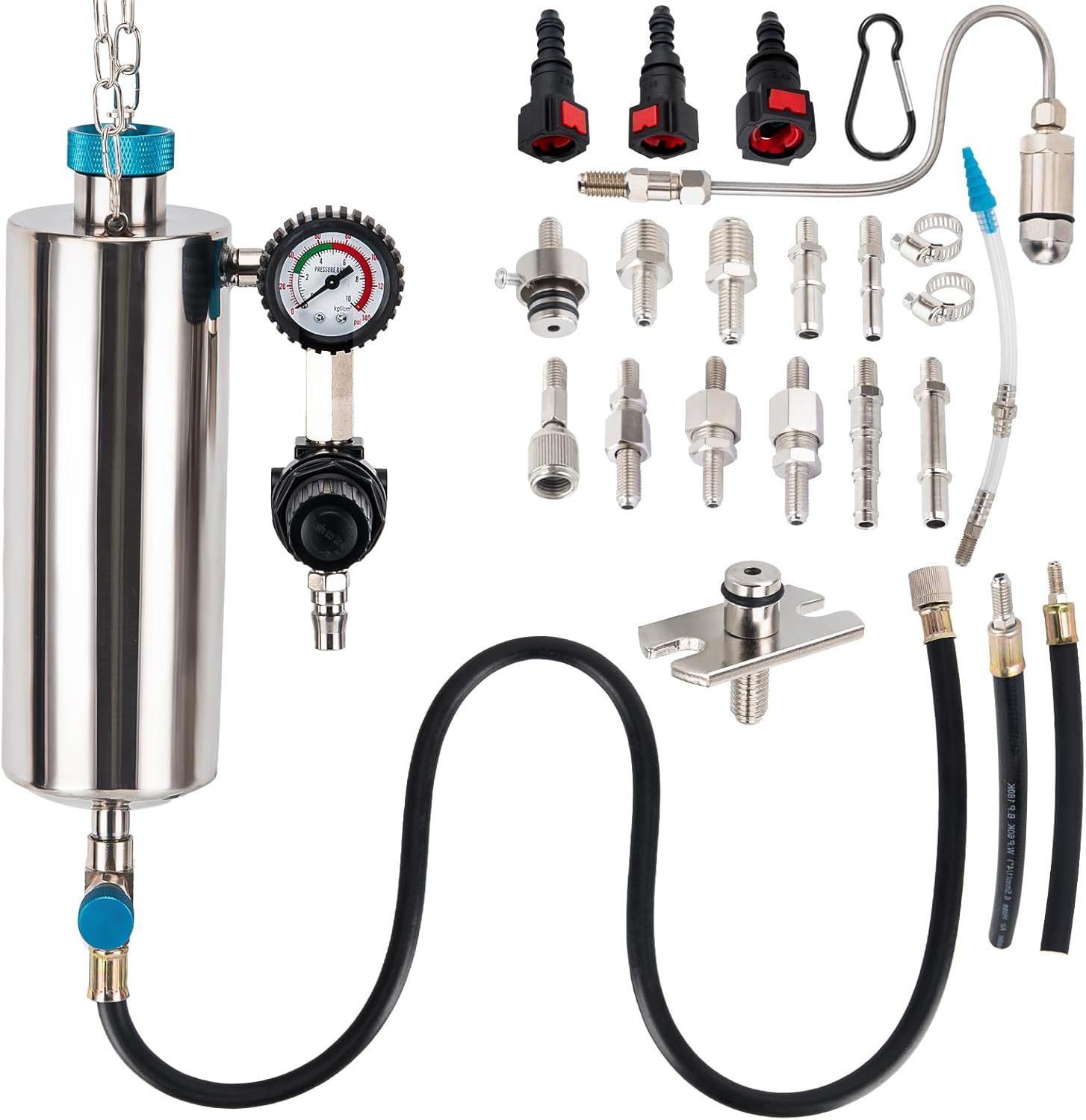
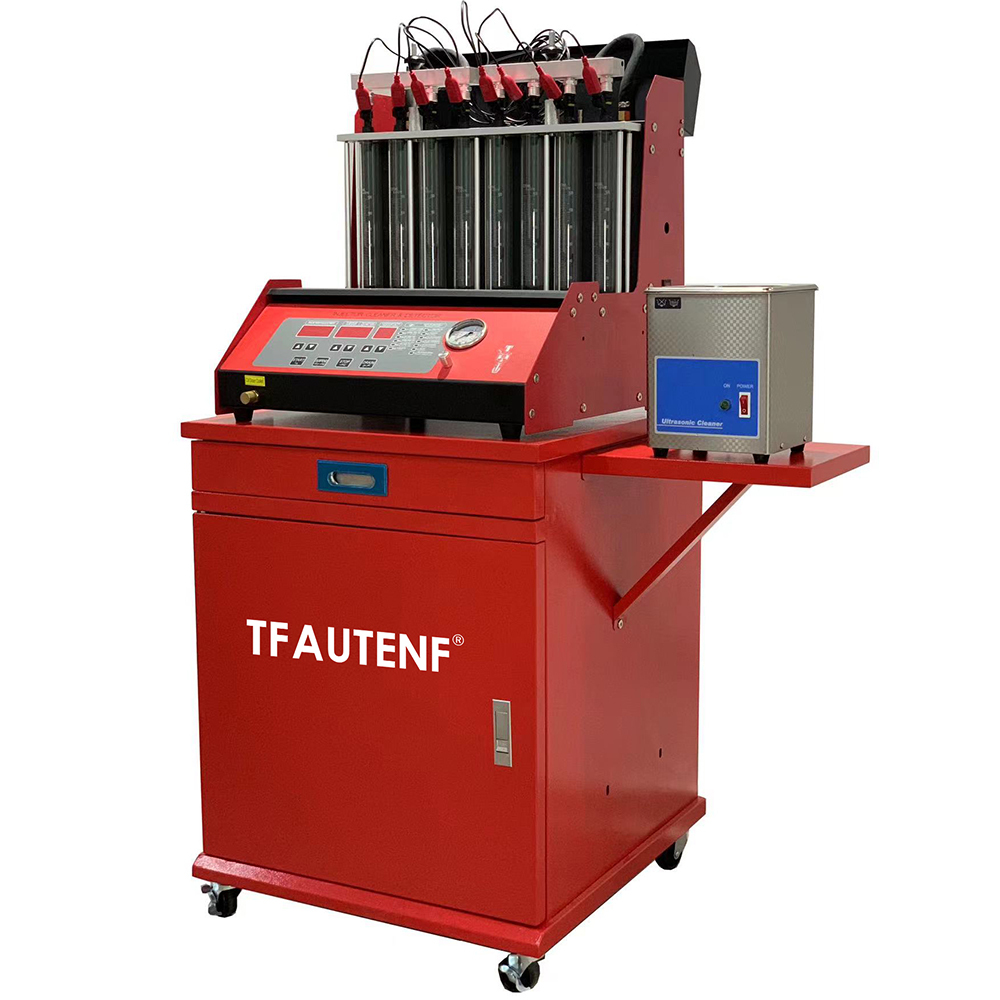
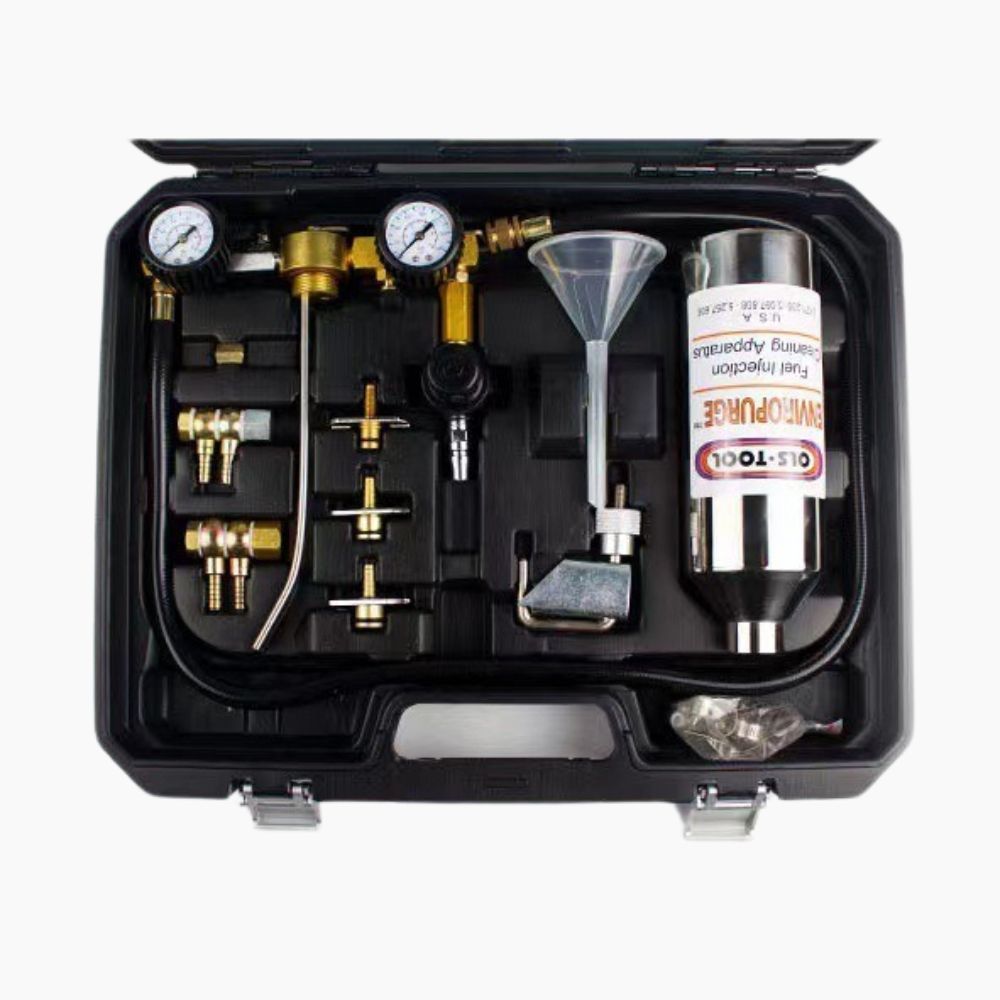
A fuel injector cleaning machine designed specifically for 8-cylinder diesel engines is a specialized tool used to clean, test, and sometimes recalibrate fuel injectors without removing them from the engine (in some cases) or after removal (for more thorough service). These machines connect directly to the fuel rail or use standalone test benches to circulate solvent under pressure, dissolving deposits that impair injector function.
Typical use cases include fleet maintenance shops, independent diesel repair garages, agricultural equipment services, and even advanced DIY mechanics working on trucks like the Ford Power Stroke, GM Duramax, or RAM Cummins. The goal is not just cleaning but also verifying post-cleaning performance using measurable outputs such as fuel flow rate per minute, leak-down rates, and spray symmetry.
Why Fuel Injector Cleaning Machine 8 Cylinders Diesel Is Gaining Popularity
Diesel engines remain dominant in commercial transportation, construction, and agriculture due to their durability and torque output. However, modern high-pressure common rail (HPCR) systems demand extreme precision in fuel delivery. Even minor clogs or sticking pintles in one of eight injectors can throw off combustion balance, triggering error codes or derate modes.
As emission standards tighten globally, preventive maintenance has become more cost-effective than replacement. Replacing a single faulty diesel injector can cost upwards of $500—including labor—while a proper cleaning may resolve issues for under $100 in materials. This economic incentive drives adoption of professional cleaning tools among small-to-mid-sized repair facilities 2.
Additionally, rising fuel prices and supply chain delays make injector longevity a priority. Shops equipped with capable cleaning systems report faster turnaround times and higher customer trust, further fueling demand for reliable multi-cylinder solutions tailored to V8 platforms.
Types and Variants
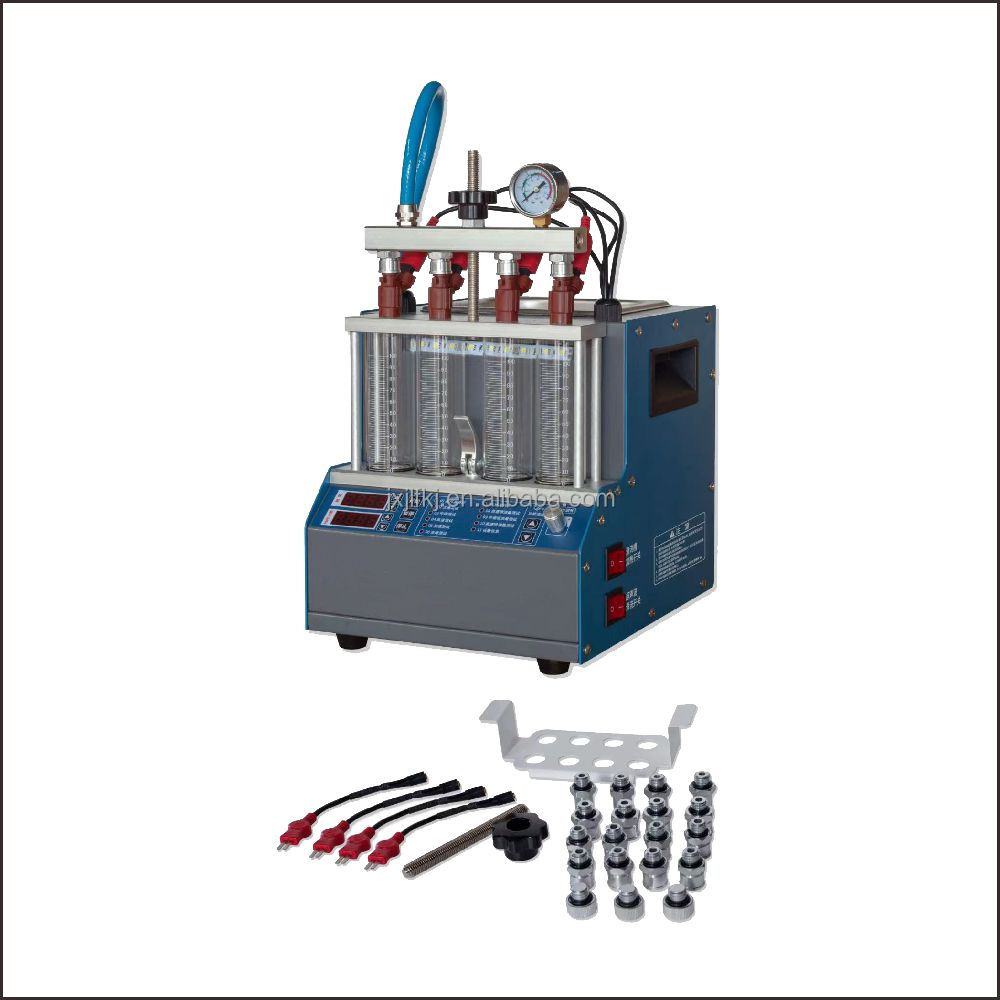
Fuel injector cleaning machines come in several configurations, each suited to different operational needs:
1. In-Line (On-Engine) Cleaning Systems
- Pros: Fast, non-invasive; ideal for preventive maintenance; minimal disassembly required.
- Cons: Limited cleaning power; cannot perform flow tests; ineffective for severely clogged injectors.
- Best For: Routine maintenance every 60,000–100,000 miles.
2. Off-Engine Test Bench Units
- Pros: Full diagnostic capability including flow matching, drip testing, and spray visualization; supports deep cleaning with ultrasonic assist.
- Cons: Requires injector removal; steeper learning curve; higher initial investment.
- Best For: Repair shops diagnosing misfires, power loss, or failed emissions tests.
3. Hybrid Systems (On/Off Rail Capable)
- Pros: Offers flexibility; switch between quick flushes and detailed bench testing.
- Cons: More complex plumbing; requires additional accessories for full functionality.
- Best For: Multi-service garages handling both light-duty and heavy-duty diesel work.
Key Features and Specifications to Evaluate
To choose wisely, evaluate these core aspects when comparing how to choose fuel injector cleaning machine 8 cylinders diesel:
- Pressure Range: Must support at least 50–70 psi for older mechanical injection systems and up to 4,000+ psi for HPCR diesel injectors. Adjustable regulators are crucial.
- Solvent Compatibility: Ensure the machine accepts diesel-specific cleaners (e.g., Chevron Techron, NAPA IC-77) and can handle aggressive chemical solvents without degrading seals.
- Flow Measurement Accuracy: Digital flow meters with ±2% accuracy allow true comparison between all eight cylinders.
- Test Bottle Design: Clear, graduated bottles help visualize fuel return volume and detect leaks or dribbling.
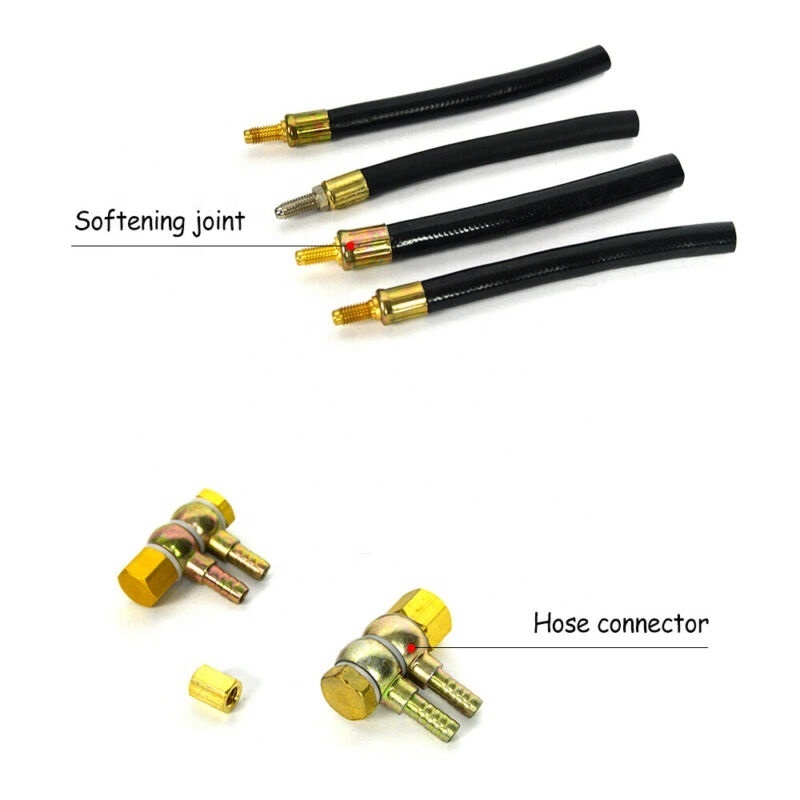
- Connector Kit Inclusion: Verify it includes adapters for major OEM injectors (Bosch, Delphi, Denso, Siemens).
- Software Integration: Some advanced units offer USB or Bluetooth connectivity for data logging and reporting—a plus for warranty documentation.
Pros and Cons
Advantages:
- Extends injector lifespan significantly.
- Reduces downtime compared to part replacement.
- Enables accurate diagnosis of poor-performing cylinders.
- Supports eco-friendly maintenance by reducing waste parts.
Disadvantages:
- High upfront cost ($800–$3,000+).
- Requires training to interpret results correctly.
- Ineffective on physically damaged injectors (e.g., cracked nozzles, worn plungers).
- Takes time: full off-rail cleaning/test cycle may take 1–2 hours for all 8 injectors.
When it's suitable: You're running a shop performing regular diesel maintenance or frequently dealing with drivability complaints linked to fuel delivery.
When to reconsider: You only own one diesel vehicle and rarely experience injector issues—consider professional service instead.
How to Choose Fuel Injector Cleaning Machine 8 Cylinders Diesel
Follow this step-by-step checklist to make a confident purchase:
- Assess Your Use Case: Are you cleaning injectors occasionally or daily? High-volume shops should invest in durable bench-style testers.
- Verify Cylinder Support: Confirm the unit explicitly supports 8-cylinder configurations with enough ports or multiplexing options.
- Check Pressure & Flow Specs: Match machine capabilities to your target vehicles (e.g., light-duty pickup vs. Class 8 truck).
- Evaluate Safety Mechanisms: Look for automatic shut-off, pressure relief valves, and spark-proof motors if used in enclosed spaces.
- Review Warranty & Support: Opt for brands offering at least a 1-year warranty and accessible technical assistance.
- Avoid Red Flags: No user manual available, missing CE/FCC certification, vague performance claims (“cleans any injector!”), or lack of spare parts availability.
Price & Market Insights
Pricing varies widely based on functionality:
- Entry-Level (In-Line Only): $300–$600 — Suitable for DIYers; limited diagnostics.
- Mid-Tier (Basic Off-Rail Testing): $800–$1,500 — Includes flow bottles and adjustable pressure; popular among independent shops.
- Premium (Digital Monitoring + Software): $1,800–$3,500+ — Found in dealerships and specialty diesel centers.
Value isn’t always in the lowest price. Consider total cost of ownership: factor in solvent efficiency, durability, and potential revenue from added services. Many users find mid-tier models offer the best balance of capability and affordability.
| Model Type | Max Pressure | Flow Testing? | Price Range | Ideal User |
|---|---|---|---|---|
| In-Line Flush Kit | 70 psi | No | $300–$600 | DIY Owners |
| Bench Tester (Analog) | 4,000 psi | Yes | $900–$1,400 | Independent Mechanics |
| Digital Diagnostic Unit | 5,000 psi | Yes (with software) | $2,000–$3,500 | Fleet Service Centers |
Top-Seller & Competitive Analysis
Leading brands in this space include Wynn's, Blaser Industries, Kranzle, and AVT Tools. Each offers distinct advantages:
- Wynn’s FC-160: Known for reliability and broad adapter support; widely used in North American shops.
- Blaser BIC Series: German-engineered with precision gauges; favored for accuracy but pricier.
- Kranzle K160-TST: High-pressure capability; excellent for HPCR systems but lacks digital readouts.
- AVT Fuel Injection Tester: Budget-friendly option with decent build quality; best for entry-level professionals.
When evaluating top sellers, don't just follow popularity—verify whether the model matches your typical service volume and injector types. Read third-party reviews and watch video demonstrations to assess ease of use.
Customer Feedback Synthesis
After analyzing hundreds of verified buyer reviews across retail and trade platforms, common themes emerge:
Positive Feedback:
• "Saved me thousands in injector replacements."
• "Easy to see which cylinder was underperforming."
• "Build quality feels industrial-grade."
Common Complaints:
• "Missing adapters for newer Ford injectors."
• "Manual is poorly translated—had to find YouTube tutorials."
• "Plastic fittings cracked after six months."
The most consistent praise goes to units with metal housings, clear instructions, and comprehensive accessory kits. Conversely, frustration often stems from incomplete hardware bundles or inadequate customer support.
Sourcing & Supplier Tips
You can source these machines from:
- Industrial tool distributors (e.g., Motion & Flow Control, Northern Tool)
- Online marketplaces (Amazon Business, eBay Commercial)
- Specialty automotive equipment suppliers (O'Reilly Pro, CarToolUSA)
For bulk purchases or resale, contact manufacturers directly for wholesale pricing. Always request product specifications in writing and confirm return policies before ordering. If importing internationally, verify voltage compatibility (110V vs. 220V) and check local electrical safety certifications.
Maintenance, Safety & Legal Considerations
Proper care ensures longevity and safe operation:
- Maintenance: Flush lines after each use; replace O-rings annually; store in dry environment.
- Safety: Use in well-ventilated areas; wear gloves and eye protection; never pressurize beyond rated limits.
- Legal: Dispose of spent solvents according to EPA or local environmental regulations; keep records if offering paid services.
Note: Some regions regulate the handling of hazardous chemicals used in cleaning. Check your local environmental agency guidelines before operation 3.
Conclusion
Selecting the right fuel injector cleaning machine for 8 cylinders diesel hinges on matching technical capabilities to your operational demands. Prioritize pressure control, flow measurement accuracy, and compatibility with modern diesel injector designs. While in-line flush kits serve occasional needs, serious technicians benefit most from off-engine test benches that enable full diagnostics. Mid-range models typically deliver the best value, combining durability with actionable insights into injector health. By investing in the correct tool and following proper procedures, you enhance engine performance, reduce unnecessary replacements, and provide verifiable service quality to clients.
FAQs
Q: Can I use a gasoline fuel injector cleaner machine on diesel injectors?
A: No. Diesel injectors operate under much higher pressures and require compatible solvents and hardware. Using a gas-specific machine may lead to inaccurate cleaning or equipment failure.
Q: How often should I clean diesel fuel injectors on an 8-cylinder engine?
A: Every 60,000 to 100,000 miles under normal conditions. More frequent cleaning may be needed with low-quality fuel or stop-and-go driving.
Q: Do I need special training to use a fuel injector cleaning machine?
A: While not legally required, understanding fuel system basics and interpreting flow test results improves effectiveness. Many manufacturers offer online training videos.
Q: Can a cleaning machine fix a completely failed injector?
A: No. If an injector is mechanically seized, electrically dead, or physically damaged, cleaning won’t restore function. It works best for restoring partially restricted units.
Q: What type of solvent should I use with my machine?
A: Use diesel-formulated cleaning solvents designed for high-pressure systems. Avoid generic carb cleaners—they can damage internal seals and coatings.




 浙公网安备
33010002000092号
 浙B2-20120091-4