
When choosing the best face wash brush for your skincare routine, dermatologists and skincare experts often recommend selecting a device with soft, medical-grade silicone or ultra-fine nylon bristles, especially if you have sensitive or acne-prone skin. For most users seeking gentle yet effective cleansing, a rechargeable sonic face wash brush with adjustable intensity settings offers optimal balance between performance and safety 1. Key factors like brush head replaceability, waterproof rating, and ease of cleaning significantly impact long-term usability and hygiene. Understanding how to choose a face wash brush based on your skin type, lifestyle, and cleansing goals ensures you avoid irritation while maximizing benefits such as improved product absorption and reduced clogged pores.
Short Introduction
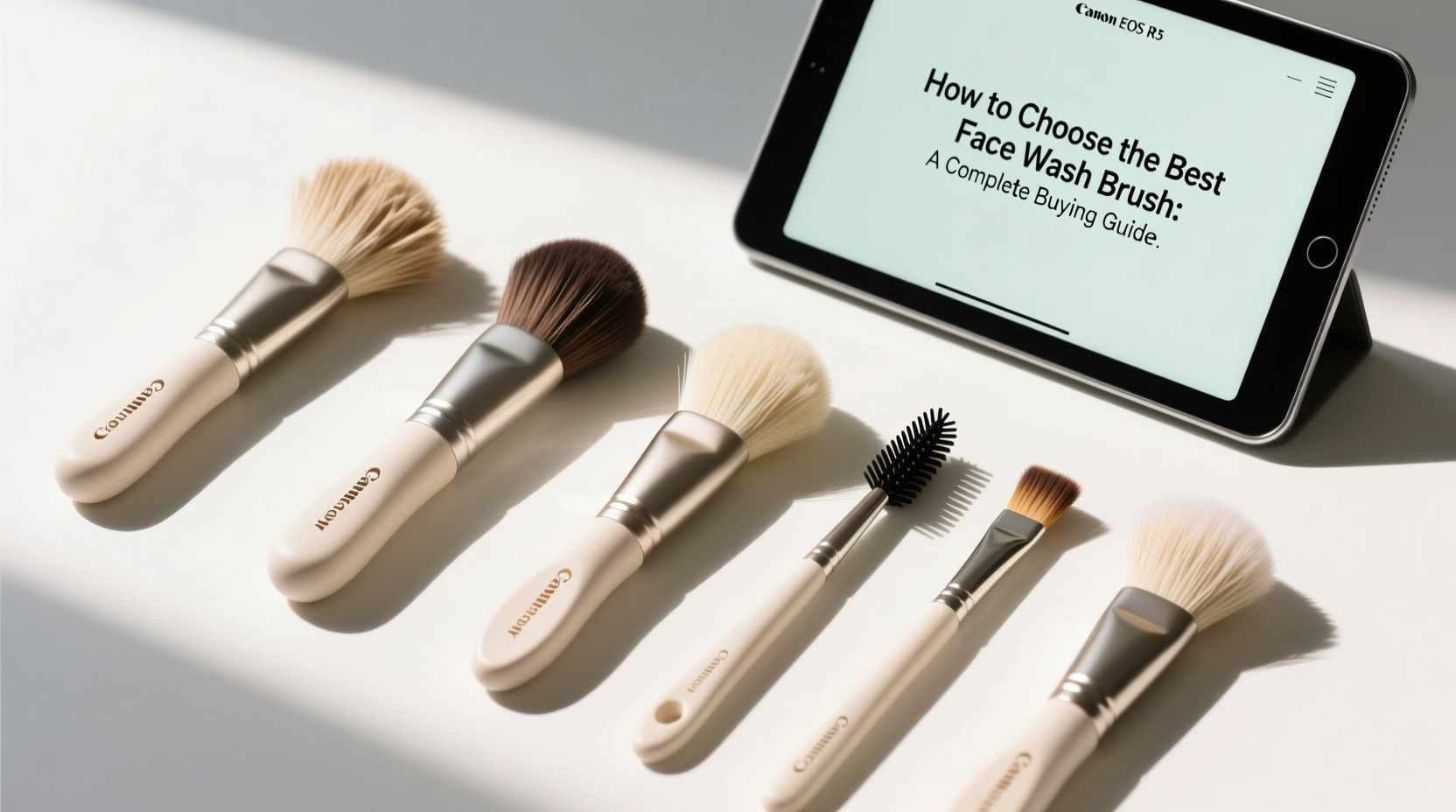
Cleansing is the foundation of any effective skincare regimen, and using the right tools can dramatically improve results. A face wash brush enhances the removal of dirt, oil, and makeup far beyond manual washing. But not all devices are created equal. This comprehensive guide will help you understand what to look for in a face wash brush—so you can make a confident, informed purchase that aligns with your skin’s needs and daily habits.
About Face Wash Brushes
A face wash brush is a handheld electronic or manual tool designed to assist in deep facial cleansing. It typically features a small head covered in soft bristles or silicone nodules that oscillate, rotate, or vibrate when powered (in electric models), helping to dislodge impurities from pores. These devices are used alongside regular facial cleansers and are intended for daily or every-other-day use depending on skin sensitivity.
Common usage scenarios include morning and evening cleansing routines, post-workout skin refreshment, pre-makeup prep, and supporting treatment regimens for acne, blackheads, or dullness. Some users also integrate them into weekly exfoliation protocols when paired with chemical exfoliants or mild physical scrubs—but caution is advised to prevent over-exfoliation.
Why Face Wash Brushes Are Gaining Popularity
In recent years, face wash brushes have surged in popularity due to rising consumer interest in at-home skincare technology and preventative beauty practices. People are increasingly aware that thorough cleansing can reduce breakouts, enhance glow, and extend the effectiveness of serums and moisturizers by improving absorption.
According to market research, the global facial cleansing devices market has grown steadily, driven by demand for non-invasive, cost-effective solutions for common skin concerns like oily skin, aging, and pollution exposure 2. Social media influencers and dermatologist endorsements have further fueled adoption, particularly among younger demographics focused on personalized skincare.
Beyond aesthetics, many users appreciate the ritualistic aspect—a few minutes each day dedicated to self-care—which contributes to consistent use and perceived efficacy.
Types and Variants
Face wash brushes come in several forms, each suited to different preferences, budgets, and skin types:
1. Manual (Non-Electric) Brushes
- Pros: Inexpensive, portable, no charging required, environmentally friendly.
- Cons: Limited cleansing power; relies entirely on user motion; may require more pressure, increasing risk of micro-tears.
Ideal for travelers or those testing mechanical exfoliation without investment. Often made with soft synthetic bristles or bamboo handles.
2. Rotating (Spinning) Electric Brushes
- Pros: Strong physical exfoliation; effective for removing thick sebum and dead skin cells.
- Cons: Higher risk of irritation; not recommended for sensitive, rosacea-prone, or dry skin; some models have loud motors.
Best for oily or resilient skin types needing aggressive pore cleansing. Requires regular brush head replacement.
3. Sonic Oscillating Brushes
- Pros: Gentle but effective; high-frequency vibrations loosen debris without abrasion; suitable for most skin types including sensitive.
- Cons: Typically more expensive upfront; requires charging.
These are the most widely recommended by dermatologists due to their balanced performance and low irritation potential. Brands like Clarisonic popularized this category.
4. Silicone-Tip Brushes
- Pros: Hypoallergenic, antimicrobial surface; easy to clean; very gentle; ideal for sensitive or reactive skin.
- Cons: Less effective on heavy buildup; may feel too soft for users wanting noticeable exfoliation.
Often combined with sonic pulsations. Popular among those with eczema, rosacea, or post-procedure skin.
Key Features and Specifications to Evaluate
To determine what to look for in a face wash brush, consider these critical specifications:
- Bristle or Surface Material: Nylon bristles should be labeled “ultra-soft” or “0.01mm diameter.” Silicone tips are naturally bacteria-resistant and gentler.
- Motion Type: Sonic (up to 8,000–10,000 pulses per minute) is safer than rotating (>15,000 RPM), which can be overly abrasive.
- Speed Settings: At least two modes allow customization—for example, gentle for mornings, deeper for evenings.
- Water Resistance: Look for full waterproofing (IPX7 rating or higher) for shower use and safe cleaning.
- Battery Life & Charging: Rechargeable via USB or dock. Aim for 2+ weeks per charge under normal use.
- Brush Head Replaceability: Interchangeable heads increase versatility (e.g., sensitive vs. deep clean). Check availability and cost of replacements.
- Size & Ergonomics: Compact design fits comfortably in hand and suitcase.
Pros and Cons: Balanced Assessment
Advantages
- More effective than hands at removing oil, sunscreen, and pollution particles.
- Can improve texture and radiance over time with consistent, proper use.
- May enhance penetration of topical treatments like retinoids or vitamin C.
- Silicone models resist bacterial growth better than traditional bristle brushes.
Drawbacks
- Risk of overuse leading to compromised skin barrier, redness, or dryness.
- Potential for cross-contamination if not cleaned properly.
- Not necessary for everyone—those with very sensitive or inflamed skin may do better without one.
- Cost adds up with replacement heads and electricity usage.
Face wash brushes are best suited for individuals with normal, oily, or combination skin who want enhanced cleansing. They’re generally not recommended for people with active rosacea, open wounds, or severe cystic acne unless approved by a dermatologist.
How to Choose a Face Wash Brush: Step-by-Step Guide
- Assess Your Skin Type: Sensitive? Go for silicone or sonic with soft bristles. Oily/acne-prone? Consider rotating or multi-speed sonic options.
- Determine Usage Frequency: Daily users need durable, easy-to-clean models. Occasional users might prefer affordable or travel-sized versions.
- Check Power Source: Prefer cordless convenience? Opt for rechargeable. Travel frequently? Ensure voltage compatibility and compact charger.
- Evaluate Replacement Costs: Some brands lock users into proprietary heads that cost $15–$30 every 3 months. Factor this into long-term budgeting.
- Read Verified Reviews: Focus on long-term user experiences mentioning durability, noise level, and skin reactions—not just initial impressions.
- Avoid Red Flags: Excessive vibration, poor seal (leads to water damage), non-replaceable batteries, or lack of safety certifications (e.g., CE, FCC).
Price & Market Insights
Face wash brushes range from under $10 (manual) to over $200 (premium electric systems). Here's a breakdown:
- Budget ($10–$30): Mostly manual or basic battery-powered models. Limited features, shorter lifespan.
- Mid-Range ($30–$90): Includes most sonic and silicone electric brushes. Good balance of quality, performance, and value. Most dermatologist-recommended models fall here.
- Premium ($90–$200+): Advanced features like smart sensors, app connectivity, multiple attachments. Often marketed with clinical claims—verify independently.
Value-for-money picks usually offer replaceable heads, strong warranty (1+ years), and proven track record. Don’t assume higher price means better results—many mid-tier brands perform comparably to luxury ones in blind tests.
| Model Type | Avg Price | Lifespan | Replaceable Heads? | Best For |
|---|---|---|---|---|
| Sonic Oscillating | $60–$100 | 2–3 years | Yes | All skin types, daily use |
| Silicone Pulse | $40–$80 | 3+ years | No (entire unit replaced) | Sensitive, acne-prone skin |
| Rotating Brush | $50–$120 | 1–2 years | Yes | Oily, resilient skin |
| Manual Brush | $5–$15 | 6–12 months | N/A | Trial users, travelers |
Top-Seller & Competitive Analysis
Leading models dominate due to brand trust, distribution, and marketing—but performance varies.
- Clarisonic Mia Smart: Once the gold standard, now discontinued but still found secondhand. Known for excellent build and interchangeable heads. Beware of counterfeit replacement brushes.
- Foreo Luna系列: High-end silicone design, app integration, durable. Pricier, but lasts longer and resists mold. Ideal for sensitive skin.
- Olay Regenerist Cleanse & Renew: Affordable dual-brush system with exfoliating and polishing sides. Great value; limited speed settings.
- PMO Beauty Sonic Cleanser: Budget-friendly alternative with similar specs to premium brands. Mixed reviews on longevity.
When comparing top sellers, focus on third-party lab tests or independent reviewer comparisons rather than influencer testimonials alone.
Customer Feedback Synthesis
Analysis of thousands of verified buyer reviews reveals consistent patterns:
Common Praises:
- “My skin feels cleaner than ever.”
- “Noticeable reduction in blackheads after 4 weeks.”
- “Easy to use in the shower and charges quickly.”
- “Great for applying and blending cleanser evenly.”
Common Complaints:
- “Stopped working after 5 months despite careful use.”
- “Replacement heads are too expensive.”
- “Too harsh—even on lowest setting.”
- “Difficult to clean around the base where hair gets trapped.”
The most frequent dissatisfaction stems from unexpected failure, hard-to-maintain designs, or mismatch between product claims and individual skin tolerance. Always check return policies before purchasing.
Sourcing & Supplier Tips
If buying in bulk (for spas, salons, or resale), work directly with authorized distributors to avoid counterfeits. Many reputable brands offer B2B programs with volume discounts.
For dropshipping or e-commerce, verify supplier reliability through sample orders and assess packaging quality. Be cautious of generic-branded units from unknown manufacturers—these may lack safety certifications or contain substandard materials.
Always inspect incoming stock for water resistance integrity, motor consistency, and labeling accuracy (voltage, warnings, compliance marks).
Maintenance, Safety & Legal Considerations
Proper care extends life and prevents infections:
- Clean brush head weekly with mild soap and warm water; rinse thoroughly.
- Allow to air-dry completely before storing—never in a closed container.
- Replace brush heads every 3 months (or per manufacturer guidance) to maintain hygiene and effectiveness.
- Do not share devices to minimize bacterial transfer.
Safety-wise, avoid using on broken skin, sunburns, or immediately after chemical peels. Discontinue use if stinging, redness, or flaking occurs.
Legally, ensure imported devices meet local electrical and cosmetic tool regulations (e.g., FDA general wellness guidelines, EU CE marking). While face wash brushes aren’t classified as medical devices in most regions, misleading therapeutic claims (e.g., “cures acne”) may violate advertising standards.
Conclusion
Choosing the right face wash brush comes down to matching the device to your skin type, lifestyle, and expectations. For most people, a sonic or silicone-tipped model with adjustable settings and good waterproofing offers the safest and most effective option. Avoid aggressive rotating brushes unless you have tough, oily skin and professional guidance. Prioritize ease of maintenance, availability of replacement parts, and real-world reliability over flashy features. By understanding how to choose a face wash brush using objective criteria—from bristle softness to battery life—you’ll invest wisely in a tool that supports healthier, clearer skin over time.
FAQs
Q: How often should I use a face wash brush?
A: Most dermatologists recommend 1–2 times per day for normal skin, but only every other day for sensitive types to prevent over-exfoliation.
Q: Can a face wash brush cause acne?
A: If not cleaned regularly or used too aggressively, yes—it can spread bacteria or irritate follicles. Always rinse the head after use and replace it every 3 months.
Q: Are silicone face wash brushes better than bristle ones?
A: Silicone is gentler and more hygienic, making it better for sensitive or acne-prone skin. Bristle brushes may offer deeper cleaning for oily complexions but require more maintenance.
Q: Do I need to replace the brush head even if it looks fine?
A: Yes. Over time, bristles degrade and harbor bacteria even if they appear intact. Replace every 3 months for optimal hygiene and performance.
Q: Can I use my face wash brush with any cleanser?
A: Avoid gritty scrubs or oil-based cleansers that can clog the device. Use lightweight gels or foams compatible with mechanical exfoliation tools.




 浙公网安备
33010002000092号
 浙B2-20120091-4