
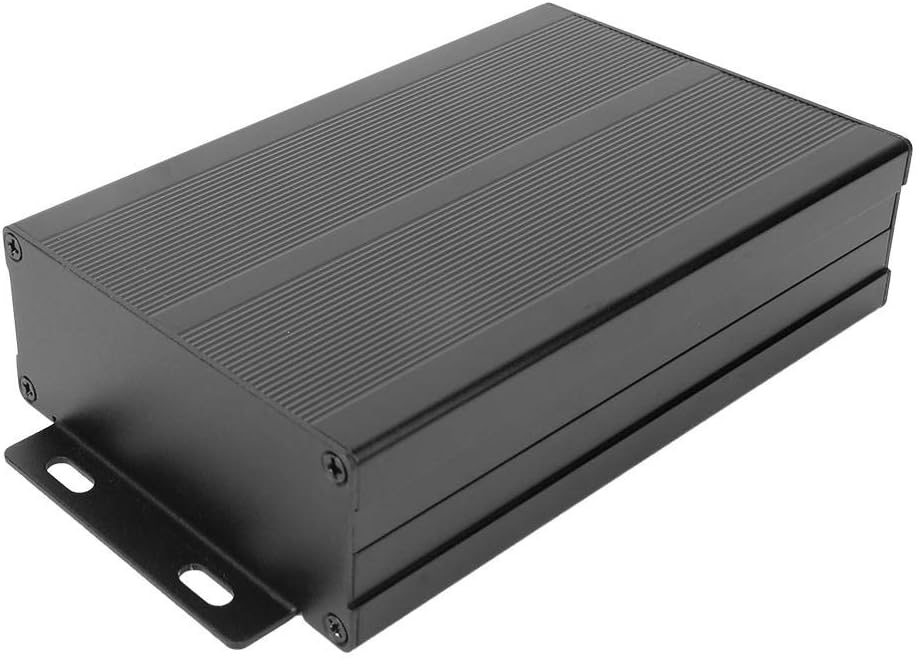
When choosing electronics packaging, prioritize protective materials like anti-static foam, rigid corrugated board, and moisture-resistant barriers to safeguard sensitive components during shipping and storage. The best solution depends on your product type, volume needs, and environmental conditions. For example, how to choose electronics packaging for high-value circuit boards differs significantly from packaging consumer gadgets. Always assess ESD (electrostatic discharge) protection, durability, size accuracy, and sustainability factors. If you're sourcing for resale or manufacturing, consider customizability and supplier reliability as key decision drivers 1.
About Electronics Packaging
Electronics packaging refers to specialized containers, wraps, trays, and cushioning systems designed to protect electronic devices and components during handling, transportation, and storage. Unlike general packaging, it must address unique risks such as electrostatic discharge (ESD), vibration damage, moisture exposure, and physical impact. Common applications include semiconductor chips, printed circuit boards (PCBs), sensors, consumer electronics, medical devices, and industrial control units.
This category spans both primary packaging (immediately enclosing the device) and secondary packaging (outer boxes or shipping containers). Materials range from conductive foams and metallized shielding bags to molded pulp trays and reusable plastic cases. Because even minor damage can render electronic parts nonfunctional or unsafe, proper packaging is not just logistical—it's a critical part of quality assurance.
Why Electronics Packaging Is Gaining Popularity
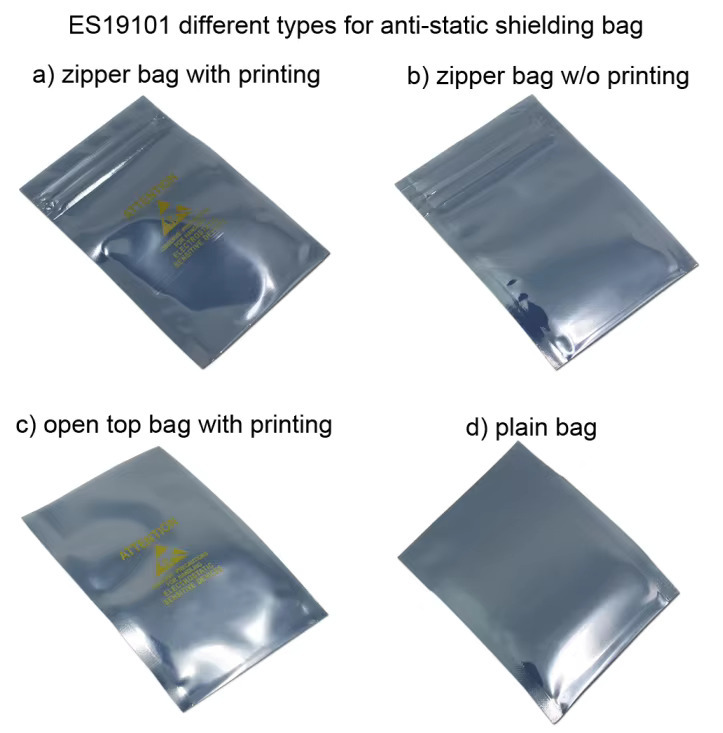
The demand for reliable electronics packaging has surged due to several interrelated trends. First, global supply chains require longer transit times and multiple handling stages, increasing exposure to environmental stressors. Second, miniaturization of components—such as microchips and surface-mount devices—makes them more fragile and sensitive to static electricity. Third, e-commerce growth means more direct-to-consumer shipments where packaging must survive unpredictable delivery routes.
Additionally, regulatory standards around ESD safety and environmental sustainability are tightening, especially in industries like aerospace, automotive, and healthcare. Companies now view advanced electronics packaging not only as a protective measure but also as a way to reduce returns, lower warranty costs, and improve brand reputation. As a result, businesses are investing more in smart design and material innovation when evaluating options for what to look for in electronics packaging.
Types and Variants

Different types of electronics packaging serve distinct purposes based on sensitivity level, quantity, and use case. Understanding these variants helps match the right solution to your needs.
1. Anti-Static Bags
- Pros: Lightweight, low-cost, ideal for small components like ICs and PCBs; prevents static buildup.
- Cons: Offers minimal physical protection; not suitable for heavy items or long-term storage.
Commonly used in manufacturing and repair environments, these pink or black polyethylene bags dissipate static charges but do not fully shield against external EMI (electromagnetic interference).
2. Moisture-Barrier Bags (MBBs)
- Pros: Protects against humidity and corrosion; often includes desiccants and humidity indicator cards.
- Cons: More expensive than standard anti-static bags; requires heat sealing.
Ideal for storing moisture-sensitive devices (MSDs), particularly those classified under IPC/JEDEC J-STD-033. These silver-colored laminated bags are essential for components stored before soldering.
3. Conductive Foam Trays
- Pros: Provides excellent ESD protection and snug fit for irregular shapes.
- Cons: Can degrade over time; not recyclable in most municipal streams.
Used primarily in industrial settings, this foam holds components securely while grounding any static charge. It’s often cut to custom dimensions for specific part layouts.
4. Rigid Boxes with Inserts
- Pros: High impact resistance; customizable interior padding (foam, molded pulp, etc.).
- Cons: Higher unit cost; bulkier for shipping.
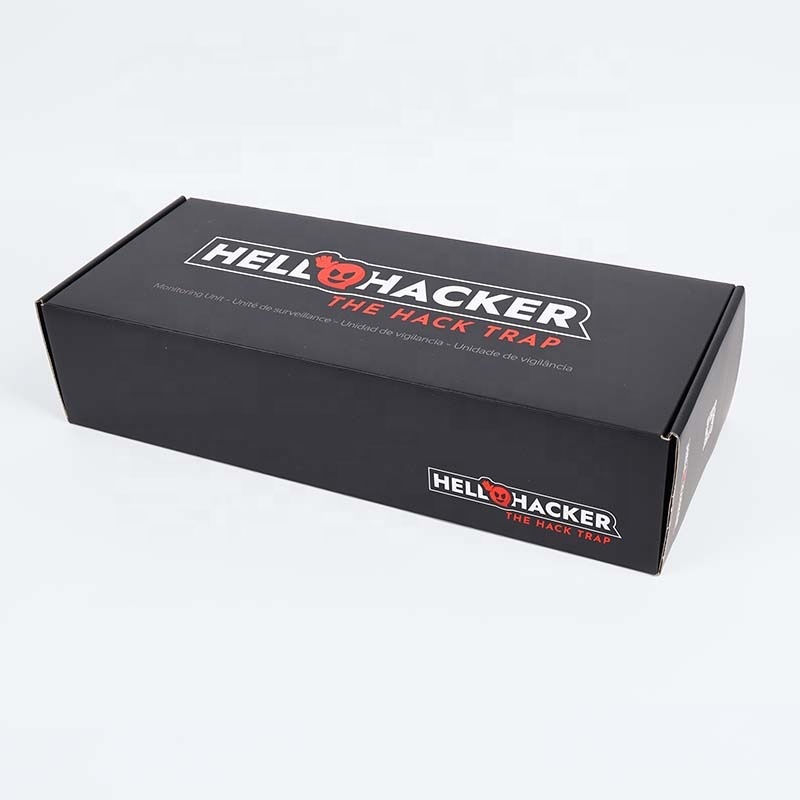
Suitable for finished products like routers, controllers, or test equipment. Often made from corrugated fiberboard with ESD-safe coatings or linings.
5. Reusable Plastic Cases
- Pros: Durable, weather-resistant, supports circular economy goals.
- Cons: High upfront cost; heavier than disposable alternatives.
Favored by field service teams and military contractors, these cases offer long-term value despite initial investment.
Key Features and Specifications to Evaluate
To make an informed decision on how to choose electronics packaging, examine the following technical and practical criteria:
- ESD Protection Level: Look for certifications like ANSI/ESD S20.20 or IEC 61340-5-1. Packaging should either be dissipative (10^5–10^11 ohms) or conductive (<10^5 ohms), depending on application.
- Shielding Effectiveness: Measured in decibels (dB), this indicates how well a bag blocks electromagnetic interference. Aim for at least 30 dB for sensitive RF components.
- Material Durability: Corrugated strength (measured in ECT or burst tests), puncture resistance, and seam integrity affect performance during stacking and transit.
- Size and Fit Precision: Custom-cut inserts prevent movement. Overly large packaging increases risk of internal shifting.
- Moisture Vapor Transmission Rate (MVTR): Lower MVTR values mean better moisture resistance—critical for MBBs.
- Sustainability: Consider recyclability, biodegradability, and presence of halogen-free materials, especially if targeting eco-conscious markets.
Always verify specifications directly with manufacturers, as labeling can vary between suppliers.
Pros and Cons
Advantages: Proper electronics packaging reduces product failure rates, ensures compliance with industry standards, enhances customer experience, and lowers return logistics costs. In regulated sectors, using certified packaging may be legally required.
Drawbacks: High-performance materials increase per-unit costs. Some solutions (e.g., MBBs) require additional processes like dry packing and shelf-life tracking. Over-engineering packaging can lead to unnecessary waste and higher carbon footprint.
Electronics packaging is most beneficial when handling sensitive, high-value, or regulated components. It may be less critical for robust end-user devices already housed in protective casings—unless subjected to harsh shipping environments.
How to Choose Electronics Packaging
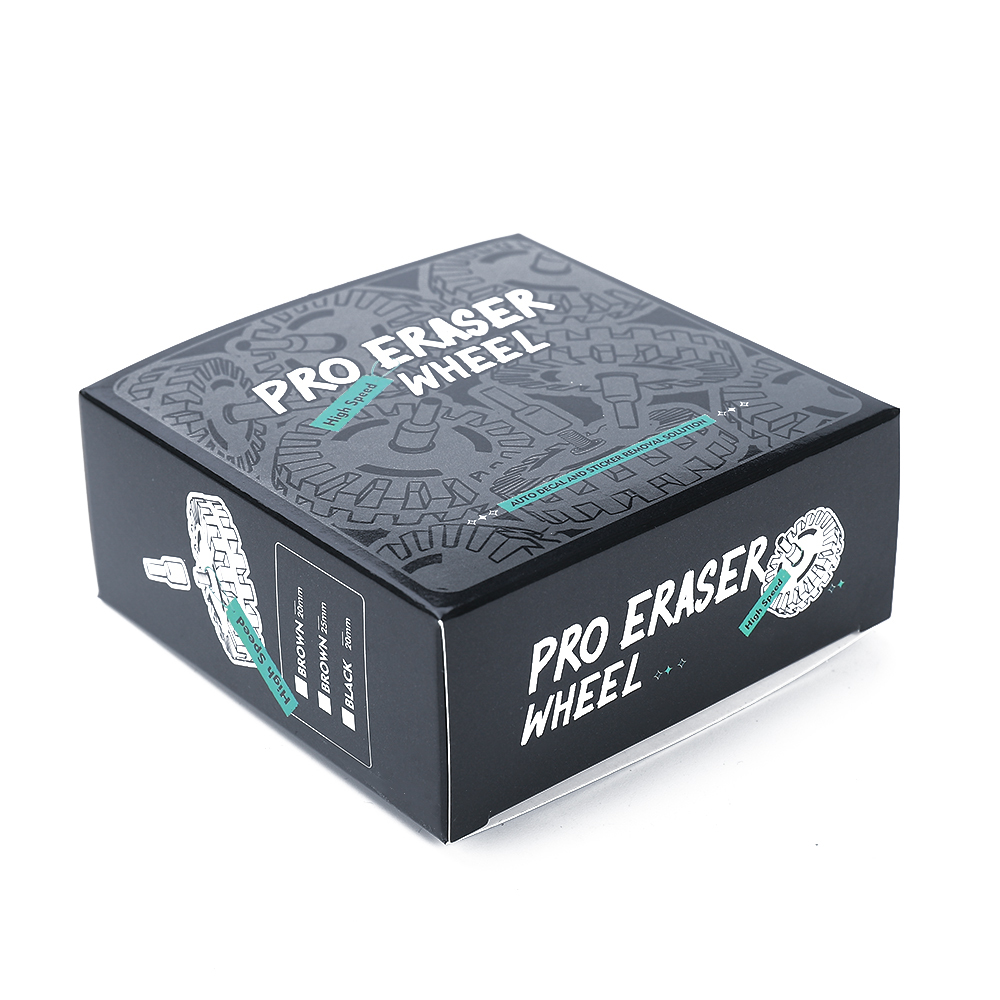
Follow this step-by-step guide to select the optimal packaging for your needs:
- Identify Component Sensitivity: Determine whether ESD, moisture, shock, or contamination poses the greatest risk. Use JEDEC or IPC guidelines for classification.
- Assess Volume and Frequency: Low-volume prototyping may justify manual packing methods; high-volume production benefits from automated-compatible designs.
- Select Appropriate Type: Match packaging type to sensitivity level (e.g., MBBs for moisture-sensitive ICs, rigid boxes for finished assemblies).
- Verify Compliance Requirements: Check if your industry mandates specific standards (e.g., MIL-STD, ISO 10608). Request test reports from suppliers.
- Evaluate Supplier Reliability: Prioritize vendors with consistent quality control, batch traceability, and responsive support.
- Test Sample Units: Simulate real-world conditions—drop tests, vibration, temperature cycling—to confirm protection level.
- Avoid Red Flags: Be cautious of unclear spec sheets, lack of certification documentation, unusually low prices, or generic claims like “static-safe” without measurable data.
Price & Market Insights
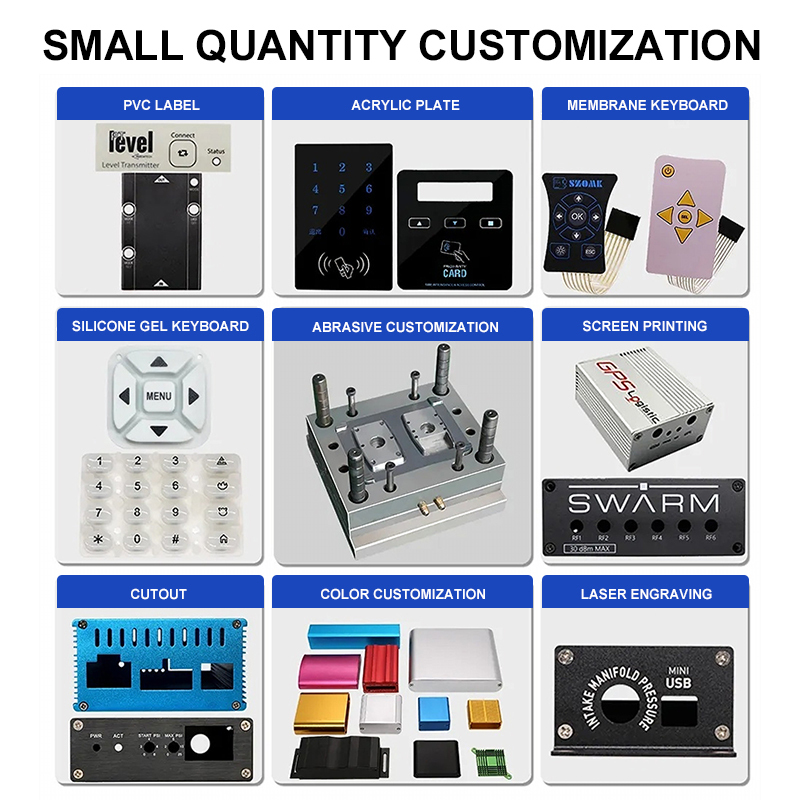
Pricing varies widely based on type, customization, and order volume. Here’s a general overview:
- Anti-static bags: $0.05–$0.50 each (bulk orders lower end)
- Moisture-barrier bags: $0.25–$2.00 each, depending on size and shielding grade
- Conductive foam sheets: $2–$10 per square foot
- Custom rigid boxes: $2–$15+ per unit, influenced by print, coating, and insert complexity
- Reusable plastic cases: $20–$100+, amortized over many uses
For startups or small batches, off-the-shelf options offer better value. Larger operations gain economies of scale through custom tooling and private labeling. Beware of hidden costs like setup fees for dies or molds. Compare total landed cost—including shipping weight and storage space—rather than focusing solely on unit price.
Top-Seller & Competitive Analysis
Leading brands in electronics packaging include 3M, DuPont, Shieldex, and ULINE, each offering different strengths.
| Product Type | Brand Example | Key Feature | Typical Price Range | Best For |
|---|---|---|---|---|
| Moisture-Barrier Bag | Desco Industries MBS Series | 5-layer laminate, 50 dB shielding | $0.80–$1.50 | High-sensitivity semiconductors |
| Anti-Static Bag | Uline SL-17800 | Pink poly, dissipative surface | $0.07/unit (1,000+ qty) | PCB storage and transport |
| Conductive Foam | 3M Scotchmate Conductive Foam | Surface resistivity: 10^4 ohms | $6/sq ft | Custom component trays |
| Rigid Box with Insert | Packaging Corporation of America ESD Box | Recyclable, coated for ESD | $3.50–$7.00 | Finished electronic devices |
Note: Prices are approximate and may vary by region and distributor. Always request current quotes and samples before committing.
Customer Feedback Synthesis
Analysis of user reviews across B2B platforms reveals recurring themes:
Positive Feedback: Buyers appreciate clear labeling of ESD properties, ease of sealing (for MBBs), dimensional consistency, and compatibility with automated packing lines. Long-term users of reusable cases highlight durability and reduced waste as major pluses.
Common Complaints: Inconsistent shielding performance across batches, poor seal integrity leading to moisture ingress, misleading claims about static dissipation, and difficulty sourcing replacement parts for modular systems. Some customers report that cheaper alternatives fail drop tests or develop static after repeated use.
These insights underscore the importance of vetting suppliers and testing actual product samples before scaling up procurement.
Sourcing & Supplier Tips
When sourcing electronics packaging, consider the following:
- Bulk vs. Custom Orders: Standard sizes are cheaper and faster to ship; custom designs offer better fit and branding opportunities but require minimum order quantities (MOQs).
- Supplier Certifications: Work with suppliers who provide ISO 9001, RoHS, or REACH compliance documentation.
- Dropshipping or Private Labeling: Some distributors offer white-label services for resellers. Confirm they allow customization and have reliable inventory turnover.
- Inspection Protocol: Upon receipt, check for material defects, correct dimensions, and functional features (e.g., zip seals on MBBs, conductivity with a multimeter).
- Return Policies: Clarify whether defective batches can be returned or replaced, especially for large orders.
Maintenance, Safety & Legal Considerations
While most electronics packaging is single-use, reusable variants require cleaning and periodic inspection for wear. Avoid using damaged or contaminated packaging, as compromised ESD layers can increase failure risk.
Safety-wise, ensure packaging does not contain hazardous substances restricted under regulations like RoHS or Proposition 65. Labels should clearly indicate handling instructions (e.g., “Keep Dry,” “This Side Up”).
In regulated industries (medical, defense, aviation), maintain records of packaging specifications and lot numbers for traceability. Non-compliance can result in audit failures or liability in case of field failures linked to improper storage.
Conclusion
Choosing the right electronics packaging involves balancing protection, cost, compliance, and sustainability. Start by assessing your component’s sensitivity to ESD, moisture, and mechanical stress. Select packaging types accordingly—anti-static bags for basic needs, moisture-barrier bags for humidity-prone environments, and rigid or reusable cases for high-value items. Evaluate key specs like shielding effectiveness, material durability, and regulatory alignment. Test samples under realistic conditions and work with reputable suppliers who provide verifiable performance data. Whether you're managing inventory, shipping prototypes, or launching a new device, investing in appropriate packaging improves reliability and reduces downstream risks.
FAQs
What is the difference between anti-static and ESD-shielding packaging?
Anti-static packaging prevents the generation of static charges but doesn’t block external electrical fields. ESD-shielding packaging (like MBBs) actively deflects electromagnetic interference, offering superior protection for sensitive components.
Do all electronic components need special packaging?
Not all—but most modern microelectronics benefit from some level of ESD protection. Components labeled as Class 0 or Class 1A per ANSI/ESD S20.20 require strict handling protocols and appropriate packaging.
Can I reuse electronics packaging?
Some types, especially rigid plastic cases, are designed for reuse. However, single-use bags and foam inserts should generally not be reused, as their protective properties may degrade after first exposure.
How do I know if my packaging meets industry standards?
Request test reports from the manufacturer showing compliance with relevant standards (e.g., ANSI/ESD STM11.11 for surface resistance). Independent labs can also verify performance if documentation is unclear.
Are there eco-friendly options for electronics packaging?
Yes. Recyclable corrugated boxes with water-based ESD coatings, compostable starch-based foams, and reusable containers are increasingly available. Verify claims through third-party certifications like FSC or UL Ecologo.





 浙公网安备
33010002000092号
浙公网安备
33010002000092号 浙B2-20120091-4