

When choosing the best cordless hydraulic metal hole punch for your needs, prioritize models with high tonnage (at least 10 tons), compatibility with common die sizes (like 1/4" to 1/2"), long-lasting lithium-ion batteries (18V or higher), and a durable, lightweight design. A reliable option like a cordless hydraulic hole punch with quick-connect dies and overload protection can significantly improve efficiency on job sites where portability and consistent performance are essential 1. These tools are ideal for electricians, HVAC technicians, and metal fabricators who need clean, precise holes in steel up to 1/4 inch thick without access to power outlets.
About Cordless Hydraulic Metal Hole Punch
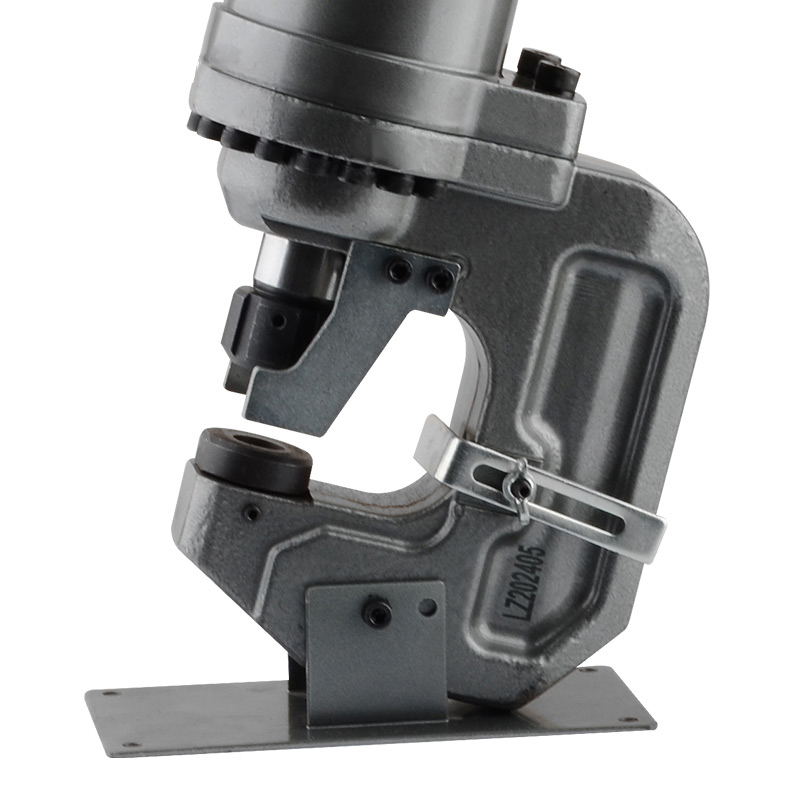
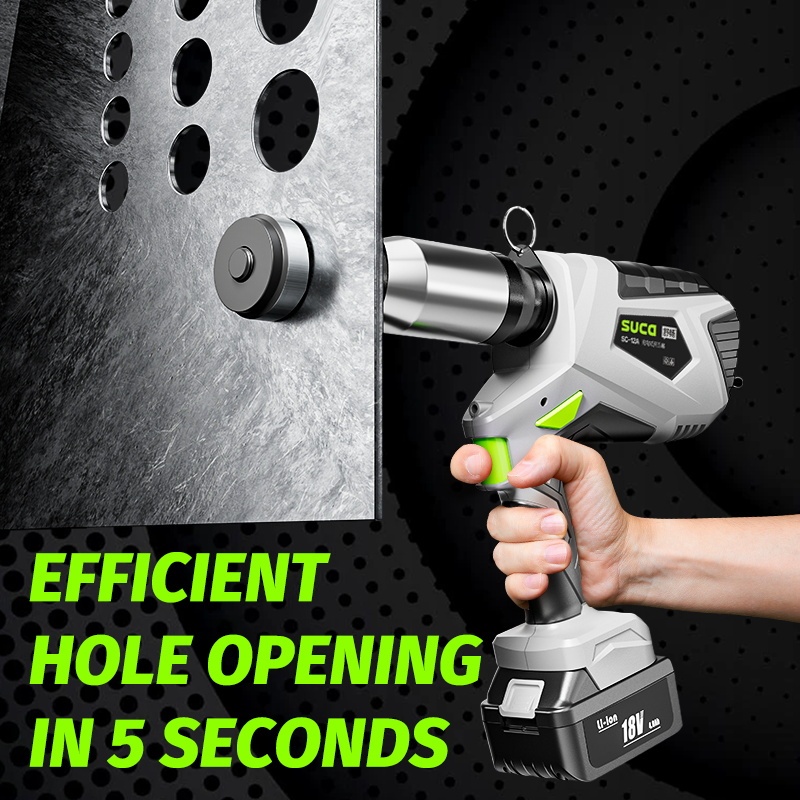
A cordless hydraulic metal hole punch is a portable, battery-powered tool designed to cut clean, burr-free holes in sheet metal, structural steel, and electrical enclosures. Unlike manual punches or drill-based methods, it uses hydraulic pressure generated by an electric motor to drive a punch through metal with minimal effort. The system typically includes interchangeable punch and die sets that allow users to create standardized holes ranging from 1/4 inch to 1 inch in diameter.
These tools are widely used in industries such as electrical contracting, plumbing, HVAC, and industrial maintenance. For example, electricians often use them to punch knockouts in breaker panels or pull boxes, while riggers may need them for creating attachment points in steel plates. Because they operate without cords or external hydraulic pumps, cordless models offer unmatched mobility—especially useful in tight spaces, elevated platforms, or remote locations.
Why Cordless Hydraulic Metal Hole Punch Is Gaining Popularity
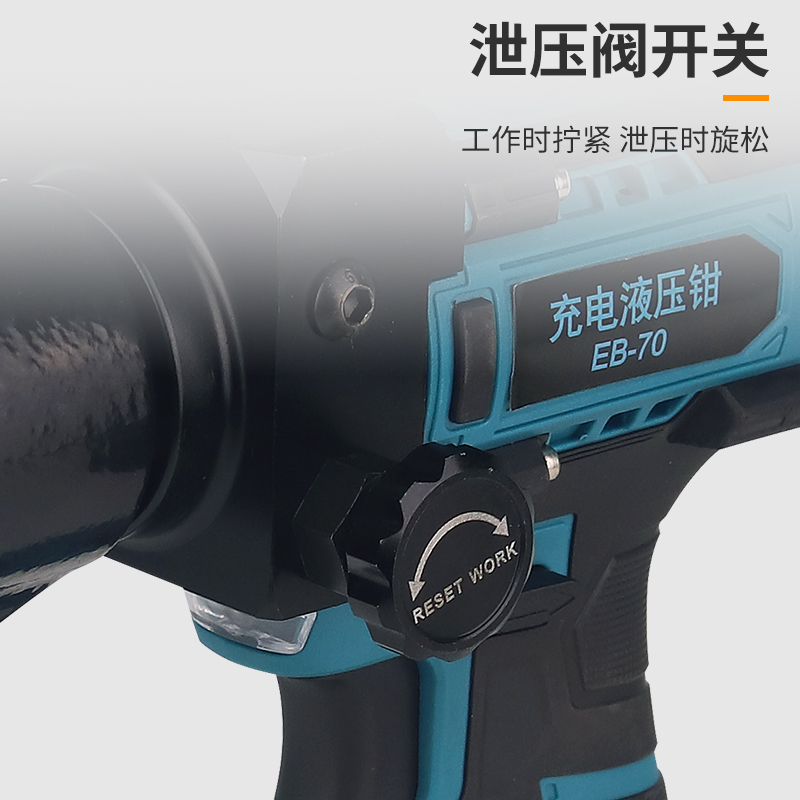
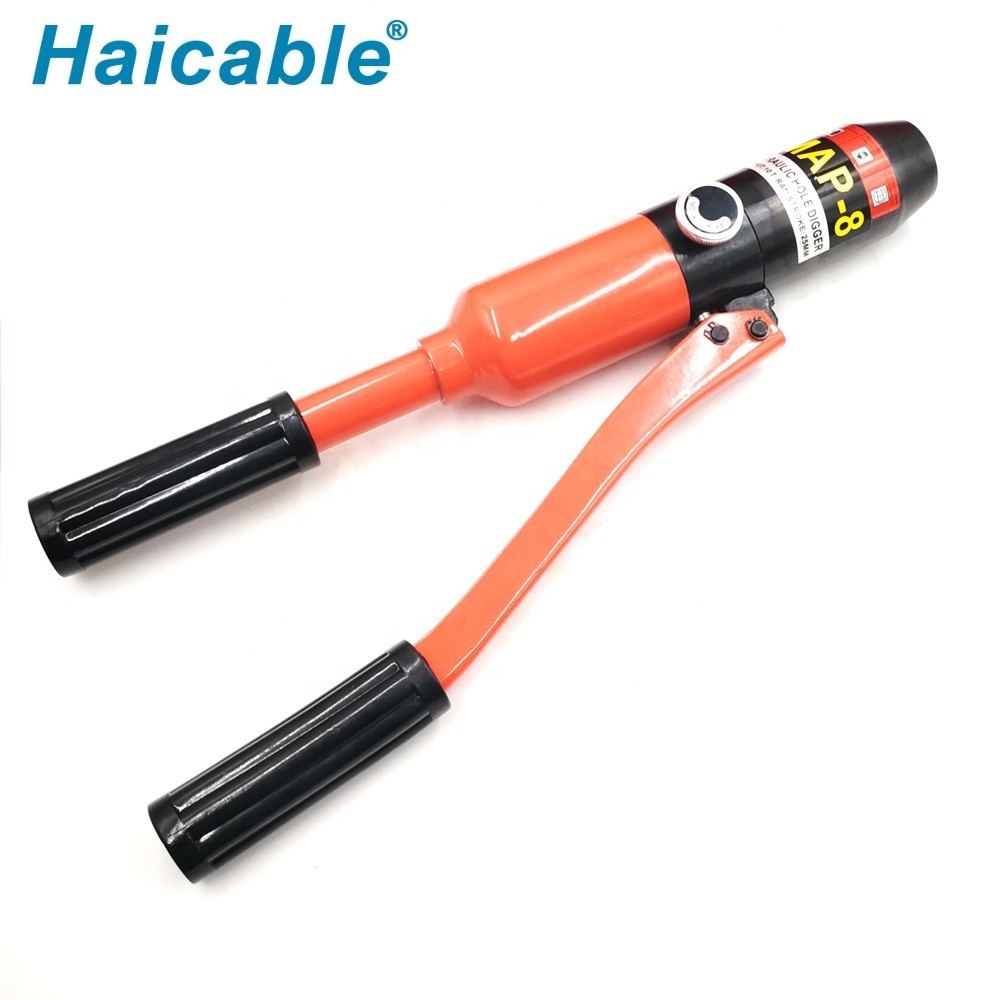
The rise in popularity of cordless hydraulic metal hole punches stems from advancements in battery technology and increasing demand for cordless power tools across trades. Modern lithium-ion batteries now provide enough sustained power to deliver full hydraulic force repeatedly on a single charge, making these tools viable alternatives to traditional pneumatic or AC-powered systems.
Users value the convenience of not being tethered to a power source, which reduces setup time and eliminates tripping hazards. Additionally, compared to drilling large holes in thick metal—which requires multiple step bits, coolant, and significant physical effort—a hydraulic punch delivers faster, cleaner results with less heat buildup and material distortion. This efficiency translates into labor savings and improved safety, especially when working overhead or in confined areas.
Another factor driving adoption is the reduction in overall tool weight and size. Newer models are engineered to be more compact and balanced, reducing user fatigue during extended use. As contractors and technicians seek ways to streamline workflows and reduce reliance on generators or extension cords, cordless hydraulic punches have become a go-to solution for fieldwork.
Types and Variants
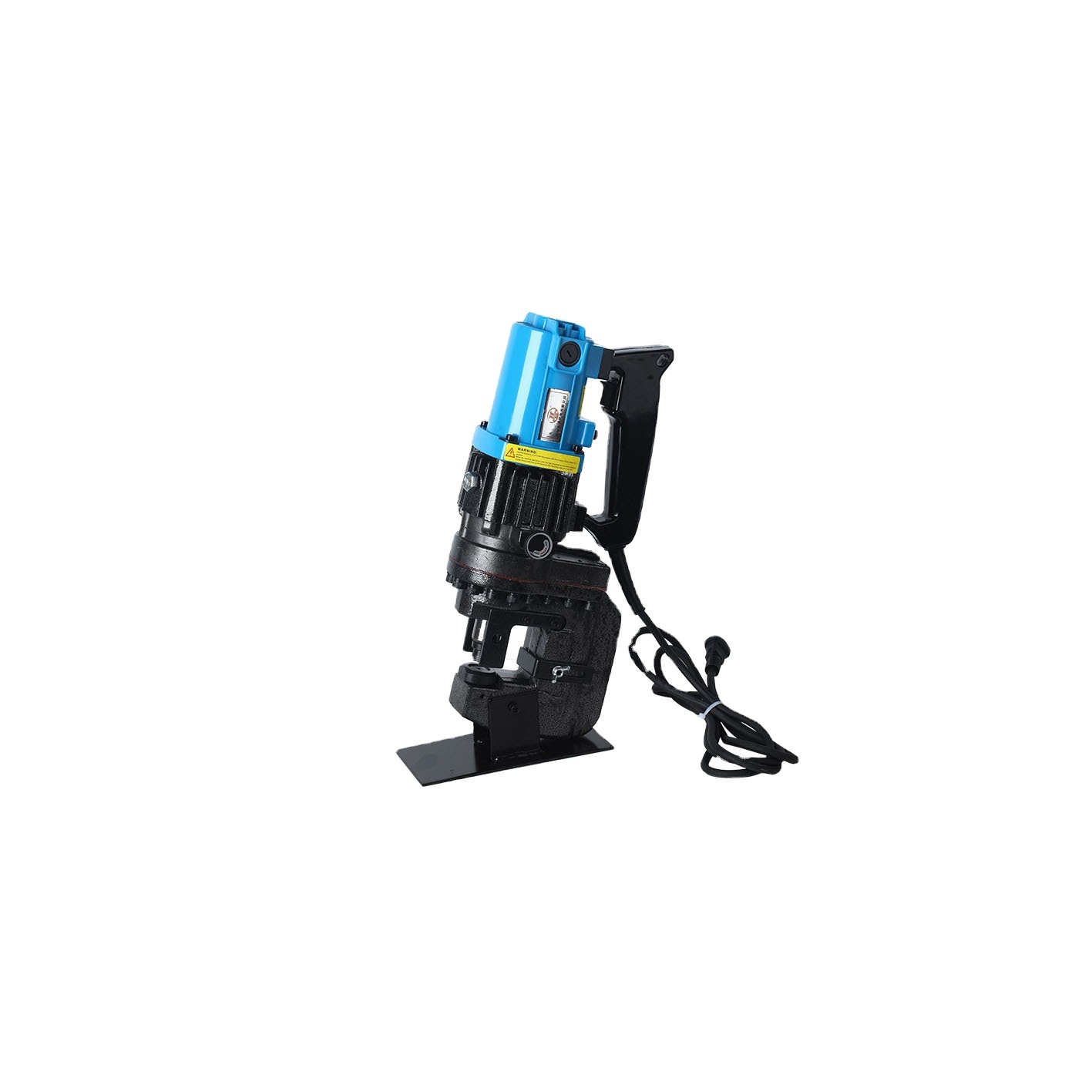
Cordless hydraulic metal hole punches come in several configurations, each suited to different applications and user preferences:
1. Standard Single-Action Cordless Punches
These are the most common type, featuring a trigger-activated hydraulic ram that extends to push a punch through metal against a matching die. They usually support quick-change die systems and range from 8 to 15 tons of force.
- Pros: Lightweight, easy to operate, widely available.
- Cons: Limited to one direction of punch travel; requires repositioning for multiple holes.
2. Dual-Action (Push-Pull) Models
Dual-action units can both extend and retract the ram hydraulically, allowing for faster cycle times and easier removal of slug (the punched-out metal disc).
- Pros: Faster operation, reduced manual clearing, better for high-volume tasks.
- Cons: Heavier, more expensive, higher battery consumption.
3. Compact Mini Punches
Smaller versions designed for light-duty work, often limited to thinner gauge metals (up to 1/8") and smaller hole sizes (up to 3/8").
- Pros: Highly portable, ideal for panel work and tight spaces.
- Cons: Not suitable for structural steel or frequent heavy use.
4. Multi-Tool Compatible Systems
Some brands offer modular systems where the hydraulic head connects to existing cordless tool platforms (e.g., DeWalt FlexVolt or Milwaukee M18). This allows users to share batteries across tools.
- Pros: Cost-effective if already invested in a battery ecosystem.
- Cons: May sacrifice some power or ergonomics for compatibility.
Key Features and Specifications to Evaluate
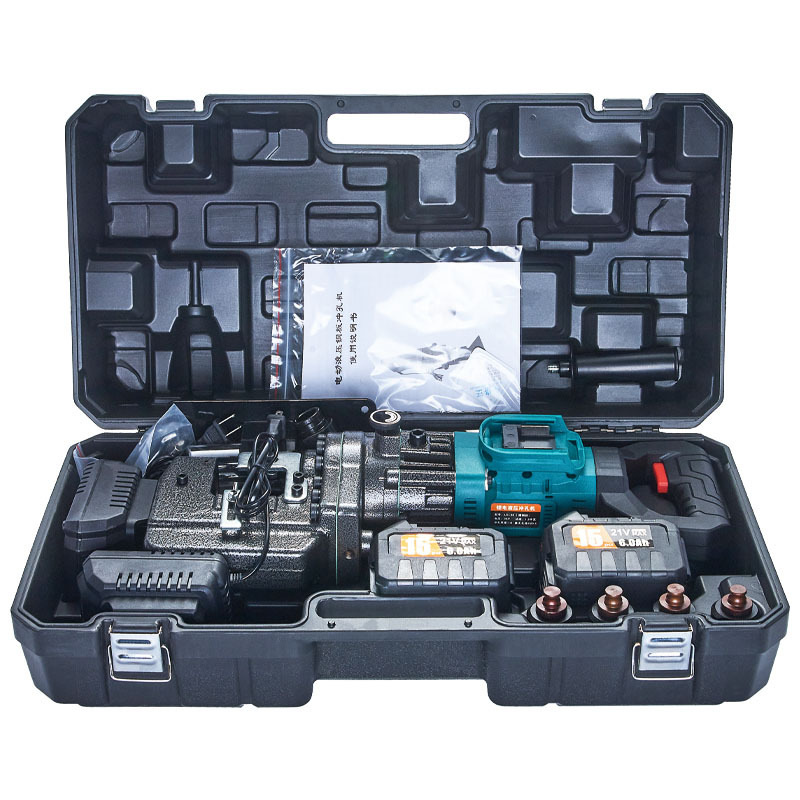
When evaluating how to choose a cordless hydraulic metal hole punch, consider the following technical and ergonomic factors:
- Tonnage Rating: Ranges from 8 to 15+ tons. Higher tonnage handles thicker materials (e.g., 1/4" steel). Look for actual tested output, not just advertised peak.
- Battery Voltage & Runtime: 18V is standard; 20V Max or 36V systems offer more power. Check how many holes per charge the manufacturer claims under real-world conditions.
- Die Compatibility: Ensure the tool accepts industry-standard punch/die sets (e.g., Greenlee, Klein). Interchangeability increases versatility.
- Stroke Length & Center Distance: Stroke affects maximum material thickness; center distance determines minimum edge clearance for punching near borders.
- Weight & Ergonomics: Aim for under 8 lbs for all-day use. Rubberized grips and balanced design reduce hand fatigue.
- Safety Mechanisms: Overload protection, automatic pressure release, and two-hand activation enhance safety.
- Durability: Look for aluminum or reinforced composite housings and sealed components to resist dust and moisture.
Pros and Cons
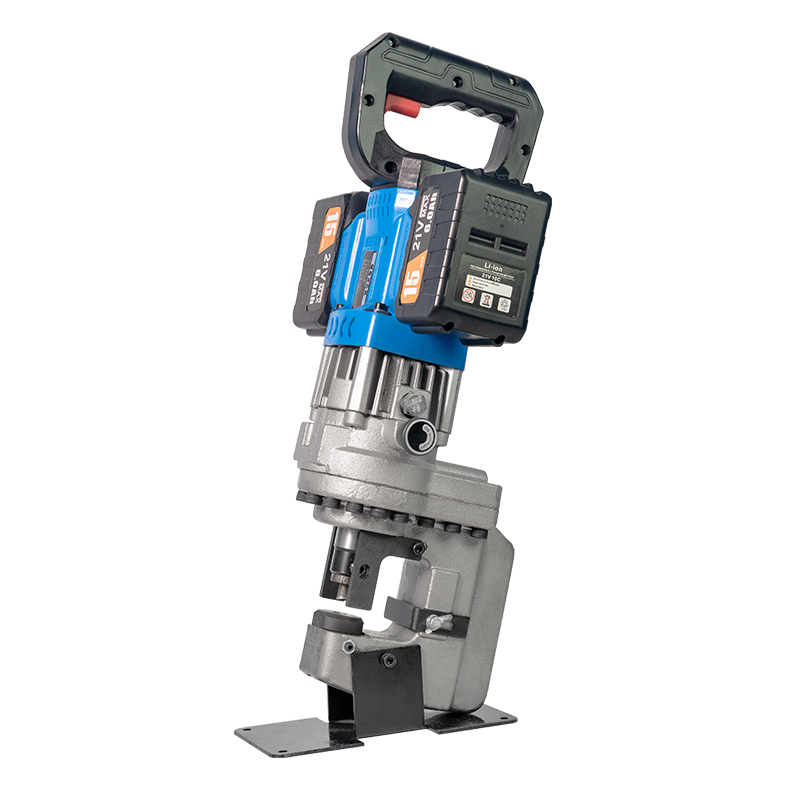
Advantages
- Portability: No hoses, no cords, no external pump—ideal for remote or mobile jobs.
- Speed: Can punch a 1/2" hole in 1/4" steel in under 10 seconds.
- Clean Results: Produces smooth, deburred holes without warping surrounding metal.
- Low Maintenance: Few moving parts compared to drills or mechanical punches.
- User-Friendly: Minimal training required; safer than rotary tools for unskilled workers.
Limitations
- Upfront Cost: High-quality models can exceed $500, plus additional cost for die sets.
- Battery Dependency: Performance drops as battery depletes; spare batteries recommended.
- Material Limits: Not effective on hardened steel, stainless over 1/4", or irregular surfaces.
- No Reverse Function on Basic Models: Slug removal may require manual cleaning after each punch.
How to Choose a Cordless Hydraulic Metal Hole Punch
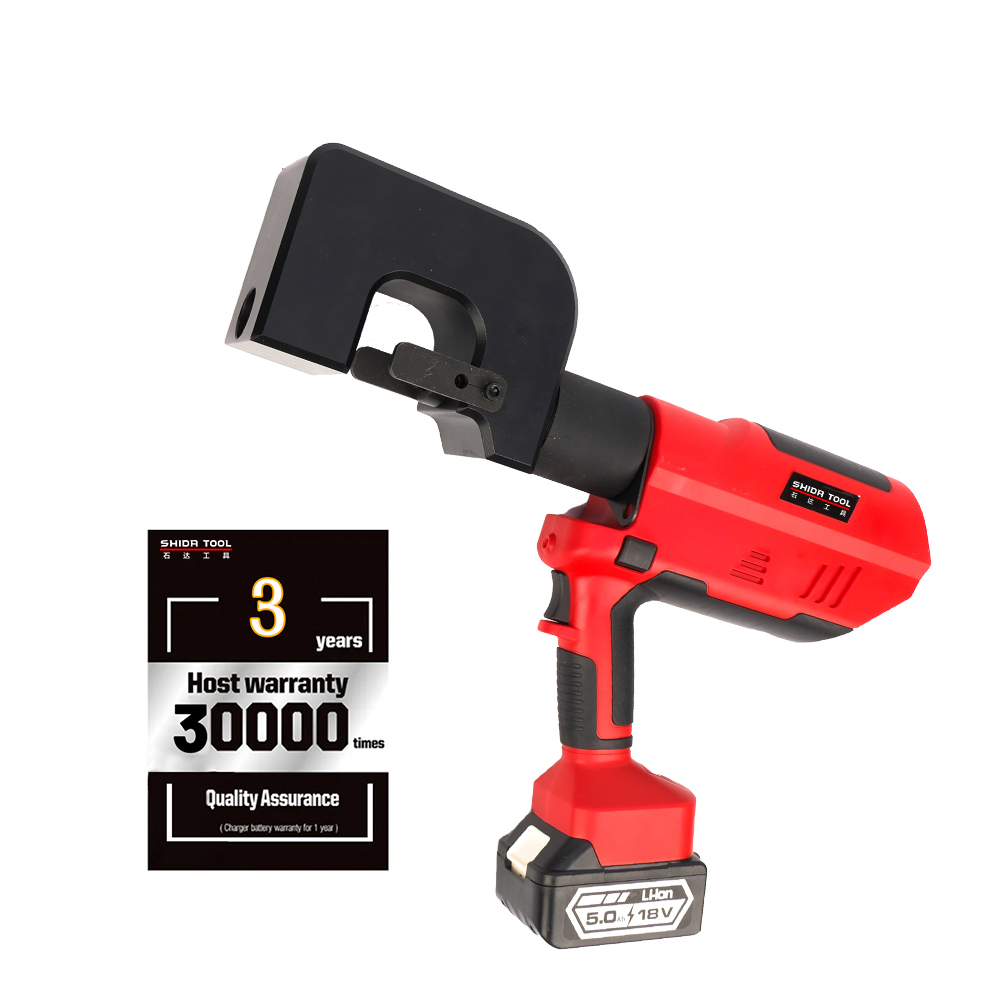
Follow this step-by-step guide to make an informed decision:
- Assess Your Typical Workload: If you frequently punch holes in 1/4" steel or need large diameters (3/4"+), opt for at least 12 tons. For lighter electrical box work, 8–10 tons may suffice.
- Evaluate Battery Ecosystem: If you already own tools from a major brand, choose a punch compatible with your existing batteries to save costs.
- Check Die Availability: Confirm that replacement dies are readily available and reasonably priced. Some proprietary systems lock you into expensive OEM parts.
- Test Weight and Balance: Hold a demo unit if possible. A front-heavy tool causes strain during overhead work.
- Review Safety Features: Prioritize models with dual triggers or guard switches to prevent accidental activation.
- Read Real User Feedback: Look beyond star ratings—focus on comments about reliability, durability, and customer service.
- Avoid Red Flags: Steer clear of unknown brands with exaggerated tonnage claims, lack of safety certifications (like CE or UL), or no local warranty support.
Price & Market Insights
The market for cordless hydraulic metal hole punches spans three main tiers:
- Budget Tier ($200–$350): Entry-level models from lesser-known brands. Often lower tonnage (8–10T), shorter battery life, and limited die options. Suitable for occasional use but may lack durability.
- Mid-Range ($350–$600): Most popular category, including respected names like Greenlee, Klein Tools, and Hilmor. Offers 10–12 tons, solid build quality, and good battery integration. Best value for professionals.
- Premium ($600–$900+): Top-tier models from Milwaukee, DeWalt, or specialized manufacturers. Feature advanced electronics, dual-action rams, higher voltage (36V), and superior ergonomics. Ideal for heavy daily use.
Expect to pay extra for accessories—many kits don’t include dies. Consider total cost of ownership, including spare batteries, replacement seals, and die sets.
| Model | Tonnage | Battery | Weight | Approx. Price |
|---|---|---|---|---|
| Greenlee 12T Cordless Punch | 12 tons | 18V Li-Ion | 7.2 lbs | $520 |
| Milwaukee 2762-20 | 15 tons | M18 Fuel | 6.8 lbs | $680 |
| Hilmor 10T Hydraulic Punch | 10 tons | 20V Max | 7.5 lbs | $390 |
| Klein Tools 56110 | 12 tons | 12V Max | 5.9 lbs | $470 |
Customer Feedback Synthesis
Analysis of hundreds of verified buyer reviews reveals consistent patterns:
Common Praises:
Users frequently commend the speed and ease of use, particularly when retrofitting panels or working in awkward positions. Many highlight the relief from shoulder and wrist strain compared to using hand drills for large holes. Brands like Milwaukee and Greenlee receive strong marks for build quality and long-term reliability.
Frequent Complaints:
The most cited issues include short battery life under continuous use, difficulty removing slugs in basic models, and high cost of replacement dies. Some users report inconsistent performance in cold environments, likely due to battery chemistry limitations. A few budget models have been criticized for leaking hydraulic fluid after moderate use.
Sourcing & Supplier Tips
For individual buyers, reputable online retailers like Home Depot, Grainger, and Toolbarn offer secure purchasing with return policies 2. Always verify whether the listed price includes dies—many 'bare tool' versions do not.
For bulk purchases or contractor supply, consider direct ordering from distributors. Volume discounts are often available for 5+ units, and some suppliers offer loaner tools during warranty repairs. When importing from overseas vendors, ensure compliance with local electrical safety standards and check if firmware supports your region’s voltage protocols (even though the tool is battery-powered, chargers must meet regulations).
Before accepting a shipment, inspect for damage and test function if possible. Keep packaging until you’ve fully evaluated performance.
Maintenance, Safety & Legal Considerations
Proper maintenance ensures longevity and safe operation:
- Hydraulic Fluid: Check reservoir levels periodically and use only manufacturer-recommended oil. Top off every 50–100 cycles depending on usage.
- Seals and O-Rings: Replace if signs of leakage appear. Store the tool with the ram retracted to preserve seal integrity.
- Battery Care: Avoid extreme temperatures; store batteries at ~40% charge if unused for months.
- Cleaning: Wipe down after use, especially in corrosive environments (e.g., near saltwater or chemicals).
Safety practices include wearing impact-resistant gloves and eye protection, securing the workpiece before punching, and never placing hands near the punch zone during activation. Use only undamaged dies and avoid side-loading the tool.
Legally, while no specific federal regulation governs hole punch use in the U.S., employers must comply with OSHA general duty clauses regarding tool safety. In commercial settings, using certified equipment (look for CE, UL, or ETL marks) helps meet insurance and liability requirements.
Conclusion
Selecting the right cordless hydraulic metal hole punch involves balancing power, portability, battery compatibility, and long-term value. For most professionals, a mid-range model offering 10–12 tons of force, compatibility with standard dies, and integration with a trusted battery platform delivers the best return on investment. While premium models justify their cost in demanding environments, budget options can serve well for infrequent tasks. By focusing on verified specifications, real-world performance, and proper maintenance, users can significantly enhance productivity and job site safety. Ultimately, understanding your specific application will guide the optimal choice among available variants of cordless hydraulic metal hole punch tools.
FAQs
Can a cordless hydraulic hole punch go through stainless steel?
Yes, but only up to 1/4" thickness for most models. Stainless steel is harder and may reduce tool lifespan if punched frequently. Always use sharp dies and proper lubrication.
How many holes can I punch on a single charge?
This varies by model and material. On average, expect 50–100 holes in 1/8" steel per charge. Thicker materials reduce this number significantly—check manufacturer test data under realistic conditions.
Do I need special training to use a cordless hydraulic metal hole punch?
No formal certification is required, but users should be trained in basic safety procedures, including proper die installation, workpiece clamping, and battery handling.
Are replacement parts hard to find?
For major brands, yes—parts are generally available through authorized dealers. For off-brand models, availability can be limited. Always confirm parts support before purchase.
Can I use my existing drill batteries with a hydraulic punch?
Only if the tool is explicitly designed for that brand’s battery system (e.g., Milwaukee M18, DeWalt 20V). Cross-compatibility between brands is not supported.




 浙公网安备
33010002000092号
 浙B2-20120091-4