

When selecting the best cooking stove electric oven for your kitchen, prioritize models that match your cooking habits, available space, and energy efficiency needs. A high-quality electric range with convection baking, precise temperature control, and intuitive controls offers consistent results for everyday meals and special occasions. If you're searching for how to choose a cooking stove electric oven, focus on size (30-inch is standard), heating performance (look for induction or true convection), safety features like auto-shutoff, and ease of cleaning—especially with smooth ceramic or induction cooktops 1. Energy consumption, warranty length, and brand reliability also play crucial roles in long-term satisfaction.
About Cooking Stove Electric Oven
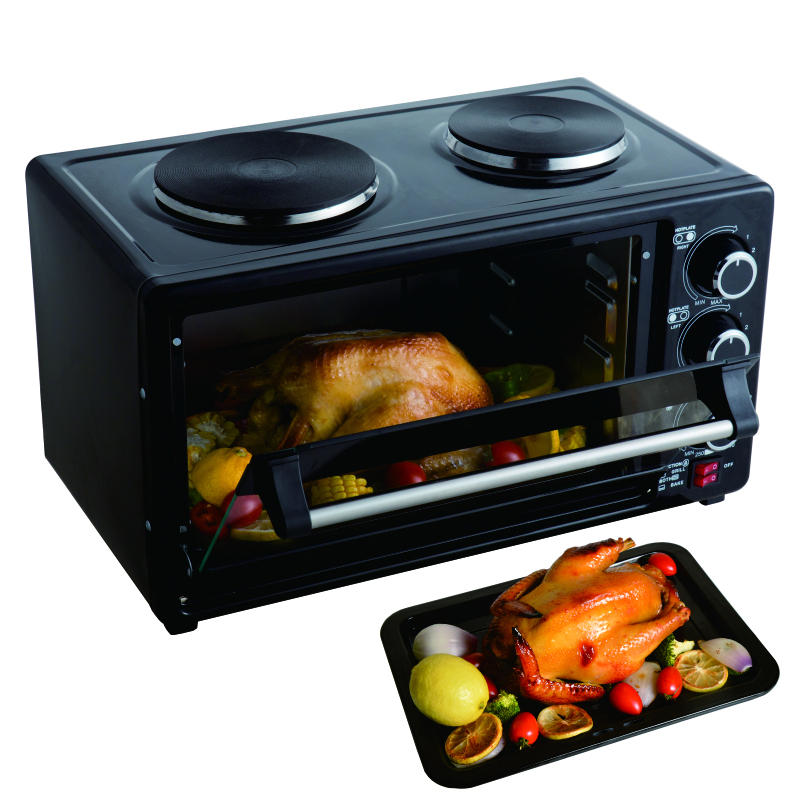
A cooking stove electric oven, commonly referred to as an electric range, combines stovetop burners and an integrated oven into one appliance. These units are powered entirely by electricity and are widely used in homes where natural gas isn't available or preferred. They typically feature four radiant or induction burners on top and one or more ovens below (or sometimes beside) the cooktop. Some models include additional features such as air frying, steam cooking, or smart connectivity.
Electric ranges are ideal for boiling, simmering, frying, baking, roasting, and broiling. Their primary use cases span daily family meals, holiday cooking, meal prepping, and even small-scale home catering. Unlike gas stoves, electric models provide steady heat distribution, making them especially effective for tasks requiring consistent temperatures, such as baking cakes or slow-cooking stews.
Why Cooking Stove Electric Oven Is Gaining Popularity
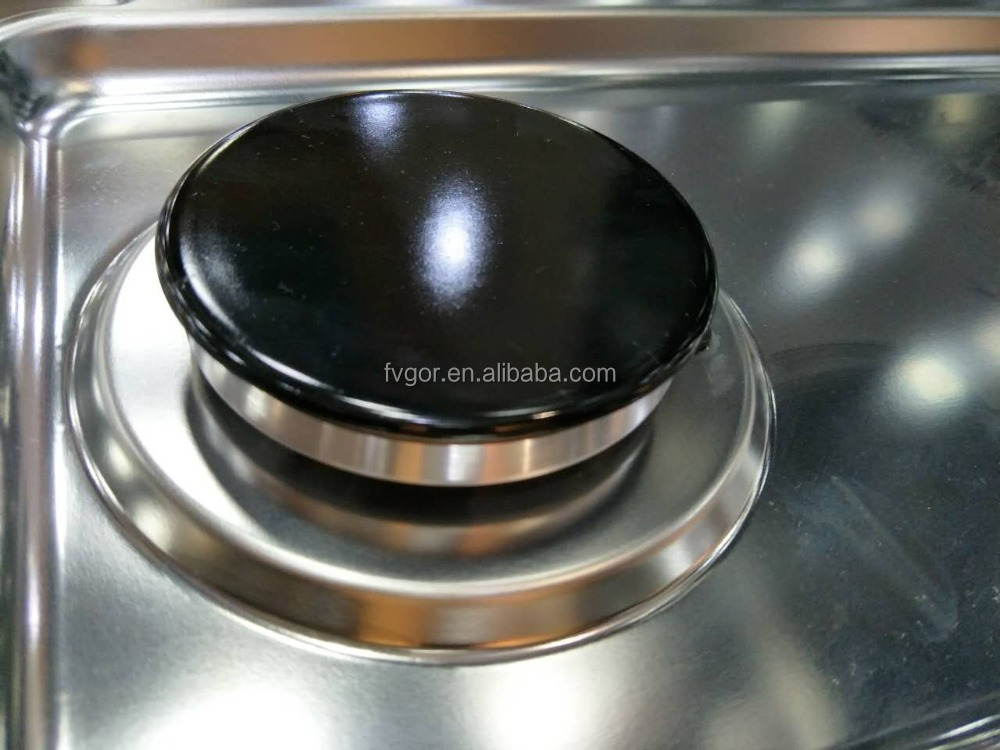
Electric cooking stoves with built-in ovens have seen rising demand due to improvements in technology, safety, and design flexibility. One major factor driving adoption is the shift toward all-electric homes, particularly in regions promoting energy efficiency and reducing reliance on fossil fuels. Induction cooktops, which are a subset of electric stoves, offer faster heating than traditional coils and greater precision than gas 2.
Additionally, modern electric ovens now come with convection fans, pre-programmed settings, self-cleaning modes, and Wi-Fi connectivity—features that appeal to tech-savvy users and busy households alike. The elimination of open flames also makes these appliances safer for families with children or pets. With sleek finishes like stainless steel, black glass, and fingerprint-resistant surfaces, electric ranges also enhance kitchen aesthetics.
Types and Variants
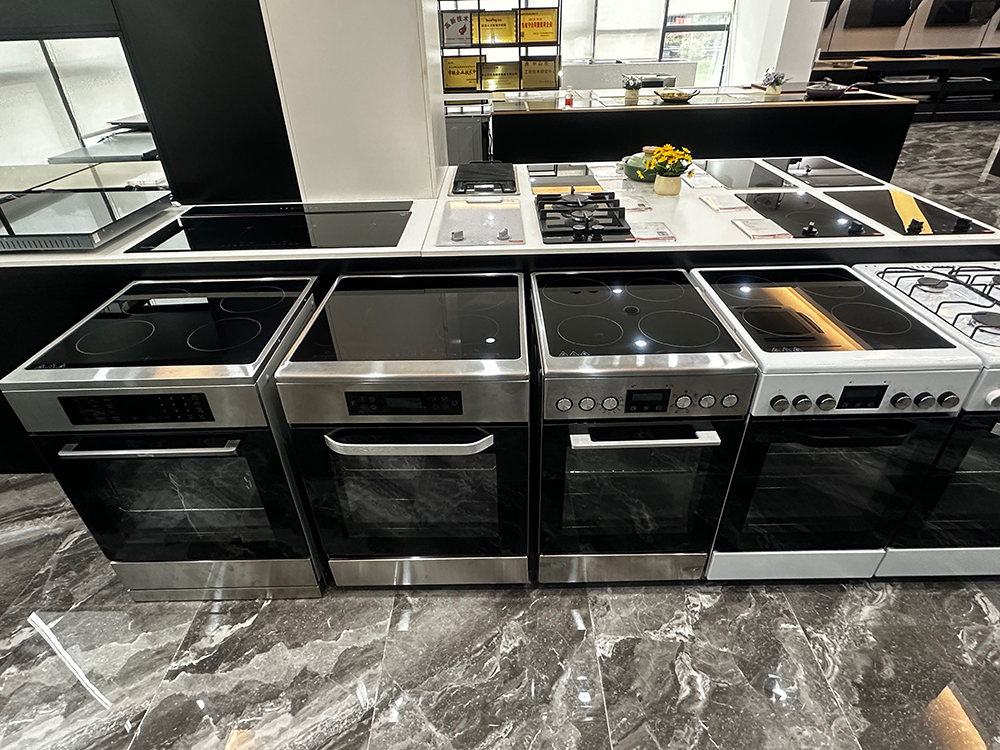
Understanding the different types of cooking stove electric ovens helps narrow down choices based on performance, budget, and kitchen layout.
1. Coil Electric Ranges
These traditional models use exposed metal heating elements. While less common today, they remain affordable and easy to repair.
- Pros: Low upfront cost, simple maintenance, durable under heavy use
- Cons: Harder to clean, uneven heat distribution, outdated appearance
2. Smooth-Top Electric Ranges
Featuring a flat ceramic-glass surface, these models offer a modern look and easier cleaning.
- Pros: Sleek design, wipe-clean surface, better heat retention
- Cons: More expensive than coil, sensitive to scratches, slower cooling
3. Induction Cooktop Ranges
Induction uses electromagnetic fields to heat pots directly, not the cooktop. This provides rapid, responsive cooking similar to gas but with electric efficiency.
- Pros: Fastest heating, precise temperature control, cooler surface, energy-efficient
- Cons: Requires magnetic cookware, higher initial cost, potential humming noise
4. Double-Oven Electric Ranges
Equipped with two separate ovens (usually stacked), these are ideal for large families or frequent entertainers.
- Pros: Simultaneous cooking at different temps, flexible meal planning
- Cons: Larger footprint, higher price, increased energy use
5. Smart Electric Ranges
Wi-Fi-enabled models allow remote monitoring, app-based recipes, and voice control via Alexa or Google Assistant.
- Pros: Convenient scheduling, diagnostic alerts, integration with smart kitchens
- Cons: Higher cost, dependency on internet, software bugs possible
Key Features and Specifications to Evaluate
To make an informed decision when buying a cooking stove electric oven, consider the following technical and functional aspects:
- Burner Configuration: Standard setups include one small, two medium, and one large burner. Look for dual-element burners for versatility.
- Oven Capacity: Measured in cubic feet; standard single ovens range from 3.5 to 5.0 cu ft. Larger capacities suit big dishes or multiple trays.
- Heating Technology: True convection (with a third heating element) ensures even baking. Fan-only convection may cause uneven browning.
- Temperature Precision: Digital sensors and probe thermometers improve accuracy during roasting or slow cooking.
- Control Panel Type: Knobs are intuitive; touch controls look modern but can be prone to smudges or accidental activation.
- Safety Features: Child lock, auto-shutoff, pan detection (for induction), and cool-down indicators enhance household safety.
- Energy Efficiency: Check ENERGY STAR® ratings if available. Induction models generally use 10–20% less energy than conventional electric.
- Installation Requirements: Most require a 240-volt circuit. Ensure your electrical system supports this before purchase.
Pros and Cons
Advantages of Electric Cooking Stoves with Ovens:
- Even heat distribution ideal for baking and delicate sauces
- No gas line required—easier installation in many homes
- Available in diverse styles and colors to match kitchen decor
- Induction models offer near-instant response and superior control
- Self-cleaning and steam-clean options reduce manual scrubbing
Disadvantages:
- Slower heating compared to gas (except induction)
- Glass tops can crack under impact or thermal shock
- Power outages disable the entire unit
- Some older homes may need electrical upgrades
- Limited compatibility with certain cookware (especially induction)
Electric ranges are best suited for those who prioritize safety, consistency, and modern features. They’re less ideal for chefs who rely heavily on visual flame control or live in areas with unreliable power supply.
How to Choose a Cooking Stove Electric Oven
Follow this step-by-step guide to ensure you select the right model:
- Assess Your Kitchen Space: Measure cutout dimensions and clearance around the unit. Standard width is 30 inches, but compact (24") and wide (36") models exist.
- Determine Power Needs: Confirm access to a 240V outlet. For induction, verify amperage requirements (often 40–50 amps).
- Choose Heating Type: Decide between coil, radiant, or induction based on speed, control, and budget.
- Evaluate Oven Configuration: Single vs. double oven depends on cooking volume. Bottom oven should accommodate a standard turkey or sheet pan.
- Check User Interface: Prefer tactile knobs or digital touch? Consider usability for elderly or visually impaired users.
- Review Safety and Cleaning Options: Auto-shutoff, child locks, and pyrolytic cleaning add convenience and safety.
- Compare Energy Use: Induction and convection models save time and electricity over time.
- Read Warranty Terms: Look for at least one year parts/labor; some brands offer extended coverage on control boards or heating elements.
- Avoid These Red Flags: No UL certification, missing installation instructions, vague customer support, or unusually low prices suggesting counterfeit goods.
Price & Market Insights
Pricing varies significantly based on type, brand, and features:
- Budget ($400–$800): Basic coil or smooth-top models with mechanical controls. Suitable for rentals or secondary kitchens.
- Mid-Range ($800–$1,500): Includes most induction and convection models with digital displays and improved build quality.
- Premium ($1,500–$3,000+): High-end induction, smart ovens, dual-fuel hybrids, or professional-style designs from brands like GE Profile, Bosch, or Samsung.
Best value often lies in the mid-tier, where key innovations like induction and convection become standard without luxury markups. Watch for seasonal sales (Black Friday, Memorial Day) to save 10–25%.
| Model Type | Avg. Price | Key Feature | Best For |
|---|---|---|---|
| Coil Electric Range | $450 | Durability | Rentals, backup units |
| Smooth-Top Electric | $700 | Clean appearance | Modern kitchens |
| Induction Range | $1,200 | Fast heating | Frequent cooks |
| Double-Oven Smart Range | $2,000 | Remote control | Large households |
Top-Seller & Competitive Analysis
Leading models in the cooking stove electric oven market balance performance, reliability, and innovation. Brands like GE, Whirlpool, LG, and Samsung dominate U.S. sales due to broad availability and service networks. GE’s Profile series stands out for its induction technology and flexible boil/bake burners. LG offers Wi-Fi integration and InstaView doors. Samsung includes AI-powered cooking assistants in select models.
When analyzing top sellers, note recurring strengths: fast preheat times, quiet convection fans, and intuitive interfaces. However, some users report issues with touch controls malfunctioning after repeated cleaning or Wi-Fi disconnections in smart models. Always verify firmware update policies and app stability before opting for connected features.
Customer Feedback Synthesis
Based on aggregated reviews across retail and review platforms:
Common Praises:
- "The induction cooktop heats so fast—I can boil water in under 2 minutes."
- "Love the convection fan; my cookies bake evenly every time."
- "Easy to wipe down after splatters—so much cleaner than old coil stoves."
- "Double oven lets me cook dinner and dessert at once without flavor transfer."
Recurring Complaints:
- "Glass top cracked when I dropped a cast-iron skillet."
- "Touch controls activated accidentally while wiping the surface."
- "Oven runs hotter than set temperature—had to recalibrate manually."
- "Noisy fan during convection mode disrupts quiet evenings."
These insights highlight the importance of proper handling, verifying calibration options, and considering user interface preferences before purchase.
Sourcing & Supplier Tips
Buy from authorized dealers or directly through manufacturer websites to ensure warranty validity. Major retailers like Home Depot, Lowe’s, Best Buy, and AJ Madison offer delivery, haul-away, and installation services. For bulk purchases (e.g., property developers or rental managers), contact distributors for volume pricing.
If sourcing internationally, confirm voltage compatibility and plug type—U.S. models use NEMA 14-50 outlets. Avoid gray-market imports lacking local certification. When ordering online, inspect packaging upon arrival and test all functions immediately. Keep proof of purchase and registration forms to activate full warranty benefits.
Maintenance, Safety & Legal Considerations
Regular maintenance extends lifespan and ensures safe operation:
- Clean spills promptly to prevent staining or damage to glass surfaces.
- Use non-abrasive cleaners and avoid scraping with sharp tools.
- Inspect cords and plugs periodically for wear, especially in older models.
- Ensure proper ventilation above the cooktop to manage heat and moisture.
Safety standards require all electric ranges sold in the U.S. to be certified by Underwriters Laboratories (UL) or ETL. Verify this marking on the product label. Follow National Electrical Code (NEC) guidelines for circuit installation—typically a dedicated 40- to 50-amp 240V circuit.
Never leave cooking unattended, especially with oils or flammable materials nearby. Install smoke detectors within 10 feet of the kitchen. If using induction, keep pacemaker users at least 24 inches away as a precaution (FDA recommends consulting a physician).
Conclusion
Choosing the right cooking stove electric oven involves balancing performance, safety, design, and budget. For most households, a mid-priced induction or smooth-top model with convection baking offers the best blend of efficiency and functionality. Prioritize ease of cleaning, accurate temperature control, and verified safety certifications. Whether you're upgrading your kitchen or outfitting a new home, taking time to evaluate your cooking style and electrical setup will lead to a satisfying, long-term investment.
FAQs
Can I use any cookware on an induction cooking stove electric oven?
No—only magnetic-bottom pans (like cast iron or magnetic stainless steel) work. Test with a magnet before buying.
Do electric ovens use a lot of electricity?
They consume significant power during use (up to 2,500 watts), but modern models are more efficient. Induction reduces overall energy use.
How do I clean a glass-top electric stove?
Use a damp cloth and recommended cleaner. For tough stains, apply a paste of baking soda and water, then gently scrape with a razor blade at a 45-degree angle.
Is it worth getting a double oven?
Yes, if you regularly cook multiple dishes at different temperatures or host large gatherings.
What should I do if my electric oven isn't heating properly?
Check the circuit breaker, ensure the oven is set correctly, and verify the heating element isn’t damaged. Consult the manual or a technician if problems persist.




 浙公网安备
33010002000092号
 浙B2-20120091-4