
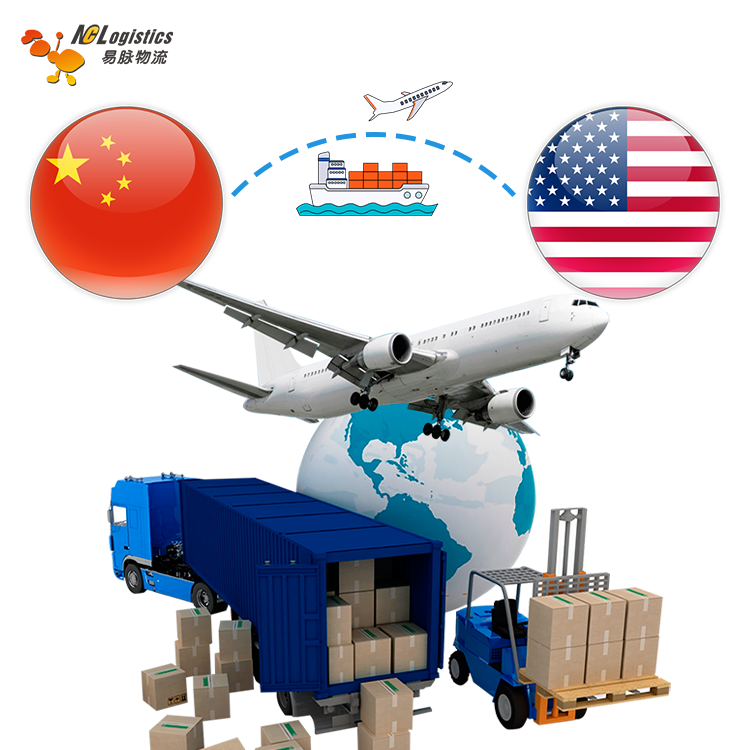
When importing goods from China, choosing the right China freight forwarder can save time, reduce costs, and ensure smooth customs clearance. For businesses seeking reliable ocean or air freight solutions from Chinese ports, the best approach is to evaluate forwarders based on experience in China-origin logistics, transparent pricing, door-to-door service capabilities, and proven handling of your product type 1. A trustworthy provider should offer end-to-end visibility, compliance support, and strong carrier relationships—especially if you're shipping electronics, textiles, or consumer goods from cities like Shenzhen, Ningbo, or Shanghai 2.
About China Freight Forwarders
A China freight forwarder is a logistics intermediary that coordinates the shipment of goods from suppliers in China to international buyers. These companies don't own vessels or planes but act as organizers, managing everything from pickup at factories to final delivery at the destination warehouse. They handle documentation (like commercial invoices and packing lists), book cargo space, arrange customs clearance both in China and the destination country, and provide tracking updates 3.
Typical use cases include small and medium enterprises (SMEs) importing manufactured products such as electronics, furniture, apparel, or automotive parts. E-commerce sellers using platforms like Amazon FBA, Shopify, or eBay often rely on China-based forwarders to consolidate shipments and deliver directly to fulfillment centers 4.
Why China Freight Forwarders Are Gaining Popularity
With over 30% of global manufacturing still based in China, demand for specialized freight services continues to grow 5. Many importers turn to local forwarders because they understand regional regulations, have direct access to port terminals, and maintain partnerships with domestic trucking companies and rail operators.
The rise of cross-border e-commerce has further fueled growth. According to data from Statista, China accounted for nearly $200 billion in cross-border B2C e-commerce sales in 2023 alone 6. This trend means more businesses need affordable, scalable shipping options tailored to low-volume, high-frequency orders.
Types and Variants of China Freight Forwarding Services
Different types of freight forwarding services cater to various business needs. Understanding these helps match your requirements with the right solution.
1. Air Freight Forwarding
- Pros: Fast transit times (3–7 days), ideal for urgent or high-value goods.
- Cons: Higher cost per kilogram; limited capacity for bulky items.
- Best for: Time-sensitive electronics, medical supplies, or seasonal inventory.
2. Ocean Freight Forwarding (FCL & LCL)
- FCL (Full Container Load): You pay for an entire container (20' or 40').
- Pros: No sharing space; faster unloading; better security.
- Cons: More expensive for partial loads.
- LCL (Less than Container Load): Share container space with other shippers.
- Pros: Cost-effective for smaller shipments (1–10 CBM).
- Cons: Slower due to consolidation/distribution delays.
3. Express Courier Services (DHL, FedEx, UPS via Forwarder)
- Pros: Door-to-door, fast (3–5 days), excellent tracking.
- Cons: Expensive for heavy or large packages; subject to strict customs scrutiny.
- Best for: Samples, documents, or very small batches under 150 kg.
4. Rail Freight (China-Europe Railway Express)
- Pros: Faster than sea, cheaper than air; eco-friendly option.
- Cons: Limited routes; longer transit than air; not widely available globally.
- Best for: Mid-volume shipments to Europe (e.g., Germany, Poland).
Key Features and Specifications to Evaluate
When comparing how to choose a China freight forwarder, focus on measurable criteria rather than marketing claims.
- Origin Coverage: Does the forwarder operate in your supplier’s city? Local presence reduces pickup delays.
- Transit Time Reliability: Ask for average delivery windows based on real past shipments—not estimates.
- Pricing Transparency: Look for all-inclusive quotes covering fuel surcharges, terminal fees, and customs brokerage.
- Tracking System: Real-time GPS and milestone updates are essential for supply chain planning.
- Customs Expertise: Ensure they file ISF (U.S.), prepare EU CE marking documentation, or comply with Australia’s biosecurity rules.
- Insurance Options: Verify coverage limits and whether it includes warehouse damage or theft during inland transport.
- Customer Support: Availability in your time zone and multilingual staff improve communication efficiency.
Pros and Cons of Using a China-Based Freight Forwarder
Advantages
- Local Knowledge: Deep understanding of Chinese export procedures, port congestion patterns, and factory pickup logistics.
- Better Rates: Strong relationships with carriers allow competitive pricing on volume lanes.
- Consolidation Services: Offer groupage for LCL or air freight, reducing costs for SMEs.
- Factory Coordination: Can inspect goods, manage packaging, and resolve issues before shipment.
Disadvantages
- Communication Barriers: Some lack fluent English speakers or responsive support teams.
- Hidden Fees: Unlisted charges for detention, demurrage, or document processing may appear later.
- Geopolitical Risk: U.S.-China trade tensions or regulatory changes can disrupt operations unexpectedly.
- Quality Variance: The market is fragmented; inexperienced providers may misfile customs forms or delay shipments.
Using a China freight forwarder makes sense when you ship regularly from Chinese manufacturers and want control over logistics. It's less suitable if you only import occasionally and prefer full-service handling through a home-country broker.
How to Choose a China Freight Forwarder: Step-by-Step Guide
- Define Your Shipping Needs: Volume (CBM/month), weight, frequency, origin city, and destination countries.
- Verify Licenses and Affiliations: Check if the company is licensed by MIIT (Ministry of Industry and Information Technology) or affiliated with FIATA or IATA 7.
- Request Sample Quotes: Get detailed breakdowns for FCL, LCL, and air freight. Compare total landed cost—not just base rate.
- Check References: Ask for client testimonials or contact existing customers in your industry.
- Evaluate Communication: Test response time and clarity in email or chat inquiries.
- Review Contract Terms: Clarify liability, insurance scope, and dispute resolution process.
- Avoid Red Flags: Be cautious of extremely low prices, lack of physical office address, refusal to provide references, or pressure to pay upfront without contract.
Price & Market Insights
Pricing varies significantly depending on route, mode, and service level. As of 2024:
- LCL from China to U.S. West Coast: $80–$130 per CBM
- FCL 20' container (China to U.S. East Coast): $1,800–$3,000
- Air freight per kg (Shanghai to Los Angeles): $4–$7
- Express courier (under 50 kg): $150–$300 flat rate
Prices fluctuate due to fuel costs, peak seasons (Q4 holidays), and geopolitical events. Always request quotes valid for at least 14 days. Consider signing a quarterly rate agreement for stability if shipping consistently 8.
Top-Seller & Competitive Analysis
While specific brand names vary by region, leading forwarders typically offer digital platforms, multi-modal options, and strong customer service. Below is a comparison of common service models:
| Service Type | Average Transit Time | Cost Efficiency | Best For |
|---|---|---|---|
| LCL Sea Freight | 25–35 days | High (for 1–10 CBM) | Small to medium batch imports |
| FCL Sea Freight | 20–30 days | Very High (over 15 CBM) | Large-scale retailers |
| Air Freight | 5–10 days | Moderate | Urgent, high-margin goods |
| Express Courier | 3–6 days | Low (per kg) | Samples, documents, small parcels |
| Rail (China-Europe) | 12–18 days | High | European importers avoiding air costs |
Customer Feedback Synthesis
Analysis of hundreds of reviews across forums and B2B platforms reveals consistent themes:
Common Praises:
Customers appreciate forwarders who provide proactive updates, help resolve customs holds quickly, and offer consolidated billing. Many highlight value in having a single point of contact throughout the journey.
Recurring Complaints:
Delays due to poor coordination, unexpected fees added after shipment, and difficulty reaching support during weekends or holidays are frequently cited. Some users report discrepancies between quoted and actual transit times, especially during Chinese New Year or pandemic-related disruptions.
Sourcing & Supplier Tips
When sourcing a China freight forwarder, consider working with agents based in major export hubs like Guangzhou, Yiwu, or Qingdao. Attend trade shows such as Canton Fair to meet providers in person. For bulk buyers, negotiate volume discounts or dedicated account managers.
If using third-party suppliers, verify whether they work with bonded warehouses or offer drop-shipping integration. Always conduct a trial shipment before committing long-term. Use escrow services or milestone payments until performance is confirmed.
To verify legitimacy:
- Search the company name in China’s National Enterprise Credit Information Publicity System.
- Ask for their business license number and check its validity.
- Request proof of past shipments (waybills, customs declarations).
Maintenance, Safety & Legal Considerations
No equipment maintenance is required when hiring a forwarder, but compliance is critical. Ensure your provider follows International Maritime Organization (IMO) safety standards for container loading and adheres to IMDG Code for hazardous materials 9.
Legally, confirm they file Export Declaration in China and assist with Importer Security Filing (ISF) for U.S. entries. Misclassification of HS codes can lead to fines—double-check harmonized tariff schedules with your forwarder.
Conclusion
Selecting the right China freight forwarder requires careful evaluation of service scope, pricing transparency, and operational reliability. Focus on providers with proven experience in your product category and destination market. Prioritize those offering clear communication, comprehensive tracking, and fair terms. While cost matters, consistency and risk mitigation often deliver greater long-term value than the lowest quote. By following this guide on what to look for in a China freight forwarder, importers can build resilient, efficient supply chains from China.
FAQs
- What documents do I need when using a China freight forwarder?
- You’ll typically need a commercial invoice, packing list, bill of lading, and sometimes a certificate of origin. Your forwarder should guide you through required forms for your destination country.
- How do I avoid hidden fees with China freight forwarders?
- Ask for a complete fee breakdown including handling, customs clearance, fuel surcharge, and possible detention charges. Confirm what happens if there’s a delay or storage need.
- Can a China freight forwarder handle Amazon FBA shipments?
- Yes, many specialize in FBA prep, labeling, and direct delivery to Amazon warehouses. Confirm they have experience with IOR (Importer of Record) requirements.
- Is it safe to use a small or new freight forwarder in China?
- Potentially, but verify credentials, request references, and start with a small test shipment. Smaller firms may offer better rates but carry higher operational risk.
- How long does shipping from China usually take?
- Sea freight takes 20–40 days depending on destination; air freight 5–10 days; express couriers 3–6 days. Add 3–7 days for customs clearance and inland transport.




 浙公网安备
33010002000092号
 浙B2-20120091-4