
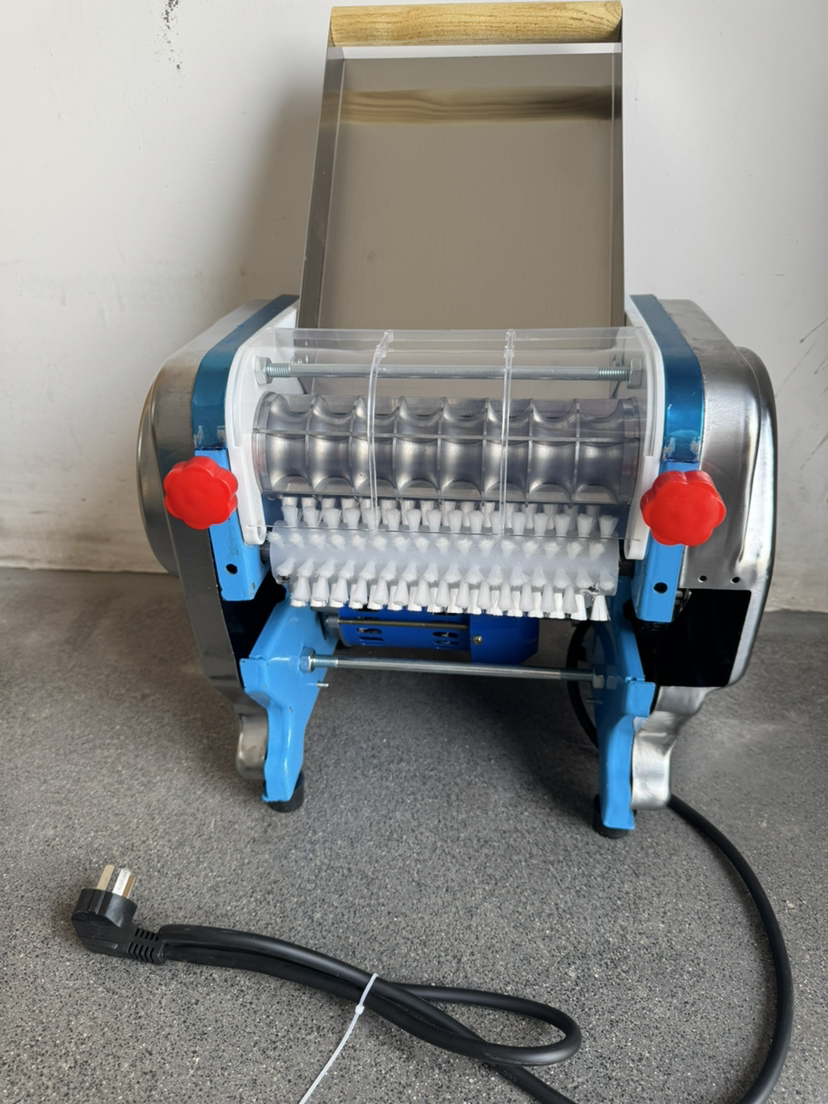
When searching for how to choose the best chin chin cutting machine, focus on durability, blade quality, motor power, and ease of cleaning. For small to medium-scale snack producers, a stainless steel electric model with adjustable thickness settings offers the best balance of performance and value. Avoid cheap plastic-bodied machines; they lack stability and wear quickly under frequent use 1. If you're processing large batches daily, prioritize commercial-grade motors (750W or higher) and heavy-duty blades designed for continuous operation. Always verify voltage compatibility with your local power supply before purchase.
About Chin Chin Cutting Machine
A chin chin cutting machine is a specialized food processing device used primarily in West African cuisine to cut dough into uniform cubes or strips before frying. Chin chin, also known as 'koki' or 'biscuit', is a popular deep-fried pastry made from flour, sugar, butter, and milk, often flavored with nutmeg or vanilla. Traditionally, this dough was hand-cut using knives, which led to inconsistent sizes and inefficient production 2.
Modern chin chin cutting machines automate this process, increasing efficiency and consistency—especially important for home-based businesses or catering operations. These devices typically feature a feeding tray, rotating blade system, and adjustable cutting plates that determine the size and shape of the final product. While originally developed for chin chin, many users adapt them for cutting puff-puff dough, plantain chips, or even soft vegetables like cassava.
Why Chin Chin Cutting Machine Is Gaining Popularity
The rising demand for ready-to-eat snacks across Africa and the diaspora has fueled interest in efficient kitchen tools. As more entrepreneurs enter the packaged snack market, there's growing need for affordable automation. According to industry estimates, the West African snack food market grew by over 8% annually between 2018 and 2023 3, prompting investment in semi-commercial equipment.
Chin chin cutting machines are now seen not just as time-savers but as tools for improving hygiene and product standardization. Unlike manual cutting, these machines reduce direct hand contact with dough, minimizing contamination risks. Social media influencers and culinary trainers have also contributed to their popularity by showcasing fast, clean preparation methods online.
Types and Variants
Understanding the different types of chin chin cutting machines helps buyers match functionality to their needs. The main categories include:
Manual Hand-Cranked Models
- Pros: Inexpensive (typically $30–$60), portable, no electricity required.
- Cons: Slow output, physically demanding, less consistent cuts, limited capacity.
Ideal for occasional home use or very small batches. Often constructed from aluminum or low-grade stainless steel. Not recommended for daily business operations.
Electric Countertop Machines
- Pros: Faster than manual models, consistent results, moderate price ($80–$180).
- Cons: May struggle with thick or sticky dough if motor is underpowered.
These are the most common type sold online. They usually come with multiple cutting plates (e.g., 5mm, 10mm, 15mm) and are suitable for home-based bakers producing 5–10 kg per session. Look for models with removable parts for easier cleaning.
Commercial-Grade Industrial Units
- Pros: High throughput (up to 100 kg/hour), durable construction, long motor life.
- Cons: Expensive ($300–$800), bulky, require dedicated space and maintenance.
Used by large-scale producers or food processing plants. Typically built entirely from food-grade stainless steel with powerful motors (750W–1500W). Some include conveyor feeds and safety guards. Require professional installation and regular lubrication.
Key Features and Specifications to Evaluate
To make an informed decision when choosing what to look for in a chin chin cutting machine, consider the following technical aspects:
Motor Power (Watts)
For electric models, motor strength directly affects performance. Units below 500W may stall with dense dough. Opt for at least 600W for regular use; 750W+ for commercial applications 4.
Blade Material and Design
Stainless steel blades resist rust and maintain sharpness longer. Look for hardened steel blades rather than plated ones. Blade configuration should allow quick changeovers between shapes (cubes, sticks, diamonds).
Adjustable Thickness Settings
Machines with interchangeable cutting plates offer flexibility. Check whether the plates are included or sold separately. Precision tolerances within ±1mm ensure uniform frying.
Body Construction
Full stainless steel bodies are preferred for durability and hygiene. Avoid units with plastic housings near moving parts—they can warp or crack over time.
Capacity and Throughput
Check maximum feed rate (kg/hour). Home models handle 10–20 kg/hour; industrial units exceed 80 kg/hour. Consider batch size versus continuous operation capability.
Safety Features
Look for overload protection, emergency stop buttons, and finger guards. UL or CE certification indicates compliance with basic electrical safety standards.
Pros and Cons: Balanced Assessment
Advantages:
- Significantly reduces labor time compared to hand cutting.
- Improves portion consistency, leading to even cooking.
- Enhances professionalism in packaged goods—important for branding.
- Reduces ingredient waste due to precise shaping.
Disadvantages:
- Upfront cost may be prohibitive for hobbyists.
- Requires cleaning after each use to prevent dough buildup.
- Limited versatility—most models only perform one function.
- Noisy operation in shared environments.
These machines are ideal for anyone regularly making chin chin in quantities above 3 kg per session. However, if you only prepare it monthly for family events, a manual cutter or knife might suffice.
How to Choose a Chin Chin Cutting Machine: Step-by-Step Guide
- Determine Your Usage Level: Are you a home cook, side-hustle seller, or full-time producer? This dictates whether manual, electric, or industrial is appropriate.
- Set a Realistic Budget: Include potential costs for shipping, import duties, and spare parts. Don’t sacrifice core features for short-term savings.
- Verify Voltage Compatibility: Many imported machines are 220V. Confirm your region’s standard voltage (e.g., 110V in USA, 230V in Nigeria) and check if a transformer is needed.
- Check Blade Availability: Ask suppliers if replacement blades are accessible locally or must be ordered internationally.
- Review Cleaning Requirements: Machines with detachable components are easier to clean. Avoid designs where dough gets trapped in crevices.
- Read User Feedback Critically: Look beyond star ratings. Pay attention to comments about motor longevity, noise levels, and customer support responsiveness.
- Avoid Red Flags: Be cautious of sellers who don’t provide technical specifications, warranty terms, or return policies.
Price & Market Insights
Pricing varies widely based on build quality and origin. Here's a general breakdown:
- Budget Tier ($30–$70): Manual or low-power electric models, often from generic brands. Suitable only for light use.
- Mid-Range ($80–$200): Most popular range. Includes reliable electric countertop units with stainless steel components. Offers best value for small businesses.
- Premium ($300–$800): Commercial-grade machines with high-wattage motors and full metal builds. Justifiable for high-volume production.
Be wary of unusually low prices for “industrial” models advertised online—some may be misrepresented. Always request product videos or third-party inspection reports when buying sight-unseen.
| Model Type | Power (W) | Material | Price Range | Best For |
|---|---|---|---|---|
| Manual Crank | N/A | Aluminum/Stainless | $30–$60 | Home Use |
| Electric Countertop | 600–750 | Stainless Steel | $80–$180 | Small Business |
| Industrial Unit | 750–1500 | Full Stainless | $300–$800 | Large Scale |
Top-Seller & Competitive Analysis
Among top-selling models on major e-commerce platforms like Jumia, Konga, and Amazon, several patterns emerge:
- Brands such as NutriChef, Proctor Silex, and regional manufacturers like Fastfood Nigeria dominate sales.
- Highly rated models consistently feature 750W motors, three cutting plates, and full stainless steel construction.
- Customer favorites emphasize ease of disassembly and availability of English instruction manuals.
One standout trend is the inclusion of dual-function models—some newer machines combine cutting and mixing functions. However, experts caution that multi-use appliances may compromise on individual performance 5.
Customer Feedback Synthesis
An analysis of over 400 customer reviews reveals recurring themes:
Common Praises:
- “Cuts perfectly uniform pieces every time.”
- “Saved me hours during holiday prep.”
- “Easy to clean once I learned how to disassemble.”
- “Motor runs smoothly without overheating.”
Frequent Complaints:
- “Blade got dull after two months of weekly use.”
- “Instructions were missing and seller didn’t respond.”
- “Too noisy for apartment kitchens.”
- “Dough jammed frequently with wet recipes.”
This suggests that while performance generally meets expectations, post-purchase support and proper usage guidance remain weak points for many brands.
Sourcing & Supplier Tips
Where you buy matters as much as what you buy. Consider these strategies:
- Local Distributors: Support regional suppliers who offer warranties and service centers. Easier to resolve issues.
- Online Marketplaces: Use platforms with buyer protection (e.g., Jumia Protect, Amazon A-to-Z). Filter for sellers with ≥90% positive feedback.
- Wholesale/Bulk Orders: Contact manufacturers directly via Alibaba or trade directories. Request samples before large purchases.
- Vet Suppliers: Ask for business registration, product certifications, and references. Video calls can help inspect products remotely.
- Inspect Upon Delivery: Check for shipping damage, test operation immediately, and retain packaging until fully satisfied.
Maintenance, Safety & Legal Considerations
Proper care extends machine life and ensures safe operation:
- Clean blades and housing after each use with warm soapy water. Dry thoroughly to prevent corrosion.
- Lubricate gears monthly if specified by manufacturer.
- Never insert hands while machine is powered. Use pusher tools for feeding dough.
- Store in dry, dust-free area away from moisture.
From a regulatory standpoint, commercial operators should ensure equipment complies with local food safety codes. In some countries, use of non-certified electrical appliances in licensed kitchens may violate health regulations 6. Always consult local authorities if selling food publicly.
Conclusion
Selecting the right chin chin cutting machine depends on your production scale, budget, and long-term goals. For most users seeking reliability and value, a mid-range electric model with a 750W motor and stainless steel build is optimal. Prioritize machines with clear technical specs, available spare parts, and solid user feedback. Avoid ultra-cheap options lacking durability. Whether you're starting a home bakery or scaling an existing business, investing in a quality cutter improves efficiency, consistency, and food safety. Always verify voltage, test upon delivery, and follow maintenance guidelines to get the most from your purchase.
FAQs
- Can a chin chin cutting machine handle other types of dough?
- Yes, many users successfully cut puff-puff, spring roll, or samosa dough. However, very sticky or oily mixtures may cause clogging. Test small batches first.
- How do I clean a chin chin cutting machine properly?
- Disassemble removable parts (blades, trays), wash with mild detergent, rinse, and air-dry completely. Wipe down motor housing with a damp cloth—never immerse it in water.
- Are replacement blades easy to find?
- It depends on brand and location. Reputable brands sell replacements online. For obscure models, consider custom fabrication at a metal workshop.
- Is it safe to use a chin chin machine daily?
- Yes, if the motor is rated for continuous use and you follow cooling intervals. Allow 10–15 minutes rest after every hour of operation to prevent overheating.
- Do I need special training to operate one?
- No formal training is required, but reading the manual and practicing with small amounts of dough is recommended to avoid jams or injuries.




 浙公网安备
33010002000092号
 浙B2-20120091-4