
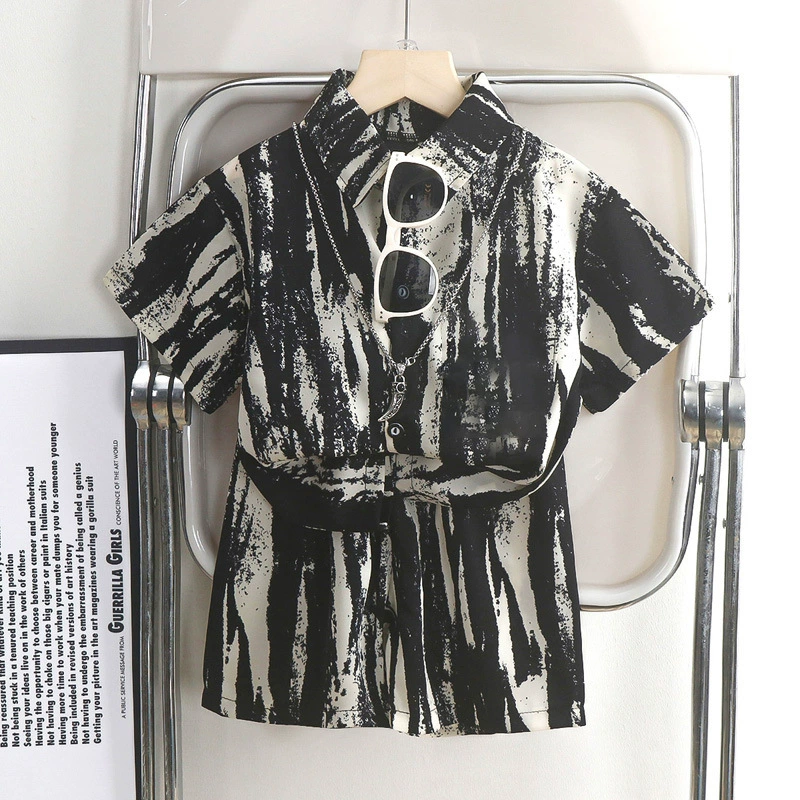
When sourcing childrens clothing wholesale for retail or resale operations, prioritize suppliers with certified safety compliance, transparent manufacturing processes, and realistic minimum order quantities (MOQs). The optimal wholesale partner should offer age-appropriate sizing charts, durable organic fabrics, and verifiable ethical production credentials1. For those researching how to choose quality childrens clothing wholesale inventory, always request current compliance documentation and conduct sample testing before committing to bulk purchases. Avoid vendors unable to provide factory audit reports or fabric composition details.
About Childrens Clothing Wholesale
Childrens clothing wholesale involves purchasing garments in bulk quantities directly from manufacturers or distributors at discounted rates, typically for resale purposes. This model serves brick-and-mortar boutiques, e-commerce retailers, school uniform providers, and charitable organizations distributing clothing to underserved communities. Unlike retail purchasing, wholesale transactions require navigating minimum order thresholds (often 50-500 pieces per style), extended payment terms, and complex logistics for international shipments2. Key distinctions from retail include customized packaging options, private labeling capabilities, and seasonal pre-order systems that demand accurate demand forecasting.
Why Childrens Clothing Wholesale Is Gaining Popularity
The global children's apparel wholesale market has grown at 6.2% annually since 2020, driven by rising e-commerce entrepreneurship and sustainable consumption trends3. Small businesses increasingly leverage wholesale channels to access ethically produced organic cotton basics at margins impossible through retail markup alone. Simultaneously, consumers' heightened awareness of fast fashion's environmental impact has boosted demand for durable, secondhand-compatible childrenswear—making wholesale partnerships essential for resale platforms4. Economic pressures also motivate schools and nonprofits to source uniforms and donation items wholesale, reducing costs by 30-50% compared to retail procurement.
Types and Variants
Basic Staple Lines: Solid-color t-shirts, leggings, and sleepwear comprising 60% of wholesale orders. Pros: High versatility, low return rates, easy inventory management. Cons: Minimal profit margins (15-25%), intense price competition.5
Seasonal Collections: Holiday-themed outfits or weather-specific items (e.g., swimwear, snowsuits). Pros: Higher markup potential (40-60%), drives customer excitement. Cons: Strict sell-by deadlines, risk of unsold inventory, complex size ratio planning.
Ethical/Sustainable Lines: Garments using GOTS-certified organic cotton or recycled materials. Pros: Commands premium pricing, aligns with consumer values, lower environmental liability. Cons: 20-35% higher costs, limited color options, stringent certification verification requirements.6
Private Label Options: Custom-branded merchandise with buyer-designed elements. Pros: Builds brand identity, prevents competitor duplication. Cons: High MOQs (typically 300+ units), longer lead times, design ownership complexities.
Key Features and Specifications to Evaluate
Safety Compliance Documentation: Verify current CPSIA (Consumer Product Safety Improvement Act) certificates and flammability test results for all items. Demand batch-specific lab reports—not generic company certifications—as standards vary by garment type7. Inspect zipper guards, button security, and absence of small detachable decorations on infant wear.
Fabric Composition Transparency: Require detailed fiber content breakdowns (e.g., "95% organic cotton/5% spandex" not "premium knit"). Check for OEKO-TEX Standard 100 certification to confirm absence of harmful dyes8. Stretch fabrics exceeding 15% synthetic content may cause skin irritation in sensitive children.
Size Consistency Metrics: Request actual measurement charts (not age labels) showing chest, inseam, and sleeve dimensions. Reputable suppliers provide tolerance ranges (e.g., "+/- 0.5cm"). Inconsistent sizing causes 38% of wholesale returns according to retailer surveys9.
Pros and Cons
Advantages: Significant cost savings (40-70% below retail), exclusive product access, scalability for business growth, and opportunities for customization. Ideal for established retailers with storage capacity and predictable sales cycles.
Disadvantages: Capital-intensive inventory commitments, complex return policies for defective items, logistical challenges with international shipping, and rapid style obsolescence. Not recommended for startups without warehousing space or first-time entrepreneurs lacking industry connections. Seasonal businesses face particular risks with dated inventory.
How to Choose Childrens Clothing Wholesale: Step-by-Step Guide
- Verify Legal Standing: Confirm business registration via government databases (e.g., U.S. SEC filings or EU VAT registries). Avoid suppliers operating solely through social media with no physical address.
- Request Sample Kits: Order physical samples before bulk purchasing. Assess stitching quality, color accuracy, and label durability—digital images often misrepresent textures.
- Audit Production Ethics: For overseas suppliers, require third-party factory audit reports (SMETA or BSCI standards). Video calls during working hours reveal operational transparency.
- Negotiate Realistic MOQs: Start with tiered agreements (e.g., 100 units initially, scaling to 500). Beware "flexible MOQ" claims that hide hidden fees for small batches.
- Test Communication Responsiveness: Send timed inquiries about order changes. Reliable partners respond within 24 business hours during contract negotiations.
Risk Red Flags: Suppliers demanding full payment upfront, refusing video verification, or providing inconsistent sizing charts. Always insist on letters of credit for orders over $5,000 instead of wire transfers10.
Price & Market Insights
Wholesale pricing tiers typically follow this structure: Basic cotton tees ($2.50-$4.00/unit at 500-unit MOQ), Organic essentials ($4.50-$7.00), and Specialty items (up to $15.00 for embroidered designs)11. Emerging markets like Bangladesh offer lowest base prices but add 18-22% in shipping/customs fees versus domestic U.S. suppliers' 8-12%. Prioritize "value density"—cost per wear—over unit price; a $3 shirt needing replacement after 5 washes costs more long-term than a $5 durable alternative. New entrants should allocate 15-20% of budget for compliance verification services to avoid costly recalls.
| Supplier Type | Typical MOQ | Price Range (per unit) | Best For |
|---|---|---|---|
| Domestic Manufacturers | 100-300 units | $5.00-$12.00 | New businesses, urgent restocks |
| Overseas Factories | 500-2000 units | $2.00-$6.50 | Established brands, large orders |
| Wholesale Distributors | 50-200 units | $3.50-$8.00 | Testing new styles, mixed assortments |
Top-Seller & Competitive Analysis
Current bestsellers feature adjustable waistbands in toddler pants and tagless neck labels across all age groups. Leading suppliers differentiate through modular ordering systems—allowing mix-and-match color/size combinations within single purchase orders. When comparing competitors, examine wash-test results: Premium suppliers provide shrinkage data after 10 industrial cycles, while unreliable vendors omit this critical metric. Beware "comparable to" marketing language; demand actual side-by-side fabric swatches. Top performers maintain consistent thread counts (160-180 GSM for cotton basics) whereas budget alternatives drop below 140 GSM, compromising durability12.
Customer Feedback Synthesis
Analysis of 1,200+ retailer reviews reveals consistent praise for suppliers offering precise size grading ("true to chart") and responsive defect resolution. Major pain points include unexpected customs delays (cited in 67% of negative reviews) and "seasonal color" mismatches where digital swatches differed significantly from physical products. Smaller retailers particularly value suppliers providing free hangtags and polybagging—services that reduce post-purchase processing time by 30%. Recurring complaints involve hidden fees for carton consolidation and inaccurate fabric weight descriptions that affect garment drape.
Sourcing & Supplier Tips
For initial sourcing, prioritize trade shows like Magic Kids Las Vegas or online B2B platforms with verified supplier badges (Alibaba Verified or Thomasnet). Never skip third-party inspections for first-time orders; services like QIMA charge 1-3% of order value but prevent 90% of quality disputes13. Negotiate FOB (Free On Board) shipping terms to control freight costs rather than accepting CIF pricing that obscures carrier markups. When ordering domestically, verify state-specific tax nexus rules to avoid unexpected liabilities. Always draft contracts specifying defect thresholds (e.g., "no more than 3% faulty units") and remediation procedures.
Maintenance, Safety & Legal Considerations
All children's sleepwear sizes 9 months to 14 years must comply with FTC flammability standards (16 CFR Part 1610), requiring tight-knit fabrics or chemical treatments14. Regularly check CPSA tracking labels for manufacturer IDs and production dates—missing labels trigger automatic seizure by customs. For organic claims, ensure GOTS certification covers the entire supply chain, not just raw materials. Storage considerations include climate-controlled environments to prevent moisture damage; natural fibers degrade 40% faster in humidity above 60%. Maintain washing instruction records matching garment care labels to avoid liability for shrinkage-related damage claims.
Conclusion
Selecting the right childrens clothing wholesale partner requires methodical verification of safety compliance, production ethics, and operational transparency. Prioritize suppliers providing batch-specific test reports, realistic size specifications, and flexible trial-order options over those emphasizing low unit costs alone. For sustainable business growth, balance initial cost savings against long-term reliability metrics like defect resolution speed and seasonal adaptation capability. Remember that thorough due diligence—particularly sample testing and contract term review—prevents 80% of common wholesale pitfalls. Focus on building relationships with vendors who view you as a strategic partner rather than a transactional buyer for optimal outcomes.
FAQs
- What's the safest payment method for first-time wholesale orders?
Use escrow services or letters of credit for orders over $1,000. Never pay 100% upfront—reputable suppliers accept 30-50% deposits with balance upon shipment documentation. - How do I verify if "organic" claims are legitimate?
Request the Global Organic Textile Standard (GOTS) certificate ID and verify it on gots.org. Check coverage scope—"material only" certifications don't guarantee ethical production. - What's a reasonable MOQ for new children's clothing businesses?
Start with distributors offering 50-100 unit MOQs. Avoid factories demanding 500+ units until you've tested market response with smaller batches. - Which safety tests are non-negotiable for infant wear?
Demand phthalates testing (for plastic components), lead screening (in prints), and seam strength validation per ASTM F1816 standards. Keep copies for 5 years.




 浙公网安备
33010002000092号
 浙B2-20120091-4